Mastering Shrimp Linguini Alfredo: The Ultimate Guide to a Restaurant-Quality Classic
To prepare a perfect shrimp linguini alfredo, you must focus on high-quality emulsification and precise protein timing. Sauté succulent, jumbo shrimp in garlic-infused butter, then toss them with al dente linguini in a rich sauce of he...
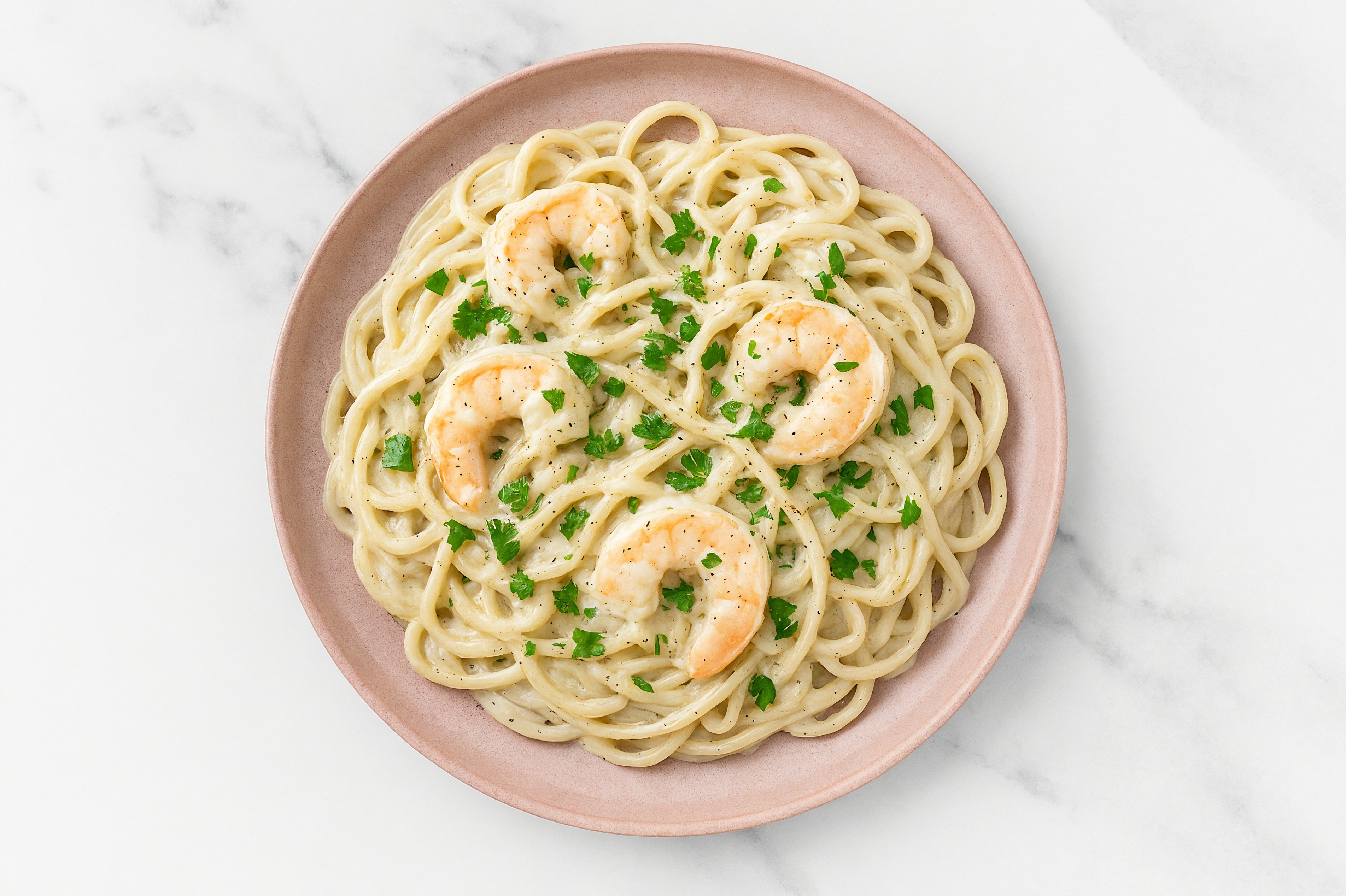
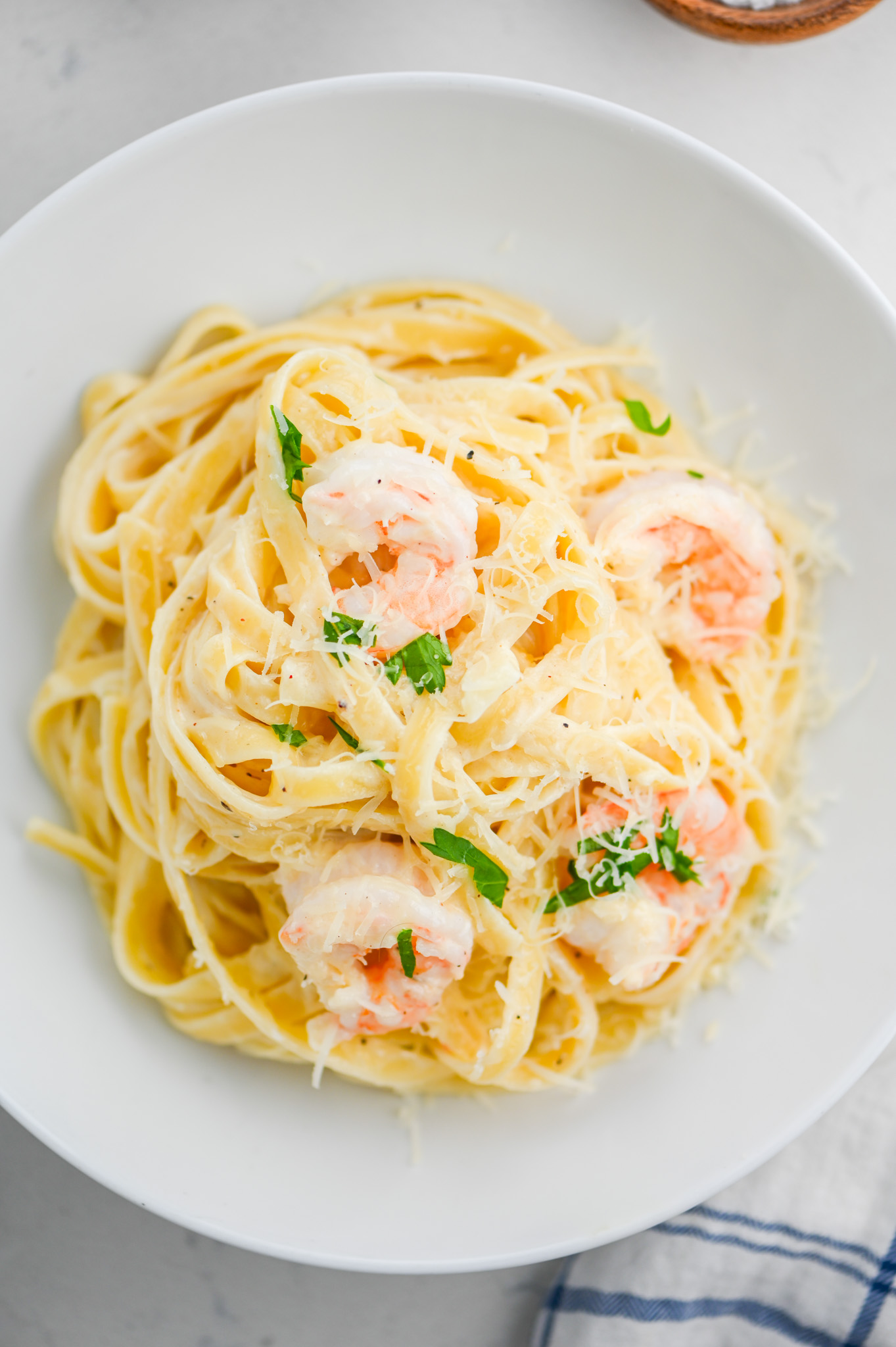
To prepare a perfect shrimp linguini alfredo, you must focus on high-quality emulsification and precise protein timing. Sauté succulent, jumbo shrimp in garlic-infused butter, then toss them with al dente linguini in a rich sauce of heavy cream, aged Parmigiano-Reggiano, and starchy pasta water to ensure a silky, non-broken finish.
Contents
The Evolution of Shrimp Linguini Alfredo in 2026
As we navigate the culinary landscape of 2026, the appreciation for "slow-fast" food—dishes that are quick to assemble but rely on traditional, high-quality components—has never been higher. Shrimp linguini alfredo remains a cornerstone of the Italian-American repertoire, representing a marriage of coastal proteins and the indulgent sauces of the Roman tradition. While the original Fettuccine Alfredo, created by Alfredo Di Lelio in 1914, relied solely on butter and young Parmesan cheese, the modern iteration featuring shrimp and linguini has evolved into a global favorite that demands a specific technical approach to avoid common pitfalls like rubbery seafood or a split, oily sauce.
The year 2026 has seen a renewed focus on ingredient provenance. Home cooks are now prioritizing sustainable seafood and artisanal dried pastas that offer the textural integrity needed to stand up to a heavy cream-based sauce. Understanding the science of how these ingredients interact is the difference between a soggy bowl of noodles and a structured, restaurant-caliber meal.
Selecting the Primary Protein: The Science of Shrimp
The success of this dish hinges on the quality and preparation of the shrimp. In 2026, sourcing standards emphasize transparency, and choosing the right "count" or size is the first technical decision a cook must make.
Understanding Sizing and Sourcing
Shrimp are sold by "count per pound." For linguini alfredo, the ideal size is typically 16/20 (Extra Jumbo) or 21/25 (Jumbo). Larger shrimp provide a meaty contrast to the thin, flat linguini strands and are less likely to overcook during the searing process. When purchasing, look for the following:
- MSC Certification: Ensure your shrimp is certified by the Marine Stewardship Council for sustainable fishing practices.
- IQF (Individually Quick Frozen): Unless you have access to a day-boat fresh market, IQF shrimp are often "fresher" than the "fresh" shrimp at the counter, which are usually just thawed IQF shrimp.
- Shell-on vs. Peeled: Buying shell-on shrimp and peeling them yourself preserves moisture and provides shells that can be used to enrich a quick seafood stock or butter.
Preparation: The "Snap" Factor
To achieve the characteristic "snap" of perfectly cooked shrimp, they must be thoroughly dried before hitting the pan. Moisture on the surface creates steam, which leads to a rubbery texture rather than a golden-brown sear. Additionally, removing the digestive tract (deveining) is essential for both aesthetics and texture.
The Foundation: Linguini vs. Fettuccine
While Fettuccine is the traditional companion to Alfredo sauce, Linguini (meaning "little tongues" in Italian) offers a unique structural advantage. Linguini is slightly narrower and denser than fettuccine. This allows it to carry the heavy sauce without becoming cumbersome.
In 2026, the preference has shifted toward bronze-cut pasta. Traditional pasta dies are made of Teflon, which creates a smooth surface. Bronze dies, however, leave the pasta with a rough, porous texture. This "micro-roughness" is essential for Alfredo sauce because it provides "hooks" for the cream and cheese emulsion to cling to, preventing the sauce from sliding off the noodle and pooling at the bottom of the plate.
The Sauce: Emulsification and Chemistry
The "Alfredo" sauce used in this dish is technically a derivative of a cream sauce, different from the butter-emulsion of the Roman original. To make a stable, velvety sauce, you must manage the relationship between fats, solids, and liquids.
The Role of Parmigiano-Reggiano
Do not use pre-shredded cheese. Pre-shredded varieties are coated in potato starch or cellulose to prevent clumping in the package. These anti-caking agents prevent the cheese from melting smoothly into the sauce, resulting in a grainy texture. In 2026, the standard remains Parmigiano-Reggiano DOP, aged at least 24 months. The aging process creates tyrosine crystals, which provide a savory depth that balances the richness of the heavy cream.
The "Liquid Gold": Pasta Water
Never drain your pasta water down the sink. This liquid is saturated with starch released by the linguini. When whisked into the butter and cream, the starch acts as a stabilizer, preventing the fats from separating (splitting). It is the bridge that connects the oily butter and the watery cream into a unified sauce.
| Feature | Fresh Shrimp | Frozen (IQF) Shrimp |
|---|---|---|
| Availability | Seasonal / Coastal regions | Year-round / Global |
| Texture | Soft, delicate if handled correctly | Firm, consistent "snap" |
| Prep Time | Requires immediate use (24h) | Thaws in 15 mins in cold water |
| Flavor Profile | Sweet, briny, highly variable | Neutral, absorbs aromatics well |
| Cost (2026 Avg) | $18.00 - $24.00 per lb | $12.00 - $16.00 per lb |
Step-by-Step Culinary Execution
Follow this sequence to ensure the shrimp remain tender and the sauce remains stable.
1. Searing the Shrimp (The Fond)
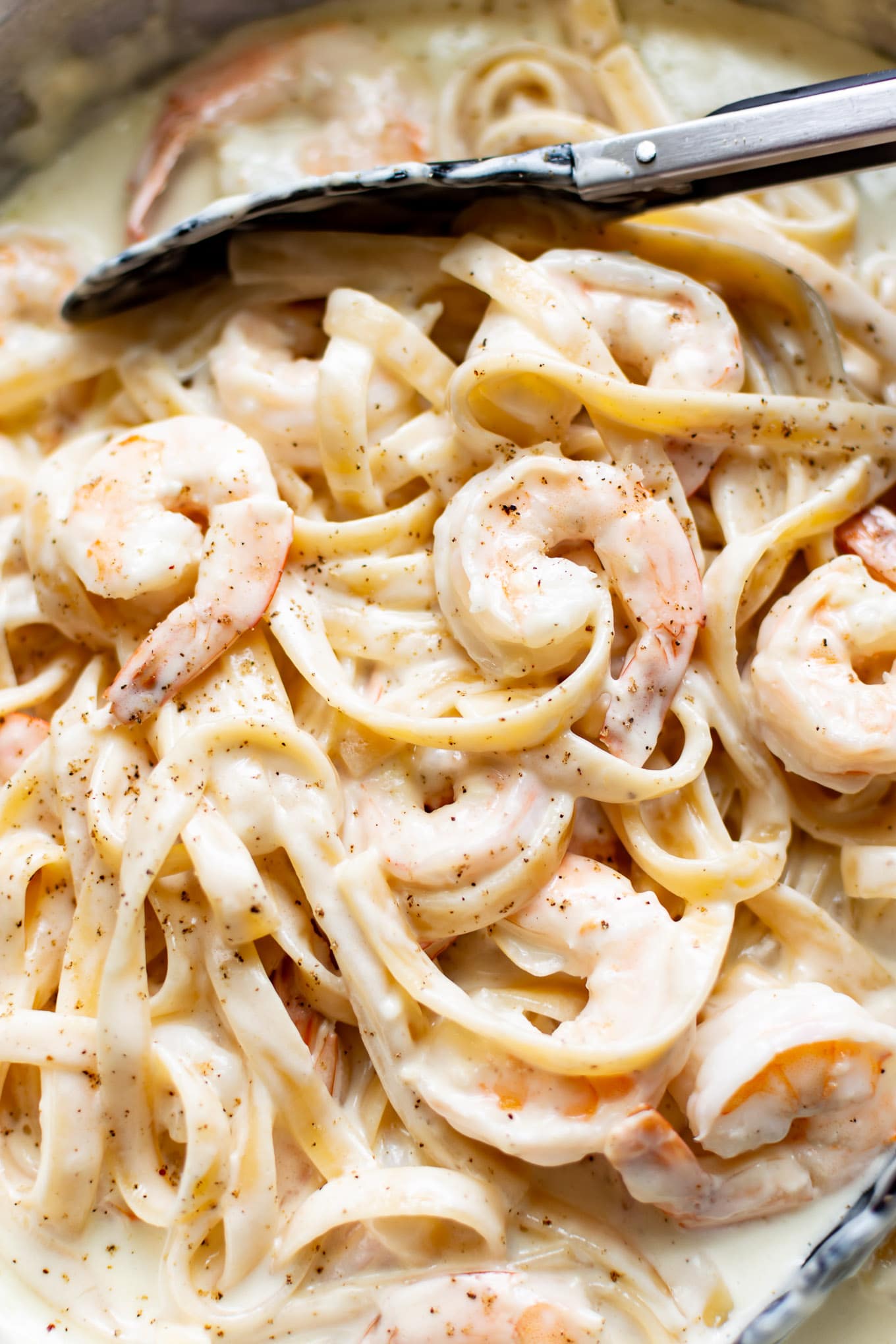
Heat a large skillet over medium-high heat with a mixture of olive oil and unsalted butter. Season the shrimp with salt and white pepper (to maintain the sauce's clean look). Sear the shrimp for approximately 90 seconds per side until they form a "C" shape. If they form an "O" shape, they are overcooked. Remove the shrimp from the pan and set them aside; the brown bits left in the pan (the fond) contain concentrated seafood flavor that will build the base of your sauce.
2. Building the Aromatic Base
Lower the heat to medium and add minced garlic. Cook only until fragrant (about 30 seconds). Do not let the garlic brown, as burnt garlic turns bitter and will ruin the delicate cream profile. If desired, a splash of dry white wine (like Pinot Grigio) can be used to deglaze the pan, scraping up the fond.
3. Reducing the Cream
Add heavy cream to the skillet. Allow it to come to a gentle simmer. You are looking for a reduction of about 20-25%. This concentrates the milk solids and prepares the liquid to accept the cheese.
4. The Marriage (Pasta and Sauce)
Boil the linguini in salted water until it is very al dente—about 2 minutes shy of the package instructions. Transfer the noodles directly from the water to the simmering cream. This brings over some of the starchy water naturally. Toss the noodles in the cream for one minute, allowing them to finish cooking inside the sauce.
5. The Emulsion
Remove the pan from the heat. This is a critical technical step. If the pan is too hot when you add the cheese, the proteins in the cheese will clump and the fat will leak out. Sprinkle in the finely grated Parmigiano-Reggiano in three stages, tossing vigorously between each addition. If the sauce is too thick, add a tablespoon of pasta water at a time until the desired consistency is reached. Re-introduce the shrimp at the very end to warm them through.
Troubleshooting Common Issues
Even experienced cooks encounter challenges with cream-based pasta. Here is how to resolve the most frequent problems:
- The sauce is grainy: This usually happens because of pre-shredded cheese or adding cheese to boiling liquid. To fix, you can try adding a splash of warm cream and whisking off-heat, but prevent it by using hand-grated cheese and lower temperatures.
- The shrimp are rubbery: They were likely cooked through entirely during the first sear. Remember that they will continue to cook slightly from residual heat once added back to the pasta. Always pull them off the heat when they are just opaque.
- The sauce is too thin: Continue to toss the pasta. As the starch from the noodles interacts with the cream, it will naturally thicken. If it remains watery, you may not have reduced the cream sufficiently before adding the pasta.
- The sauce is "broken" (Oily): This happens when the emulsion fails. Adding a small amount of starchy pasta water and whisking vigorously can sometimes bring a broken sauce back together.
Flavor Enhancements and 2026 Variations
While the classic version is iconic, modern culinary trends allow for subtle modifications:
- Citrus Zest: A teaspoon of lemon zest added at the end cuts through the heavy fat of the cream.
- Herbs: Fresh flat-leaf parsley is standard, but chervil or tarragon provides a sophisticated, licorice-like undertone that pairs beautifully with seafood.
- Spice: For a "Shrimp Alfredo Arrabbiata" hybrid, add red pepper flakes to the garlic base.
Frequently Asked Questions
Can I use milk instead of heavy cream?
Using milk will result in a much thinner sauce that lacks the stability of heavy cream. Milk has a higher water-to-fat ratio, making it prone to curdling when combined with the acidity of garlic or the salts in the cheese. If you must use milk, you will likely need to create a roux (butter and flour base) to thicken it, which technically turns the dish into a Mornay sauce rather than a traditional Alfredo.
How do I reheat leftovers without the sauce separating?
Alfredo sauce is notorious for "breaking" in the microwave. To reheat, place the pasta in a skillet over low heat and add a splash of milk or cream. Stir constantly as it warms. The added moisture and gentle agitation help re-emulsify the fats into the sauce.
Should I rinse the linguini after boiling?
No. Never rinse pasta for a warm dish. Rinsing removes the surface starch that is essential for the sauce to adhere to the noodles. The only time you should rinse pasta is for a cold pasta salad where you want to stop the cooking process and prevent sticking.
What is the best wine to pair with Shrimp Linguini Alfredo?
Look for a high-acid white wine to balance the richness of the cream. A Chablis or a dry Pinot Grigio works exceptionally well. The acidity cleanses the palate between bites of the buttery sauce, while the mineral notes complement the shrimp.
Is it necessary to devein the shrimp?
While the "vein" (the digestive tract) is not harmful to eat, it can contain grit which ruins the texture of an otherwise silky dish. For a premium presentation, especially in a dish as elegant as linguini alfredo, deveining is highly recommended.
Final Recommendation
For the best results, treat the pasta water as a primary ingredient. It is the secret to the glossy, cohesive coating found in high-end Italian restaurants. Focus on the quality of your Parmigiano-Reggiano and the timing of your shrimp, and you will produce a dish that surpasses most commercial offerings.
Image Gallery