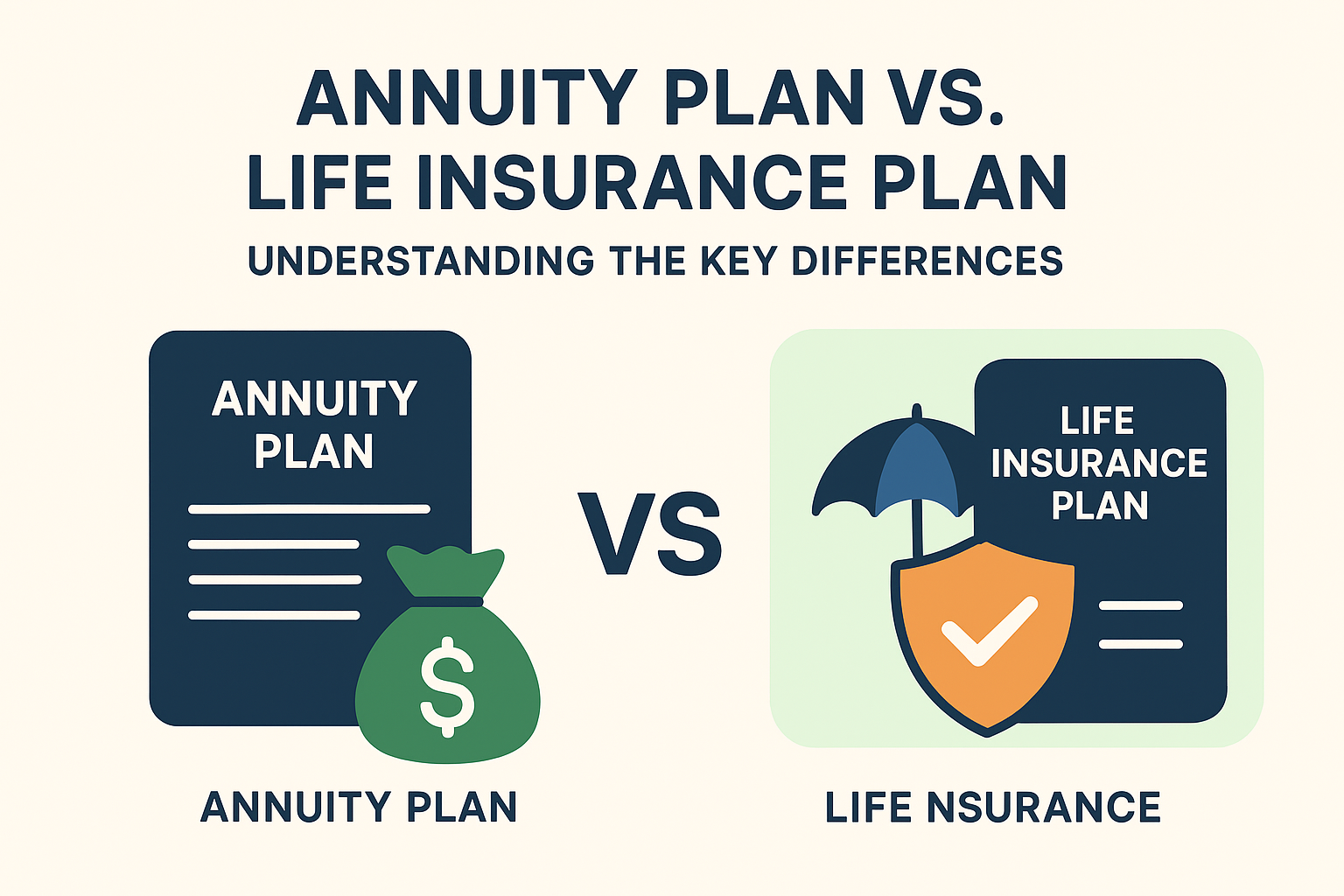
Understanding the Qualified Deferred Life Annuity Pure Insurance Play
A qualified deferred life annuity structured as a pure insurance play is an advanced retirement strategy where pre-tax retirement funds purchase a deferred income annuity—typically a Qualified Longevity Annuity Contract (QLAC)—with no...
A qualified deferred life annuity structured as a pure insurance play is an advanced retirement strategy where pre-tax retirement funds purchase a deferred income annuity—typically a Qualified Longevity Annuity Contract (QLAC)—with no death benefit or cash refund, maximizing guaranteed lifetime payouts starting at an advanced age to eliminate catastrophic longevity risk.
Contents
Longevity risk—the financial hazard of outliving personal savings—represents one of the most unpredictable variables in retirement portfolio management. While traditional retirement strategies rely on dynamic safe withdrawal rates, conservative asset allocation, and systematic decumulation, these methods often force retirees to underspend out of fear of market downturns late in life.
The "pure insurance play" using a qualified deferred life annuity approaches longevity not as an investment problem, but as an insurable risk. By stripping away cash refund guarantees, surrender values, and death benefits, this structure redirects every available dollar into raw mortality pooling. The result is an institutional-grade hedge that produces the highest possible guaranteed income stream beginning in late retirement, fundamentally transforming how an investor can deploy their remaining liquid portfolio.
Deconstructing the Mechanics: What Makes It a "Pure Insurance Play"?
To understand this vehicle, it is necessary to untangle the distinct components of the strategy: its tax-qualified status, its deferral timeline, and its strict "life-only" payout structure.
- Qualified Account Assets (Traditional IRA / 401k)
- Carve out allocation (e.g., up to QLAC limit)
- Qualified Deferred Life Annuity (Pure Life / No Refund)
- Zero Cash Surrender Value
- Zero Death Benefit (Pre- or Post-Income)
- Assets excluded from RMD calculations until payout starts
- Deferral Period (Ages 65 to 80/85)
- Lifetime Income Stream
- Payouts begin at selected age (e.g., 80 or 85)
- Supercharged by accumulated mortality credits
- Pays out every month until death, regardless of portfolio
Qualified Status and the Regulatory Framework
A qualified annuity is funded directly with pre-tax dollars from accounts governed by the Internal Revenue Code, such as a traditional Individual Retirement Arrangement (IRA), 401(k), 403(b), or governmental 457(b).
Under standard IRS rules, pre-tax accounts are subject to Required Minimum Distributions (RMDs), which mandate that individuals begin liquidating their tax-deferred balances at a federally specified age. However, when structured as a Qualified Longevity Annuity Contract under Treasury regulations and expanded under the SECURE 2.0 Act, the assets allocated to the contract are excluded from the account balance used to calculate annual RMDs.
Under SECURE 2.0, the historical 25% account limit was repealed, and the allowable lifetime premium cap was raised to $200,000 (subject to ongoing statutory inflation adjustments). Payments can be deferred up to the first day of the month following the policyholder’s 85th birthday.
Deferred Income Annuity (DIA) Timing
Unlike a Single Premium Immediate Annuity (SPIA), which begins distributions within 12 months of funding, a Deferred Income Annuity (DIA) locks in an income schedule that begins years or decades later. A typical implementation involves purchasing the contract between ages 65 and 70, with distributions contractually slated to commence between ages 80 and 85. During this deferral horizon, the principal is completely illiquid. It does not fluctuate with equity markets, nor does it generate annual dividend distributions.
The "Pure Life" Election
The element that designates this strategy as a "pure insurance play" is the rejection of any return-of-premium or cash-refund rider.
Most commercial annuity purchasers gravitate toward "cash refund" or "period certain" options, which stipulate that if the annuitant dies before the total payouts equal the initial premium, the difference is paid out to designated beneficiaries. While psychologically comforting, that refund provision carries an immense actuarial cost.
In a pure life contract:
- If the annuitant passes away during the deferral period (e.g., at age 76 when income starts at 80), the insurance company retains the entire premium.
- If the annuitant dies shortly after payouts begin (e.g., age 81), payments cease immediately, with zero balance transferring to heirs.
- If the annuitant lives to age 98, the contract continues paying the contracted monthly income, delivering a cumulative return that vastly exceeds standard fixed-income alternatives.
Treating this contract as pure insurance means accepting total capital forfeiture upon premature death, precisely as an individual accepts the "loss" of homeowners insurance premiums when their house does not burn down.
The Actuarial Engine: Mortality Credits Explained
The financial powerhouse driving the qualified deferred life annuity is not investment alpha, but mortality credits.
When an individual invests in standard fixed-income assets, the rate of return is dictated strictly by the prevailing yield curve and the issuer's credit risk. An insurer issuing an annuity invests in similar high-grade fixed-income portfolios, but the payout structure for a pure life annuity incorporates an additional rate of return derived from the mortality pooling mechanism.
- Total Annuity Distribution
- Economic Yield Component (Fixed-income returns on underlying assets)
- Mortality Credit Premium (Redistribution of pooled capital from non-surv.)
In an actuarial pool of thousands of policyholders:
- Every participant contributes capital to the pool.
- A calculated percentage of participants will die before reaching the payout age or early into the distribution phase.
- The capital contributed by those who die early—along with its compounding interest—is contractually distributed among those who survive.
Because a pure life contract includes no cash refund, none of the departed participants' capital exits the pool to heirs. For individuals who live into their late 80s and 90s, the effective yield on original capital reaches double digits, a benchmark unachievable through traditional non-annuitized risk-free securities. The longer an individual lives past the deferral threshold, the more dominant the mortality credit component becomes relative to the underlying economic yield.
Strategic Portfolio Integration: The Barbell Approach
Deploying a qualified deferred life annuity changes the construction of the remaining liquid balance. Rather than maintaining a defensive stance across an entire liquid portfolio to hedge against the chance of living to age 95, a retiree can conceptually segment their balance sheet into distinct chronological components.
1. Eliminating the "Tail Risk" of Retirement
In traditional portfolio management, retirees hold significant cash allocations and low-yielding bonds specifically to insulate against market drops late in life. By carving out a targeted sum (for instance, $150,000 to $200,000) inside an IRA to purchase a pure life annuity activating at age 80 or 85, the catastrophic tail risk is resolved. The retiree knows that regardless of external market crashes, inflation, or asset depletion, an income floor arrives at that target age.
2. Liberating the Liquid Portfolio (Ages 65–80)
With late-life income guaranteed, the remaining liquid portfolio only needs to fund a predetermined time window: from retirement (e.g., age 65) to the activation date (e.g., age 80).
This time horizon creates several strategic advantages:
- Higher Mid-Retirement Spending: Retirees can consume assets more confidently during their active, healthier years ("go-go years"), knowing they do not need to preserve a large principal buffer for their late 80s.
- Higher Equity Tolerance: Because the remaining portfolio does not need to sustain the retiree indefinitely, equity allocations can remain aggressive enough to combat inflation, without forcing catastrophic liquidations during early-retirement downturns.
- Simplified RMD Management: Reducing the pre-tax IRA balance through the annuity purchase lowers taxable RMD amounts between the official RMD starting age and age 85, mitigating tax bracket creep and Medicare Part B/D Income-Related Monthly Adjustment Amount (IRMAA) surcharges.
Comparative Analysis: Pure Life Annuities vs. Alternatives
Choosing a pure qualified deferred life annuity requires weighing extreme income efficiency against total illiquidity and forfeiture risk. The table below compares the pure insurance play against traditional alternatives within qualified accounts.
| Strategy Attribute | Pure Deferred Life Annuity (QLAC/DIA) | Cash Refund Deferred Annuity | Fixed Indexed Annuity with GLWB | Traditional 4% Systematic Withdrawal |
|---|---|---|---|---|
| Primary Financial Objective | Maximum late-life guaranteed income | Late-life income with principal protection | Market participation with an income floor | Complete liquidity and inheritance preservation |
| Cost / Drag Factor | None; implicit actuarial pricing | Lower payout rate (15–30% income reduction) | Contract riders (often 1.0% to 1.5% annually) | Advisory fees, market volatility, inflation |
| Death Benefit Prior to Payout | None; 100% loss of premium | Return of initial premium minus prior payments | Full remaining account balance | Full remaining portfolio balance |
| Payout Magnitude per Dollar | Highest (capitalizes fully on mortality pooling) | Moderate (discounted to finance return of capital) | Moderate to Low (constrained by rider fees and caps) | Variable (subject to sequence-of-returns risk) |
| Liquidity / Surrender Access | Zero (strictly irrevocable once purchased) | Zero or very limited | High to Moderate (surrender schedules apply) | Complete (funds can be accessed on demand) |
| RMD Mitigation | Yes; excluded from RMD calculations up to age 85 | Yes; if structured as an IRS-approved QLAC | No; balance remains fully subject to standard RMD rules | No; full account value subject to standard RMD rules |
Structural Trade-offs, Vulnerabilities, and Risks
While mathematically optimized for income generation, the pure insurance play is not universally suitable. Selecting this approach involves several distinct risks that demand objective analysis.
1. The Early Mortality Penalty
The most obvious objection is psychological and actuarial: premature death leads to a total financial loss on the contract. If a retiree commits $200,000 to a pure deferred life annuity at age 66 with payouts beginning at age 82, and subsequently suffers a fatal medical event at age 79, the insurance company retains the full $200,000.
For households prioritizing the bequest motive—leaving liquid wealth to heirs or charities—this feature can be deeply unpalatable. The strategy is designed exclusively for those who treat retirement survival security as an independent priority over generational wealth transfer.
2. Purchasing Power Erosion (Inflation Risk)
Standard deferred life annuities typically issue fixed nominal dollar payments. A $4,000-per-month payout scheduled to activate 15 years from issuance will carry significantly diminished purchasing power due to cumulative inflation.
While some insurance carriers offer Cost-of-Living Adjustment (COLA) riders, these options substantially reduce the initial baseline payout rate. Without a COLA rider, the pure insurance play must be paired with growth-oriented assets in the liquid portion of the portfolio to counter decades of inflation.
3. Absolute Irrevocability and Illiquidity
Treasury regulations governing QLACs and general deferred life annuity mechanics dictate that these contracts cannot be liquidated, surrendered, commuted, or accelerated. Once the free-look period expires (typically 10 to 30 days post-issuance), that capital is permanently out of reach. If the policyholder faces a sudden mid-retirement emergency—such as specialized healthcare needs or private nursing expenses before the payout age—the contract cannot be accessed to cover those costs.
4. Insurer Credit and Solvency Risk
Because deferred annuity contracts represent general unsecured obligations of the issuing life insurance carrier, policyholders are exposed to carrier default risk over multi-decade horizons. The viability of an income stream starting 15 to 20 years in the future rests entirely on the claims-paying ability of the company.
To counter this counterparty vulnerability:
- Purchases should be concentrated exclusively in carriers carrying top-tier financial strength ratings from agencies such as A.M. Best (A+ or A++), Fitch (AA- or higher), Moody's (Aa3 or higher), or S&P (AA- or higher).
- Large allocations should be broken up across multiple insurance institutions to remain within the protection boundaries of individual State Life and Health Insurance Guaranty Associations, which provide statutory coverage limits (typically ranging from $100,000 to $300,000 in present-value annuity benefits, varying by state).
Optimal Candidate Profile: Determining Suitability
A qualified deferred life annuity pure insurance play is not a standard, mass-market solution. It serves an intentional purpose within a specific demographic and financial architecture.
High-Probability Candidates
- Above-Average Health and Longevity Markers: Individuals with an exceptional family health history, personal vitality, and lifestyle indicators suggesting a high probability of living into their late 80s, 90s, or past 100.
- The "Solo Ager" or Uncoupled Retiree: Individuals without a surviving spouse, children, or direct beneficiaries who have minimal interest in estate maximization, making the lack of a death benefit irrelevant.
- Retirees Stressed by RMD Inefficiencies: Investors with sizable traditional IRA balances who face unwanted income taxation from mandatory distributions and wish to shelter a portion of their assets while deferring income realization.
- Overly Conservative Spenders: Retirees who hold substantial liquid assets but live below their means due to an irrational fear of running out of money in late retirement. The pure insurance play establishes an undeniable late-life backstop, liberating them to spend their remaining liquid wealth.
Suboptimal Candidates
- Individuals with diagnosed chronic illnesses, compromised health indicators, or heavy family histories of early-onset cardiovascular or oncological conditions.
- Individuals whose core financial objective is leaving a maximized estate to children or charitable foundations.
- Investors lacking substantial liquid reserves outside of the annuity allocation to withstand unplanned capital shocks between ages 65 and 80.
Execution Framework: Implementation Steps
Implementing a qualified deferred life annuity requires coordination among portfolio managers, certified tax professionals, and independent insurance brokers.
- Step 1: Audit Pre-Tax Assets & RMD Exposure
- Step 2: Calculate Longevity Tail Risk Needs
- Step 3: Diversify Across Top-Tier Life Insurers
- Step 4: Execute Direct Trustee-to-Trustee Transfers
- Step 5: Rebalance the Remaining Liquid Portfolio
Step 1: Audit Pre-Tax Account Assets
Review all traditional IRAs, 401(k) rollovers, and qualified balances to determine your baseline eligibility and evaluate the impact of lowering RMDs. Verify that the planned deployment satisfies IRS limits for QLAC qualification.
Step 2: Calculate the Exact Late-Life Income Need
Determine non-discretionary baseline expenses (housing, medical out-of-pocket costs, base food, insurance) against anticipated guaranteed income streams from Social Security and defined-benefit pensions. Use the difference to set the target monthly income required at age 80 or 85.
Step 3: Run Comparative Carrier Quotes for Life-Only Structures
Request institutional quotes comparing "Life Only" against "Life with Cash Refund" options. Calculate the payout differential. If the "Life Only" structure does not offer a payout premium large enough to justify the early mortality forfeiture risk, reassess the allocation. Select exclusively from carriers maintaining an A.M. Best rating of "A+" or better.
Step 4: Execute a Direct Trustee-to-Trustee Transfer
Never liquidate the qualified account into personal checking accounts, as this can trigger taxable distributions and potential early-withdrawal penalties. Instruct the IRA custodian to complete a direct, non-taxable trustee-to-trustee transfer to the issuing insurance company, designated specifically for a QLAC contract.
Step 5: Adjust the Remaining Liquid Portfolio
Once the mortality hedge is officially funded, update the investment policy statement for your remaining liquid accounts. With tail-risk longevity mitigated, reallocate remaining balances away from low-yielding defensive bond holdings to support lifestyle spending during early retirement and generate equity growth to offset inflation.
Frequently Asked Questions
What happens to the money if I die one year before payouts begin?
If you purchase a pure life qualified deferred annuity without a return-of-premium or cash-refund rider, the insurance carrier retains 100% of the invested premium upon your death. No funds, interest, or residual value transfer to your estate or beneficiaries. This forfeiture risk is precisely what finances the outsized payout rate for individuals who survive.
Can I change my mind and cash out the policy early?
No. Qualified deferred life annuities and QLACs are completely irrevocable. Once the initial contractual free-look period (typically 10 to 30 days) expires, the cash surrender value drops to zero. You cannot borrow against the policy, withdraw emergency funds, or accelerate payment distributions under any circumstances.
Does a qualified deferred life annuity shelter assets from all taxes?
No. The contract does not eliminate taxation; it defers it. Moving funds from a traditional IRA into a QLAC excludes those assets from the calculation of annual Required Minimum Distributions until payments begin (or until age 85). However, once payouts start, every dollar received is classified and taxed as ordinary income at your prevailing federal and state tax rates.
How does SECURE 2.0 impact this strategy?
The SECURE 2.0 Act made this strategy significantly more practical. It eliminated the old rule that capped QLAC funding at 25% of an individual's aggregate qualified account balances, and it increased the statutory lifetime contribution ceiling to $200,000 (indexed for inflation). This allows individuals with modest qualified balances to purchase a meaningful income stream without violating percentage limits.
Why not simply buy a fixed indexed annuity (FIA) with an income rider instead?
A Fixed Indexed Annuity with a Guaranteed Lifetime Withdrawal Benefit (GLWB) retains an underlying cash value and preserves a death benefit for your heirs, but those protections come at a cost. The rider fees (frequently 1.0% to 1.5% annually) and the requirement that the carrier reserve capital for death payouts significantly reduce the net guaranteed lifetime payout. If your objective is purely maximizing late-life income per dollar allocated, the pure life DIA outproduces the FIA every time.
The Strategic Bottom Line
The qualified deferred life annuity pure insurance play is an intentional strategy: it exchanges liquidity and bequest value for an uncompromised, mathematically maximized late-life income stream. It is not an investment, nor is it an estate planning mechanism.
For retirees with verified longevity profiles, sufficient secondary liquidity, and the discipline to treat the contract like pure catastrophic insurance, this strategy neutralizes the primary fear of outliving personal wealth. If you are considering this structure, review your lifetime cash-flow projections and consult a fee-only fiduciary advisor or qualified tax professional to evaluate whether your overall asset allocation can support complete illiquidity in exchange for lifelong income security.
Image Gallery