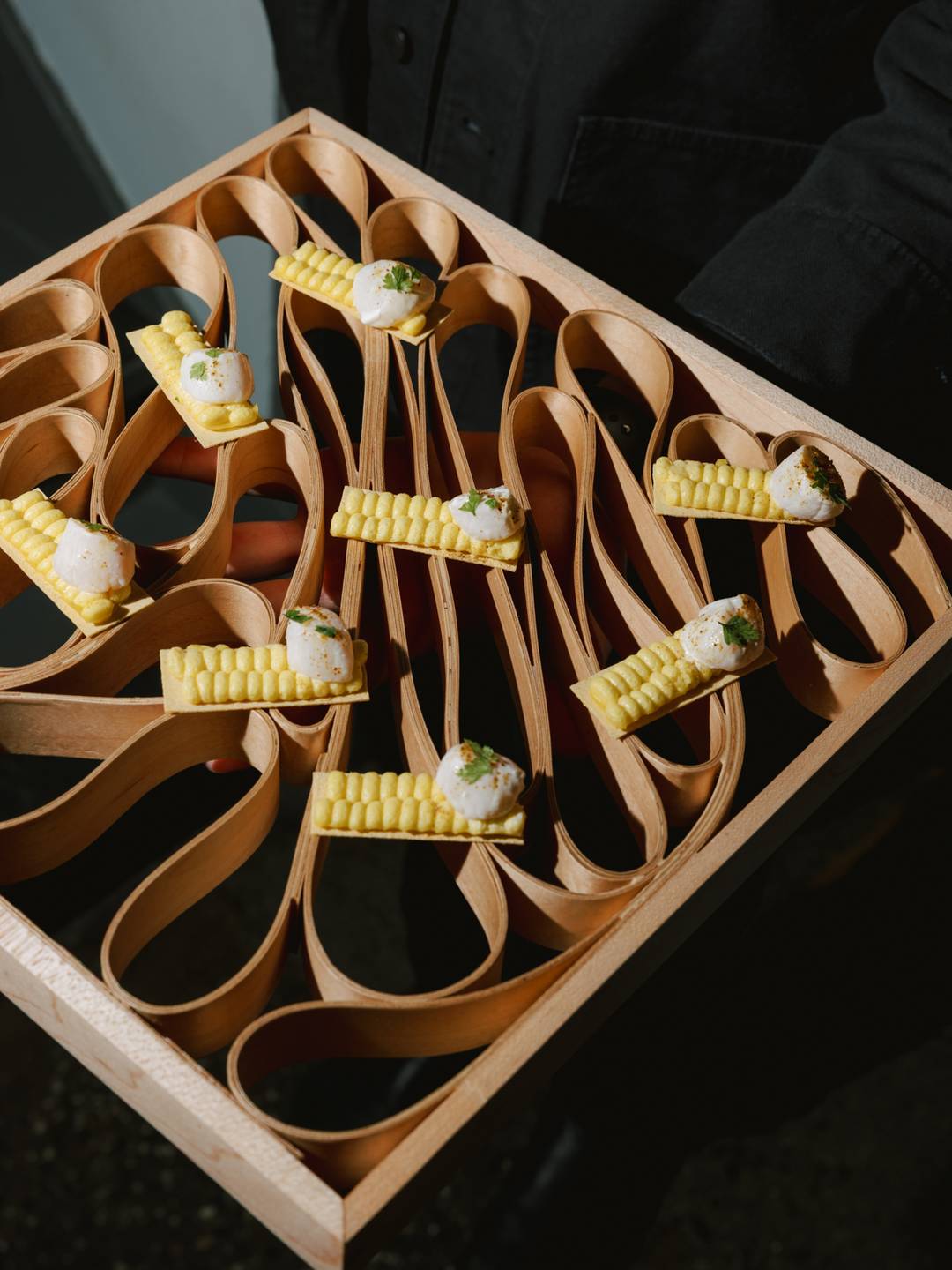
Pinch Catering in New York City: A Design-Driven Food Experience
Pinch Catering in New York City distinguishes itself through a design-driven approach that integrates architectural aesthetics with culinary precision to transform high-end events. By prioritizing the structural presentation of food an...
Pinch Catering in New York City distinguishes itself through a design-driven approach that integrates architectural aesthetics with culinary precision to transform high-end events. By prioritizing the structural presentation of food and the sensory environment of a gathering, the firm offers a bespoke service model that moves beyond traditional event catering into the realm of immersive gastronomic production.
Contents
The Philosophy of Design-Driven Gastronomy
In the competitive landscape of New York City’s events industry, catering often defaults to traditional plating and standard service formats. Pinch Catering challenges this convention by treating every culinary component as a deliberate design element. This philosophy posits that the "food experience" is not merely about flavor profiles, but about the geometry, texture, and visual impact of the offering on the event’s overall aesthetic.
For the event planner or host, this means the catering team acts as both a kitchen staff and a creative studio. Design-driven food experiences involve custom-built vessels, specific lighting interactions, and the careful curation of flow and movement within a venue. By aligning the menu with the architectural or thematic vision of the host, Pinch ensures that the dining experience feels like a cohesive part of the environment rather than a transactional necessity.
Core Services and Operational Methodology
Operating within the high-stakes environment of NYC, Pinch Catering adheres to a rigorous process to maintain its standard of design-led service. Their methodology typically follows a structural sequence:
- Conceptual Alignment: The team reviews the venue architecture, the client's visual brief, and the event’s logistical constraints. This determines the material palette—such as the use of glass, steel, wood, or organic elements—that will house the food.
- Architectural Plating: Every menu item is prototyped to ensure its structural integrity when displayed in a specific way. This often involves creating custom service platforms that enhance the food’s appearance while maintaining its optimal temperature.
- Environmental Integration: Staff movement, the pacing of service, and the placement of stations are planned to enhance the event flow. This prevents the "clutter" effect that often compromises the aesthetic of luxury events.
- Culinary Execution: With the design framework set, the kitchen focuses on the technical mastery of ingredients. The goal is to ensure that the visual complexity of the presentation is met with high-caliber, consistent culinary quality.
Comparative Overview: Traditional vs. Design-Driven Catering
Understanding the shift from standard catering to a design-driven model requires an analysis of service priorities. The following table highlights the operational distinctions between these models.
| Feature | Traditional Catering | Design-Driven Experience |
|---|---|---|
| Focus | Efficiency and volume | Aesthetic and sensory integration |
| Plating | Standard, functional serve-ware | Custom, theme-specific vessels |
| Integration | Independent of decor | Unified with venue architecture |
| Service Pacing | Pre-set timing | Fluid, adaptive to event flow |
| Primary Goal | Sustenance and hospitality | Curated atmosphere and interaction |
Logistical Prerequisites for Clients
Engaging a firm that provides design-driven culinary services in New York City necessitates a higher level of preparation than standard catering. Clients should approach the planning process with the following considerations:
- Venue Compatibility: Ensure the venue’s infrastructure can accommodate specialized, custom-built serving pieces or elaborate station setups. This includes checking power availability for specialized lighting or temperature-controlled equipment.
- Lead Times: Due to the bespoke nature of the design process, these services typically require extended booking lead times compared to standard drop-off or buffet catering. Prototyping custom service pieces requires a longer lead-in window.
- Clear Visual Briefs: Clients who can provide mood boards, architectural plans, or specific aesthetic guidelines allow the catering design team to achieve a much higher level of precision.
- Budgetary Allocation: Design-driven catering inherently involves higher labor and material costs. The investment covers not just the food and staffing, but the structural design, fabrication of custom vessels, and the technical coordination of the event environment.
Managing Expectations in a High-Performance Market
New York City’s catering market is defined by high expectations and high stakes. A "design-driven" claim is only as valid as the firm's ability to execute under pressure. When evaluating a service provider, focus on their track record of handling logistical hurdles—such as freight elevator restrictions in NYC venues, strict load-in/load-out deadlines, and health department compliance while executing complex, unconventional presentations.
The primary limitation of this model is rigidity; because the food is intricately tied to its presentation, modifications on the fly are often more difficult than with traditional catering. It is essential to finalize the structural components of the menu well before the event date to avoid last-minute compromises that could degrade the intended design.
Frequently Asked Questions
What exactly does "design-driven" mean in a catering context? It means the food is treated as an aesthetic object. It encompasses everything from the physical shape and scale of the food items to the custom-designed hardware used to display them, ensuring the menu serves as a functional piece of the event's overall design scheme.
How does this differ from simple food styling? Food styling is often focused on photography or static display. Design-driven catering is operational—the food must look deliberate while being functional for consumption by guests in a dynamic, real-time environment.
Can this model work for small, private events? While often associated with large-scale corporate or gala events, the principles of design-driven food experiences can be scaled down. The primary requirement is that the host is willing to invest in the design time and bespoke elements required to create that level of presentation.
What is the most important factor in a successful collaboration with an architectural caterer? Early communication. Sharing your visual goals, venue limitations, and guest experience objectives with the caterer as early as possible allows them to treat your event as a design project rather than just a meal service.
How is food safety maintained during elaborate setup? Maintaining safety is more challenging when food is presented in non-traditional ways. Professional design-driven caterers must balance aesthetic requirements with strict temperature controls and sanitation standards, ensuring that custom setups do not compromise the safety of the items served.
Recommendation for Event Stakeholders
If you are planning an event in New York City and desire a high-impact, cohesive aesthetic, prioritize providers who demonstrate a portfolio of custom fabrication. Begin the conversation by presenting the venue’s architectural features and the event's overall design intent. By moving away from standard catalog menus and toward a collaborative, structural design process, you can ensure that the culinary component functions as a centerpiece of your event’s narrative rather than a background element.
Image Gallery