Is Whole Life Income Insurance a Good Retirement Plan? A 2026 Comprehensive Analysis
Whole life insurance can serve as a supplementary retirement tool, but it is rarely a complete substitute for traditional plans like 401(k)s or IRAs. While it provides guaranteed cash value growth, tax-free loans, and a permanent death...
Whole life insurance can serve as a supplementary retirement tool, but it is rarely a complete substitute for traditional plans like 401(k)s or IRAs. While it provides guaranteed cash value growth, tax-free loans, and a permanent death benefit, high fees and slow early-year liquidity make it most suitable for high-net-worth individuals seeking tax diversification.
Contents
Understanding Whole Life Insurance as a Retirement Vehicle
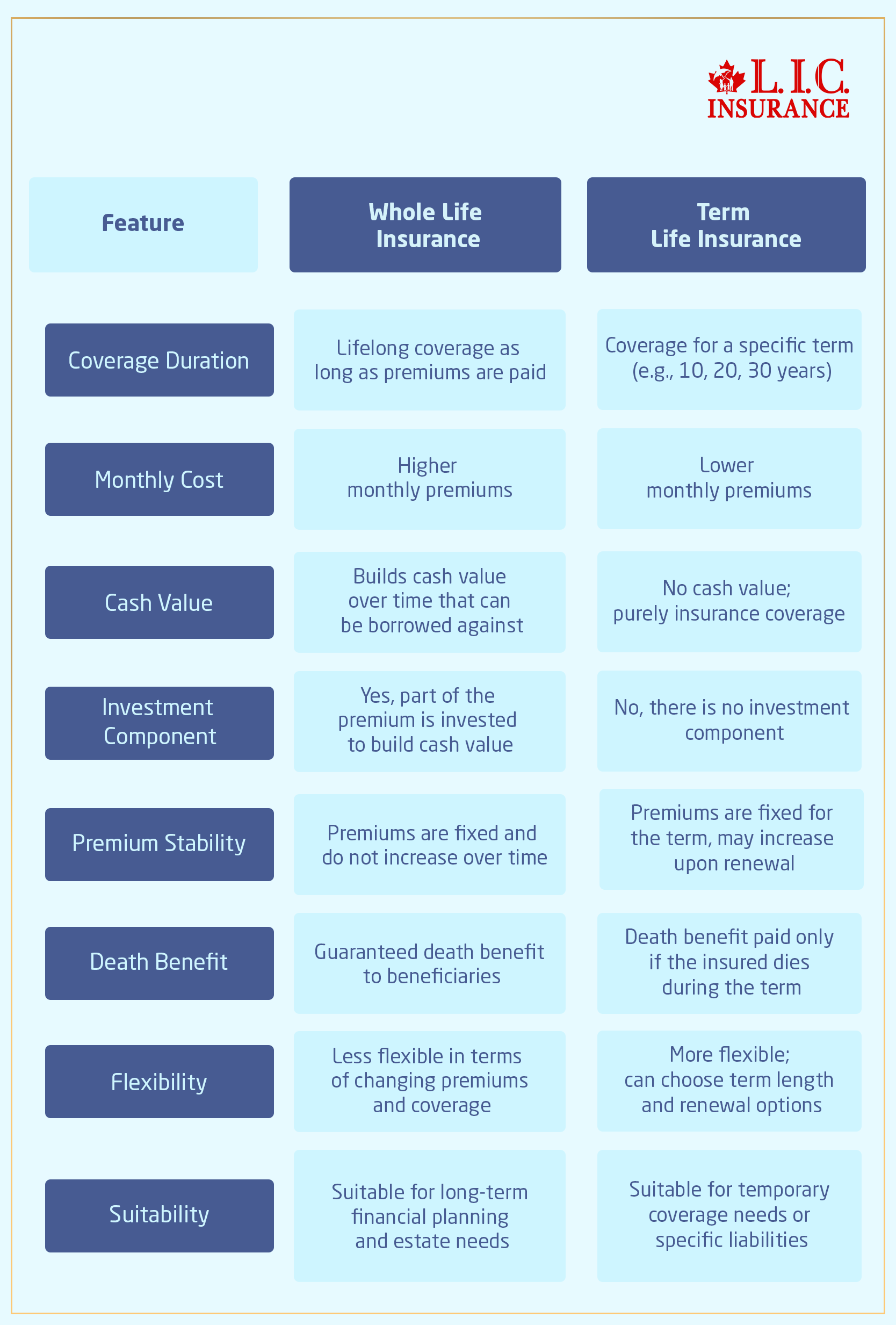
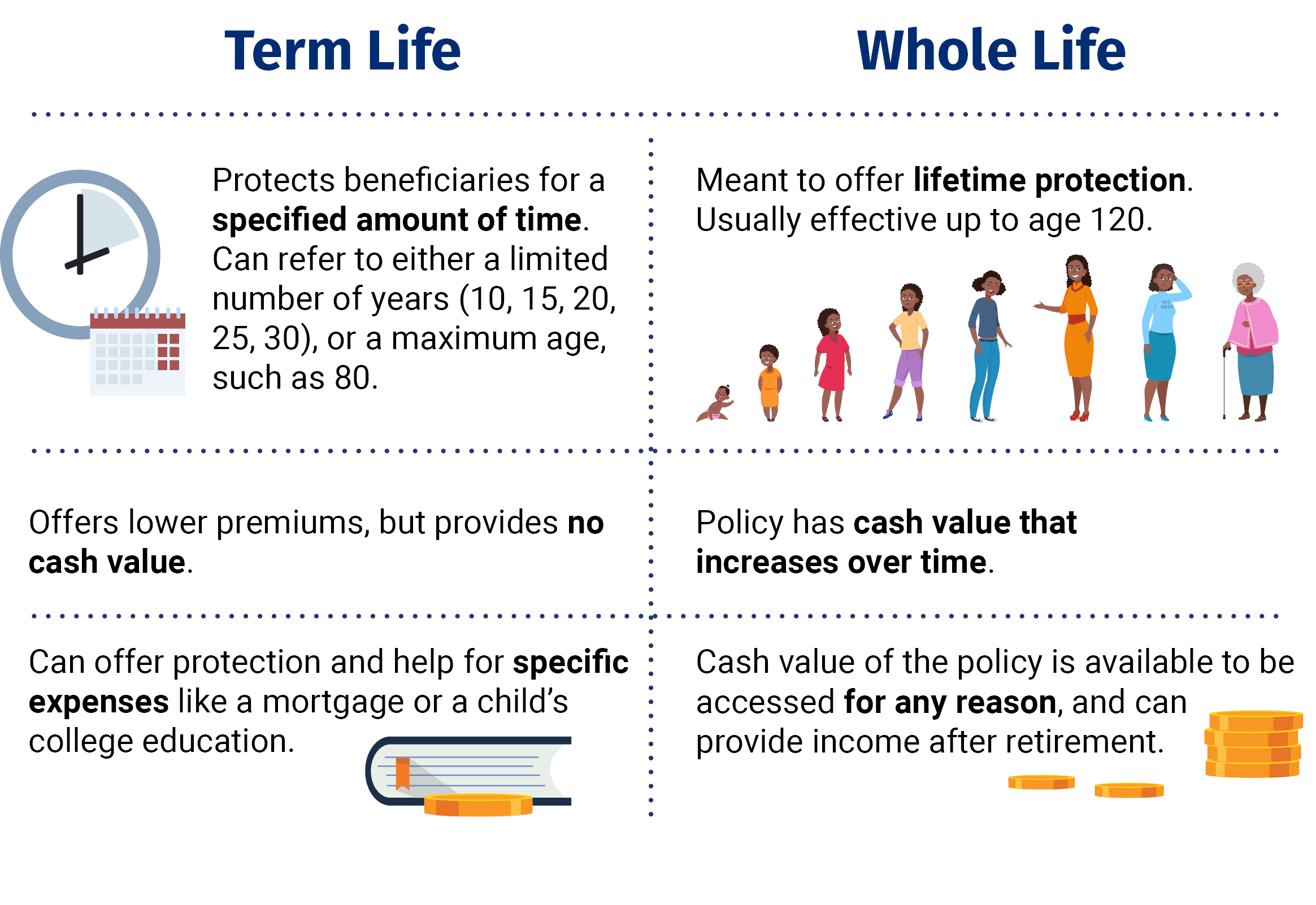
To evaluate whether whole life insurance is a "good" retirement plan, one must first distinguish between a pure investment and a life insurance contract with a savings component. Unlike term life insurance, which provides coverage for a specific period, whole life is a form of permanent life insurance. It remains in force for the insured's entire life, provided premiums are paid.
The core of the retirement argument lies in the cash value component. A portion of every premium payment is funneled into an internal account that grows at a guaranteed rate set by the insurer. In "participating" policies issued by mutual insurance companies, policyholders may also receive annual dividends. These dividends, though not guaranteed, have been paid consistently by major carriers for over a century and can significantly accelerate the growth of the cash value.
By 2026, the utility of these policies has become a focal point for those concerned about market volatility. Because the cash value is not directly tied to stock market performance, it acts as a "non-correlated asset." This means that when the S&P 500 or Nasdaq experiences a downturn, the cash value in a whole life policy remains stable or continues to grow, providing a "volatility buffer" for a retiree’s total portfolio.
How Whole Life Generates Retirement Income
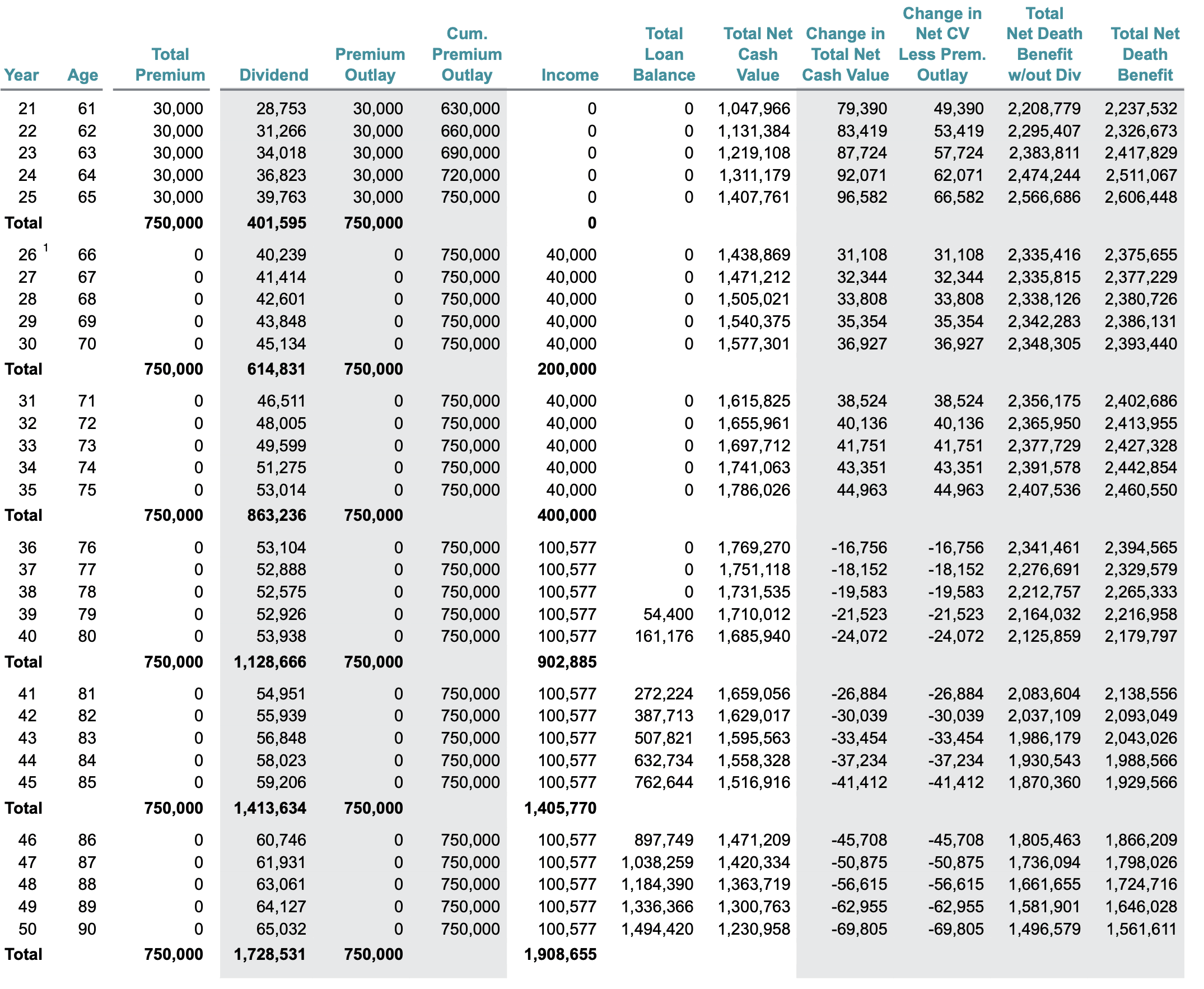
The term "income insurance" in the context of whole life refers to the strategic distribution of the accumulated cash value during retirement. There are three primary methods to access this capital:
- Withdrawals to Basis: The IRS allows policyholders to withdraw cash from their policy tax-free up to the "basis"—the total amount of premiums paid into the policy. This follows a First-In, First-Out (FIFO) accounting method.
- Policy Loans: Once the basis has been withdrawn, further access to cash is typically handled through loans. Unlike a bank loan, you are borrowing against your death benefit using the cash value as collateral. These loans are generally tax-free, even if the amount borrowed exceeds the premiums paid, provided the policy remains in force until the death of the insured.
- Dividends as Cash: Policyholders can choose to receive their annual dividends in cash rather than reinvesting them. While this provides immediate income, it slows the long-term growth of the policy.
The most sophisticated use of whole life in retirement is the collateralized loan strategy. In 2026, many retirees use their policy’s cash value as a "buffer asset." During years when the stock market is down, they stop taking distributions from their 401(k) or brokerage accounts (to avoid selling assets at a loss) and instead take tax-free loans from their insurance policy to fund their lifestyle.
The Tax Advantages of Section 7702
The tax-favored status of whole life insurance is governed by Internal Revenue Code Section 7702. This section defines what constitutes a life insurance contract for federal tax purposes. Policies that meet these requirements enjoy "tax-deferred growth" on the cash value and "tax-free" death benefits for beneficiaries.
A critical threshold to monitor is the Modified Endowment Contract (MEC) limit. If a policy is funded too quickly—essentially treated more like an investment than an insurance product—it loses its FIFO tax status. For a MEC, withdrawals and loans are taxed on a Last-In, First-Out (LIFO) basis, meaning the gains are taxed as ordinary income first, potentially with a 10% penalty if the policyholder is under age 59½. Proper policy design, often involving "Paid-Up Additions" (PUA) riders, allows for maximum cash accumulation while staying just below the MEC threshold.
Comparing Retirement Vehicles (2026 Guidelines)
The following table compares whole life insurance with the two most common retirement accounts: the 401(k) and the Roth IRA.
| Feature | Whole Life Insurance | 401(k) / Traditional IRA | Roth IRA |
|---|---|---|---|
| Tax Treatment | Tax-deferred growth; Tax-free loans/withdrawals | Pre-tax contributions; Taxed as ordinary income | Post-tax contributions; Tax-free withdrawals |
| Contribution Limits | Unlimited (subject to MEC limits) | $23,500 (2026 limit for under 50) | $7,500 (2026 limit for under 50) |
| Market Risk | None (Guaranteed minimums) | High (Market dependent) | High (Market dependent) |
| Liquidity | High (after 10+ years) | Limited (59½ rule) | High (contributions only) |
| Death Benefit | Permanent; Tax-free | Account balance; Taxable to heirs | Account balance; Tax-free to heirs |
| Cost | High (Commissions & COI) | Low to Moderate (Admin fees) | Low (Brokerage fees) |
The Costs and Disadvantages
While the benefits are significant, whole life insurance is often criticized for its high entry costs. The primary disadvantages include:
- Front-Loaded Expenses: In the first several years of a policy, the majority of the premium goes toward the "Cost of Insurance" (COI) and agent commissions. It can take 10 to 15 years for the cash value to equal the total premiums paid (the "break-even point").
- Opportunity Cost: The Internal Rate of Return (IRR) on the cash value of a whole life policy typically ranges from 3% to 5% over several decades. While this beats a savings account or CDs in 2026, it is historically lower than the long-term returns of a diversified stock portfolio.
- Complexity and Lapsing: If a policyholder takes excessive loans and the interest accumulates to the point where it exceeds the cash value, the policy can lapse. A lapsed policy with outstanding loans can trigger a massive "tax bomb," as all previously untaxed gains become immediately taxable as ordinary income.
- Premium Commitment: Whole life requires a long-term commitment to high premiums. If a policyholder's income drops and they cannot afford the premiums in the early years, they may be forced to surrender the policy at a significant loss.
The "Infinite Banking" and "Be Your Own Banker" Concepts
Many proponents of whole life insurance as a retirement plan point to the "Infinite Banking Concept" (IBC). This strategy involves overfunding a whole life policy and then using policy loans to finance major life purchases (cars, real estate, business equipment) instead of using traditional bank financing.
By 2026, this strategy remains popular among business owners. The rationale is that the policy’s total cash value continues to earn interest and dividends even while a portion of it is being used as collateral for a loan. If the policy’s dividend rate is higher than the loan interest rate (or if the "non-direct recognition" feature is present), the policyholder can effectively achieve a positive spread on their own debt. However, this requires strict financial discipline and an understanding of the underlying insurance mechanics.
Who Should Use Whole Life for Retirement?
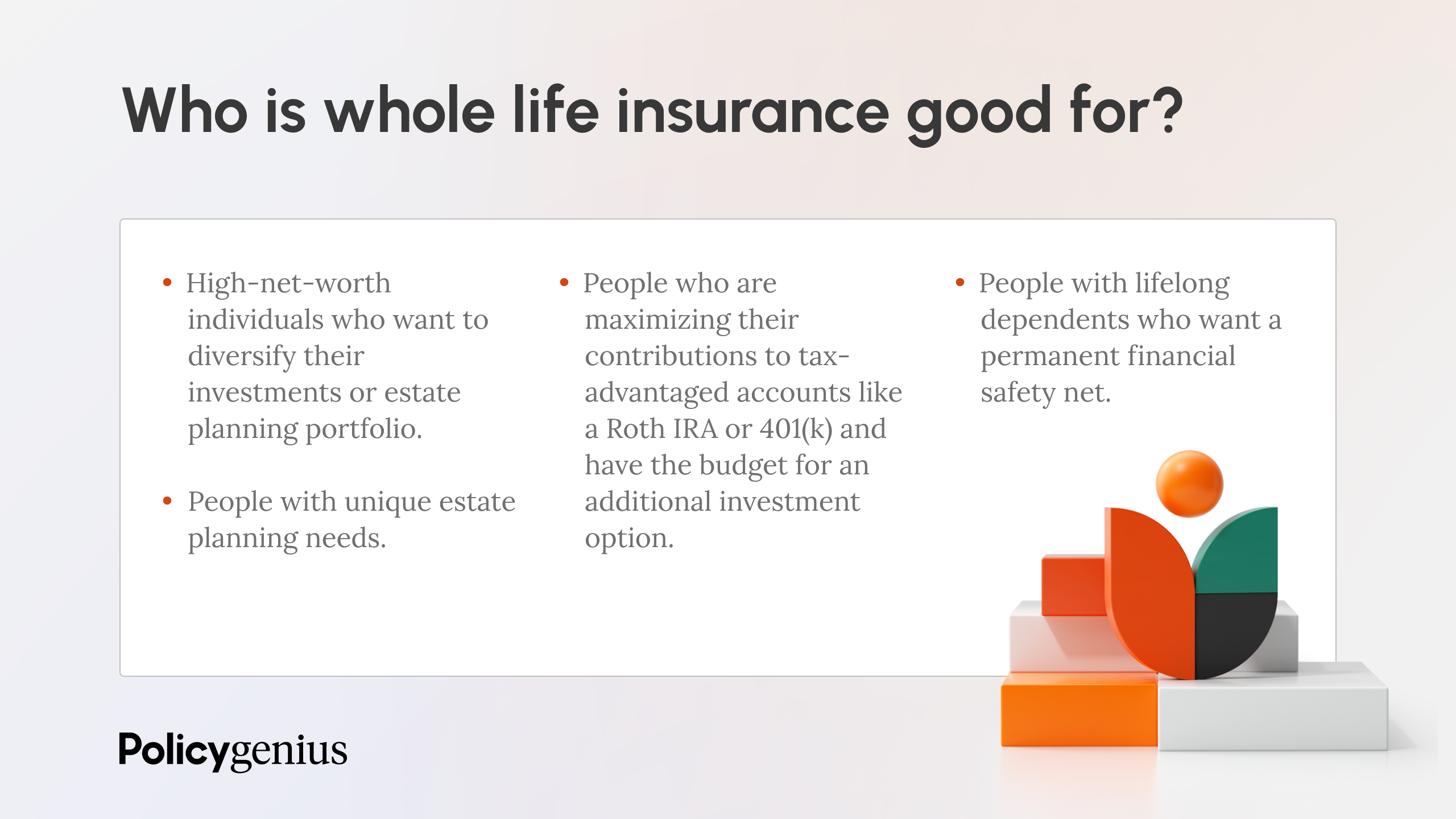
Given the costs and complexities, whole life insurance is not an ideal "starter" retirement plan. It is most effective for:
- High Earners: Individuals who have already maxed out their 401(k), Roth IRA, and Health Savings Account (HSA) contributions and are looking for another tax-advantaged place to put capital.
- The Risk-Averse: Retirees who want a guaranteed portion of their wealth that is insulated from stock market volatility.
- Estate Planners: Those who have a specific need for a permanent death benefit to cover estate taxes, fund a buy-sell agreement for a business, or leave a legacy for heirs.
- Business Owners: Individuals who can use the cash value as a source of liquid capital for business opportunities while simultaneously building a retirement reserve.
Verification and Regulatory Oversight
Consumers should verify the financial strength of any insurance company they consider. Organizations like A.M. Best and Fitch Ratings provide credit ratings that indicate a company’s ability to meet its long-term obligations. Additionally, the National Association of Insurance Commissioners (NAIC) provides resources for consumers to understand state-specific regulations and check the licensing status of insurance products.
The Internal Revenue Service (IRS) provides definitive guidance on the tax treatment of life insurance distributions in Publication 590-B and various sections of the Internal Revenue Code. It is essential to consult with a tax professional or a fiduciary financial advisor to ensure that a whole life policy is integrated correctly into a broader retirement strategy.
FAQ
Is the growth in a whole life policy guaranteed?
Yes, whole life policies include a contractually guaranteed minimum interest rate on the cash value. While dividends are not guaranteed, they are a primary driver of growth in participating policies. By 2026, most top-tier mutual carriers have maintained a track record of paying dividends for over 150 consecutive years.
Can I stop paying premiums when I retire?
Most whole life policies can be designed as "Reduced Paid-Up" insurance. This allows the policyholder to stop paying premiums in exchange for a lower death benefit. Alternatively, if the cash value is high enough, it can be used to pay the policy’s internal costs through a "premium offset" arrangement, effectively making the policy self-sustaining in retirement.
What happens if I die with an outstanding policy loan?
If the insured dies with an outstanding loan, the balance of that loan (plus any accrued interest) is deducted from the death benefit paid to the beneficiaries. The remaining death benefit is still generally received income tax-free.
How does whole life insurance affect Social Security benefits?
Cash value growth and policy loans are not currently counted as "provisional income" by the Social Security Administration. This means that taking income from a life insurance policy typically does not trigger the "tax torpedo" that can cause Social Security benefits to become taxable, unlike distributions from a traditional 401(k).
Is whole life better than a Roth IRA?
They serve different purposes. A Roth IRA generally offers higher growth potential through market investments but has strict annual contribution limits and requires the holder to be age 59½ for tax-free withdrawals of earnings. Whole life offers lower growth and higher fees but provides a permanent death benefit and allows access to cash at any age without a 10% penalty.
Final Recommendation
If you are looking for a primary retirement vehicle and have not yet maxed out your tax-advantaged investment accounts, whole life insurance is likely not the best choice due to its high costs and slow growth. However, if you are a high-income earner seeking to diversify your tax profile and create a volatility buffer for your retirement years, a properly structured whole life policy can be a powerful tool. Before committing, request a full policy illustration showing the internal rate of return (IRR) net of all fees, and ensure you have the cash flow to sustain the premiums for at least 15 to 20 years.
Image Gallery