How to Use a Credit Card to Send Money: Methods, Fees, and Critical Risks
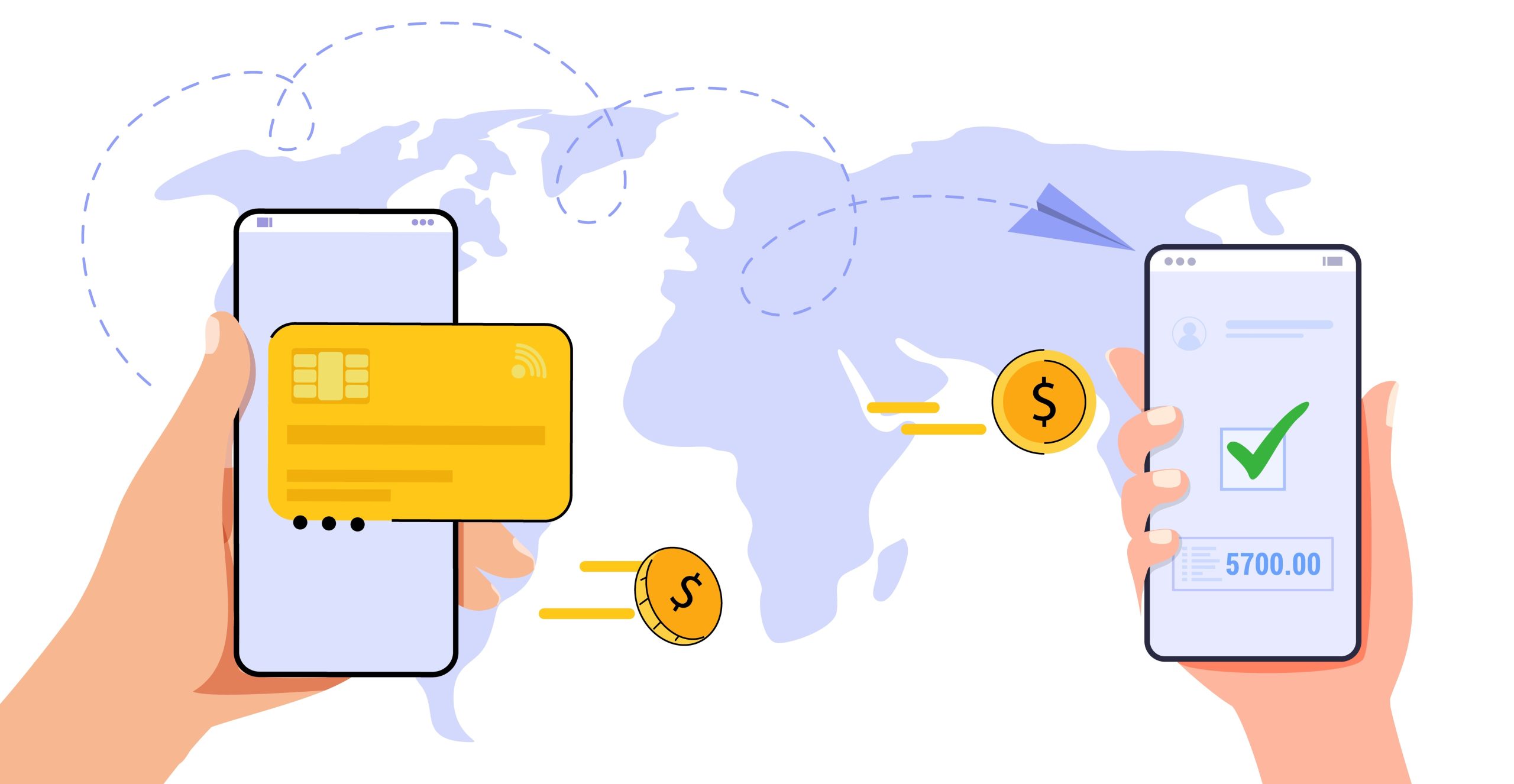
You can send money using a credit card by linking your card to a peer-to-peer (P2P) payment app like PayPal, Venmo, or Cash App, or by utilizing international transfer services like Western Union. However, most card issuers treat these...
You can send money using a credit card by linking your card to a peer-to-peer (P2P) payment app like PayPal, Venmo, or Cash App, or by utilizing international transfer services like Western Union. However, most card issuers treat these transactions as cash advances, which trigger high interest rates and immediate fees.
Contents
Sending money with a credit card is a functional solution when liquid cash is unavailable, but it is one of the most expensive ways to move funds. In 2026, the integration between digital wallets and traditional credit lines has become seamless, yet the underlying financial regulations remain strict regarding high-interest debt. Before proceeding, it is essential to understand the mechanics of the transfer, the specific platforms available, and the long-term impact on your credit health.
Understanding the Transaction Type: Purchase vs. Cash Advance
The most critical distinction to make before sending money is whether your credit card issuer will categorize the transaction as a purchase or a cash advance. This distinction determines the total cost of your transfer.
The Cash Advance Mechanism
In most instances, using a credit card to send money to an individual is viewed by banks as a "cash-equivalent transaction." Because you are not buying a good or service, the bank treats the transfer as if you walked to an ATM and withdrew cash.
Cash advances differ from standard purchases in three major ways:
- Immediate Interest: Unlike standard purchases, which have a "grace period" (usually 21–25 days) where no interest is charged if you pay the balance in full, cash advances accrue interest starting the very second the transaction is processed.
- Higher APR: The Annual Percentage Rate (APR) for cash advances is typically 5% to 10% higher than your card’s standard purchase APR. By 2026, it is common to see cash advance rates exceeding 28% or 30%.
- Upfront Fees: Most issuers charge a flat fee (e.g., $10) or a percentage of the transfer (e.g., 3% to 5%), whichever is greater.
Rare Exceptions: Purchase Categorization
Occasionally, using a credit card through a third-party service for a specific business transaction might be coded as a purchase. For example, paying a contractor through a professional invoicing system may qualify as a purchase. However, sending money to a friend or family member via a digital wallet is almost universally coded as a cash-equivalent.
Popular Platforms for Sending Money via Credit Card
Several digital platforms allow you to link a credit card to facilitate transfers. Each has its own fee structure and operational limits.
1. PayPal
PayPal is one of the most established methods for sending funds globally. When you send money to "Friends and Family" using a credit card, PayPal charges a standard processing fee (typically 2.9% plus a fixed fee).
The Process:
- Link your credit card in the "Wallet" section.
- Select "Send & Request."
- Enter the recipient’s email or phone number.
- Choose the "Sending to a friend" option.
- Select your credit card as the funding source.
2. Venmo
Owned by PayPal, Venmo is a leader in the domestic P2P space. Venmo allows credit card transfers but applies a 3% fee to the sender. It is important to note that Venmo does not allow you to use this balance to pay off the credit card itself; it is strictly for outbound transfers.
3. Cash App
Cash App operates similarly to Venmo, allowing users to link a credit card to send funds to other "Cashtags." Like Venmo, Cash App charges a 3% fee for transactions funded by a credit card. One advantage of Cash App is its speed, though the high cost of credit card usage remains a primary drawback.
4. Western Union and MoneyGram
For international transfers, traditional remittance services are often the go-to choice. These services allow you to pay with a credit card online or at a physical kiosk. While they offer massive reach, they are often the most expensive option due to a combination of high service fees and currency exchange rate markups. According to the Consumer Financial Protection Bureau (CFPB), consumers should always compare the "Total Cost" which includes the exchange rate spread.
Step-by-Step Guide to Executing a Transfer
To ensure a smooth transfer and minimize the risk of a declined transaction, follow these steps:
- Verify Your Cash Advance Limit: Your credit card has two limits: a total credit limit and a cash advance limit. The latter is often significantly lower (e.g., 20% of your total limit). Check your latest statement to ensure the transfer amount fits within this cap.
- Link and Verify the Card: Add the card to your chosen app (Venmo, PayPal, etc.). Some apps may require a small verification deposit or a 3D Secure check (a text code from your bank) to authorize the link.
- Choose the Correct Recipient: Double-check the recipient’s username or phone number. Credit card transfers are often difficult to reverse once the funds are "captured" by the recipient's wallet.
- Confirm Fees: Before hitting "Send," the app will display its service fee (e.g., 3%). Remember, this is separate from the fees your bank will charge you later on your statement.
- Monitor Your Credit Statement: Check your bank account 24–48 hours after the transfer. If the transaction appears as a "Cash Advance," prepare to pay that portion of your bill immediately to stop the daily interest accrual.
Comparison of Popular Money Transfer Platforms (2026 Data)
| Platform | Credit Card Fee (App Side) | Estimated Bank Fee | Speed | Primary Use Case |
|---|---|---|---|---|
| Venmo | 3% | Variable (Cash Advance) | Instant to Wallet | Domestic / Social |
| PayPal | 2.9% + Fixed Fee | Variable (Cash Advance) | Instant | International / Business |
| Cash App | 3% | Variable (Cash Advance) | Instant | Domestic / Simple |
| Western Union | High (Varies by country) | Likely Cash Advance | Minutes to Days | International Remittance |
| Wise | Low Transparency Fee | Possible Cash Advance | 1–3 Business Days | International / Exchange Rates |
Financial Risks and Long-Term Impacts
Using a credit card to send money is more than just a convenience; it is a financial decision with potential long-term consequences for your credit score and debt levels.
The Debt Trap and Compound Interest
Because interest on cash advances compounds daily and lacks a grace period, a small transfer can grow rapidly. If you only pay the "Minimum Balance" on your credit card, the high-interest cash advance portion is often the last part of the balance that your payment is applied to (after the lower-interest purchase balance), depending on federal CARD Act regulations.
Credit Utilization Ratio
Sending a large sum of money via credit card increases your "Credit Utilization Ratio"—the amount of credit you are using compared to your total limit. A utilization ratio above 30% can negatively impact your credit score. If you use a credit card for a large transfer and don't pay it off immediately, your score may drop, affecting your ability to get loans or lower interest rates in the future.
Lack of Consumer Protections
When you buy a product with a credit card, you are protected by "Chargeback" rights if the item is never delivered. When you send money to a person, those protections are virtually non-existent. If you send money to a scammer using a credit card through Venmo or PayPal’s "Friends and Family" feature, the bank and the app will rarely provide a refund, as the transaction is viewed as a voluntary cash transfer.
Alternatives to Sending Money via Credit Card
Given the high costs associated with credit card transfers, consider these more affordable alternatives:
- Zelle: Zelle links directly to your bank account and moves money without fees. In 2026, almost all major and regional banks support Zelle. It uses your available cash, avoiding interest and cash advance fees entirely.
- Debit Cards on P2P Apps: Using a debit card on Venmo or Cash App is typically free or carries a much lower fee than a credit card.
- Personal Loans: If you need to send a significant amount of money that you cannot pay back within 30 days, a small personal loan from a credit union often carries a much lower APR (10–12%) compared to a credit card cash advance (25–30%).
- Convenience Checks: Some credit card issuers mail "convenience checks." While these are still treated as cash advances, they occasionally come with promotional 0% APR offers for a set period (though a transfer fee still applies).
Frequently Asked Questions
Does sending money with a credit card count as a "purchase" for rewards points?
Generally, no. Most credit card issuers exclude cash-equivalent transactions from earning rewards, points, or cash back. Furthermore, these transactions usually do not count toward the "minimum spend" required to earn a sign-up bonus.
Can I use Zelle with a credit card?
No. Zelle is designed for bank-to-bank transfers. While you can link a debit card to the Zelle app if your bank doesn't support it, the platform does not allow credit cards to be used as a source of funds.
How can I avoid the "Cash Advance" fee?
The only reliable way to avoid the bank’s cash advance fee is to use a service that processes the transaction as a "Purchase." However, very few P2P services do this for personal transfers. You should assume any money sent to an individual will be flagged as a cash advance.
Is there a limit on how much money I can send?
Yes. You are limited by two factors: the P2P app’s internal sending limits (which may increase as you verify your identity) and your credit card’s specific cash advance limit.
What should I do if my transfer is declined?
If a credit card transfer is declined, it is usually because the bank has flagged it as potential fraud or because the amount exceeds your cash advance limit. Contact your bank's fraud department to authorize the transaction or check your available cash advance balance.
Final Recommendation
Using a credit card to send money should be reserved for genuine emergencies where no other funding source is available. The combination of app processing fees (3%) and bank cash advance costs (5% fee + ~30% APR) means you could lose nearly 10% of the value of your transfer in the first month alone. If you must use this method, choose PayPal or Venmo for domestic transfers due to their predictable fee structures, and aim to pay off the credit card balance in full within 24 hours to minimize interest damage.
Image Gallery