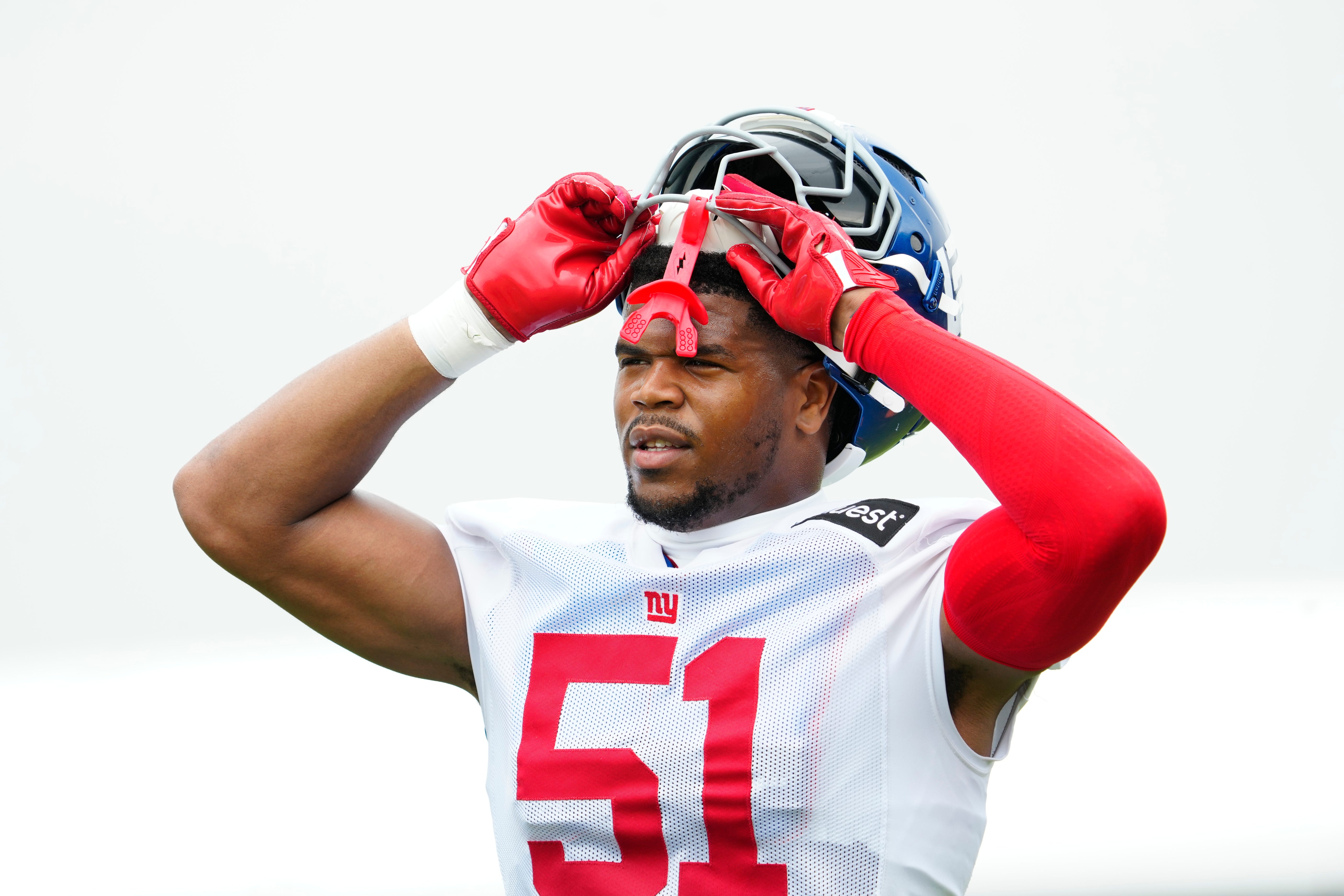
DeAngelo Carter: Tracking the Defensive Lineman’s Career Moves and Professional Path
DeAngelo Carter, a formidable defensive lineman known for his stint in the Big Ten, navigated his career through a significant transition from the University of Minnesota to the University of Maryland as a graduate transfer. Following...
DeAngelo Carter, a formidable defensive lineman known for his stint in the Big Ten, navigated his career through a significant transition from the University of Minnesota to the University of Maryland as a graduate transfer. Following his collegiate eligibility, Carter’s career moves in 2025 and 2026 have focused on securing a foothold in professional football and leveraging his extensive experience as a high-level interior defender.
Contents
The Foundation of a Power Five Defensive Lineman
The trajectory of DeAngelo Carter’s career began in Valdosta, Georgia, where he starred at Lowndes High School. As a recruit, Carter was recognized for his immense physical strength and high motor, characteristics that made him a priority for several Power Five programs. His decision to commit to the University of Minnesota under head coach P.J. Fleck marked the first major "career move" that would define his identity as a football player.
During his high school years, Carter was not just a brute force; he was a technician. He helped lead Lowndes to deep playoff runs, showcasing an ability to disrupt the "A-gap" and collapse the pocket from the inside. This regional success in Georgia—a hotbed for football talent—provided the scouting tape necessary to prove he could handle the physicality of the Big Ten Conference. His move from the Southeast to the Upper Midwest was a strategic step, placing him in a conference renowned for "trench warfare" and developmental defensive line play.
The Minnesota Era: Stability and Development (2019–2023)
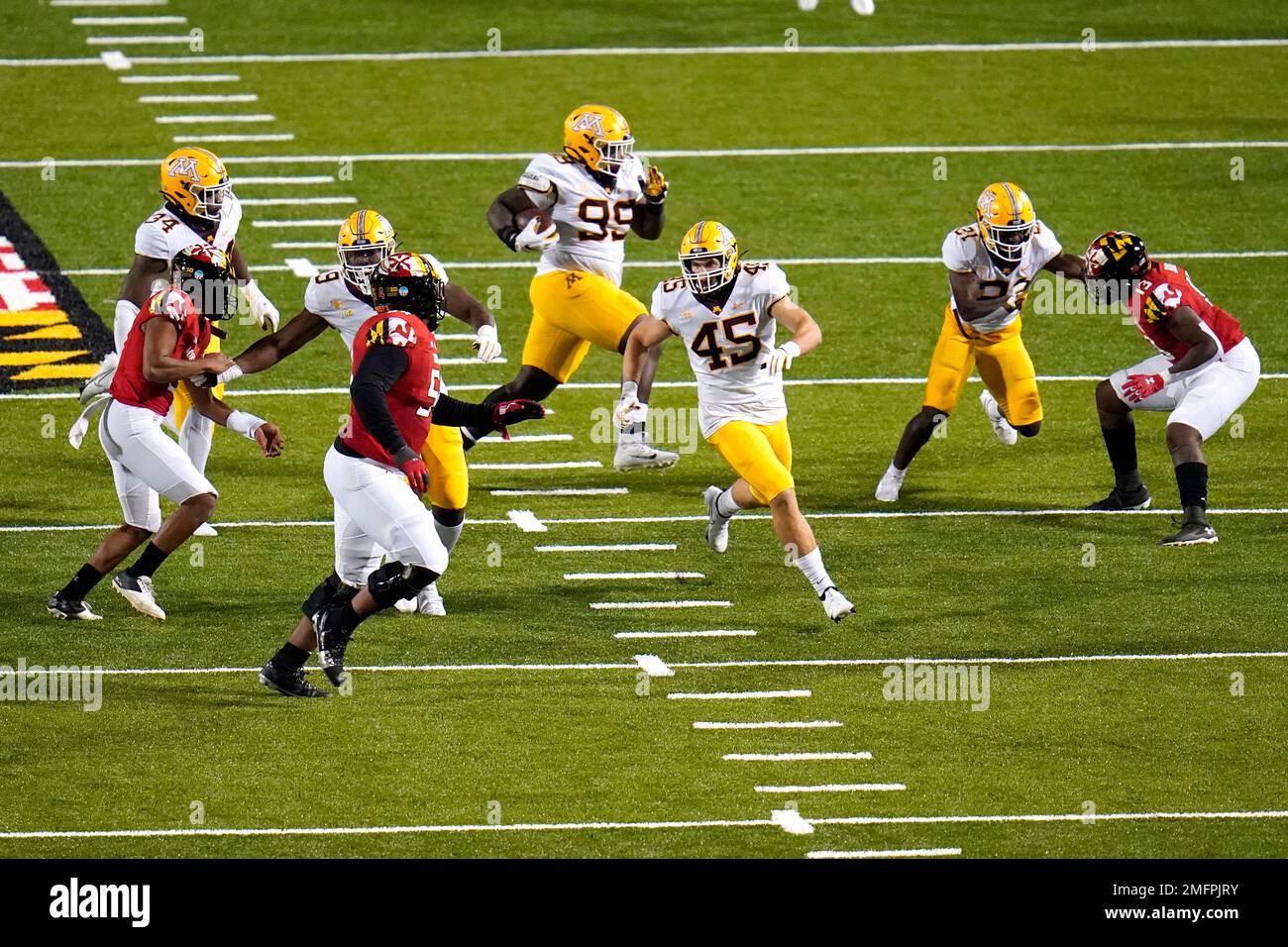
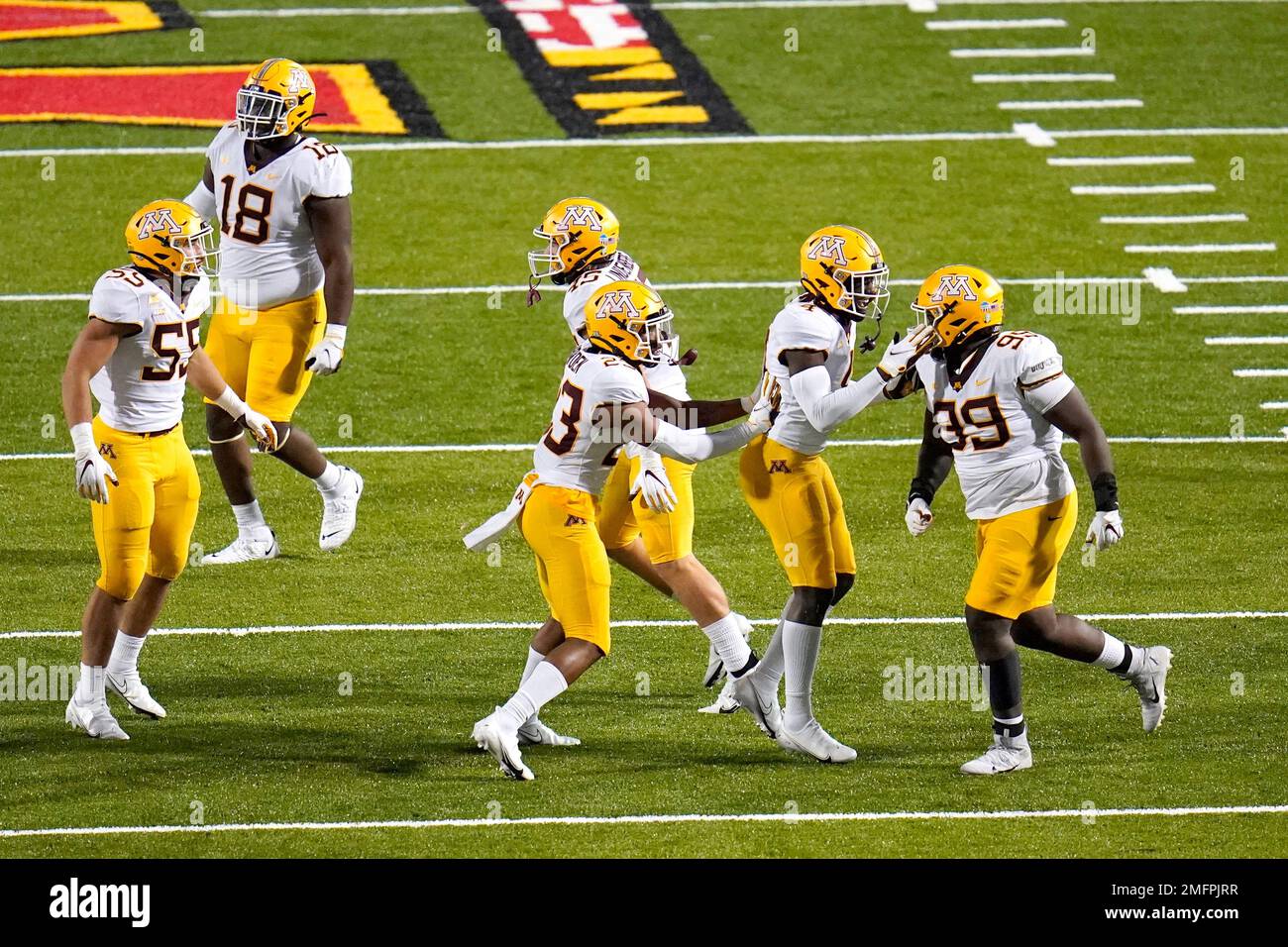
DeAngelo Carter’s tenure with the Minnesota Golden Gophers was characterized by remarkable durability and consistency. Spanning five seasons, including the 2020 pandemic-shortened year, Carter became a pillar of the Gophers' defensive front. His career moves within the program saw him evolve from a rotational depth piece to a multi-year starter and a vocal leader in the locker room.
Defensive Role and Statistical Impact
At Minnesota, Carter primarily occupied the nose tackle and 3-technique positions. His primary responsibility was often unselfish: occupying two blockers to allow linebackers to flow freely to the ball carrier. Despite this "dirty work" role, his statistical output was noteworthy for an interior lineman:
- Consistency: He appeared in over 50 games for the Gophers.
- Disruption: He recorded over 100 total tackles and 10+ tackles for loss during his time in Minneapolis.
- Leadership: Being named a team captain underscored his importance to the program’s culture under the "Row The Boat" philosophy.
The decision to stay at Minnesota for five years allowed Carter to graduate and build a resume of film against some of the best offensive lines in the country, including those of Michigan, Ohio State, and Wisconsin. However, by the end of the 2023 season, Carter faced a pivotal choice regarding his final year of NCAA eligibility.
The Strategic Transfer to Maryland (2024)
In early 2024, DeAngelo Carter entered the NCAA transfer portal as a graduate student. This move was not a reflection of dissatisfaction at Minnesota but rather a calculated effort to diversify his skill set and experience a different defensive system. His commitment to the Maryland Terrapins under coach Mike Locksley represented a shift toward a more aggressive, varied defensive front.
Reasons for the Move
- System Variation: Maryland’s defensive coordinator utilized schemes that allowed interior linemen more opportunities to penetrate and pass-rush, rather than just holding gaps.
- Visibility: Moving to the East Coast and playing in the Big Ten’s highly competitive division provided fresh eyes on his performance from NFL scouts who frequent the DMV (DC, Maryland, Virginia) area.
- Graduate Studies: As a graduate transfer, Carter was able to pursue advanced academic credentials while refining his professional draft stock.
During the 2024 season at Maryland, Carter provided a veteran presence to a young defensive unit. His ability to diagnose plays pre-snap and his veteran "heavy hands" made him an immediate starter. This move successfully demonstrated that his talent was portable—he could learn a new playbook and command a new locker room in a matter of months, a trait highly valued by professional organizations.
Technical Breakdown: Carter’s Skill Set and Physical Profile
To understand Carter’s career moves, one must analyze the technical attributes he brings to the defensive line. At approximately 6'2" and 300 pounds, he possesses the prototypical build of a "plug" defender, but his game is more nuanced than his dimensions suggest.
Leverage and Hand Fighting
Carter’s lower center of gravity gives him a natural advantage in the leverage battle. In the Big Ten, where offensive guards are often 6'5" or taller, Carter’s ability to "get under the pads" of his opponent allowed him to win the point of attack. His hand placement is consistently inside, allowing him to control the blocker’s chest plate and shed blocks effectively when the ball carrier enters his radius.
Gap Discipline
A major factor in his longevity and recruitment out of the portal was his elite gap discipline. Whether playing a "0-technique" (head-up on the center) or a "1-technique" (on the shoulder of the center), Carter rarely washes out of his assigned gap. This reliability is what allowed Minnesota, and later Maryland, to run aggressive blitz packages behind him, trusting that the middle of the defense remained secure.
Professional Transition and Current Status (2025–2026)
As of 2026, DeAngelo Carter has transitioned from the collegiate ranks to the professional sphere. Following the conclusion of his 2024 season at Maryland, Carter participated in the 2025 draft cycle.
The 2025 NFL Draft Cycle
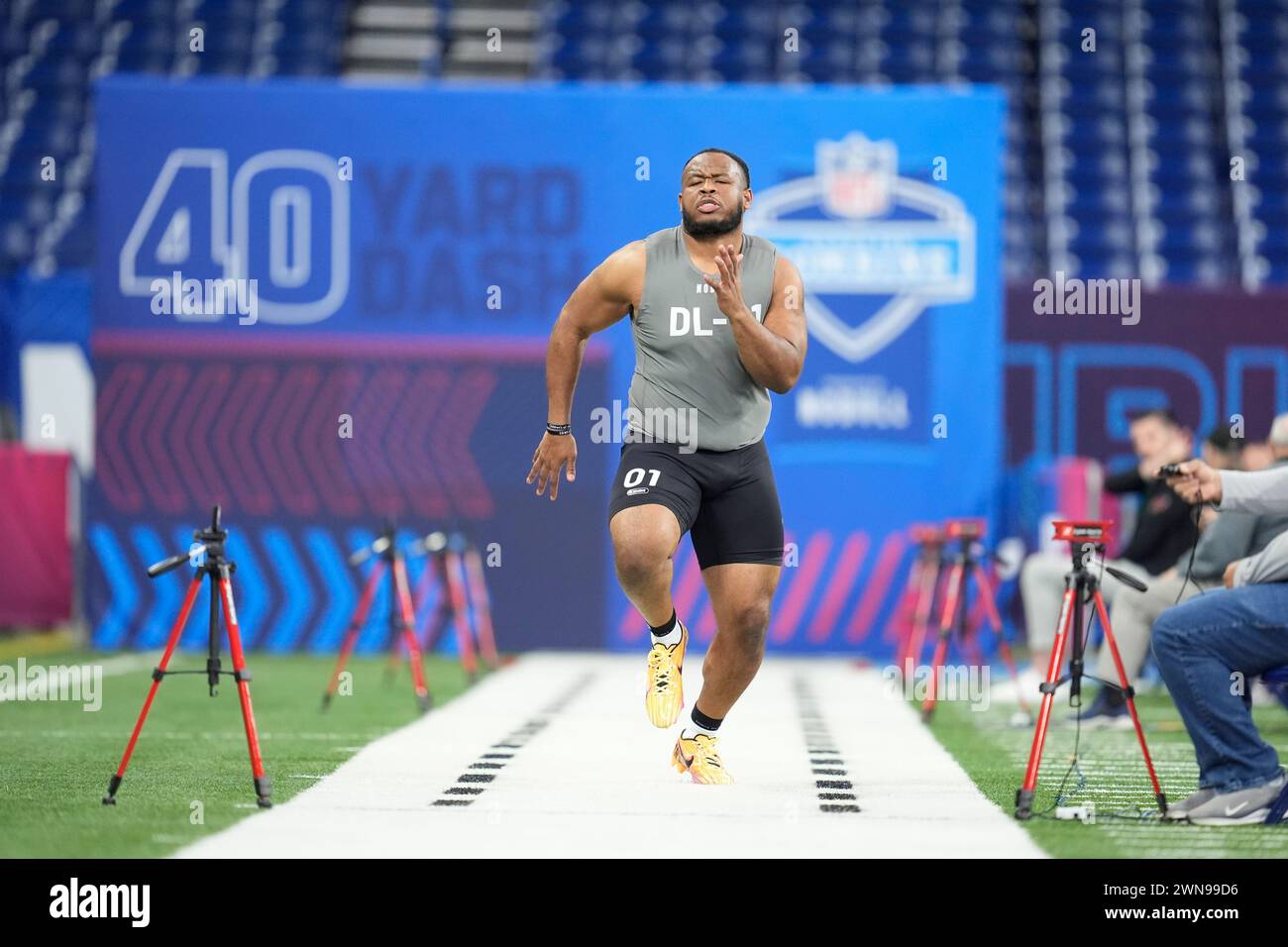
Carter’s path to the pros involved the standard battery of evaluations:
- The Pro Day Circuit: Carter posted impressive bench press numbers, confirming his functional strength. His short-shuttle times also indicated the lateral agility necessary to shadow elusive quarterbacks in the modern game.
- Draft Status: While not a "blue-chip" first-round prospect, Carter’s value was seen in his high floor. He was evaluated as a high-priority free agent or late-round pick, valued for his special teams potential and rotational reliability on early downs.
2026 Professional Outlook
In 2026, Carter’s career moves have been focused on roster retention and specialized role development. In the professional ranks, he has been utilized as a "run-stuffing specialist." His journey reflects the reality for many interior defensive linemen: the work is often unglamorous, but the demand for players who can neutralize the run remains high in a league that has seen a resurgence in heavy-personnel offensive packages.
| Career Phase | Institution/Level | Key Role/Achievement |
|---|---|---|
| 2015–2018 | Lowndes High School | 3-Star Recruit; All-State Selection |
| 2019–2023 | University of Minnesota | 5-Year Letterman; Team Captain; Academic All-Big Ten |
| 2024 | University of Maryland | Graduate Transfer; Interior Anchor; New System Integration |
| 2025 | NFL Draft/Free Agency | Professional Entry; Scouting Combine/Pro Day Participant |
| 2026 | Professional Ranks | Active Roster/Practice Squad Development; Run Specialist |
Frequently Asked Questions
Why did DeAngelo Carter transfer from Minnesota after five years?
Carter transferred to Maryland as a graduate student to gain experience in a different defensive scheme and to showcase his versatility to professional scouts. Having spent five years at Minnesota, he had already achieved his degree and established himself as a leader, and the move allowed him to prove he could adapt to a new environment and defensive philosophy.
What are DeAngelo Carter’s primary strengths as a defensive lineman?
His primary strengths include exceptional functional strength, elite gap discipline, and a low center of gravity that provides a leverage advantage. He is particularly effective at "eating" double teams, which frees up linebackers to make tackles, and he possesses the veteran IQ to diagnose offensive line shifts and blocking schemes.
Did DeAngelo Carter play in the NFL in 2025?
Following his 2024 season at Maryland, Carter entered the professional ranks. Like many interior defensive linemen with his profile, he engaged in the 2025 NFL Draft process. His 2025 season involved competing for a roster spot during training camp and proving his value as a rotational run-stopper.
How did the extra year of eligibility impact Carter's career?
The "COVID year" (2020) and the graduate transfer rule allowed Carter to play six total seasons of college football. This extended timeframe was crucial for his development, as it allowed him to accumulate over 50 games of high-level film, making him one of the most experienced defensive line prospects in his class by the time he reached the 2025 draft.
What position does DeAngelo Carter play in a 3-4 defense vs. a 4-3 defense?
In a traditional 4-3 defense, Carter typically plays the 1-technique or nose tackle. In a 3-4 defense, his size and strength make him an ideal candidate for the 0-technique (nose tackle), where he is responsible for the two "A-gaps" on either side of the center.
Summary of Career Impact
The career moves of DeAngelo Carter serve as a blueprint for the modern student-athlete. By staying loyal to Minnesota for five years, he built a foundation of trust and leadership. By choosing to transfer to Maryland for his final season, he demonstrated the ambition and adaptability required to succeed at the professional level. As of 2026, his journey continues to be defined by the same grit and technical proficiency that first made him a standout in the Georgia high school ranks. For fans and scouts alike, Carter remains a prime example of the "blue-collar" interior defender whose impact on the game is measured not just in sacks, but in the efficiency and stability of the entire defensive unit.
Image Gallery