What It Means if a Solution Is Isotonic: Science, Applications, and Cellular Impact
An isotonic solution is a fluid that possesses the same concentration of non-penetrating solutes as the fluid inside a living cell, such as a red blood cell. Because the osmotic pressure is equalized between the interior and exterior e...
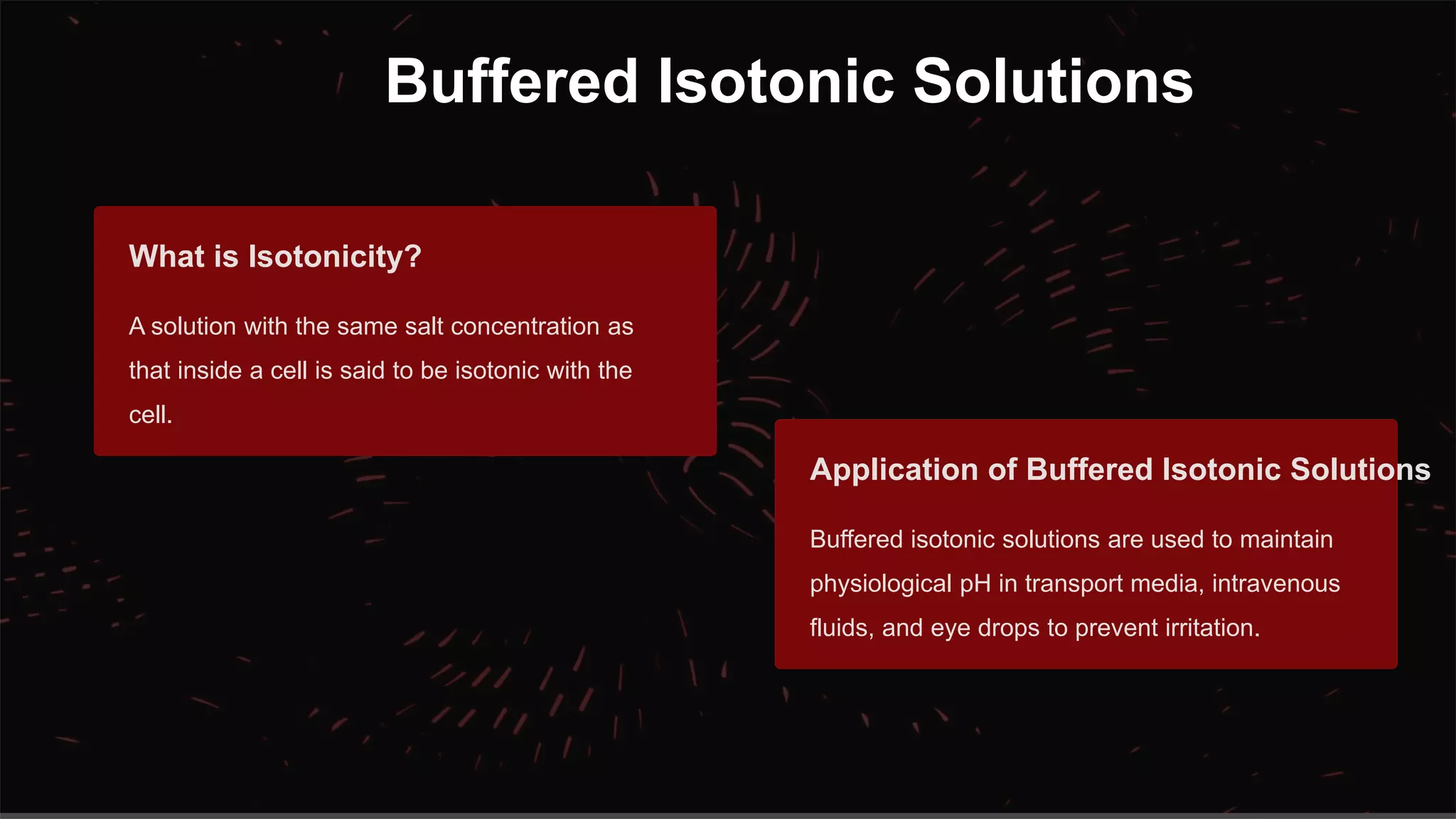
An isotonic solution is a fluid that possesses the same concentration of non-penetrating solutes as the fluid inside a living cell, such as a red blood cell. Because the osmotic pressure is equalized between the interior and exterior environments, there is no net movement of water into or out of the cell, allowing it to maintain its structural integrity and normal volume.
Contents
In the fields of biology, medicine, and chemistry, understanding what it means if a solution is isotonic is fundamental to preserving life at the cellular level. Whether a clinician is administering intravenous (IV) fluids or an athlete is choosing a hydration drink, the concept of tonicity dictates how water will distribute itself across biological membranes. To understand isotonicity, one must first grasp the broader concept of tonicity and its relationship with osmosis.
The Mechanism of Osmosis and Tonicity
To comprehend isotonic solutions, we must look at the physical process of osmosis. Osmosis is the spontaneous net movement of solvent molecules (usually water) through a selectively permeable membrane into a region of higher solute concentration. The goal of this movement is to equalize the solute concentrations on both sides of the membrane.
Tonicity is a measure of the effective osmotic pressure gradient. Unlike osmolarity, which accounts for the total concentration of all solutes in a solution, tonicity only considers solutes that cannot cross the semi-permeable membrane. These are known as "non-penetrating" solutes. If a solute can freely pass through the membrane, it will eventually reach equilibrium on its own and will not drive the movement of water. Therefore, a solution’s tonicity is what truly determines whether a cell will shrink, swell, or remain stable.
The Dynamics of Isotonicity
When a solution is labeled isotonic (derived from the Greek "isos" meaning equal and "tonos" meaning tension), it implies a state of physical equilibrium. In an isotonic environment:
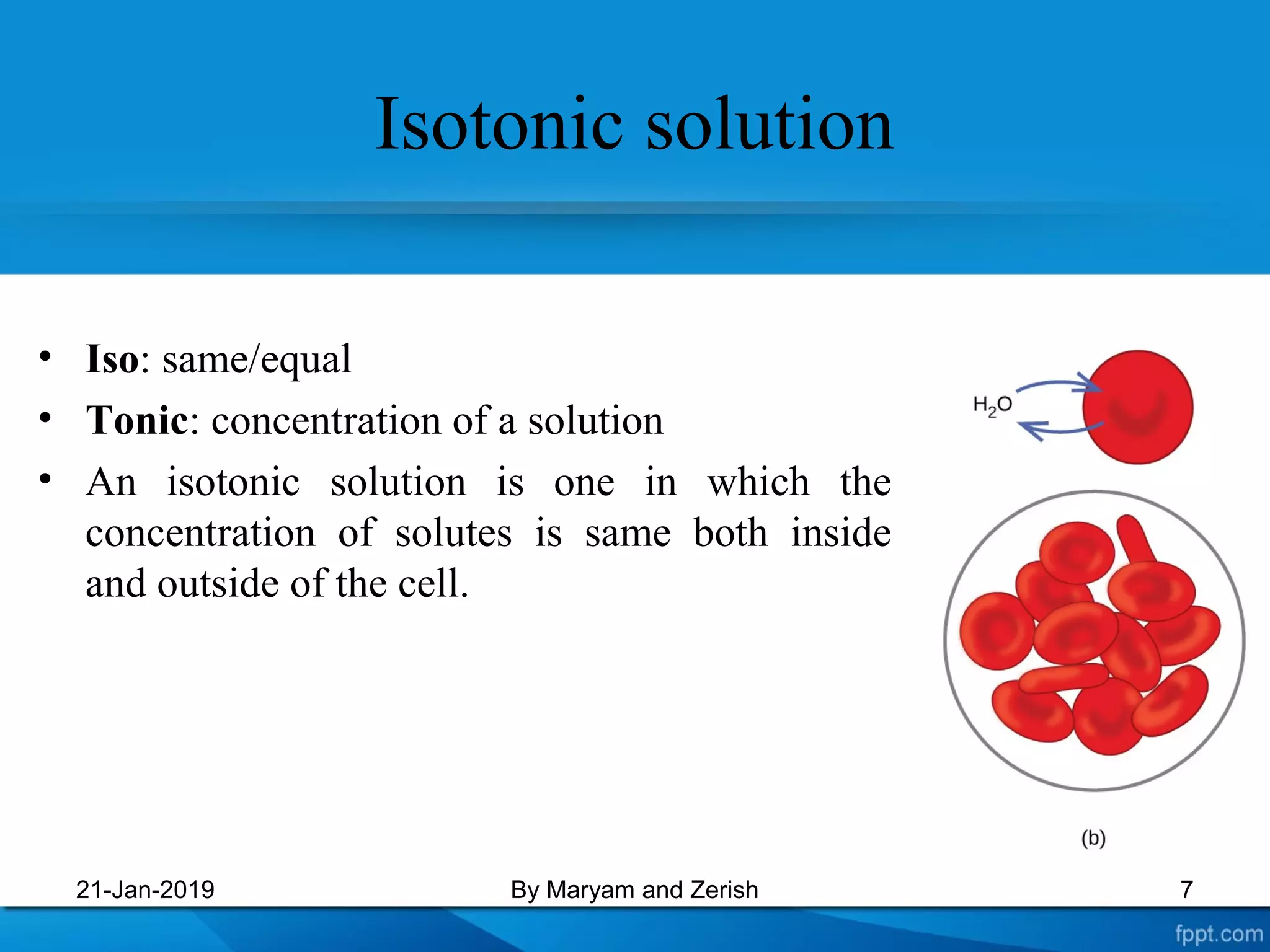
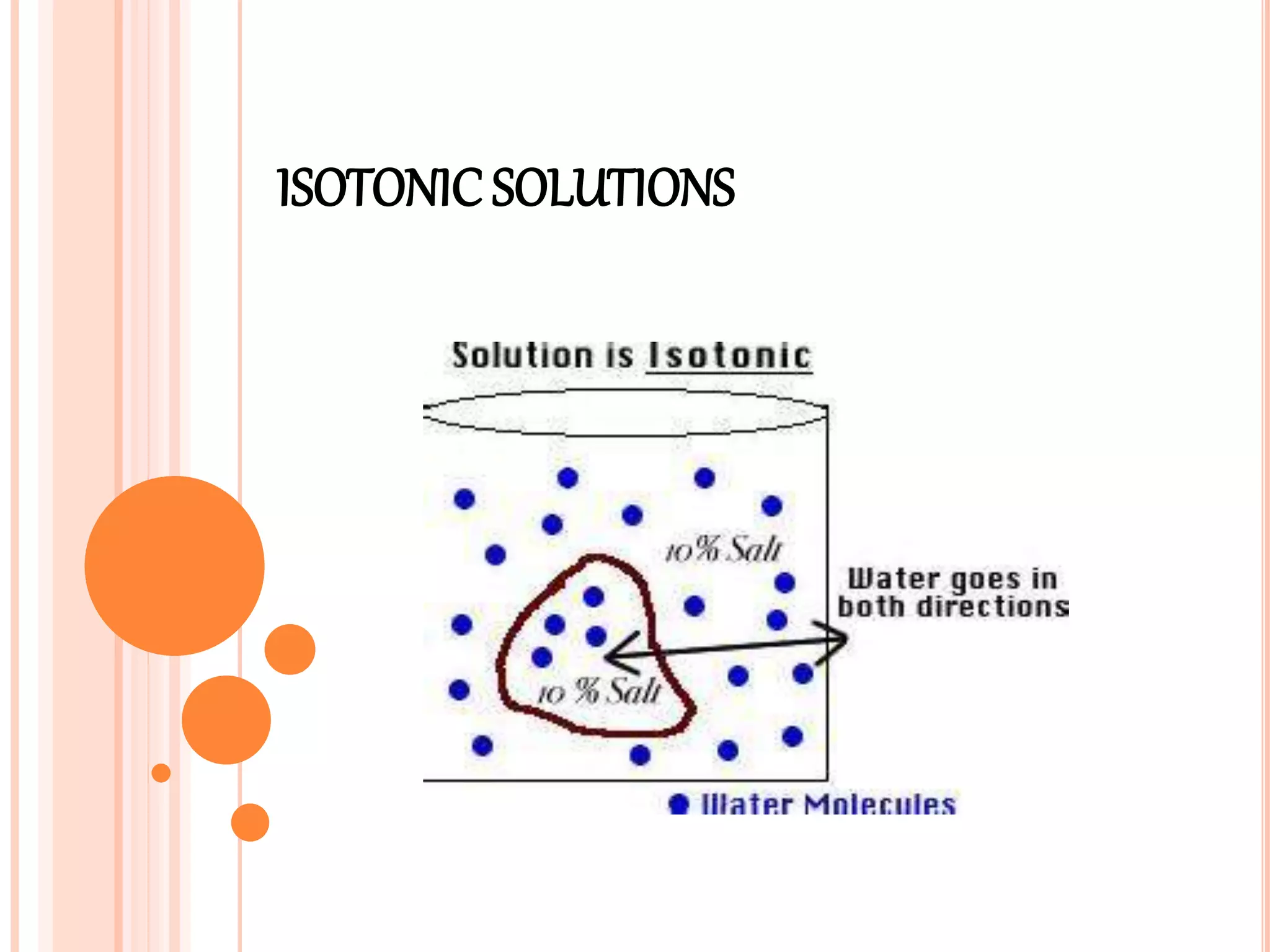
- The concentration of solutes outside the cell equals the concentration of solutes inside the cell.
- The water potential of the external solution is equal to the water potential of the cytoplasm.
- While water molecules continue to move across the cell membrane via aquaporins (specialized protein channels), the rate of influx is exactly equal to the rate of efflux.
This "dynamic equilibrium" is the hallmark of isotonicity. It ensures that the cell membrane is not subjected to excessive internal pressure (which could cause it to burst) or a lack of internal pressure (which would cause it to collapse).
Comparing Isotonic, Hypotonic, and Hypertonic Solutions
To fully appreciate the stability of an isotonic state, it is helpful to contrast it with the two other states of tonicity. These states are defined by how the external environment compares to the internal environment of a cell.
Hypotonic Solutions
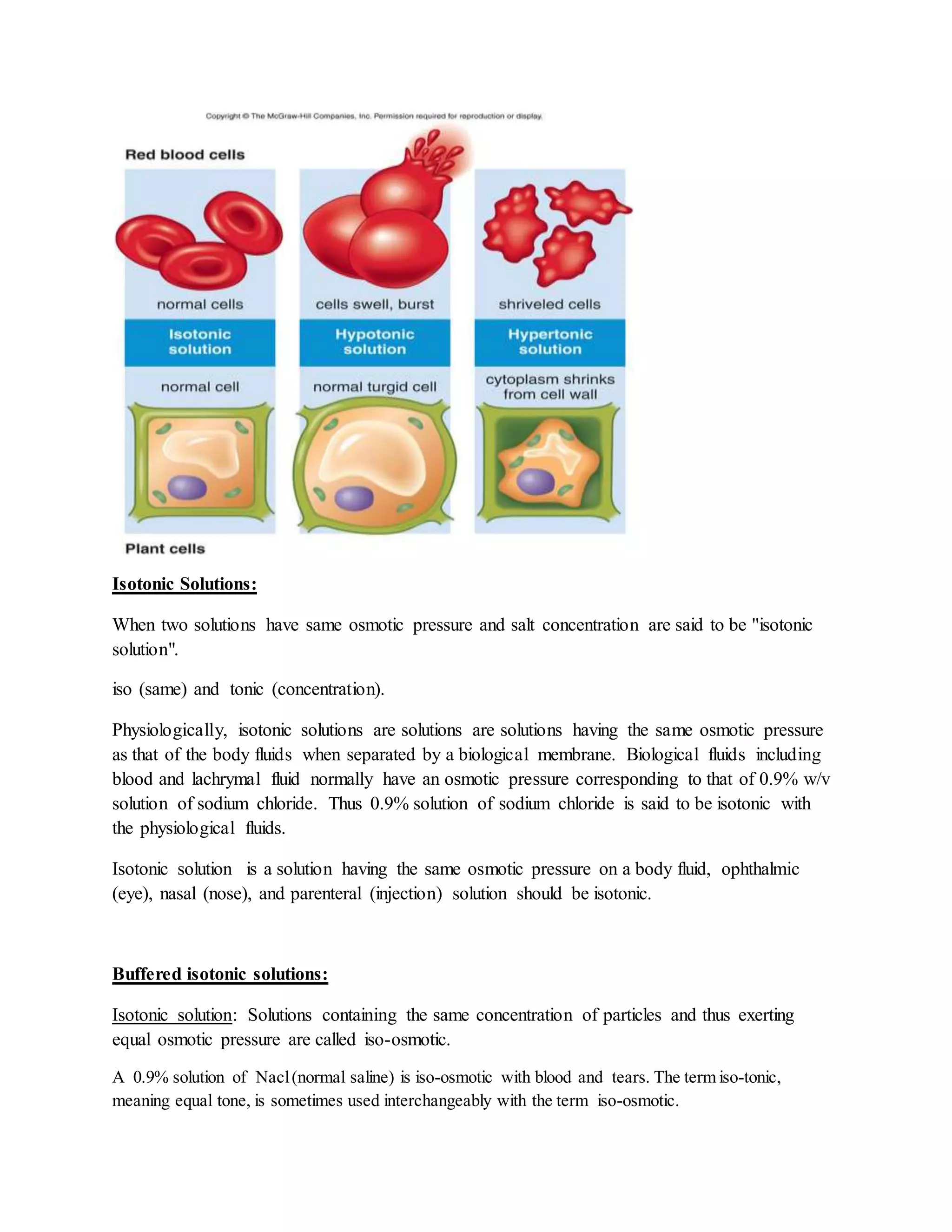
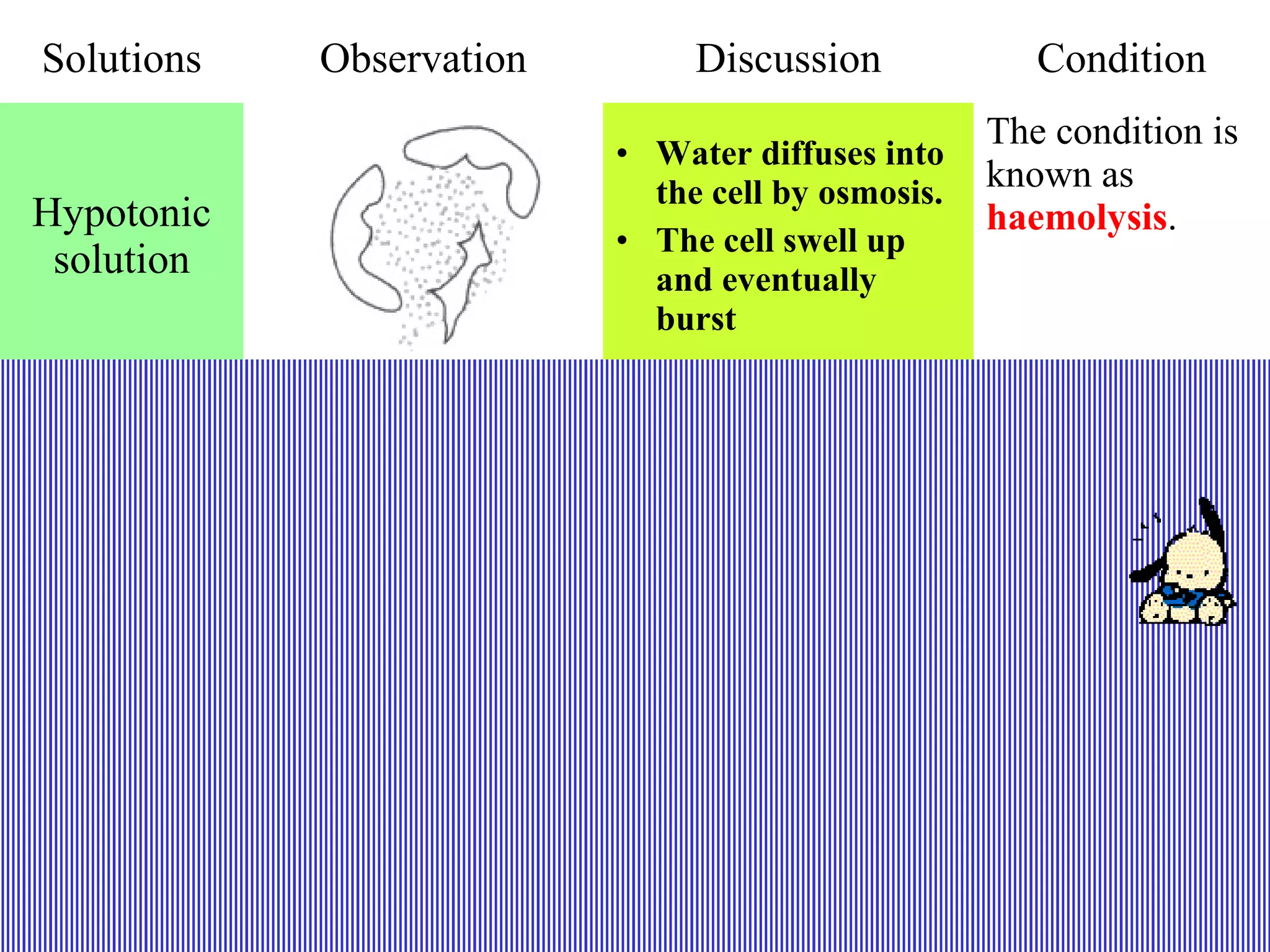
In a hypotonic solution, the external environment has a lower concentration of solutes than the inside of the cell. Following the laws of osmosis, water rushes into the cell to dilute the internal solutes. In animal cells, which lack a rigid cell wall, this often leads to cytolysis—the swelling and eventual bursting of the cell. In plant cells, this creates turgor pressure, which is actually beneficial for maintaining the plant's upright structure.
Hypertonic Solutions
Conversely, a hypertonic solution has a higher concentration of solutes than the cell’s interior. This causes water to leave the cell and move into the surrounding fluid. The result is crenation in animal cells (shriveling) or plasmolysis in plant cells, where the plasma membrane pulls away from the cell wall. Both processes can lead to cell death if the imbalance is not corrected.
Isotonic Solutions
The isotonic state represents the "Goldilocks" zone. For a human red blood cell, the standard isotonic environment is equivalent to a 0.9% concentration of sodium chloride (NaCl). In this state, the cell maintains its iconic biconcave disc shape, which is optimized for oxygen transport.
| Feature | Isotonic Solution | Hypotonic Solution | Hypertonic Solution |
|---|---|---|---|
| Solute Concentration | Equal to cell interior | Lower than cell interior | Higher than cell interior |
| Net Water Movement | None (Zero net flux) | Into the cell | Out of the cell |
| Effect on Animal Cell | Normal/Stable shape | Swells and may burst (Lysis) | Shrivels (Crenation) |
| Effect on Plant Cell | Flaccid | Turgid (Normal state) | Plasmolyzed |
| Common Example | 0.9% Normal Saline | Distilled water | Seawater / 5% Dextrose |
Clinical Applications of Isotonic Solutions
In medical settings as of 2026, the use of isotonic solutions is a daily necessity for patient stabilization, hydration, and drug delivery. When fluids are introduced directly into the bloodstream, they must be isotonic to the blood plasma to prevent catastrophic damage to blood cells.
0.9% Sodium Chloride (Normal Saline)
Often referred to simply as "Normal Saline," this is the most common isotonic IV fluid. It contains 9 grams of salt per liter of water. It is primarily used for extracellular fluid replacement, such as in cases of dehydration, hypovolemia (low blood volume), or hemorrhage. Because it is isotonic, it stays within the intravascular compartment longer than hypotonic fluids would, effectively boosting blood pressure.
Lactated Ringer’s (LR)
Lactated Ringer’s is another isotonic crystalloid solution, but its composition is more complex than simple saline. It contains sodium, chloride, potassium, calcium, and lactate. It is often preferred in surgery or for burn victims because its electrolyte balance more closely mimics the natural composition of human plasma. The lactate is metabolized by the liver into bicarbonate, which can also help correct metabolic acidosis.
5% Dextrose in Water (D5W) - The Unique Case
D5W is an interesting example of how tonicity can change. When it is in the IV bag, D5W is technically isotonic. However, once it enters the body, the cells quickly metabolize the dextrose (sugar). Once the sugar is gone, only the water remains, making the remaining solution effectively hypotonic. This is why D5W is rarely used for volume resuscitation but is used to provide free water to the kidneys or to treat hypernatremia (high sodium levels).
Isotonicity in Sports Science and Nutrition
The concept of an isotonic solution extends beyond the hospital and into the gym or the marathon track. Sports drinks are frequently categorized by their tonicity to help athletes choose the right fuel for their specific needs.
An isotonic sports drink typically contains a carbohydrate concentration of 6% to 8%. This concentration is designed to match the osmolarity of human blood. The primary benefit of an isotonic sports drink is the speed at which it can be absorbed. Because it matches the body’s internal pressure, it passes through the stomach and into the small intestine quickly, providing a rapid supply of both energy (sugar) and electrolytes (salts).
For high-intensity endurance athletes, isotonic drinks are often the preferred choice because they provide a balance between rehydration and fuel. If a drink were too hypertonic (too much sugar), it would actually pull water out of the body and into the gut to dilute the sugar, potentially causing cramping or further dehydration.
Technical Considerations: Tonicity vs. Osmolarity
A common point of confusion in biochemistry is the difference between osmolarity and tonicity. While they are related, they are not interchangeable, and mistaking one for the other can have clinical consequences.
- Osmolarity is a physical property of a solution, measured in osmoles per liter (Osm/L). It counts every single particle dissolved in the liquid.
- Tonicity is a biological property that describes how a solution affects a specific cell.
For example, a solution of urea might be iso-osmotic to a cell (meaning it has the same number of total particles), but because urea can easily penetrate the cell membrane, it will not exert osmotic pressure. Water will follow the urea into the cell, making the solution hypotonic in practice. This is why medical professionals focus on tonicity—it describes the actual behavior of the fluid in the living system.
Practical Implications for Laboratory Work
In laboratory environments, maintaining an isotonic medium is critical when working with live tissues or cell cultures. If a researcher places a tissue sample in pure water, the cells will rupture within minutes, ruining the experiment.
Most labs use Phosphate-Buffered Saline (PBS), a water-based salt solution containing disodium hydrogen phosphate, sodium chloride, and, in some formulations, potassium chloride and potassium dihydrogen phosphate. PBS is meticulously balanced to be isotonic and to maintain a stable pH, providing an environment that mimics the natural conditions of the human body.
Frequently Asked Questions
Is 5% Dextrose considered isotonic?
In the bag, 5% Dextrose (D5W) is iso-osmotic and acts as an isotonic solution. However, once infused, the body rapidly metabolizes the glucose. This leaves behind free water, which is hypotonic. Therefore, it is often classified as "physiologically hypotonic" despite its initial state.
Why can’t we drink seawater for hydration?
Seawater is highly hypertonic compared to human cells, containing roughly 3.5% salt, whereas our blood is roughly 0.9%. When you drink seawater, the high salt concentration in your gut pulls water out of your cells and into your intestines to balance the concentration, leading to severe dehydration and organ failure.
Are all sports drinks isotonic?
No. Some sports drinks are hypotonic (low sugar/electrolyte for rapid water absorption without many calories), while others are hypertonic (high carbohydrate for maximum energy delivery, usually consumed alongside water). Always check the label for the intended use of the beverage.
What happens to a plant in an isotonic solution?
While an isotonic solution is perfect for animal cells, it makes plant cells "flaccid." Plants prefer a hypotonic environment because the resulting water influx creates turgor pressure, which pushes the cell membrane against the rigid cell wall, keeping the plant upright and preventing wilting.
Can an isotonic solution become hypertonic?
Yes, through evaporation or the addition of solutes. For example, if an isotonic saline solution is left open and the water evaporates, the salt concentration increases, eventually making the solution hypertonic.
Summary of Actionable Advice
Understanding what it means if a solution is isotonic is vital for health and safety. If you are managing your own hydration during intense physical activity in 2026, look for beverages specifically labeled as "isotonic" if you need a balance of fluid and energy. In a medical context, if you are a caregiver or student, remember that isotonic fluids like 0.9% NaCl are the standard for volume replacement because they stabilize the intravascular space without causing cellular damage. Always ensure that any solution entering a biological system is checked for its tonicity relative to that specific system to avoid unintended cellular stress or death.
Image Gallery