Why Natural Debridement Works for Most Wounds: The Science of Autolysis
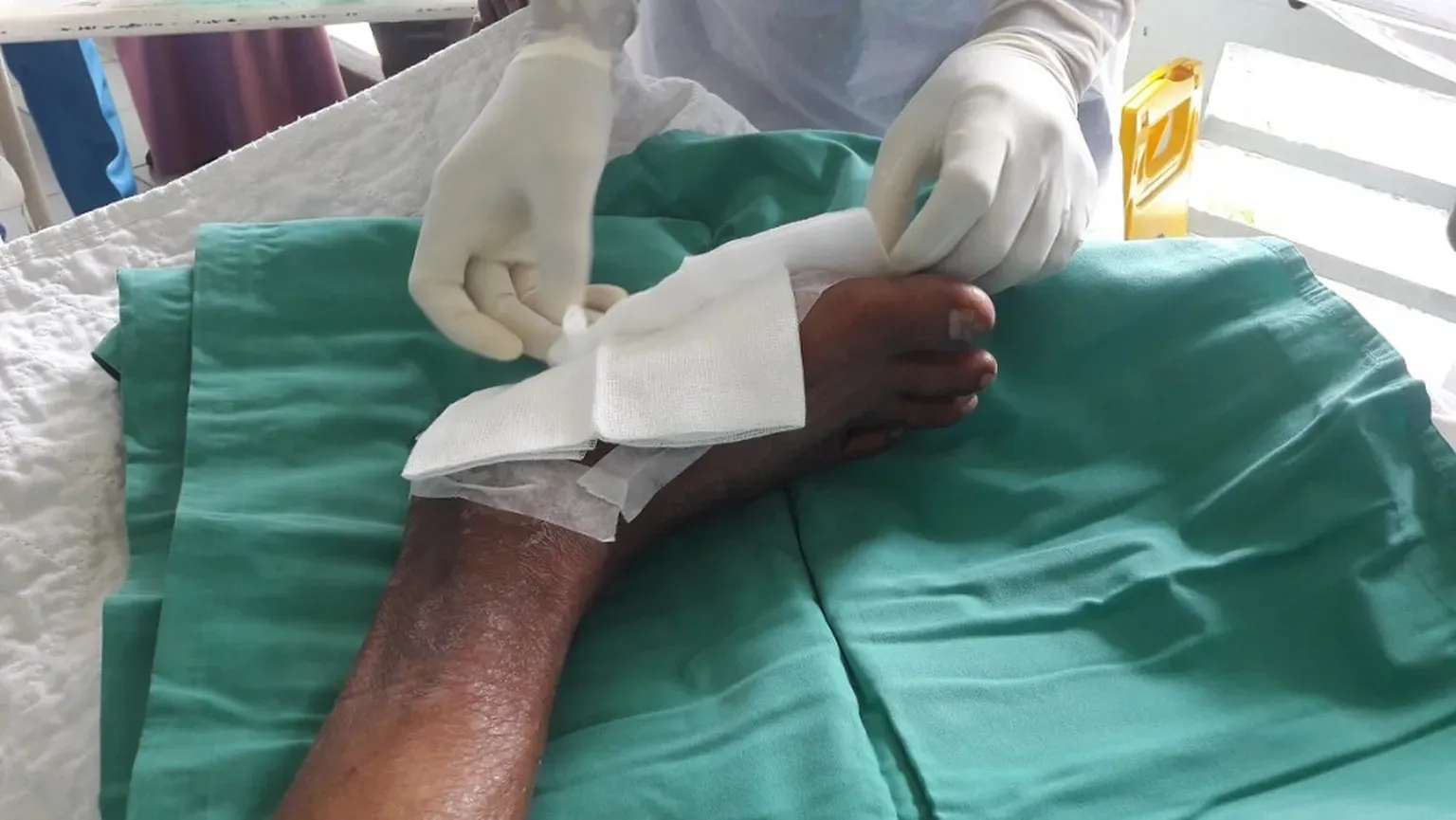
Natural debridement, technically known as autolytic debridement, works by utilizing the body’s endogenous enzymes and moisture to liquefy non-viable tissue. By maintaining a moist environment with specialized dressings, the body select...
Natural debridement, technically known as autolytic debridement, works by utilizing the body’s endogenous enzymes and moisture to liquefy non-viable tissue. By maintaining a moist environment with specialized dressings, the body selectively breaks down necrotic debris while sparing healthy tissue, making it a safe, painless, and highly effective option for most chronic and acute wounds.
Contents
The Biological Mechanism of Autolytic Debridement
Autolytic debridement is not merely a passive process of "letting the wound heal"; it is a sophisticated biological sequence driven by the body's immune response. When a wound occurs, the body naturally attempts to clear away dead (necrotic) tissue to pave the way for granulation and epithelialization. This process is primarily mediated by two components: phagocytic cells and endogenous proteolytic enzymes.
Macrophages and neutrophils are the "workhorses" of this process. In a moist environment, these white blood cells migrate to the wound site to ingest bacteria and cellular debris. Simultaneously, the body releases specific enzymes known as matrix metalloproteinases (MMPs), including collagenase and elastase. These enzymes are designed to target and break down the chemical bonds in devitalized tissue, such as slough and eschar, effectively turning solid necrotic material into a semi-liquid state that can be easily washed away during dressing changes.
The critical requirement for this biological machinery is moisture. Enzymes are proteins that require a fluid medium to remain active and mobile. If a wound is allowed to dry out, a hard "scab" or eschar forms, which physically traps the enzymes and prevents them from reaching the interface between living and dead tissue. By using moisture-retentive dressings, clinicians maintain the "wound liquor"—a fluid rich in growth factors and enzymes—that facilitates this natural cleanup.
Why Natural Debridement is the Preferred Choice for Most Wounds
As of 2026, clinical guidelines continue to favor autolytic debridement as the primary first-line intervention for non-infected wounds. The reason for this preference lies in its high degree of selectivity. Unlike mechanical debridement (such as wet-to-dry gauze) or surgical debridement, which can inadvertently damage healthy "bystander" tissue, autolysis only targets dead matter.
Pain Management and Patient Comfort
One of the most significant advantages of natural debridement is that it is virtually painless. Surgical or sharp debridement often requires local anesthesia and can cause significant distress to patients, particularly those with sensitive diabetic foot ulcers or venous leg ulcers. Autolytic debridement occurs slowly and subtly, making it the ideal choice for patients in home care settings or long-term care facilities where aggressive surgical intervention may not be feasible or desired.
Ease of Implementation
Autolysis does not require the specialized surgical skills of a vascular surgeon or a wound care specialist. While professional assessment is necessary to choose the correct dressing, the ongoing maintenance can often be managed by general nursing staff or trained caregivers. This accessibility ensures that wound beds are kept clean consistently, rather than waiting for sporadic surgical appointments.
Cost-Effectiveness over Time
While the individual dressings used for autolysis (like hydrocolloids or hydrogels) may be more expensive than basic gauze, the total cost of care is often lower. Autolytic debridement requires fewer dressing changes—sometimes only every three to seven days—reducing labor costs and the consumption of clinical supplies. Furthermore, by avoiding the operating room, the healthcare system saves significantly on facility fees and anesthesia costs.
Technical Comparison of Debridement Methods
To understand why autolysis is the baseline for most wound care protocols, it is helpful to compare it against other standard methods currently utilized in clinical practice.
| Method | Speed | Selectivity | Pain Level | Best Use Case |
|---|---|---|---|---|
| Autolytic (Natural) | Slow | Very High | Low/None | Most chronic wounds; patients with low pain tolerance. |
| Enzymatic | Moderate | High | Low | Large areas of slough; used when autolysis is too slow. |
| Mechanical | Variable | Low | Moderate to High | Non-selective removal of debris; decreasing in popularity. |
| Surgical/Sharp | Very Fast | High (in skilled hands) | High | Infected wounds; extensive necrotic tissue; emergencies. |
| Biological (Larval) | Fast | Very High | Moderate (crawling sensation) | Resistant infections (MRSA); deep, non-healing crevices. |
The Role of Advanced Dressings in 2026
Natural debridement cannot happen effectively in the open air. The advancement of polymer science has provided clinicians with a suite of dressings that optimize the "moisture balance" required for autolysis. Choosing the right dressing depends on the amount of exudate (fluid) the wound is producing.
- Hydrogels: These are composed largely of water or glycerin. They are used for dry wounds with hard eschar. By donating moisture to the wound, they soften the dead tissue, allowing the body's enzymes to begin the liquefaction process.
- Hydrocolloids: These dressings are occlusive and contain gel-forming agents. They are excellent for wounds with light to moderate drainage. They trap the body's natural fluids against the wound bed, creating a "micro-environment" that accelerates enzymatic activity.
- Transparent Films: These are thin, adhesive sheets that are waterproof but permeable to water vapor and oxygen. They are typically used on superficial wounds with minimal drainage to keep the wound moist and protected from external bacteria.
- Alginates and Hydrofibers: While primarily used for heavy drainage, these can support autolytic debridement by turning into a gel upon contact with wound fluid, keeping the wound bed moist while preventing the surrounding skin from becoming waterlogged (macerated).
According to the World Union of Wound Healing Societies (WUWHS), the selection of a dressing should be reassessed at every change to ensure it still matches the wound's moisture needs.
When Natural Debridement is Not Enough
Despite its effectiveness for the majority of wounds, natural debridement is not a universal solution. There are specific clinical scenarios where relying solely on the body’s enzymes is contraindicated or insufficient.
The Risk of Infection
Autolytic debridement creates a warm, moist, and nutrient-rich environment. While this is perfect for enzymes, it is also an ideal breeding ground for bacteria. If a wound shows signs of clinical infection—such as increased redness, warmth, foul odor, or purulent discharge—autolysis should be paused or supplemented with antimicrobial dressings. In cases of advancing cellulitis or sepsis, surgical debridement is mandatory to remove the source of infection immediately.
Dry Gangrene and Ischemia
In patients with severe peripheral arterial disease (PAD), "dry gangrene" may develop on the toes or heels. This tissue is dead and lacks a blood supply. Using moisture-retentive dressings on dry gangrene can "convert" it into wet gangrene, which is a life-threatening emergency. In these cases, the goal is often to keep the area dry and stable rather than attempting debridement.
Time Sensitivity
Because autolysis is the slowest form of debridement, it may not be appropriate for wounds that are rapidly deteriorating or for patients who require immediate skin grafting. If the necrotic load is so heavy that it would take weeks for the body to clear it, a "top-down" approach starting with surgical debridement followed by autolytic maintenance is often preferred.
The TIME Framework for Wound Bed Preparation
In 2026, the TIME framework remains the gold standard for assessing why and how to use debridement. This systematic approach helps clinicians determine if natural debridement is working:
- T (Tissue): Is the tissue non-viable? If slough or eschar is present, debridement is necessary.
- I (Infection/Inflammation): Is the bacterial load too high for autolysis to be safe?
- M (Moisture Balance): Is the wound too dry (requiring hydrogel) or too wet (requiring alginate)?
- E (Edge of Wound): Is the wound edge migrating? If the edges are "stuck" or rolled (epibole), natural debridement might need to be supplemented with physical stimulation.
Research published in the Journal of Wound Care indicates that wounds managed with a focus on these four pillars achieve significantly faster closure rates than those treated with generic protocols.
Frequently Asked Questions
How long does it take for natural debridement to show results?
Visible changes usually appear within 72 to 96 hours. You may notice the dead tissue becoming softer, turning from black/brown to a yellow/tan color, and eventually becoming stringy or liquid. However, complete debridement of a thick eschar can take several weeks depending on the patient's overall health and the wound's location.
Is the "smell" during dressing changes a sign of infection?
Not necessarily. During autolytic debridement, the liquefaction of necrotic tissue can produce a distinct, sometimes unpleasant odor when the dressing is removed. If the odor disappears after the wound is cleansed with saline, it is likely just the byproduct of the debridement process. If the odor persists after cleaning, it may indicate an infection.
Can natural debridement be done at home?
Yes, provided the wound has been initially evaluated by a healthcare professional. Because the dressings are changed less frequently and the process is non-invasive, it is one of the most common methods for home-based wound care. Patients must be taught to recognize the "red flags" of infection, such as spreading redness or fever.
Why does the wound look "larger" after natural debridement?
It is common for a wound to appear slightly larger after the first few dressing changes. This is because the non-viable tissue that was previously filling the wound cavity has been removed, revealing the true extent of the injury. This is actually a positive sign that the wound bed is being cleared for new growth.
Is natural debridement safe for diabetic foot ulcers?
Yes, it is often preferred for diabetic ulcers because these patients frequently have poor circulation and a higher risk of complications from invasive surgery. However, because diabetic patients are more prone to "silent" infections, they require closer monitoring by a podiatrist or wound specialist.
Practical Recommendations for Effective Healing
To ensure that natural debridement works effectively, focus on the environment rather than the wound itself. First, ensure the patient is well-hydrated and consuming adequate protein; the enzymes and white blood cells required for autolysis are proteins that the body must synthesize. Second, never use harsh cleansers like hydrogen peroxide or povidone-iodine unless specifically directed, as these can kill the very macrophages and enzymes responsible for natural debridement.
Finally, consistency is key. Avoid the temptation to "pick" at the softening tissue. Let the dressings and the body's natural chemistry do the work. If progress stalls for more than two weeks, consult a wound care specialist to determine if a transition to enzymatic or biological debridement is necessary to "jump-start" the healing process.
Image Gallery