The World's Most Expensive Omakase: The Pinnacle of Luxury Sushi in 2026
As of 2026, the most expensive omakase experience is widely recognized as Masa in New York City, where the base price for the "Hinoki" dinner reaches $950 per person before beverages, tax, or gratuity. Other elite establishments, such...
As of 2026, the most expensive omakase experience is widely recognized as Masa in New York City, where the base price for the "Hinoki" dinner reaches $950 per person before beverages, tax, or gratuity. Other elite establishments, such as Sushi Kanesaka in London and Yoshino in New York, consistently command prices between $600 and $800, reflecting the extreme costs of daily seafood airlifts from Japan and master-level craftsmanship.
Contents
Defining the Omakase Experience and Its Premium Costs
The word omakase translates literally to "I leave it to you." In the context of Japanese haute cuisine, it is a meal where the diner abdicates all choice to the chef, who prepares a sequence of dishes based on the finest seasonal ingredients available that morning. While a standard sushi meal may focus on volume, a luxury omakase is an orchestrated performance of technique, timing, and sourcing.
In 2026, the price of high-end omakase has reached new heights due to several compounding factors. The primary driver is the global competition for Toyosu Market's top-tier seafood. The finest O-toro (fatty tuna) and Uni (sea urchin) are sold via competitive auctions in Tokyo; for a restaurant in New York, London, or Dubai to secure these items, they must outbid local Japanese buyers and pay for specialized, temperature-controlled logistics that deliver the product within 24 to 36 hours of harvest.
Furthermore, the physical environment of these restaurants adds to the cost. Most elite omakase bars seat only six to ten guests per service. This extreme scarcity ensures that the chef can provide undivided attention to every piece of sushi, but it also means the restaurant must cover its entire overhead—including prime real estate and a highly trained staff—with a very small number of covers.
The World’s Most Expensive Omakase Destinations
While many restaurants offer expensive tasting menus, only a few have achieved the legendary status required to sustain prices nearing the $1,000 mark. These establishments are characterized by the presence of a "Master" chef (Itamae) whose reputation is built on decades of refinement.
Masa (New York City)
Founded by Chef Masa Takayama, this restaurant remains the benchmark for expensive dining in North America. Located in the Deutsche Bank Center, Masa eschews traditional decor for a minimalist aesthetic centered around a bar carved from a single piece of rare Hinoki wood.
The $950 price tag (in 2026) is a "no-tipping" inclusive price, but it remains the highest barrier to entry in the world of sushi. The menu is known for its luxurious ingredients that push beyond traditional Edo-mae boundaries, often featuring white truffles, A5 Wagyu, and Osetra caviar alongside the highest grade of Bluefin tuna.
Sushi Kanesaka (London)
Located within 45 Park Lane, Sushi Kanesaka is the London outpost of Shinji Kanesaka’s Tokyo empire. In 2026, it remains one of the most expensive dining options in Europe. The restaurant’s insistence on tradition is absolute; even the water used for the rice is often analyzed for mineral content to ensure it matches the profile of Japanese water. The omakase here typically costs around £420 to £500 (approximately $550–$650 USD), focusing on the purity of the fish and the precision of the shari (sushi rice).
Yoshino (New York City)
Chef Tadashi Yoshida’s Yoshino has become a powerhouse in the global sushi scene. Yoshida moved his acclaimed operation from Nagoya to New York, bringing a distinct style that utilizes a "Press Sushi" technique and a heavy emphasis on smoky flavors and precise temperature control. The price point here reflects the chef's individual labor; Yoshida personally prepares almost every piece for the limited number of guests, with menus starting at $600.
Taka (Tokyo/Global)
In Tokyo, while there are many expensive "members-only" clubs, public-facing elite counters like those in the Ginza district often reach prices of 50,000 to 80,000 Yen. However, the true "most expensive" experiences in Japan are often found in private villas or through concierge-only services where a master chef is flown to a private location, a service that can cost upwards of $5,000 for a small group.
The Economics of Sourcing: From Toyosu to the Table
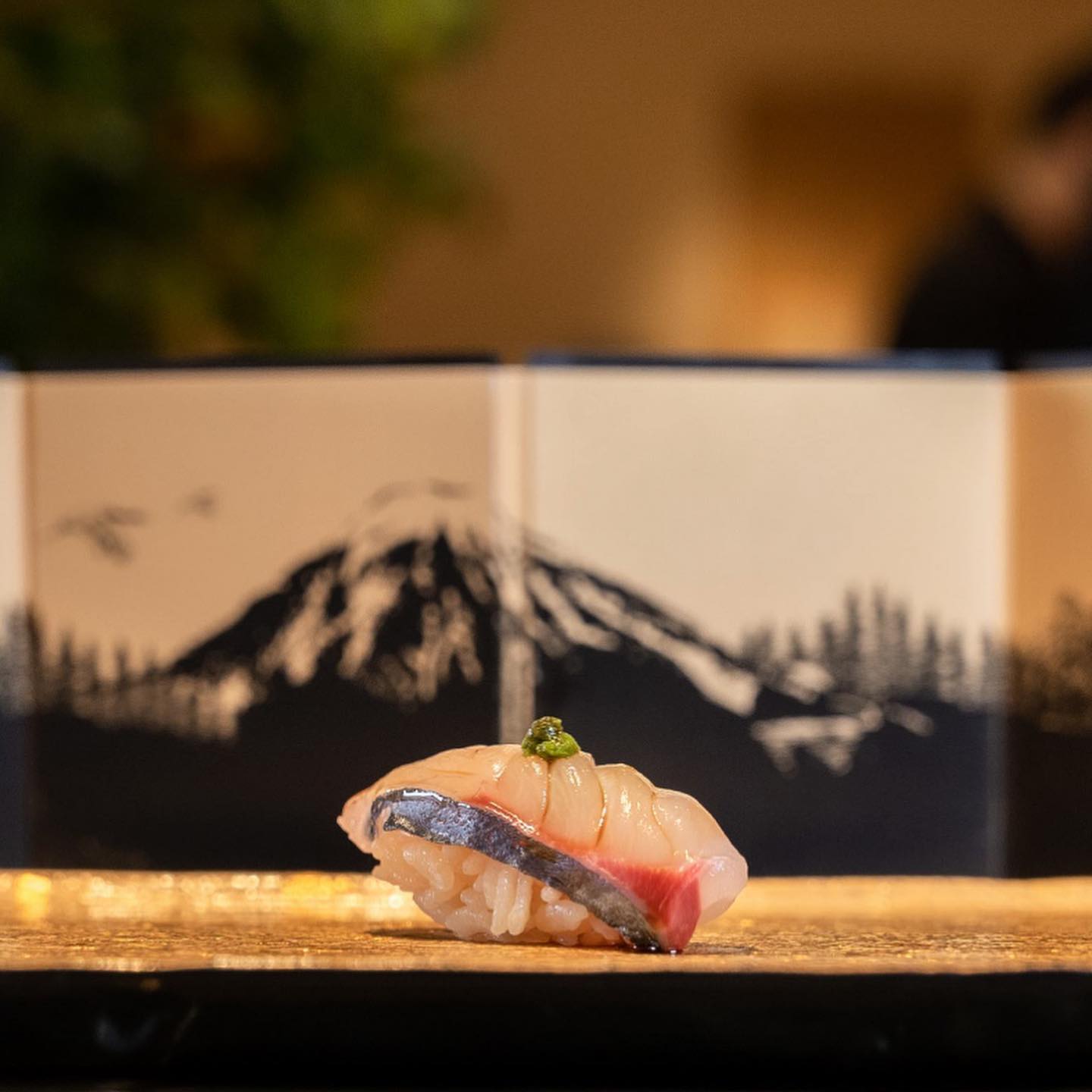
To understand why a single piece of sushi can cost $50 or more, one must look at the supply chain. The high-end sushi market relies on Jukusei, or the art of aging fish. Unlike common sushi where freshness is the only metric, luxury omakase often involves aging tuna or white-fleshed fish for several days or even weeks to concentrate enzymes and enhance umami.
- Hon-Maguro (Bluefin Tuna): The "diamond" of the sushi world. Top-tier chefs only buy wild-caught Bluefin from specific regions, such as Oma in the Aomori Prefecture.
- Uni (Sea Urchin): The highest grades are sold in auctions where a single tray can cost over $1,000. Brands like Hadate and Higashizawa are the most sought after.
- Wasabi: Real Hon-wasabi from Shizuoka or Nagano is grated on sharkskin (orochi) and costs roughly $200 per kilogram. It loses its potency within 15 minutes of being grated, requiring it to be prepared fresh for every piece of sushi.
Comparing Top Omakase Experiences in 2026
The following table compares the current leading establishments based on their 2026 base pricing and primary features.
| Restaurant | Location | Estimated Base Price (2026) | Unique Feature |
|---|---|---|---|
| Masa | New York City | $950 | No-photography policy; Hinoki wood bar. |
| Sushi Kanesaka | London | $650 | Strict Edo-mae style; Japanese water replication. |
| Yoshino | New York City | $600 | Nagoya-style techniques; Chef Yoshida’s direct service. |
| Sushi Sho | Honolulu/Tokyo | $400 - $550 | Specialization in "aged" sushi and local infusions. |
| Sushiyoshi | Hong Kong | $500 | Fusion-style "Creative Omakase" with European influence. |
| Esora | Singapore | $450 | "Kappo-style" omakase focusing on tea pairings. |
How to Secure a Reservation at Elite Sushi Dens
Securing a seat at these restaurants is often as difficult as paying for the meal itself. In 2026, most elite sushi bars use centralized booking platforms like Tock or Resy, releasing seats exactly 30 days or one month in advance at a specific hour.
- Use Credit Card Concierges: Premium cards like the American Express Platinum or Chase Sapphire Reserve often have dedicated lifestyle managers who can bypass public booking queues for their "Global Dining Collection."
- Hotel Concierges: For international travelers, staying at a high-end hotel (like the Aman or Four Seasons) can provide leverage. Top-tier concierges often have personal relationships with restaurant managers.
- Deposit Requirements: Be prepared to pay the full price of the meal as a non-refundable deposit at the time of booking. At Masa or Yoshino, a cancellation within 48-72 hours often results in the forfeiture of the entire amount.
Technical Excellence: What the Extra Cost Buys
The distinction between a $150 omakase and a $700 omakase lies in the "invisible" work. This includes the preparation of the Shari (rice). Master chefs often use a blend of two or three different types of Akazu (red vinegar made from sake lees), which has been aged for up to 10 years. The temperature of the rice is adjusted for each specific fish; for example, the rice for fatty tuna is kept slightly warmer to help the fat melt on the tongue, while the rice for shellfish is kept cooler to maintain its snap.
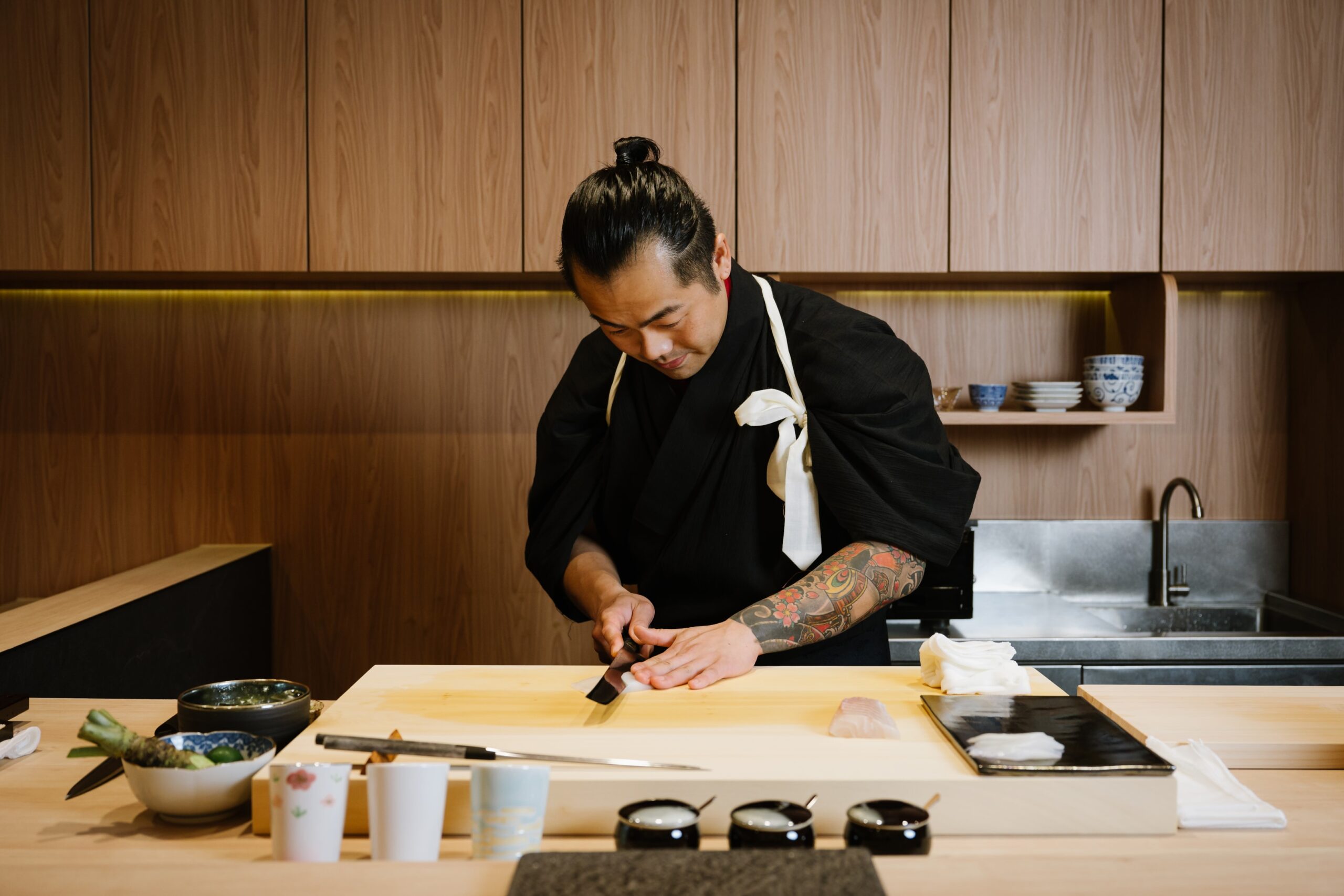
Furthermore, the Itamae’s knife skills—specifically the Kataba (single-bevel) technique—ensure that the cellular structure of the fish is not crushed during the cut. This preserves the texture and prevents the fish from oxidizing too quickly.
FAQs about Expensive Omakase
Why is Masa so much more expensive than other sushi restaurants?
Masa’s pricing is driven by its location in New York, its policy of including gratuity in the base price, and the extreme rarity of its ingredients. Chef Masa Takayama has maintained a long-standing reputation for sourcing the highest quality fish available globally, often outbidding competitors for the very best "Lot 1" tuna from Toyosu.
Is the "most expensive" omakase always the best quality?
Not necessarily. While higher prices generally correlate with better sourcing, some of the most technically proficient sushi can be found in Tokyo for $300-$400 at "hidden" restaurants that lack international marketing. The high prices in cities like New York or London often reflect the added costs of international shipping and higher operational taxes.
Can I request substitutions in a high-end omakase?
Generally, no. The chef spends hours planning the sequence of the meal to balance flavors, acidity, and texture. While most restaurants will accommodate severe allergies (like shellfish) if notified 48 hours in advance, they discourage "dislikes" as it disrupts the flow of the intended experience.
What is the proper etiquette at a $600+ sushi bar?
Diners are expected to eat each piece of sushi immediately after it is placed on the board, usually with their hands rather than chopsticks. Avoid wearing heavy perfume or cologne, as the aroma of the fish and the vinegar is a critical part of the sensory experience.
Does the price include alcohol?
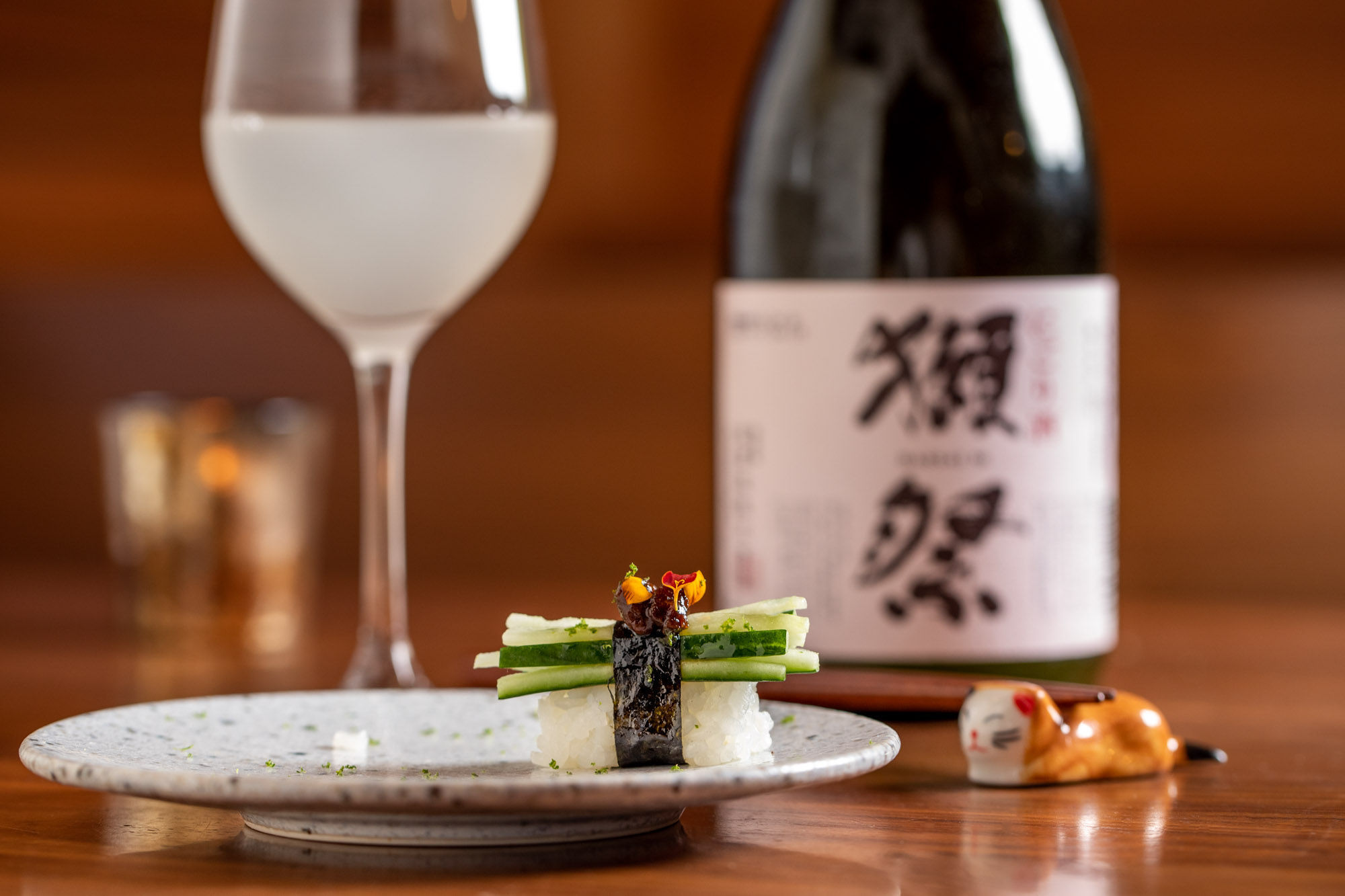
Usually, no. While some "premium" tiers may include a basic sake pairing, most high-end omakase prices are for the food only. In 2026, a high-end sake or wine pairing can easily add another $300 to $1,000 to the final bill.
Final Recommendation for Diners
If you are seeking the absolute pinnacle of luxury regardless of cost, Masa in New York City remains the definitive choice for its sheer opulence and legendary status. However, for those who value technical precision and a more intimate connection with the chef, Yoshino or Sushi Kanesaka offer a superior price-to-quality ratio. Before booking, ensure you are comfortable with the "strict" nature of these environments, as they are designed for serious gourmands rather than casual social gatherings.
Image Gallery