Mary Steenburgen’s Role in Life as a House: Character Analysis and Film Legacy
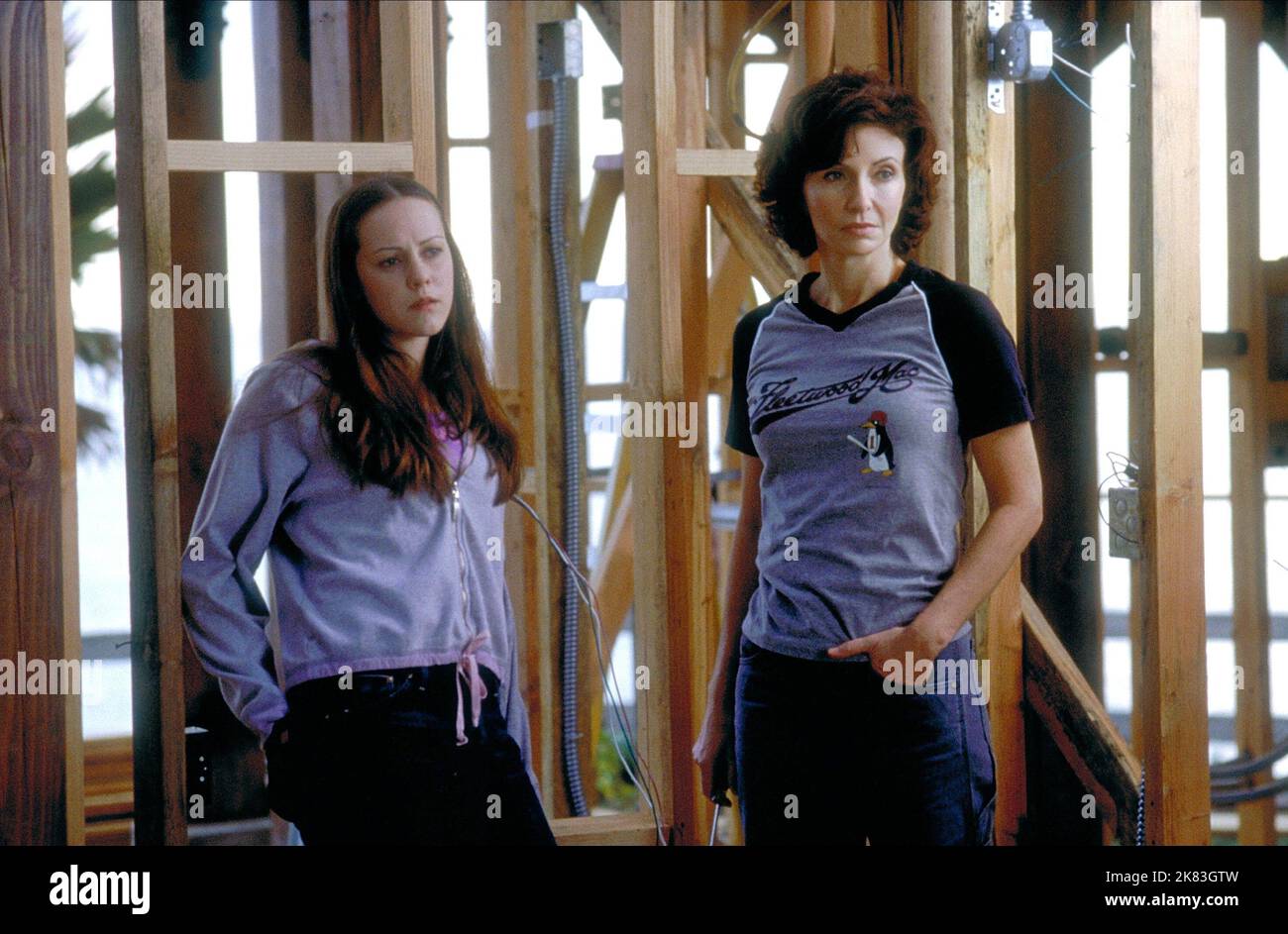
In the 2001 drama Life as a House, Mary Steenburgen portrays Colleen Beck, the flirtatious and unconventional neighbor of the protagonist, George Monroe (played by Kevin Kline). Her character serves as a vital component of the film’s s...
In the 2001 drama Life as a House, Mary Steenburgen portrays Colleen Beck, the flirtatious and unconventional neighbor of the protagonist, George Monroe (played by Kevin Kline). Her character serves as a vital component of the film’s suburban landscape, acting as a catalyst for George’s emotional reawakening and representing the complicated social dynamics of the neighborhood during his final project.
Contents
Mary Steenburgen’s performance in Life as a House often stands as a testament to her ability to bring depth and nuance to supporting roles. While the central narrative focuses on George Monroe’s terminal diagnosis and his attempt to rebuild both a physical structure and a relationship with his estranged son, Sam (Hayden Christensen), Steenburgen’s Colleen Beck provides a unique perspective on George’s transformation. As of 2026, the film remains a touchstone for early 2000s domestic dramas, and Steenburgen’s contribution is frequently highlighted by fans of the genre for its warmth and subtle comedic timing.
The Character of Colleen Beck
Colleen Beck is introduced as the neighbor living adjacent to the dilapidated shack George Monroe inherits. She is the mother of Alyssa Beck (Jena Malone), the girl who becomes the romantic interest of George’s son. Colleen is depicted as a woman who is perhaps a bit bored with suburban life, leading her to take a keen—and often humorous—interest in George’s sudden decision to tear down his old house and build a new one.
Personality and Motivations
Colleen is characterized by her forwardness. Unlike George’s ex-wife, Robin (Kristin Scott Thomas), who carries the heavy emotional weight of their shared past, Colleen interacts with George with a sense of "newness" and lightheartedness. She represents the "what if" scenarios of life—the possibilities that exist outside of one’s immediate family trauma.
Her character is not merely a "love interest" or a "neighbor trope." Steenburgen plays her with a sense of self-awareness. Colleen is aware of her charm and is not afraid to use it, famously attempting to seduce George in a scene that highlights both his commitment to his project and her own search for connection.
Relationship with George Monroe
The dynamic between Steenburgen and Kevin Kline is one of the film's subtle highlights. Their interactions provide a reprieve from the heavier themes of cancer and paternal failure. Colleen’s interest in George serves to validate him; at a time when he feels his life is falling apart (literally and figuratively), Colleen looks at him as a man of action and intrigue. This validation is a crucial, if understated, part of George’s journey toward self-forgiveness.
Steenburgen’s Performance and Casting Context
By the time Life as a House was released in 2001, Mary Steenburgen was already an Academy Award winner (for Melvin and Howard) and a beloved fixture in American cinema. Her casting in this film added a layer of prestige to the ensemble.
Career Trajectory in the Early 2000s
During this period, Steenburgen was transitioning into roles that required a mix of maternal energy and sophisticated wit. Life as a House allowed her to play a character who was a mother but also an independent woman with her own desires. This preceded her iconic comedic roles in films like Step Brothers (2008), but it retained the dramatic sensitivity seen in her earlier work.
Chemistry with the Ensemble
The film’s strength lies in its ensemble cast. Steenburgen’s scenes with Jena Malone (who plays her daughter, Alyssa) reflect a modern, somewhat permissive parenting style that contrasts with the rigid, strained relationship between George and Sam. This contrast helps the audience understand the different ways families were evolving at the turn of the millennium.
Key Themes Explored Through Steenburgen’s Role
While the "house" is the primary metaphor for George’s life, Steenburgen’s character contributes to several secondary themes that give the film its lasting resonance.
1. The Voyeurism of Suburbia
Colleen Beck is the primary "viewer" of George’s transformation. Her constant presence over the fence or in the driveway emphasizes the lack of privacy in suburban life. Through her eyes, the audience sees George not as a dying man, but as a neighborhood fixture undergoing a radical change.
2. Temptation vs. Legacy
Colleen represents a potential distraction from George’s ultimate goal: finishing the house for his son. Her advances provide a test for George’s focus. By choosing his project over a casual dalliance with Colleen, George demonstrates his shift in priorities—from living for the moment to building for the future.
3. Maternal Contrasts
Steenburgen’s portrayal of Colleen offers a "cool mom" archetype that was prevalent in early 2000s cinema. Her relationship with Alyssa is transparent and almost peer-like, which serves as a foil to the secrets and lies permeating the Monroe family.
Technical Specifications and Production Details
Life as a House was directed by Irwin Winkler and written by Mark Andrus. The film’s production design was critical, as the house itself had to evolve realistically throughout the shooting schedule.
| Feature | Details |
|---|---|
| Director | Irwin Winkler |
| Screenwriter | Mark Andrus |
| Release Date | October 26, 2001 |
| Main Cast | Kevin Kline, Kristin Scott Thomas, Hayden Christensen, Jena Malone, Mary Steenburgen |
| Steenburgen's Character | Colleen Beck |
| Primary Location | Rancho Palos Verdes, California |
| Genre | Drama / Family |
| Runtime | 125 Minutes |
The Enduring Legacy of the Film in 2026
Twenty-five years after its debut, Life as a House is frequently revisited by audiences who appreciate its earnest approach to themes of redemption and mortality. Mary Steenburgen’s role, while supporting, is often cited as a masterclass in how to make a character memorable with limited screen time.
In the context of 2026, the film is also viewed through the lens of early 2000s nostalgia. The architectural style of the house, the fashion choices of the characters (particularly the "goth" aesthetic of Hayden Christensen’s Sam), and the specific suburban anxieties portrayed are now historical markers. Steenburgen’s Colleen Beck remains a grounded, human element in a story that occasionally leans into the melodramatic.
Why Colleen Beck Matters to the Plot
Without the Beck family, the Monroe family’s journey would be isolated. The presence of the neighbors forces the protagonists to interact with the outside world. Colleen, specifically, forces George to confront his identity as a man, not just as a father or an architect.
Critical Reception of Steenburgen's Role
Critics at the time of release noted that Steenburgen brought "radiance and a touch of mischief" to the film. While some reviewers felt the movie was overly sentimental, the performances—especially the chemistry between the veteran actors like Kline, Thomas, and Steenburgen—were universally praised.
Steenburgen’s ability to play Colleen without making her a caricature of a "lonely housewife" was particularly noted. She gave the character a sense of agency and intelligence that made her interactions with George feel like a genuine meeting of minds rather than a plot device.
Common Misconceptions
When discussing "Mary Steenburgen's life as a house," there are occasionally two main areas of confusion for casual viewers:
- Leading vs. Supporting: Some viewers mistakenly remember her as the ex-wife (played by Kristin Scott Thomas). Steenburgen is the neighbor.
- The House Ownership: Some believe Steenburgen’s character is involved in the legal dispute over the house. In reality, her involvement is strictly social and emotional; the legal conflict involves the local neighborhood association and George's former boss.
Frequently Asked Questions
What happens to Mary Steenburgen’s character at the end of the movie?
Colleen Beck remains a supportive neighbor until the end. As the house nears completion and George’s health declines, she is part of the community that gathers around the project. Her daughter, Alyssa, becomes a significant part of Sam’s life, implying a continued connection between the two families long after the credits roll.
Is Colleen Beck based on a real person?
The screenplay by Mark Andrus is an original work and is not explicitly based on a true story or a specific individual. However, the character of the "intriguing neighbor" is a staple of suburban drama, designed to reflect the social complexities of neighborhood life.
How did Mary Steenburgen prepare for the role?
Steenburgen has mentioned in various retrospective interviews that she focused on the "loneliness of suburbia" to find Colleen’s voice. She wanted to ensure that Colleen’s flirtations were seen as a search for genuine human connection rather than just boredom.
Does Mary Steenburgen have any scenes with Hayden Christensen?
Yes, but most of her scenes are either with Kevin Kline or Jena Malone. Her interactions with Hayden Christensen (Sam) are primarily maternal-adjacent, as she is the mother of his romantic interest. These scenes highlight the generational gap and the differing communication styles between the two households.
Where was Mary Steenburgen's neighbor's house located?
The film was primarily shot in Rancho Palos Verdes, California. The "Beck house" was a private residence adjacent to the cliffside lot where George’s house was constructed. The stunning Pacific Ocean backdrop seen in many of Steenburgen’s scenes is a hallmark of the Palos Verdes coastline.
Final Recommendation
For those looking to explore the filmography of Mary Steenburgen, Life as a House is an essential watch. It showcases her ability to elevate a supporting role into something that feels essential to the movie's soul. If you are watching for the first time in 2026, pay close attention to the scenes between Steenburgen and Kline; they offer a nuanced look at mid-life connection that is often overshadowed by the film’s more dramatic father-son storyline. To get the most out of the experience, view it as a study of community and the small ways neighbors impact our personal transformations.
Image Gallery