What Happened to Clarence Gilyard?
Clarence Gilyard Jr., the veteran actor renowned for his roles in Walker, Texas Ranger and Die Hard, passed away on November 28, 2022, at the age of 66. After stepping away from the Hollywood limelight, Gilyard spent his final years as...
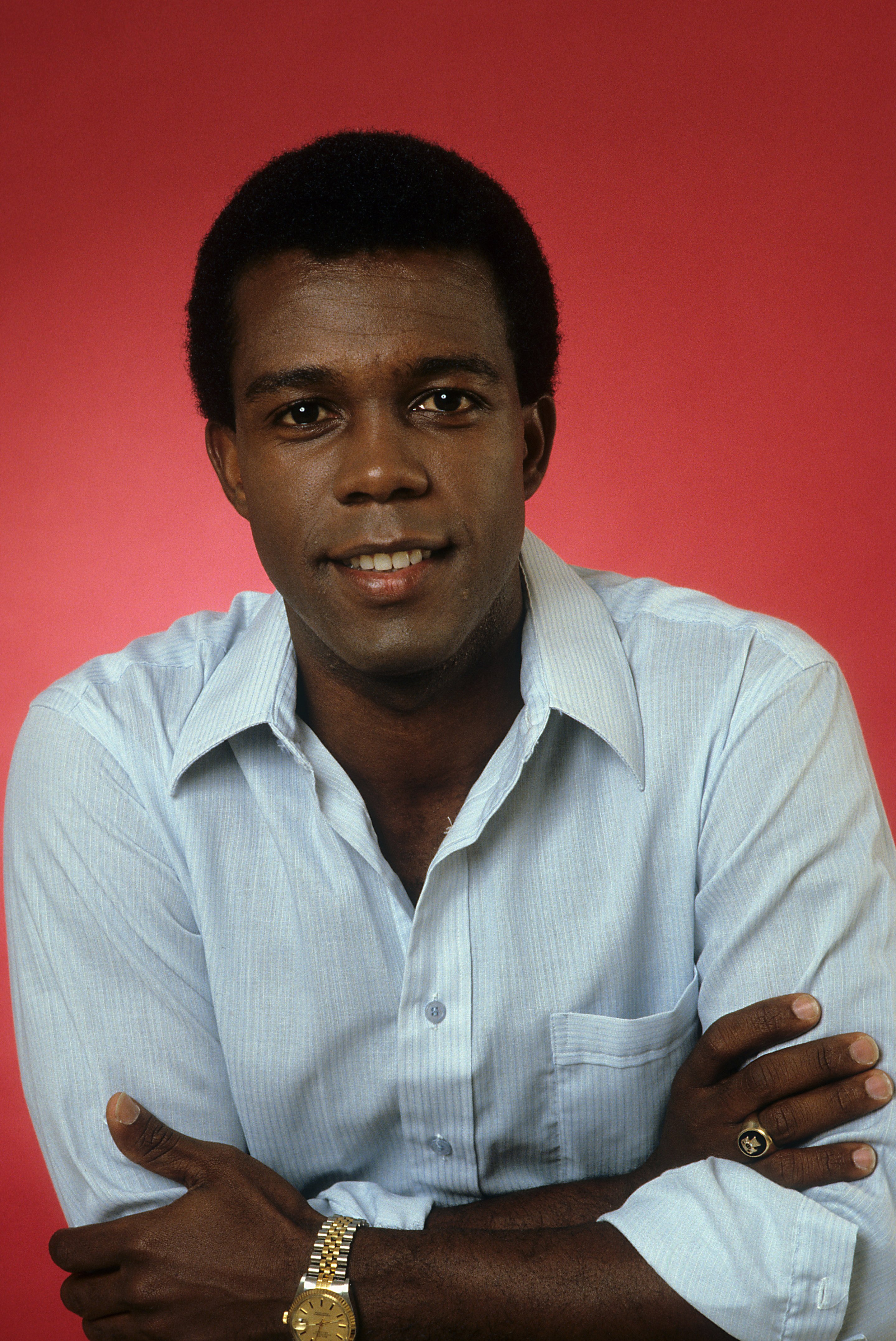
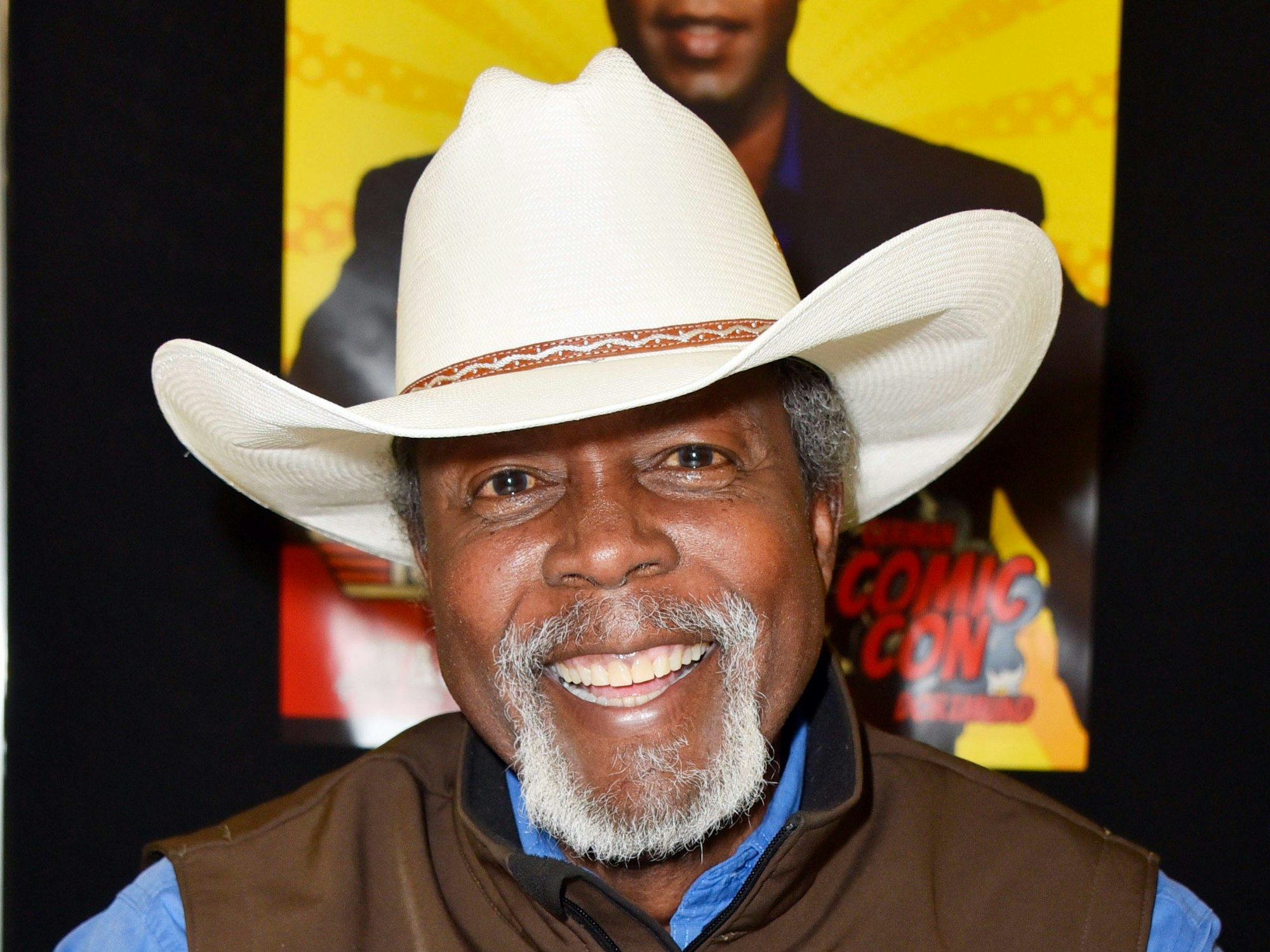
Clarence Gilyard Jr., the veteran actor renowned for his roles in Walker, Texas Ranger and Die Hard, passed away on November 28, 2022, at the age of 66. After stepping away from the Hollywood limelight, Gilyard spent his final years as a dedicated film and theatre professor at the University of Nevada, Las Vegas (UNLV).
Contents
The news of Clarence Gilyard’s passing in late 2022 sent shockwaves through both the entertainment industry and the academic community. For fans of 1980s and 1990s television and cinema, Gilyard was a ubiquitous presence—a versatile performer who could pivot from the tech-savvy villainy of a heist movie to the principled stoicism of a law enforcement officer. By the time of his death, however, Gilyard had successfully transitioned into a "second act" that many of his fans were less familiar with: a life of scholarship, mentorship, and quiet devotion to the arts in Las Vegas.
The Circumstances of His Passing
Clarence Gilyard died following a prolonged illness, though the specific nature of his medical condition was kept private by his family in accordance with his wishes for discretion. The official announcement came from the UNLV College of Fine Arts, where he had been a faculty member for over a decade and a half. At the time of his death, he was 66 years old, an age many considered far too young for a man who still possessed the energy and charisma that defined his early career.
UNLV College of Fine Arts Dean Nancy Uscher and Film Chair Heather Addison both spoke highly of Gilyard’s contribution to the university. They described him as a "beacon of light" who was deeply committed to his students. Unlike many celebrities who take up teaching as a side project, Gilyard was a full-time, tenured associate professor who prioritized his classroom responsibilities over red-carpet appearances. His death was felt not just as the loss of a movie star, but as the loss of a vital educator who helped shape the next generation of filmmakers and actors.
In the years leading up to 2022, Gilyard had occasionally stepped back into the frame, most notably for a 2020 commercial that reunited him with his Die Hard roots. However, those close to him noted that his health had been declining for some time, which led to a reduced public schedule. Despite his physical challenges, he remained active in his academic duties for as long as he was able.
A Career Defined by Iconic Roles
To understand what happened to Clarence Gilyard, one must look at the immense footprint he left on popular culture. His career trajectory was unique, marked by a series of "right place, right time" roles that became staples of American media.
The Breakout in Cinema: Top Gun and Die Hard
Gilyard’s film career took off in the mid-1980s. In 1986, he appeared as Marcus "Sundown" Williams in Top Gun. While the film was dominated by Tom Cruise, Gilyard’s presence as an F-14 Tomcat Radar Intercept Officer added to the film's ensemble chemistry. However, it was his role in 1988’s Die Hard that truly cemented his place in film history.
As Theo, the sarcastic and highly skilled computer hacker for Hans Gruber’s terrorist group, Gilyard broke the mold for what a cinematic villain could be. Theo was not a muscle-bound henchman; he was the brains of the technical operation, providing a cool, intellectual contrast to the more violent members of the crew. Decades later, Theo remains one of the most discussed characters in the franchise, partly because he was one of the few villains to potentially survive the events of the first film (until his character's fate was finalized in later lore and advertisements).
The Television Stardom: Matlock and Walker, Texas Ranger
Gilyard’s most significant cultural impact arguably came through television. In 1989, he joined the cast of Matlock as Conrad McMasters, the private investigator who assisted Andy Griffith’s titular character. Gilyard’s casting was a significant move for the show, bringing a younger energy and a different perspective to the legal drama. He appeared in 85 episodes, becoming a household name in the process.
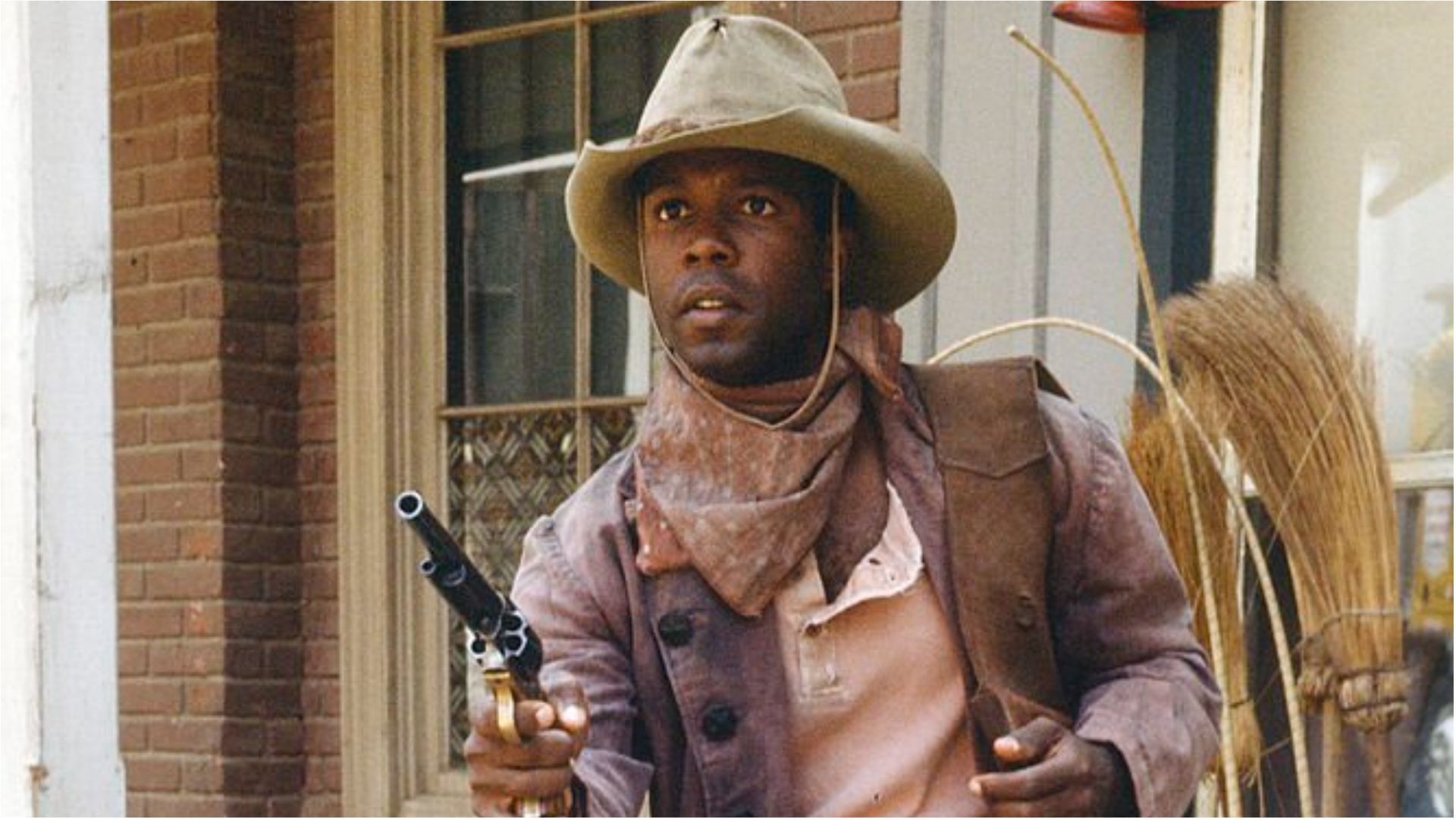
Following his stint on Matlock, Gilyard moved directly into what would become his most famous role: James "Jimmy" Trivette in Walker, Texas Ranger. Starring alongside Chuck Norris, Gilyard played the partner and best friend to Cordell Walker. The show was a massive international success, running for eight seasons from 1993 to 2001. As Trivette, Gilyard portrayed a former Dallas Cowboys player turned Ranger, utilizing a mix of martial arts, detective work, and technical savvy. The chemistry between Norris and Gilyard was the heartbeat of the show, making them one of the most recognizable duos in television history.
The Academic Pivot: Life at UNLV
Many fans often wondered why Gilyard seemed to "disappear" from major Hollywood productions after Walker, Texas Ranger concluded. The reality was a conscious choice to pursue a different path. In the early 2000s, Gilyard decided to seek a Master of Fine Arts (MFA) in Theatre Performance at Southern Methodist University.
This was not a move driven by a lack of work, but by a desire for intellectual and artistic growth. In 2006, he joined the faculty at the University of Nevada, Las Vegas. As an Associate Professor, he taught acting for the camera and various directing courses. He was known for being a rigorous instructor who didn't allow his celebrity status to interfere with the educational process. He often told his students that the "craft" of acting was separate from the "business" of being a star, and he dedicated the final 16 years of his life to teaching that distinction.
| Category | Details |
|---|---|
| Birth Date | December 24, 1955 |
| Death Date | November 28, 2022 (Age 66) |
| Primary Film Roles | Top Gun (Sundown), Die Hard (Theo) |
| Primary TV Roles | Matlock (Conrad McMasters), Walker, Texas Ranger (James Trivette) |
| Academic Tenure | UNLV College of Fine Arts (2006–2022) |
| Education | BA in Communications; MFA in Theatre Performance (SMU) |
| Known For | Transitioning from high-profile acting to a career in academia |
Personal Life and Spiritual Journey
Beyond his professional achievements, Clarence Gilyard’s life was marked by a deep personal transformation. In his younger years, he admitted to struggling with the pressures and temptations of sudden fame. However, in the 1990s, he underwent a significant spiritual conversion to Catholicism.
This shift in his world view informed many of his later decisions, including his departure from the Hollywood circuit. He became an active member of the Catholic community, serving as a consultant to the United States Conference of Catholic Bishops' Committee on Communication. His faith was a cornerstone of his later years, providing him with a sense of purpose that he felt was sometimes missing in the transactional nature of the entertainment industry.
Gilyard was also a family man. He was married twice, first to Catherine Dutko and later to Elena Gilyard, whom he married in 2001. He was a father to six children. His move to Las Vegas and his career at UNLV allowed him to maintain a more stable family life than the grueling shooting schedules of episodic television typically permitted.
Legacy in 2026
As we look back from the vantage point of 2026, Clarence Gilyard’s legacy is multifaceted. He is remembered as a pioneer who broke barriers for African American actors in the action and procedural genres. He didn't just play "the sidekick"; he played characters with depth, intelligence, and a moral compass.
His students at UNLV continue to carry his teachings into the industry, and his work remains accessible through streaming platforms where Walker, Texas Ranger and Die Hard remain perennial favorites. In the years since his passing, retrospectives on 80s cinema have increasingly highlighted Gilyard's performance as Theo, recognizing it as a precursor to the modern "tech-villain" archetype.
FAQ
What was the official cause of Clarence Gilyard’s death?While the family and UNLV confirmed he died after a "long illness," the specific medical diagnosis has never been publicly disclosed. He had been battling health issues for several years prior to his death in November 2022.
Did Clarence Gilyard appear in the Top Gun sequel?No, Clarence Gilyard did not appear in Top Gun: Maverick (2022). His character, Sundown, was not written into the sequel's script, as the film focused primarily on Maverick’s relationship with the next generation of pilots and his past with Goose.
Was Clarence Gilyard actually a martial artist?While he performed many of his own stunts on Walker, Texas Ranger and trained extensively to keep up with Chuck Norris, Gilyard was primarily a trained actor rather than a career martial artist. However, his physical fitness and dedication to the role made his performance as a Ranger highly convincing.
What was his last acting role?One of his last high-profile appearances was the 2020 "DieHard" battery commercial, where he reprised his role as Theo alongside Bruce Willis. He also appeared in independent films like The Perfect Race (2019) and Legacy of a Spy.
Where can I watch his work today?As of 2026, Walker, Texas Ranger is widely available on various streaming services and syndication networks. Die Hard and Top Gun remain staples of major digital libraries and physical media collections.
Next Steps for Fans and Researchers
For those looking to honor Clarence Gilyard’s memory or study his impact on the arts, the most direct path is supporting the UNLV College of Fine Arts. Following his death, several initiatives were discussed to honor his academic legacy, including potential scholarships for film students.
Additionally, watching his filmography chronologically—from the high-energy roles of the 80s to the more mature television performances of the 90s—provides a masterclass in how an actor evolves with their craft. Gilyard’s journey from a Hollywood star to a university professor serves as a powerful example of finding a meaningful "second act" in life, proving that one's impact is measured not just by the cameras that capture you, but by the lives you touch directly.
Image Gallery