Who Voice Acts Moana: A Deep Dive into the Talent Behind the Wayfinder
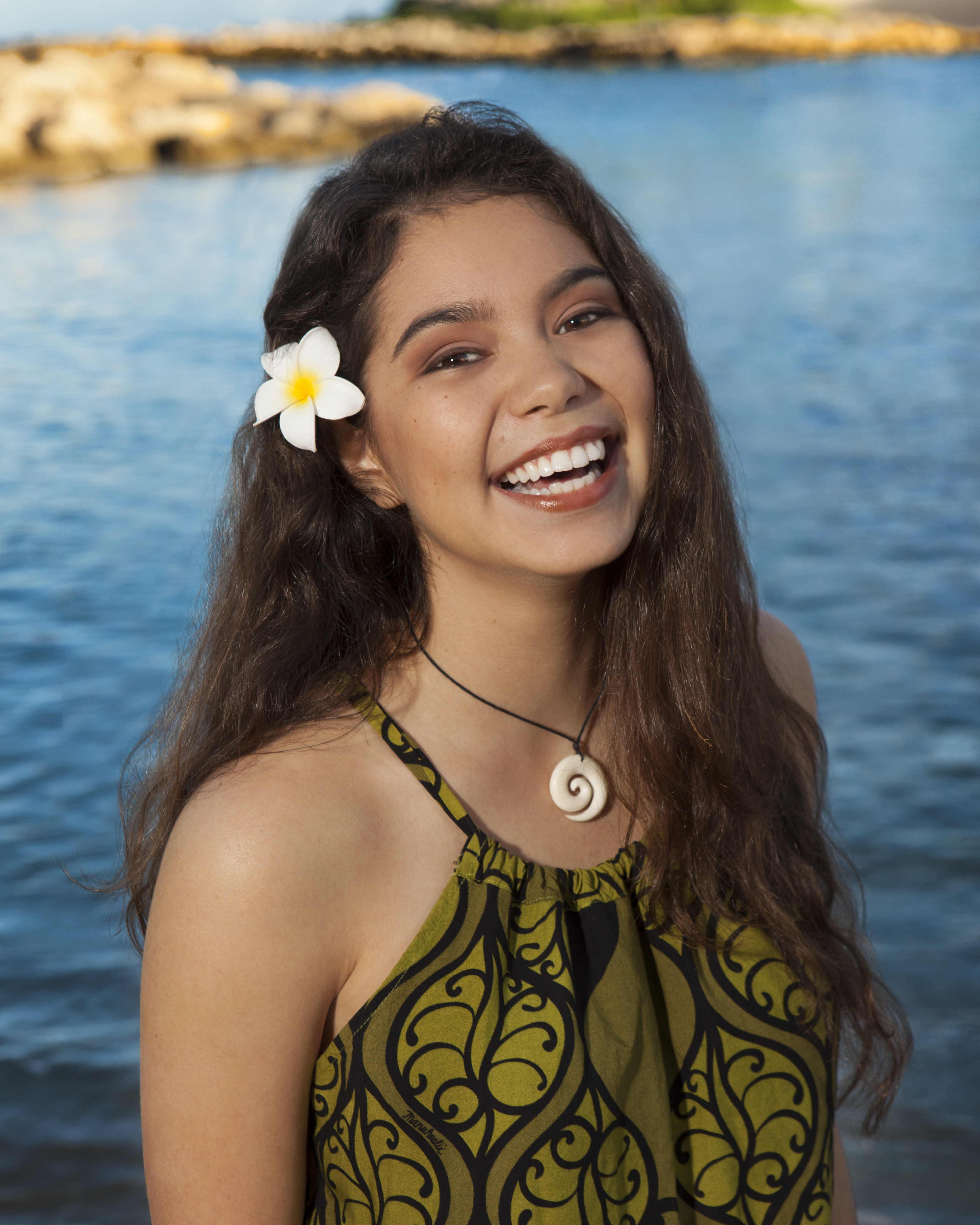
Auliʻi Cravalho is the primary voice actress for the character Moana in the 2016 Walt Disney Animation Studios film Moana. She provides both the speaking voice and the singing voice for the protagonist. While other performers have prov...
Auliʻi Cravalho is the primary voice actress for the character Moana in the 2016 Walt Disney Animation Studios film Moana. She provides both the speaking voice and the singing voice for the protagonist. While other performers have provided the voice for Moana in different languages and media adaptations, Auliʻi Cravalho remains the definitive English-language voice of the character.
Contents
The Casting of Auliʻi Cravalho
In 2015, Walt Disney Animation Studios embarked on a global search for a voice for their upcoming film, Moana. The production team sought an actress who could capture the spirit, determination, and cultural resonance of a young woman from the Pacific Islands. Auliʻi Cravalho, a native of Hawaii, was discovered during an open casting call in Oahu. At the time of her selection, she was just 14 years old, making her one of the youngest actresses to secure a lead role in a major Disney animated production.
Her performance was widely praised for its authenticity and emotional depth. The directors, Ron Clements and John Musker, noted that Cravalho’s natural charm and vocal range—essential for both the complex musical numbers and the vulnerable dialogue scenes—made her the perfect fit for the character of the Chief’s daughter who aspires to become a wayfinder.
Vocal Performance and Musical Contributions
The role of Moana requires more than just standard dialogue delivery; it demands significant musical capability. The film features a soundtrack composed by Lin-Manuel Miranda, Opetaia Foaʻi, and Mark Mancina. Auliʻi Cravalho was responsible for delivering the character's core anthems, most notably "How Far I'll Go."
Her vocal contributions in the film established a high standard for animated character work. Because Moana is a character defined by her physical and spiritual journey across the ocean, the voice acting had to convey a wide spectrum of emotions, from the frustration of being restricted by her father’s rules to the exhilaration of finally sailing beyond the reef. The synergy between her speaking voice and her singing voice created a cohesive portrayal that resonated with audiences globally.
International Voice Portrayals
While Auliʻi Cravalho provides the English voice for the character, Moana has been dubbed into dozens of languages to reach international markets. Disney frequently hires local talent to ensure that the character remains relatable to global audiences. In many of these territories, the casting process focuses on finding performers who can maintain the character's youthfulness while handling the challenging vocal requirements of the film’s soundtrack.
For example, the Tahitian-language version of the film was a significant milestone, marking the first time a Disney film was dubbed into a Polynesian language. This required a dedicated search for voice talent within French Polynesia to ensure linguistic accuracy and cultural representation.
Comparison of Moana’s Representation in Media
To understand the scope of the character’s voice history, it is helpful to look at how different media formats and language adaptations utilize vocal talent.
| Feature | Primary Voice (Original) | Notable Adaptations |
|---|---|---|
| Speaking Voice | Auliʻi Cravalho | Various regional dubs |
| Singing Voice | Auliʻi Cravalho | Various regional dubs |
| Age at Casting | 14 years old | Varies by region |
| Regional Language | English | Tahitian, Māori, Hawaiian |
| Media Format | Feature Film | Theme Park/Sequels |
This table illustrates the consistency of the role. Unlike some animated franchises where singing and speaking roles are separated, Disney opted for a unified performance for Moana, which emphasizes the personal connection the audience feels toward the character.
The Evolution of the Character in Later Productions
In the years following the 2016 release, Auliʻi Cravalho has continued to be the face and voice of Moana in various iterations. This includes promotional appearances, theme park voiceovers, and potential return roles in subsequent media. By 2026, the character of Moana has become a staple of modern pop culture, and the vocal identity established by Cravalho is intrinsically linked to the brand.
Maintaining the same voice actor over time ensures continuity for fans. As the character evolves in sequels or spin-off series, the vocal characteristics established in the original film act as a blueprint for the character's development. This consistency is essential for preserving the integrity of the storytelling, particularly for a character whose development is so closely tied to her personal evolution and growth as a leader.
Frequently Asked Questions
Did anyone else audition for the role of Moana? Yes, thousands of young women auditioned for the role across the Pacific Islands and beyond. The casting process was exhaustive, with the production team looking for a specific blend of vocal talent, cultural background, and ability to handle the demands of a major studio production.
Does Auliʻi Cravalho sing all the songs in the movie? Yes, Auliʻi Cravalho performs all of Moana’s vocal parts in the English-language version of the film. This includes the major musical numbers such as "How Far I'll Go" and "I Am Moana (Song of the Ancestors)."
Is Auliʻi Cravalho involved in the live-action projects? As of 2026, Auliʻi Cravalho has shifted her involvement in the Moana franchise, taking on roles behind the scenes as an executive producer for live-action projects rather than reprising her role as the lead actress. This allows for new casting for the live-action portrayal while maintaining the creative vision she helped establish.
How many languages has Moana been dubbed into? The film has been released in over 40 languages worldwide. Each version features a unique cast of voice actors, often selected by local Disney offices to ensure the best possible representation of the music and dialogue in that specific region.
What is the significance of the Tahitian dubbing? The Tahitian version is particularly significant because it represents a cultural collaboration between Disney and the local communities of French Polynesia. It highlights the importance of the film’s themes regarding heritage and the ocean to the cultures that inspired the movie’s setting.
Recommendation for Further Research
If you are interested in the technical aspects of animation and voice recording, reviewing the behind-the-scenes features included in the Moana home media releases provides valuable insight into the recording booth process. These documents detail the collaborative efforts between the composers, directors, and voice actors to create the final soundscape of the film. For those interested in the cultural impact of the character, academic articles regarding Polynesian representation in contemporary animation provide a broader context for the casting choices made by Disney.
Image Gallery