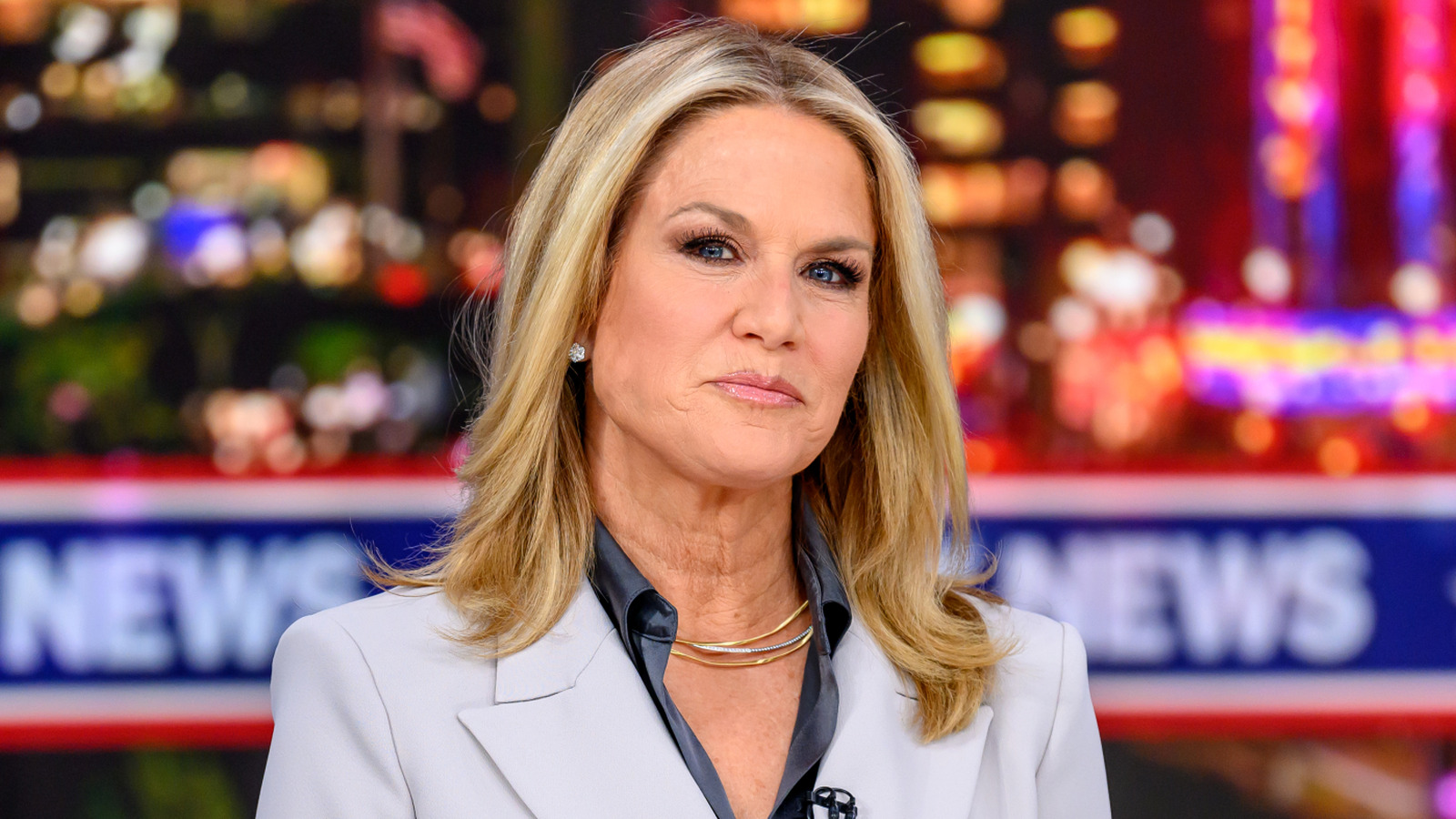
What Shaped Martha MacCallum's Education: Academic Roots and Professional Foundations
Martha MacCallum’s education was primarily shaped by her political science degree at St. Lawrence University and specialized theater training at New York’s Circle in the Square Theatre School. Combined with her formative schooling in N...
Martha MacCallum’s education was primarily shaped by her political science degree at St. Lawrence University and specialized theater training at New York’s Circle in the Square Theatre School. Combined with her formative schooling in New Jersey, this distinct synthesis of political analysis, liberal arts research, and dramatic discipline established her broadcasting technique and investigative approach.
Contents
Early Life and Secondary Education in New Jersey
Martha MacCallum was raised in Wyckoff, New Jersey, an environment that provided strong civic engagement and public education opportunities. She attended Ramapo High School in Franklin Lakes, New Jersey, where she cultivated early academic interests in American history, literature, and public speaking.
During her high school years, MacCallum engaged in various extracurricular activities, including student leadership and school theater productions. This early exposure to both written analysis and public presentation laid the groundwork for her dual interest in political structures and performing arts. High school curricula in the late 1970s and early 1980s emphasized traditional composition, rhetoric, and debate, which helped MacCallum build a structured approach to argument formation and textual analysis.
The regional proximity to New York City also played a subtle role in shaping her educational perspective. Growing up in the New York metropolitan area exposed her to national news broadcasts, theatrical productions, and high-impact media markets, establishing a baseline of civic awareness that informed her college choices.
Undergraduate Academic Foundation: Political Science at St. Lawrence University
After graduating from Ramapo High School, MacCallum enrolled at St. Lawrence University, a private liberal arts institution located in Canton, New York. She attended from 1982 to 1986, graduating with a Bachelor of Arts (B.A.) in Political Science.
- ST. LAWRENCE UNIVERSITY (1982–1986)
- Political Science Major
- Constitutional Law
- International Relations
- Comparative Government
- Liberal Arts Foundation
- Critical Writing
- Historical Methodology
- Rhetorical Analysis
- Core Analytical & Investigative Framework
- Political Science Major
The Liberal Arts Framework
At St. Lawrence University, the liberal arts educational model stressed interdisciplinary inquiry. Rather than training strictly in technical journalism, MacCallum immersed herself in coursework spanning American history, government systems, philosophy, and economics. This broad academic framework required students to evaluate complex societal problems from multiple theoretical perspectives, write extensive analytical research papers, and defend hypotheses in seminar discussions.
Political Science Focus Area
Majoring in political science exposed MacCallum to core concepts in international relations, comparative politics, political philosophy, and constitutional law. Understanding how public policy is developed, how executive and legislative branches interact, and how historical precedents govern current political debate became fundamental to her academic training.
This political science foundation proved crucial for her eventual career in political journalism. The program taught her how to:
- Read and evaluate legislative texts and policy proposals objectively.
- Analyze polling data, electoral demographics, and voting trends.
- Trace the historical origin of modern socio-political conflicts.
- Formulate sharp, evidence-based questions for government officials and political strategists.
Her academic rigor at St. Lawrence developed her ability to quickly digest heavy volumes of background material—a skill directly applicable to preparing for live television coverage during breaking news events and presidential elections.
The Impact of Performing Arts: Circle in the Square Theatre School
Following her graduation from St. Lawrence University in 1986, MacCallum moved to New York City to pursue specialized training in acting and vocal performance at the Circle in the Square Theatre School. Situated on Broadway, Circle in the Square is a renowned theater training program that emphasizes technique, voice control, character study, and physical presence.
- St. Lawrence University: Political Science BA (1986)
- Policy Analysis & Research
- Historical Context
- Logical Argumentation
- Circle in the Square Theatre School (NYC)
- Vocal Control & Diction
- Live Improvisation & Posture
- High-Pressure Composure
- Modern Broadcast Journalism
Vocal Projection and On-Air Presence
While many national news anchors take a traditional broadcast journalism route, MacCallum’s immersion in theater provided distinct advantages in live media production. Acting training at Circle in the Square focused heavily on:
- Vocal Placement and Diction: Learning proper breath control, vocal resonance, and clear articulation, which are essential for long stretches of live anchoring.
- Body Language and Posture: Developing physical composure, awareness of camera angles, and dynamic physical presence under intense studio lighting.
- Active Listening: Understanding that acting is primarily reacting. In broadcast journalism, active listening allows an interviewer to follow up dynamically on a guest’s answer rather than relying strictly on scripted questions.
Handling Live, Unscripted Environments
Theater performance requires managing high-pressure situations in real time without the luxury of second takes. This discipline translated directly to live television broadcasting. The ability to remain calm during control-room breakdowns, teleprompter failures, or fast-moving breaking news developments reflects the stage training MacCallum received in New York.
Her theatrical education complemented her political science background: political science supplied the intellectual substance, while theater school provided the delivery mechanics and composure required to present complex ideas clearly on live national television.
How MacCallum's Education Translated to Her Journalism Career
MacCallum’s academic and artistic background created a versatile foundation that facilitated her entry into national media. Her career path demonstrates how non-traditional combinations of study can serve specialized media roles.
Early Corporate and Financial Media Experience
MacCallum began her career at Dow Jones & Company as an associate producer for Business USA before moving on-air at Wall Street Journal Television. There, she co-anchored The Wall Street Journal Report and World Market Outlook.
Her political science research skills enabled her to quickly absorb complex market data, corporate filings, and macroeconomic indicators. Her theatrical background allowed her to translate dense financial information into clear, accessible broadcast reports.
She subsequently moved to CNBC, co-anchoring programs like Morning Call and The Trade Exchange, where her ability to conduct real-time interviews with corporate executives and economists refined her rapid-response questioning techniques.
Transition to Prime-Time Political Journalism
Joining Fox News Channel in 2004, MacCallum leveraged her political science education to cover major political events, including national conventions, midterms, and presidential elections. Hosting programs such as The Story with Martha MacCallum and co-anchoring election night broadcasts required an in-depth understanding of constitutional processes, state-by-state electoral dynamics, and presidential history.
Her academic training in research methodology also informed her work as a historical author. In her book Unknown Valor: A Story of Family, Courage, and Sacrifice from Pearl Harbor to Iwo Jima, MacCallum utilized primary-source historical documents, military records, and personal letters—applying the archival research skills she first cultivated during her undergraduate studies at St. Lawrence University.
Overview of Martha MacCallum's Educational Milestones
The following table summarizes the key institutions, programs, and practical skills that shaped Martha MacCallum's academic and professional development:
| Institution / Program | Educational Level / Focus | Location | Key Skills Acquired & Career Impact |
|---|---|---|---|
| Ramapo High School | Secondary Education (Diploma) | Franklin Lakes, NJ | Composition, public speaking, civic awareness, and basic performance fundamentals. |
| St. Lawrence University | Bachelor of Arts (B.A.) in Political Science (1982–1986) | Canton, NY | Political theory, policy evaluation, historical research, critical writing, and analytical reasoning. |
| Circle in the Square Theatre School | Post-Graduate Conservatory Drama Studies | New York, NY | Vocal projection, diction, physical composure, live improvisation, active listening, and stress management. |
| Wall Street Journal TV & CNBC | Practical On-the-Job Financial Media Training | New York, NY | Application of political/economic theory to real-time market analysis, executive interviewing, and live business broadcasts. |
Key Takeaways from MacCallum’s Educational Path
Aspiring journalists and broadcast professionals can draw practical lessons from how MacCallum structured her education:
1. The Power of Combining Analytical and Performance Skill Sets
A successful news anchor requires both substance and delivery. MacCallum did not limit herself strictly to one discipline; she paired an analytical major (Political Science) with a practical performance discipline (Theater). This dual preparation ensures that on-air presentation is supported by deep subject-matter comprehension.
2. Liberal Arts as a Foundation for Media Careers
While specialized undergraduate journalism programs teach technical production skills, a broad liberal arts education provides foundational knowledge in history, politics, and economics. Understanding what to report is often more critical than simply knowing how to operate broadcast equipment, as technical tools can be learned on the job.
3. Drama Training as a Tool for Public Communicators
Public speaking, corporate presentation, and television broadcasting share core elements with stage acting. Developing vocal stamina, unscripted adaptability, and body language awareness through formal drama training gives news presenters a distinct advantage during live, unpredictable broadcasts.
Frequently Asked Questions
Where did Martha MacCallum go to college?
Martha MacCallum attended St. Lawrence University in Canton, New York, graduating in 1986 with a Bachelor of Arts degree. She later completed post-graduate theater studies at the Circle in the Square Theatre School in New York City.
What did Martha MacCallum major in?
She majored in Political Science at St. Lawrence University. Her coursework focused on American government, international relations, comparative political systems, and analytical writing.
Did Martha MacCallum study journalism in school?
No, MacCallum did not earn an undergraduate or graduate degree specifically in journalism. Instead, she built her career on a liberal arts political science background combined with professional theater training, learning television production and journalism practices on the job at Wall Street Journal Television and CNBC.
How did theater school influence Martha MacCallum's news career?
Studying at Circle in the Square Theatre School taught MacCallum vocal modulation, precise diction, physical composure, and active listening. These skills helped her navigate unscripted live broadcasts, handle breaking news calmly, and engage effectively with interview guests.
Has Martha MacCallum written any books using her political and historical training?
Yes. MacCallum authored Unknown Valor: A Story of Family, Courage, and Sacrifice from Pearl Harbor to Iwo Jima, published in 2020. Writing the book required extensive primary-source archival research, oral history interviews, and document analysis—skills stemming from her academic training in political science and history.
Actionable Takeaways for Aspiring Journalists
If you are planning an educational path toward political reporting or broadcast news, consider the following strategy based on MacCallum's model:
- Build Core Subject Mastery: Focus your undergraduate studies on a content-rich discipline such as political science, history, economics, or public policy. This provides the context needed to ask informed questions.
- Develop Formal Public Speaking and Voice Skills: Take courses in theater, public rhetoric, or debate. Practice vocal control, breath support, and unscripted response techniques to build confidence on camera or stage.
- Master Primary Source Research: Learn how to read original court filings, legislative bills, financial statements, and historical archives rather than relying solely on secondary summaries.
- Seek Diverse Early Media Experience: Gain practical experience in technical newsrooms, business publications, or local media outlets to translate your academic knowledge into real-world reporting.
Image Gallery