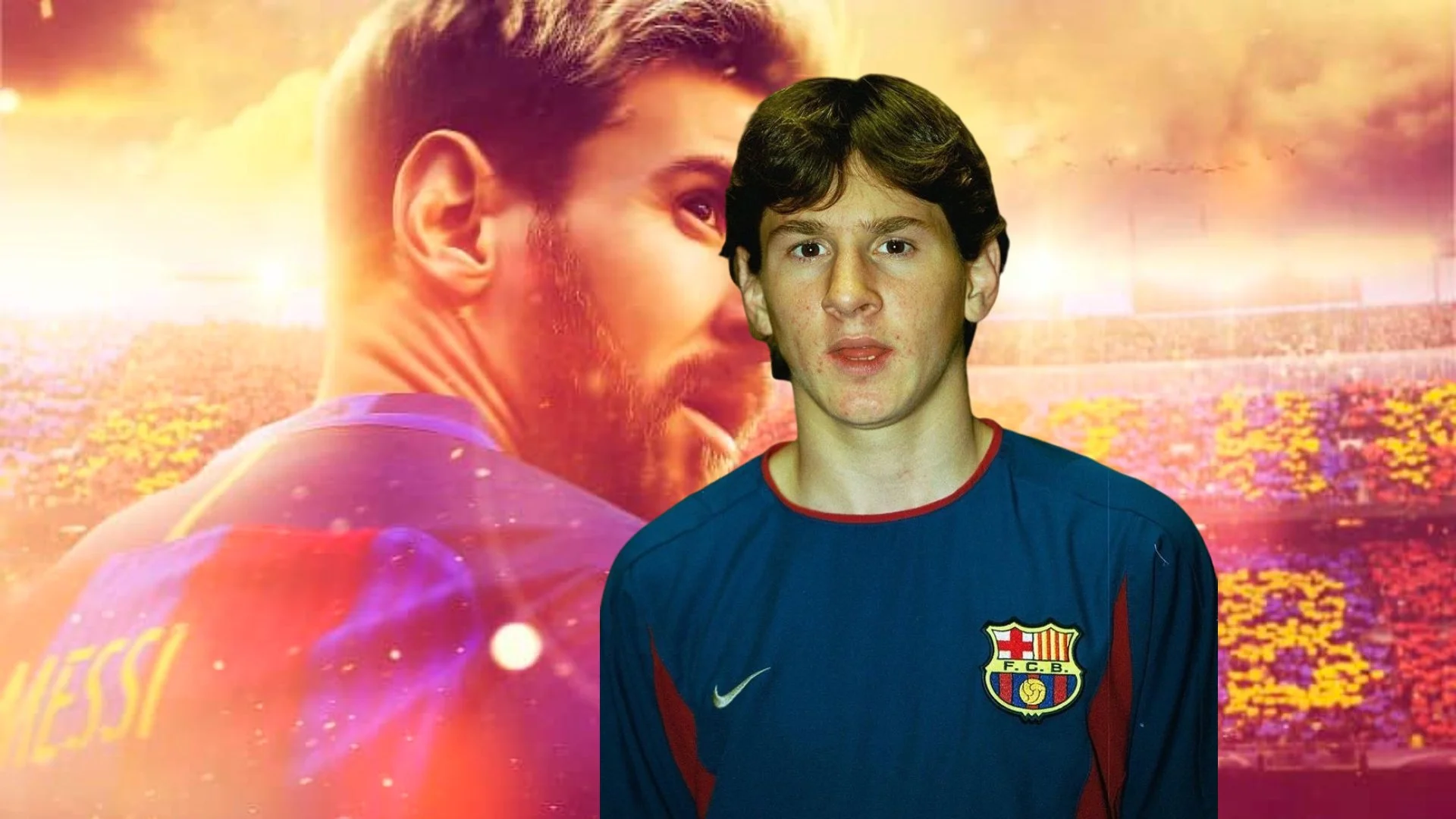
Lionel Messi at 39: Age, Career Status, Inter Miami CF, and the 2026 World Cup
Lionel Messi turns 39 years old on June 24, 2026, reaching this career milestone during the 2026 FIFA World Cup in North America. Continuing his late-career tenure with Inter Miami CF in Major League Soccer (MLS), Messi’s play at age 3...
Lionel Messi turns 39 years old on June 24, 2026, reaching this career milestone during the 2026 FIFA World Cup in North America. Continuing his late-career tenure with Inter Miami CF in Major League Soccer (MLS), Messi’s play at age 39 showcases an evolved tactical approach centered on elite playmaking, spatial intelligence, and workload management.
Contents
Lionel Messi’s Age and Biographical Profile
Born on June 24, 1987, in Rosario, Argentina, Lionel Andrés Messi has sustained an unprecedented two-decade trajectory at the highest levels of global football. Reaching age 39 in 2026 places him in a rare tier of world-class attacking talents who remain central figures for both club and country well past the age when most forwards retire.
| Biographical Summary | Details |
|---|---|
| Full Name | Lionel Andrés Messi |
| Date of Birth | June 24, 1987 |
| Place of Birth | Rosario, Santa Fe, Argentina |
| Turn 39 Date | June 24, 2026 |
| Current Club | Inter Miami CF (Major League Soccer) |
| National Team | Argentina Senior National Team |
| Primary Position | Playmaker / Right Attacking Midfielder |
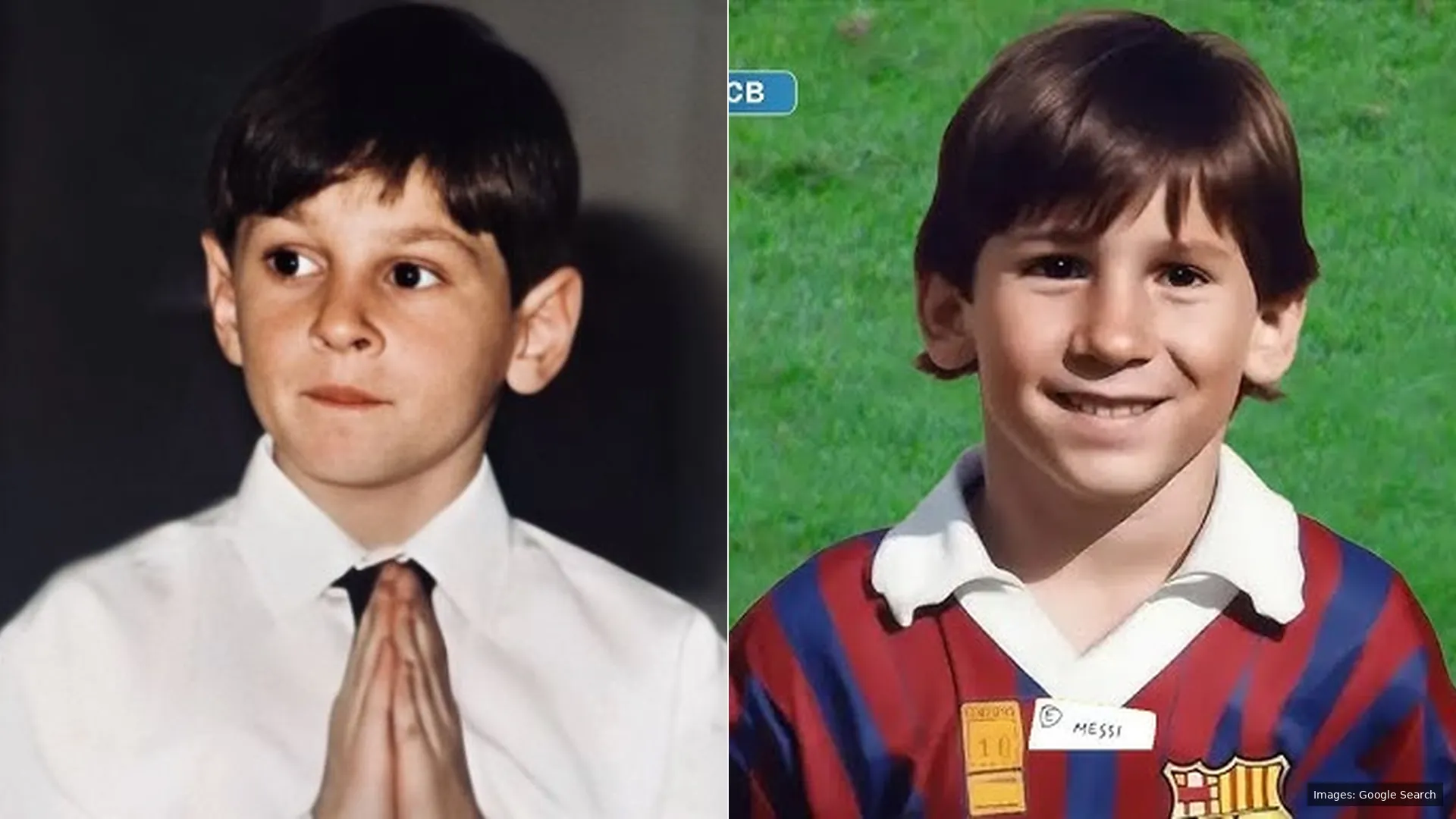
Messi’s journey from the youth ranks of Newell's Old Boys to FC Barcelona's La Masia academy laid the foundation for a historic club career. After winning ten La Liga titles, four UEFA Champions League trophies, and seven Ballon d'Or awards with Barcelona, he spent two seasons with Paris Saint-Germain (2021–2023) before making his groundbreaking move to Major League Soccer with Inter Miami CF in July 2023. At 39, his presence continues to shape the competitive and commercial landscape of North American soccer.
Current Career Status: Inter Miami CF and MLS Integration
At age 39, Messi remains the focal point of Inter Miami CF's tactical setup. While his physical output has naturally adjusted over time, his technical efficiency, vision, and set-piece execution remain unmatched in North American soccer.
Tactical Evolution and Position Adjustments
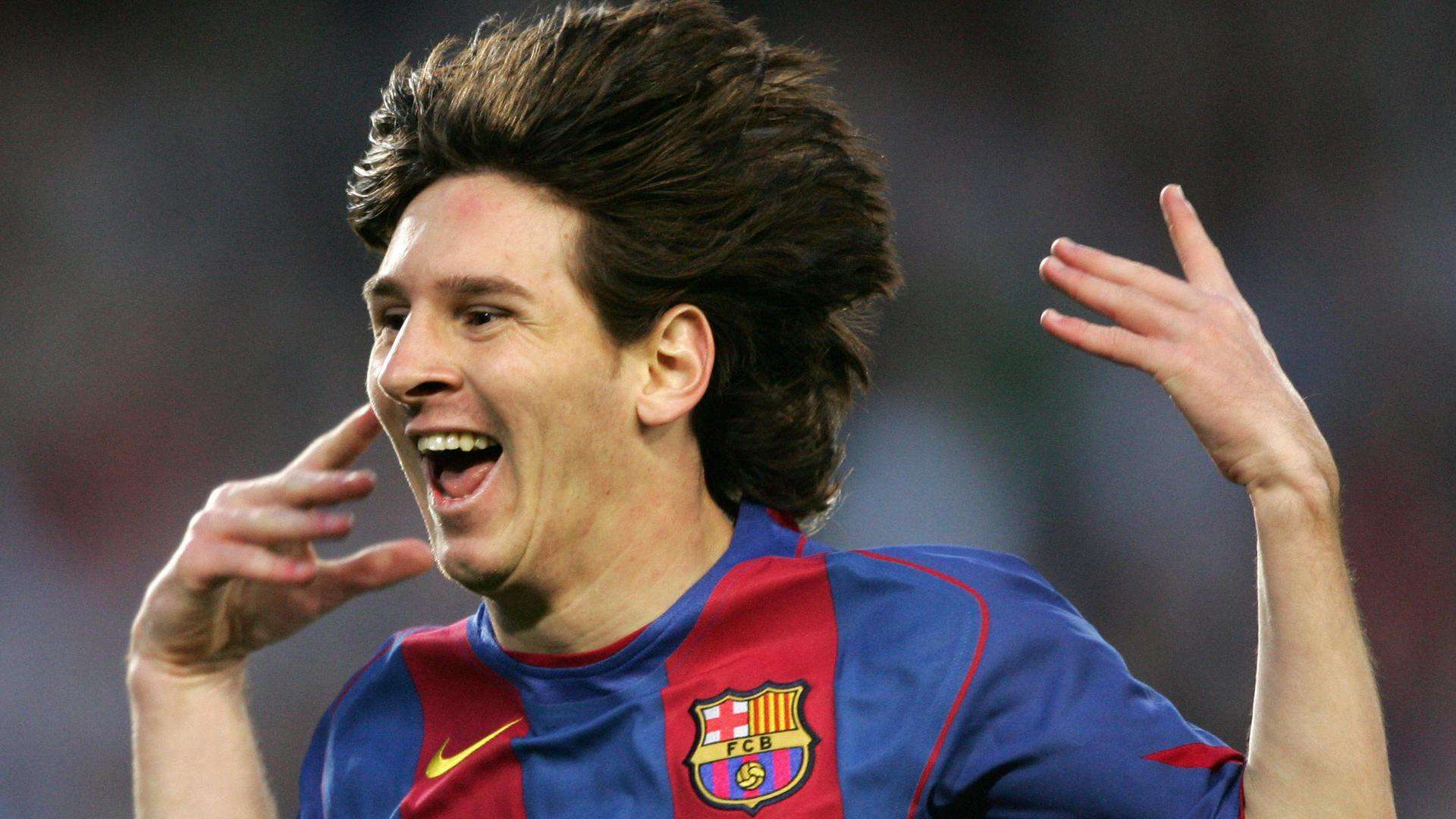
In his early twenties and peak FC Barcelona years under Pep Guardiola and Luis Enrique, Messi relied on explosive acceleration, high-frequency dribbling, and continuous diagonal runs from the right wing into the half-space. At age 39, his tactical role has shifted significantly:
- Central Distributing Hub: Operating primarily as a free-roaming number 10 or secondary striker, Messi operates in central pockets of space to dictate match tempo.
- Preservation of Energy: Rather than engaging in continuous pressing schemes, Messi selectively conserves energy for high-leverage moments, executing decisive passes when opposing lines compact or split.
- Synergy with Run-Makers: At Inter Miami, his partnership with forward runners allows him to deliver precise through-balls, unbalancing defenses without requiring long-distance sprints.
Workload and Minutes Management
Sustaining elite performance at 39 requires rigorous load management. Inter Miami’s technical staff and sports science team utilize customized training schedules to manage match minutes, particularly during congested league fixtures and continental cup competitions such as the CONCACAF Champions Cup.
Key components of his late-career conditioning routine include:
- Targeted Recovery Protocols: Enhanced emphasis on post-match hydrotherapy, active recovery sessions, and specialized sleep tracking.
- Selective Match Availability: Strategic rotation during mid-week domestic fixtures to preserve freshness for high-priority cup matches and national team calls.
- Low-Impact Fitness Maintenance: Transitioning core strength and mobility work toward joint preservation and flexibility rather than pure hypertrophy or heavy lifting.
Argentina National Team and the 2026 FIFA World Cup
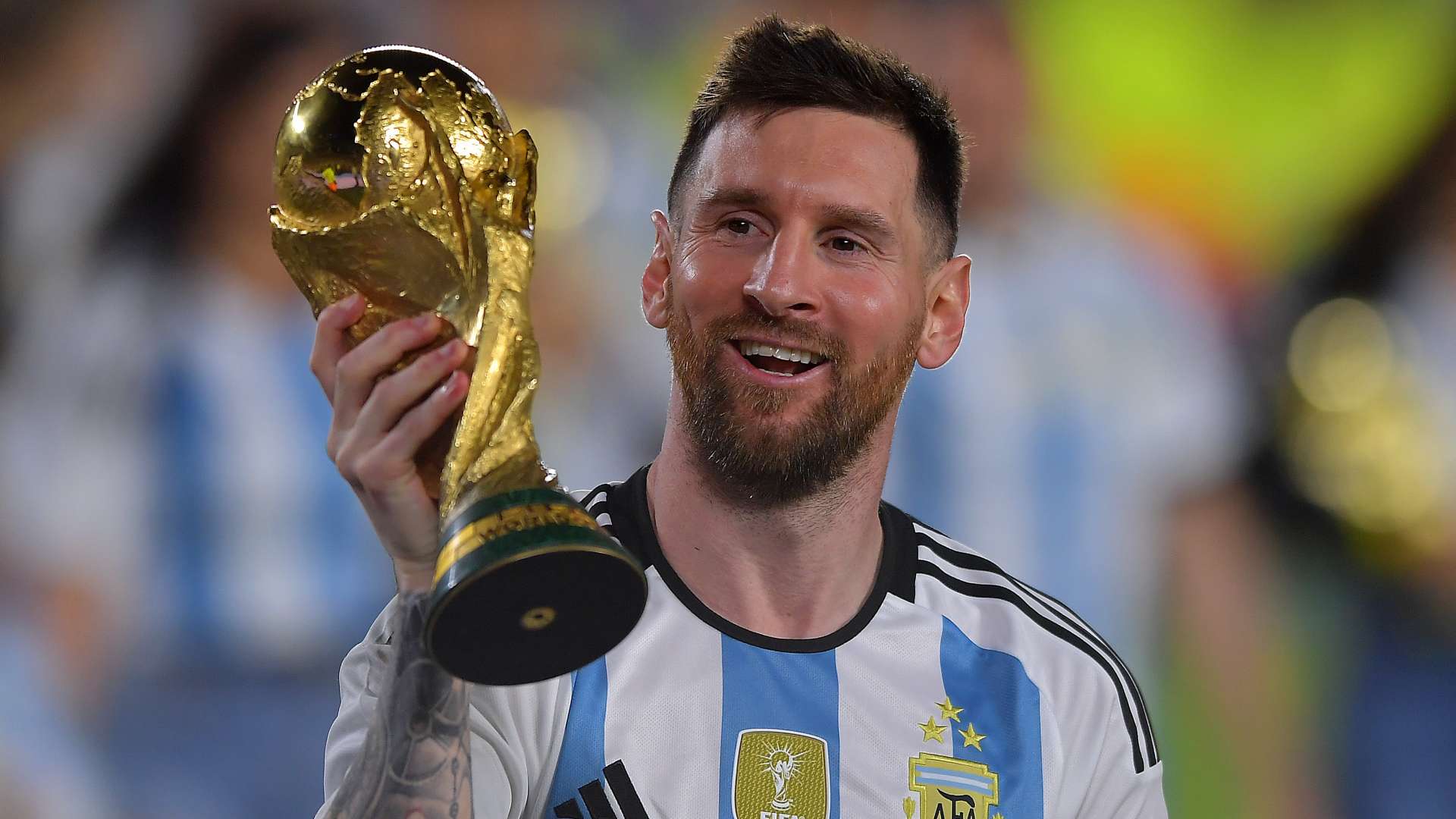
The 2026 FIFA World Cup, hosted jointly by the United States, Canada, and Mexico, coincides directly with Messi’s 39th birthday on June 24, 2026. Following Argentina’s historic victory at the 2022 FIFA World Cup in Qatar and their 2024 Copa América triumph, Messi's role within the national team has transitioned from primary goal-scorer to veteran playmaker and tactical leader.
Team Dynamics and Generational Transition
Under manager Lionel Scaloni, the Argentina national team has constructed a structure designed to maximize Messi's strengths while offsetting the physical demands placed on a 39-year-old creator. Midfielders such as Enzo Fernández, Alexis Mac Allister, and Rodrigo De Paul provide energetic pressing, defensive coverage, and box-to-box running. This allows Messi to operate in the final third with spatial freedom.
Historical Context of Stars Playing at Age 39
Playing in an international tournament at age 39 puts Messi in an elite class of football longevity:
- Lothar Matthäus (Germany): Played in the 1998 World Cup and Euro 2000 at age 37 to 39 as a sweeper.
- Luka Modrić (Croatia): Continued dictating international matches well into his late thirties through superior spatial awareness and technical execution.
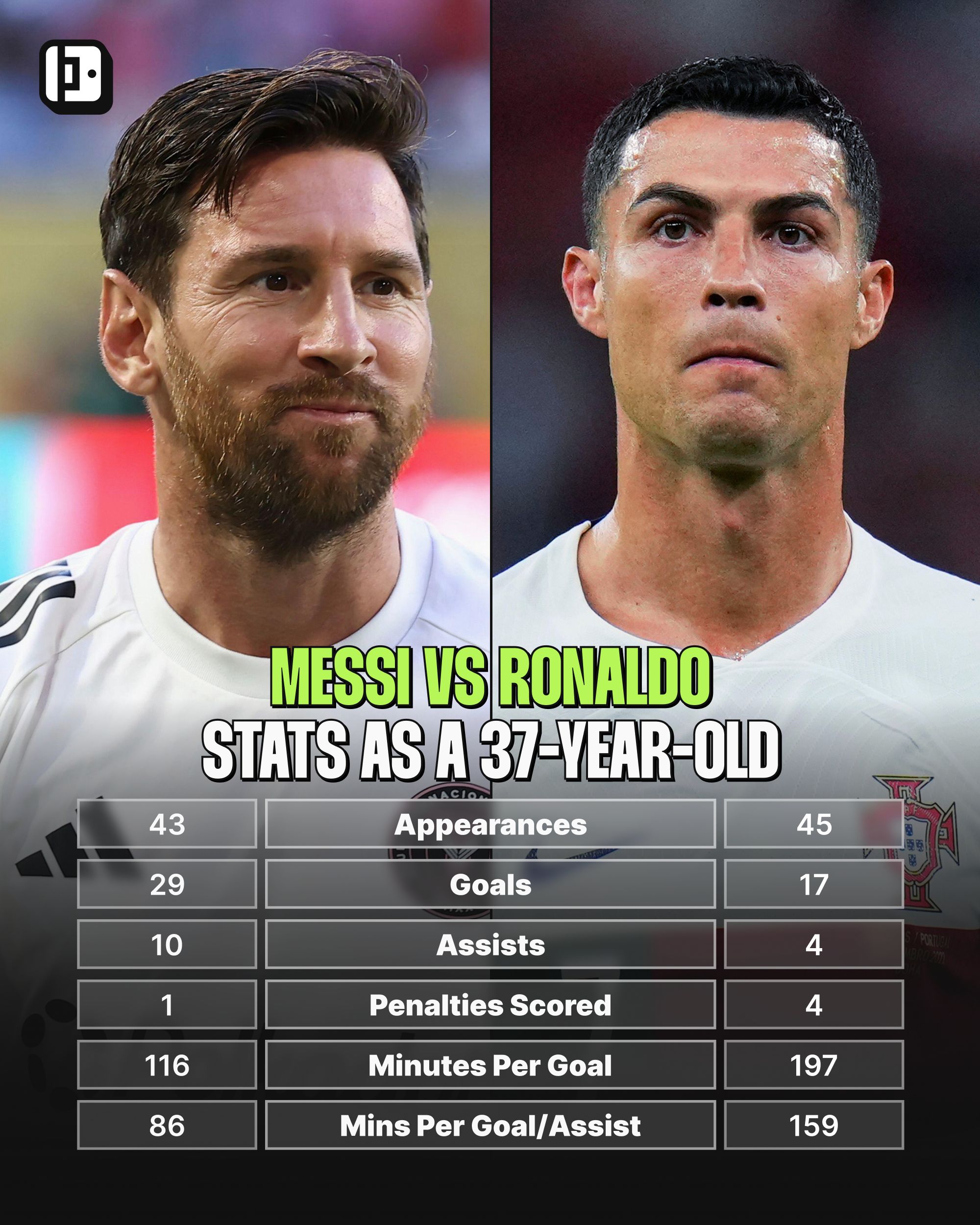
- Cristiano Ronaldo (Portugal): Maintained goalscoring output into his late thirties and early forties through elite physical preservation and box movement.
Messi's ability to remain decisive at 39 highlights how elite vision and ball striking age far better than raw physical attributes like sprint speed or jumping power.
Key Career Phases: Comparative Analysis
To understand how Messi’s game has changed at age 39, the table below compares his physical, tactical, and statistical profile across three major phases of his professional career.
| Career Phase | Primary Age Range | Primary Club(s) | Main Tactical Role | Physical Profile Focus | Key Technical Feature |
|---|---|---|---|---|---|
| Peak Elite Phase | 22–31 (2009–2018) | FC Barcelona | False 9 / Right Winger | High acceleration, agility, burst speed | Rapid dribbling, tight space control, high volume scoring |
| Late Prime Phase | 32–35 (2019–2022) | FC Barcelona / PSG / Argentina | Deep Playmaker / Attacking Midfield | Strategic pacing, sustained endurance | Through-balls, line-breaking passes, set-piece accuracy |
| Veteran Era | 36–39 (2023–2026) | Inter Miami CF / Argentina | Free-Roaming 10 / Second Striker | Load-managed mobility, spatial conservation | Vision, tempo control, high-leverage final passes |
Physical Adaptations and Sports Science at 39
Maintaining top-tier performance at age 39 requires advanced sports science techniques to prevent soft-tissue injuries, manage chronic fatigue, and preserve explosive movement over short distances.
Late-Career Physical Maintenance Model
- Biomechanical Efficiency
- Minimizing unnecessary distance covered out of possession
- Optimizing deceleration and direction-change mechanics
- Recovery & Hydration
- Tailored nutrition plans emphasizing anti-inflammatory diets
- Real-time physiological monitoring via biometric sensors
- Load Rotation
- Capped training intensity prior to matchdays
- Strategic bench management during domestic league play
Muscle Preservation and Sprint Selection
At 39, players experience natural declines in fast-twitch muscle fibers, which reduces peak sprint velocity. Messi adapts by reducing the frequency of his sprints while maintaining high efficiency on the acceleration bursts he does attempt. Instead of making 30–40 high-intensity sprints per match, he selects 8–12 decisive accelerations into clear space, maximizing their impact on scoring opportunities.
Future Outlook: Beyond Age 39
As Messi navigates his 39th year, questions regarding retirement and post-playing roles become central to discussions about his legacy.
- Inter Miami Ownership Options: Messi's contract structure with Inter Miami CF reportedly includes options for post-retirement equity in the franchise, following the blueprint established by David Beckham’s move to MLS in 2007.
- Global Football Ambassadorship: Beyond his playing days, Messi is expected to maintain roles with the Argentine Football Association (AFA), FIFA, and commercial entities expanding youth football development across the Americas.
- Coaching vs. Executive Path: Unlike some of his contemporaries, Messi has expressed less immediate interest in traditional touchline management, leaning instead toward executive advisory roles or talent development mentorship.
Frequently Asked Questions
When does Lionel Messi turn 39 years old?
Lionel Messi turns 39 on June 24, 2026. He was born on June 24, 1987, in Rosario, Argentina.
Is Lionel Messi still under contract with Inter Miami CF at age 39?
Yes, Messi's contract extensions and options with Inter Miami CF keep him active with the club through the 2025 and 2026 MLS seasons, subject to performance and fitness evaluations.
How does Lionel Messi's play style at 39 differ from his peak years at Barcelona?
At 39, Messi relies less on high-frequency dribbling and rapid acceleration from the wing. Instead, he plays as a central free-roaming playmaker, relying on spatial awareness, vision, line-breaking passes, and free-kick precision while managing his physical exertion.
Has any outfield player won a World Cup at age 39?
While goalkeepers like Dino Zoff (age 40 in 1982) have won the World Cup at advanced ages, very few outfield players have played central roles in World Cup tournaments at age 39. Remaining an active starter at 39 places Messi among the most physically durable attackers in international history.
What sports science methods allow Messi to keep playing at 39?
Messi’s late-career longevity is supported by targeted load management, low-impact conditioning, biomechanical tracking, anti-inflammatory recovery diets, and tactical schemes that minimize defensive sprinting requirements out of possession.
Strategic Takeaways for Fans and Sports Analysts
Evaluating Lionel Messi at age 39 requires looking beyond standard running metrics or physical coverage statistics.
- Focus on Efficiency: Analyze match impact through progressive passes, chances created per 90 minutes, and goal involvements rather than total distance covered.
- Observe Off-the-Ball Positioning: Watch how Messi scans the pitch out of possession, continuously positioning himself in defensive dead zones to receive passes cleanly.
- Track Workload Decisions: Monitor rotation patterns during domestic cup and league matches to understand how technical staff preserve peak readiness for marquee international and playoff fixtures.
Image Gallery