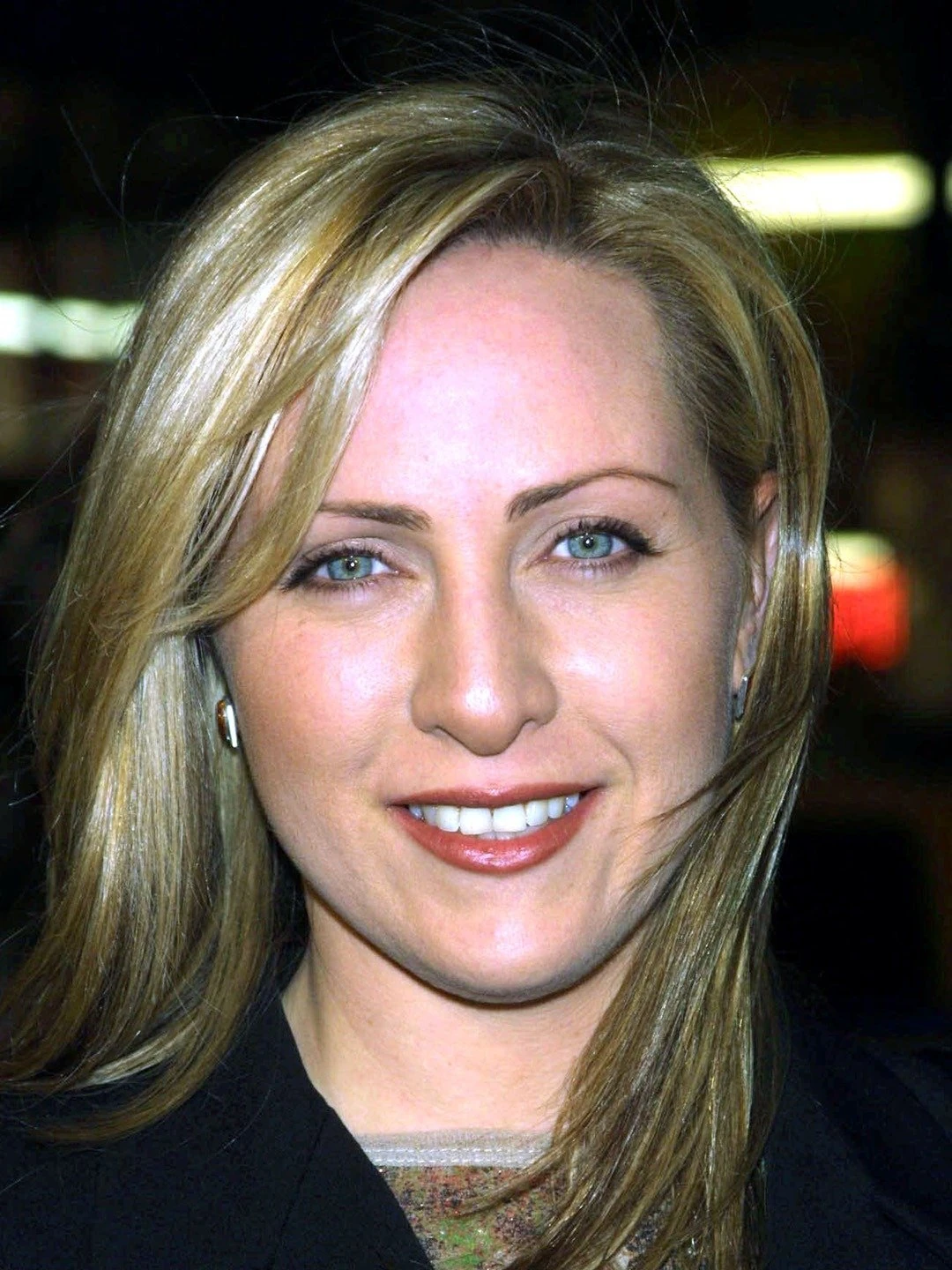
Renée Estevez in Heathers: Character Role, Narrative Impact, and Career Legacy
Renée Estevez played Betty Finn in the 1989 cult classic dark comedy Heathers. As the childhood best friend of protagonist Veronica Sawyer (Winona Ryder), Betty Finn serves as the primary moral anchor of the film, symbolizing uncorrupt...
Renée Estevez played Betty Finn in the 1989 cult classic dark comedy Heathers. As the childhood best friend of protagonist Veronica Sawyer (Winona Ryder), Betty Finn serves as the primary moral anchor of the film, symbolizing uncorrupted innocence and authenticity against the cruel social hierarchy of Westerburg High and the destructive nihilism of J.D. (Christian Slater).
Contents
The Role of Betty Finn in Heathers
In the 1989 satirical film Heathers, directed by Michael Lehmann and written by Daniel Waters, Renée Estevez portrays Betty Finn—a quiet, grounded high school student who represents Veronica Sawyer's life prior to her integration into the elite and abusive "Heathers" clique. While Heather Chandler (Kim Walker), Heather Duke (Shannen Doherty), and Heather McNamara (Lisanne Falk) dominate the school through intimidation, vanity, and psychological warfare, Betty remains comfortably outside their sphere of superficiality.
Betty Finn is introduced as someone who still enjoys simple, childhood pastimes such as board games, croquet, and straightforward friendship. Unlike the Heathers, who evaluate human worth based on fashion, popularity, and cruelty, Betty values genuine human connection. Her presence in the film provides a stark baseline of normalcy, illustrating what Veronica had to forfeit in exchange for social status.
Westerburg High Social Spectrum:
- Authentic Normalcy: Betty Finn (Renée Estevez)
- Toxic Power Structure: Heather Chandler (Kim Walker)
- Both connect to Veronica Sawyer (Winona Ryder)
Throughout the narrative, Betty acts as a mirror for Veronica’s lingering conscience. Even after Veronica is absorbed into the popular clique, she periodically seeks out Betty's company, showing that Veronica has not fully surrendered her ethics. These brief moments of reconnection reveal Veronica’s deep desire to escape the suffocating politics of the clique, establishing Betty Finn as a critical narrative counterweight.
Narrative Function: The Moral Anchor and Suspense Catalyst
Betty Finn fulfills two critical structural functions within the screenplay of Heathers: serving as the moral conscience of the protagonist and driving suspense during the film's climax.
1. The Representation of Innocence
Daniel Waters’ script uses Betty Finn to contrast the performative maturity of high school teenagers with genuine youth. The Heathers imitate adult vices—drinking, manipulation, and power plays—while Betty remains comfortable being an actual teenager. In one notable sequence, Veronica visits Betty’s house to hang out, do math homework, and play Milton Bradley board games. This interaction underscores Veronica's internal conflict: she is torn between the dangerous allure of popularity and the quiet safety of authentic friendship.
2. The Clue and Escalation of Threat
As the plot shifts from dark high school satire to violent thriller, Betty unknowingly becomes a target. After the death of Heather Chandler—which Veronica and J.D. frame as a suicide—Betty uncovers an old middle school assignment. She points out to Veronica that the handwriting on Heather Chandler's forged suicide note matches a note written years earlier during a game of truth-or-dare.
- Old Middle School Note (Handwriting Match with Forged Suicide Note)
- Betty Discovers Link
- J.D. Targets Betty Finn
This discovery turns Betty into an accidental investigator. When J.D. realizes that Betty's observation could unravel their cover, he begins plotting her murder, viewing her as an operational hazard. J.D.'s desire to eliminate Betty highlights his complete descent into psychopathy and forces Veronica to confront the reality of his violence. By placing Betty in danger, the narrative forces Veronica to choose between enabling J.D.'s destructive spree or taking action to protect the innocent.
Renée Estevez and the Estevez/Sheen Acting Family
Renée Pilar Estevez was born on March 2, 1967, in New York City, into one of America's prominent acting families. She is the daughter of actor Martin Sheen (born Ramón Antonio Gerardo Estevez) and artist Janet Templeton. Her brothers are actors Emilio Estevez, Ramon Estevez, and Charlie Sheen (born Carlos Irwin Estevez).
Unlike her brother Charlie, who adopted their father's professional stage surname Sheen, Renée retained her family’s birth surname, Estevez, alongside her older brother Emilio.
| Family Member | Professional Name | Notable Works / Achievements |
|---|---|---|
| Martin Sheen (Father) | Martin Sheen | Apocalypse Now, The West Wing, Wall Street |
| Emilio Estevez (Brother) | Emilio Estevez | The Breakfast Club, St. Elmo's Fire, The Mighty Ducks |
| Charlie Sheen (Brother) | Charlie Sheen | Platoon, Wall Street, Two and a Half Men |
| Ramon Estevez (Brother) | Ramon Estevez | That Was Then... This Is Now, Cadence, Producer |
| Renée Estevez | Renée Estevez | Heathers, Sleepaway Camp II, The West Wing |
During the late 1980s, Renée Estevez established her own acting footprint in independent cinema, television movies, and genre films. Her casting in Heathers aligned with a decade where youth ensemble films often featured second-generation actors and rising talent who brought a distinct authenticity to high school archetypes.
Comparative Breakdown: Social Dynamics in Heathers
To understand why Renée Estevez’s portrayal of Betty Finn is vital to the dynamic of Heathers, it is helpful to examine how the primary characters function within Westerburg High's social matrix.
| Character | Actor | Primary Trait | Social Function | Narrative Fate |
|---|---|---|---|---|
| Veronica Sawyer | Winona Ryder | Cynical, observant | Protagonist seeking redemption | Survives; reclaims self-identity |
| Betty Finn | Renée Estevez | Grounded, loyal | Moral anchor and authentic friend | Survives J.D.'s target list |
| Heather Chandler | Kim Walker | Tyrannical, dominant | Catalyst for social hierarchy | Murdered by J.D. and Veronica |
| Heather Duke | Shannen Doherty | Insecure, opportunistic | Successor to Chandler's power | Deposed by Veronica |
| Heather McNamara | Lisanne Falk | Passive, fragile | Vulnerable follower | Saved from suicide by Veronica |
| Jason "J.D." Dean | Christian Slater | Nihilistic, manipulative | Antagonist posing as a rebel | Perishes in self-inflicted bomb explosion |
Key Scenes Featuring Renée Estevez in Heathers
Renée Estevez’s screen time in Heathers is relatively brief compared to the main leads, but her scenes carry significant narrative weight.
The High School Cafeteria Scene
In the film's opening acts, the stark division between high school social classes is established in the cafeteria. While the Heathers sit at a central, elevated table dictating fashion rules and cruel pranks, Betty Finn sits elsewhere, engaged in normal conversations. Veronica's glances toward Betty signal her nostalgia for a simpler life free of peer pressure and constant anxiety.
The Homework and Board Game Scene
One of the film's most intimate scenes occurs in Betty's bedroom. Veronica escapes the exhausting demands of the Heathers to spend an evening with Betty doing math homework and playing childhood games. The scene demonstrates that, despite Veronica's high-fashion wardrobe and cynical defense mechanisms, her core bond with Betty remains intact.
Veronica's Internal Conflict:
- The Heathers
- Superficiality
- Cruelty & Control
- High Social Status
- Betty Finn
- Authenticity
- True Friendship
- Low Social Anxiety
The Handwriting Revelation Scene
The turning point for Betty’s safety comes when she shows Veronica an old note, innocently comparing the handwriting to Heather Chandler's publicized suicide note. Estevez delivers her lines with casual curiosity, unaware of the dangerous secret she has uncovered. This understated performance heightens the tension, as the audience recognizes the danger Betty is in long before she does.
Renée Estevez’s Broader Filmography and Television Career
Beyond her role in Heathers, Renée Estevez built a diverse resume spanning horror, comedy, drama, and television production.
Early Feature Films and Cult Horror
In the late 1980s and early 1990s, Estevez became a recognizable face in cult genre cinema:
- Sleepaway Camp II: Unhappy Campers (1988): Estevez played Molly Nagle, a main protagonist who confronts the killer Angela Baker. Her performance made her a popular figure among classic slasher fans.
- Intruder (1989): A cult slasher set in a night-shift grocery store, where she starred alongside Dan Hicks and Bruce Campbell.
- Single White Female (1992): Estevez appeared in a supporting role in this hit psychological thriller starring Bridget Fonda and Jennifer Jason Leigh.
- Addams Family Values (1993): She appeared as a featured performer in the praised comedy sequel directed by Barry Sonnenfeld.
Television and The West Wing
From 1999 to 2006, Renée Estevez had a recurring role on the critically acclaimed NBC political drama series The West Wing. She played Nancy, an executive assistant in the Oval Office working directly alongside President Josiah Bartlet—portrayed by her real-life father, Martin Sheen.
Her role as Nancy spanned multiple seasons, adding a subtle real-world family connection to the show's Oval Office scenes. In addition to acting, Estevez expanded her career into screenwriting and television story development, writing episodes for crime drama series such as Anger Management.
Adaptations and Legacy of the Character
The cultural footprint of Heathers grew significantly over the decades, leading to stage and television adaptations that reinterpreted Daniel Waters' original characters.
Heathers (1989 Film) (Renée Estevez as Betty):
Heathers: The Musical (2014)
- Character merged into Martha Dunnstock
Heathers TV Reboot (2018)
- Expanded, modern subversions
Heathers: The Musical (2014): In the off-Broadway and West End stage musical adaptations, the character traits of Betty Finn were largely merged into the expanded character of Martha Dunnstock to streamline the stage narrative. However, Betty Finn's original role as the moral anchor remains a foundational element of the story's structure.
Television Series (2018): The short-lived TV adaptation reimagined the social dynamics of Westerburg High for a contemporary audience, referencing the original characters played by Estevez and her castmates in the 1989 original.
Film historians and screenwriters frequently study Heathers as a masterclass in tone, black comedy, and character contrast. Renée Estevez's portrayal of Betty Finn remains an essential element of the film's success, giving the audience a clear standard of decency against which the destructive actions of Westerburg High can be measured.
Frequently Asked Questions
What character did Renée Estevez play in Heathers?
Renée Estevez played Betty Finn, the childhood best friend of Veronica Sawyer (Winona Ryder). Betty represents genuine friendship, honesty, and moral clarity, contrasting sharply with the toxic popular clique known as the Heathers.
How is Renée Estevez related to Martin Sheen and Charlie Sheen?
Renée Estevez is the daughter of actor Martin Sheen and the younger sister of actor Charlie Sheen. She is also the sister of actor/director Emilio Estevez and actor/producer Ramon Estevez. She retained her family's original legal surname, Estevez, for her professional career.
Does Betty Finn die in Heathers?
No, Betty Finn survives the events of Heathers. Although J.D. (Christian Slater) plans to target her after she notices a match between an old note and a forged suicide note, Veronica intervenes to prevent J.D. from harming her.
What role did Renée Estevez play in The West Wing?
In The West Wing, Renée Estevez played Nancy, an executive assistant working in the Oval Office. She appeared across multiple seasons alongside her real-life father, Martin Sheen, who starred as President Josiah Bartlet.
What other horror and cult movies did Renée Estevez star in during the 1980s?
In addition to Heathers (1989), Renée Estevez starred as Molly Nagle in the slasher sequel Sleepaway Camp II: Unhappy Campers (1988) and appeared in the cult grocery-store slasher film Intruder (1989).
Recommended Next Steps for Cult Film Historians
For scholars, cinema enthusiasts, and fans analyzing 1980s dark comedy and ensemble casting, exploring Renée Estevez’s work in Heathers provides valuable context for the era's screenwriting conventions:
- Compare Screenplay Drafts: Review Daniel Waters’ original shooting script for Heathers to examine how Betty Finn's scenes were structured to heighten suspense around J.D.'s motives.
- Explore Contemporary 1980s Slasher Cinema: View Sleepaway Camp II: Unhappy Campers (1988) and Intruder (1989) to evaluate Estevez's performances as a lead protagonist in late-80s genre filmmaking.
- Study Ensemble Dynamics: Analyze how the Sheen/Estevez family contributed to late-20th-century American film and television, ranging from The Breakfast Club and Platoon to Heathers and The West Wing.
Image Gallery