De’Von Achane’s 40-Minute Training Routine: The Blueprint for Elite NFL Speed
De’Von Achane’s 40-minute routine is a high-intensity, track-inspired protocol focusing on Central Nervous System (CNS) activation, explosive hip mobility, and linear speed mechanics. By blending Olympic sprinting drills with football-...
De’Von Achane’s 40-minute routine is a high-intensity, track-inspired protocol focusing on Central Nervous System (CNS) activation, explosive hip mobility, and linear speed mechanics. By blending Olympic sprinting drills with football-specific agility, the routine optimizes ground contact time and lateral force, allowing Achane to maintain his record-breaking 20+ mph game speed.
Contents
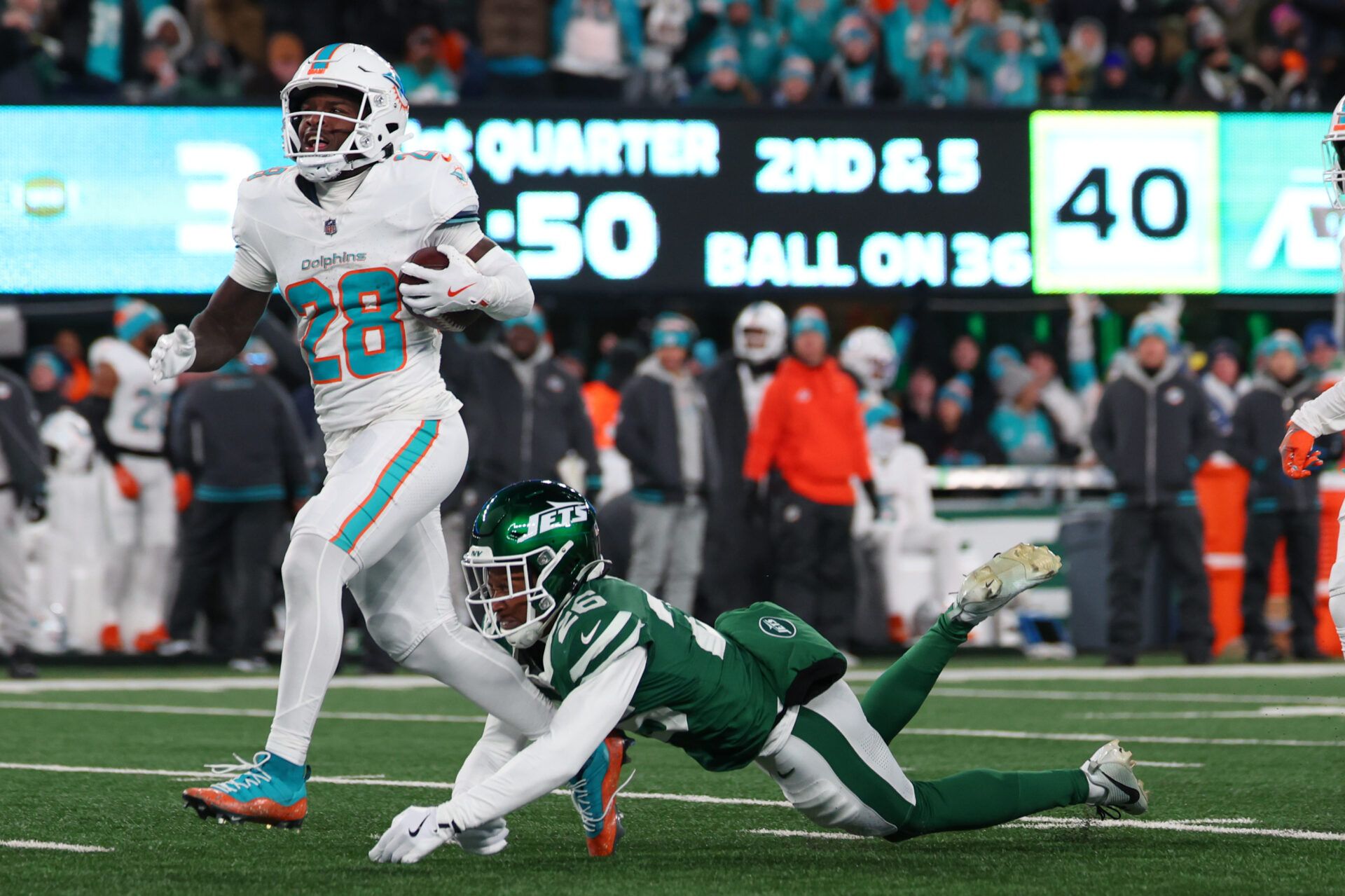
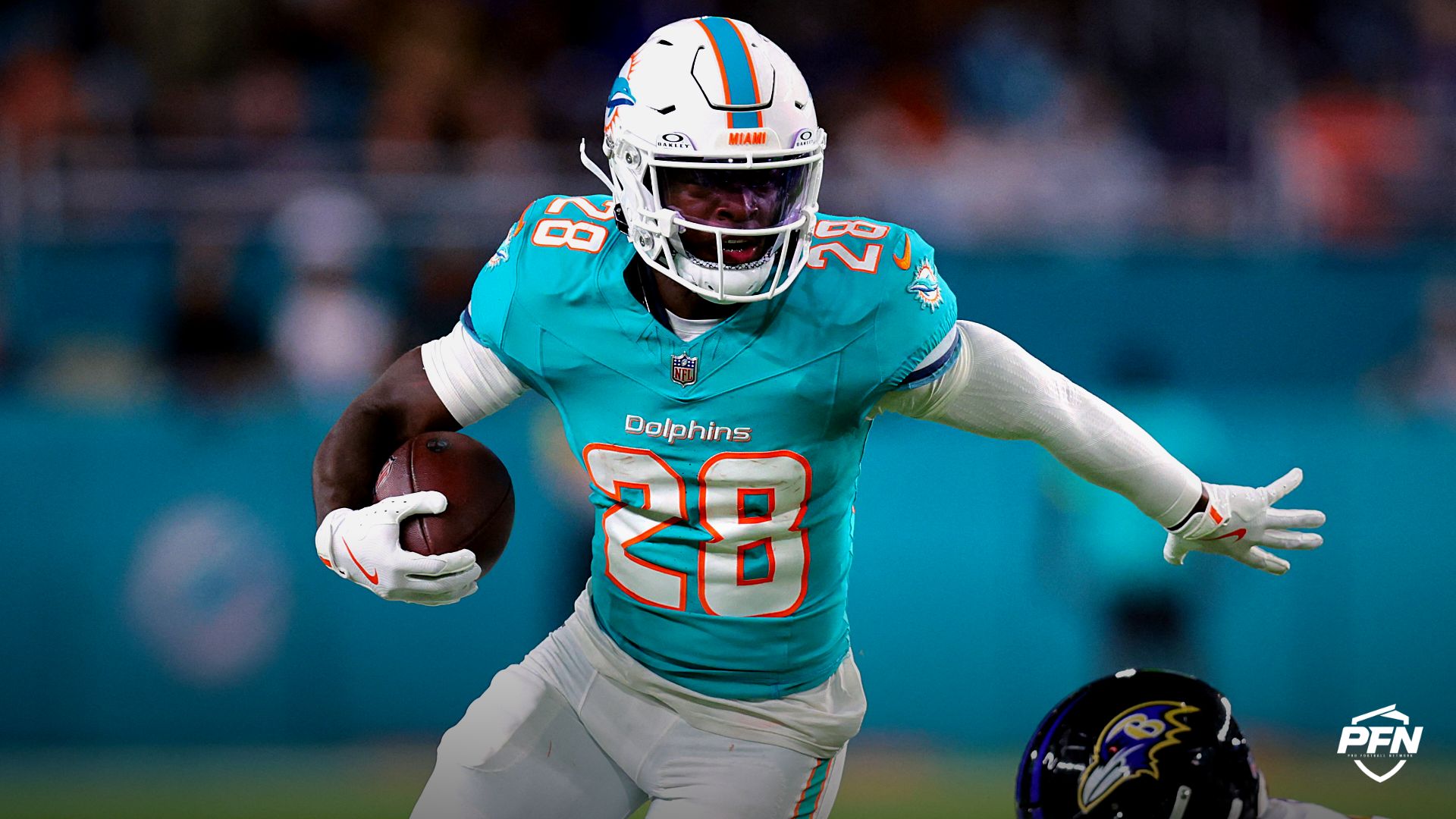
As we move through the 2026 NFL season, the league has seen a dramatic shift in how "speed backs" prepare for the rigors of a 17-game schedule. Miami Dolphins star De’Von Achane has been at the forefront of this evolution. Since his breakout rookie campaign, Achane has refined a specific 40-minute daily window that serves as the bridge between raw track speed and functional football power.
This routine is not a standard weightlifting session. Instead, it is a precision-engineered "primer" designed to wake up the fast-twitch muscle fibers and ensure the body is mechanically aligned for maximum velocity. For athletes and coaches looking to replicate this elite performance, understanding the physiological "why" behind each movement is essential.
The Philosophy of the 40-Minute Window
The genius of Achane’s routine lies in its efficiency. In professional football, where time is a premium commodity, spending two hours on a warm-up is counterproductive. Achane, drawing from his background as a world-class sprinter at Texas A&M, utilizes a "short-to-long" CNS activation strategy.
The primary objective of these 40 minutes is to achieve neuromuscular facilitation. This means the brain and the muscles are communicating at the highest possible frequency before a single snap is taken. By focusing on quality of movement over volume, Achane avoids the "heavy legs" often associated with traditional bodybuilding or endurance-based warm-ups. This routine is what allows him to hit his top gear in the first quarter and maintain it through the fourth.
Phase 1: Dynamic Mobility and Joint Centration (0–10 Minutes)
The first ten minutes are dedicated to "pre-hab" and mobility. Achane’s speed is dependent on his ability to achieve extreme joint angles without injury. For a running back of his stature, the hips and ankles are the primary power centers.
Hip Capsule Mobilization
Achane begins with active isolated stretching (AIS) rather than static stretching. Static stretching can actually decrease power output if done before explosive activity. Instead, he uses a series of controlled leg swings and 90/90 hip rotations. These movements ensure that the femur is "centered" in the hip socket, allowing for a full range of motion during the drive phase of a sprint.
Ankle Dorsiflexion
Elite speed requires a "stiff" ankle. If the ankle is too soft, energy is lost when the foot hits the turf. Achane performs weight-bearing dorsiflexion stretches and "alphabet" ankle circles to ensure the joint is mobile enough to absorb force but stable enough to return it. This 10-minute block is the foundation that prevents the soft-tissue strains (hamstrings and calves) that often plague high-velocity athletes.
Phase 2: CNS Activation and Sprint Mechanics (10–25 Minutes)
This is the core of the routine. Drawing directly from his track pedigree, Achane performs a series of "A-Series" and "B-Series" drills. These are designed to reinforce the "piston" action of the legs.
- A-Skips and A-Marches: These drills focus on high knee drive and a "toe-up" (dorsiflexed) position. The goal is to train the body to strike the ground directly under the center of mass.
- Wall Drills: Achane leans against a wall at a 45-degree angle, simulating the acceleration phase of a sprint. He performs rapid "triplets" (three quick steps), focusing on violent hip flexion and extension.
- Pogo Jumps: To improve the "stretch-shortening cycle" (SSC), Achane performs short, bouncy jumps using only the ankles. This builds the "spring-like" quality that makes him so elusive in the open field.
The intensity during this 15-minute block is high. Every rep is performed at 100% focus. Achane isn't just "warming up"; he is recalibrating his internal motor to handle the high-speed transitions required in Mike McDaniel’s expansive offense.
Phase 3: Lateral Displacement and Agility (25–35 Minutes)
Speed in the NFL is rarely a straight line. The third phase of the routine transitions from linear track mechanics to lateral football movements. Achane utilizes a low center of gravity to master the "cut-and-go" transition.
The Micro-Ladder
Unlike traditional ladder drills that focus on "fast feet" with little purpose, Achane uses a micro-ladder to work on spatial awareness and base width. He ensures his feet never get too close together, which allows him to change direction instantly without losing balance.
Pro-Agility Shuttles (Modified)
Achane performs short 5-yard bursts where he must touch the ground and explode back to the starting line. The focus here is on the "outside foot" plant. He minimizes the number of steps needed to decelerate, a key metric that NFL scouts and sports scientists use to measure elite twitch. By the end of this 10-minute segment, his body is fully primed for the lateral demands of zone-blocking schemes and screen passes.
Phase 4: Neural Down-Regulation and Readiness (35–40 Minutes)
The final five minutes are about transition. After 35 minutes of high-intensity firing, Achane takes a moment to bring his heart rate down slightly while maintaining the "tonicity" in his muscles.
He performs deep diaphragmatic breathing to switch from a sympathetic (fight or flight) state to a focused, calm state. This "mental reset" is crucial for a player who needs to process complex defensive alignments at high speeds. He finishes with two 20-yard "build-ups"—sprints that start at 50% and end at 90%—to confirm that all systems are "Go."
Comparative Overview: Achane’s Routine vs. Standard NFL Warm-ups
| Component | Achane’s 40-Minute Routine | Traditional NFL Warm-up |
|---|---|---|
| Primary Focus | CNS Activation & Sprint Mechanics | Muscle Temperature & General Mobility |
| Key Influence | Collegiate Track & Field (Texas A&M) | Traditional Strength & Conditioning |
| Movement Style | High-velocity, specific joint centration | Static stretching and light jogging |
| Footwear | Minimalist or "Speed" focused | Standard team-issue cleats |
| Duration | Strictly 40 Minutes (High Density) | 60+ Minutes (Low Density) |
| Mental State | High-focus, precision-based | Group-based, social environment |
Application for Developing Athletes
While De’Von Achane has the benefit of elite genetics and professional coaching, the principles of his 40-minute routine are applicable to high school and collegiate players. The most common mistake young athletes make is "static stretching" for 20 minutes and then wondering why they feel slow during the game.
To implement an "Achane-style" routine, athletes should focus on the following:
- Quality over Quantity: If a sprint drill looks "sloppy," stop and reset. Speed is a skill that must be practiced perfectly.
- Consistency: This routine is done daily, not just on game days. The body needs to be "reminded" how to move efficiently every single morning.
- Film Study: Achane often films his movement sessions to check his hip height and shin angles. Even a smartphone can be a powerful tool for self-correction.
Common Mistakes to Avoid
When attempting to replicate a professional routine, athletes often overlook the nuances. One major error is performing these drills when already fatigued. The 40-minute routine is meant to prime the body, not exhaust it. If you find yourself gasping for air during Phase 2, the intensity is too high or the rest periods are too short.
Another mistake is neglecting the "stiff ankle" principle. Many players let their heels collapse to the ground during A-skips. This bleeds power. To move like Achane, you must stay "on the balls of your feet" with a dorsiflexed ankle to ensure maximum energy return from the turf.
Frequently Asked Questions
Does De’Von Achane use specific equipment for this routine?
Achane primarily relies on body weight and gravity, but he occasionally incorporates resistance bands for hip activation and weighted vests (light, 5-10 lbs) to increase the demand during wall drills. The focus remains on speed of movement rather than the amount of weight moved.
How does this routine change during the off-season?
During the off-season, the 40-minute routine serves as the "warm-up" for a much longer, more grueling track session. In-season, the routine is the primary focus to ensure he stays "bouncy" without adding unnecessary fatigue that could lead to injury during games.
Is this routine suitable for larger players like Linemen?
While the intensity and mechanics change, the concept of CNS activation is vital for all positions. Linemen would focus less on top-end sprint mechanics and more on short-area explosiveness and lateral hip power, but the 40-minute structure remains a gold standard for professional preparation.
How does Achane handle recovery after such an intense routine?
Recovery is integrated into his overall lifestyle. Following the 40-minute session and subsequent practice/game, he utilizes cold-water immersion and pneumatic compression boots to flush metabolic waste. However, he credits the routine itself—specifically the mobility work—as his primary defense against injury.
What is the role of nutrition in this routine?
Achane typically performs this routine in a "fueled" state, meaning he has consumed fast-acting carbohydrates and electrolytes. Because the CNS requires significant glucose to fire at high frequencies, attempting this routine on an empty stomach can lead to diminished results and slower reaction times.
Final Recommendation
To see the best results from De’Von Achane’s 40-minute routine, start by mastering Phase 1 (Mobility) and Phase 2 (Sprints) before moving into the high-speed agility of Phase 3. The secret to Achane's success isn't a "magic drill"; it is the disciplined, daily application of elite track mechanics to the football field. If you are a coach or an athlete, prioritize the quality of ground contact and the "snappiness" of each movement. Over time, this neural priming will lead to significant gains in game-speed and on-field explosiveness.
Image Gallery