June as the Sixth Month of the Gregorian Calendar
June is the sixth month of the year in the Gregorian calendar, the internationally accepted civil calendar. It follows May and precedes July, consisting of exactly 30 days. In the Northern Hemisphere, June contains the summer solstice...
June is the sixth month of the year in the Gregorian calendar, the internationally accepted civil calendar. It follows May and precedes July, consisting of exactly 30 days. In the Northern Hemisphere, June contains the summer solstice and marks the beginning of summer, while in the Southern Hemisphere, it signals the start of winter.
Contents
The Historical Evolution of June
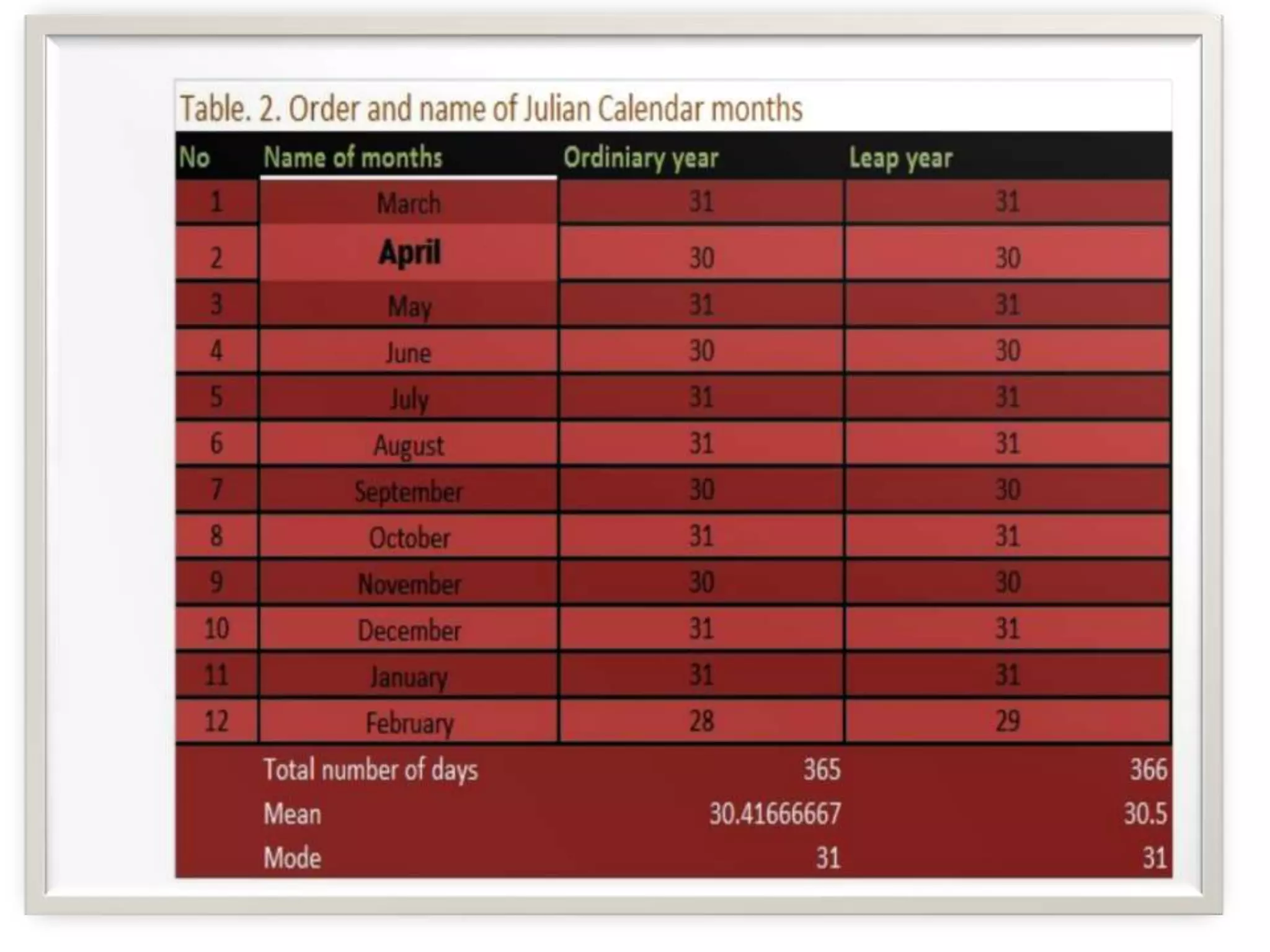
The position of June as the sixth month is the result of centuries of calendrical refinement. To understand why June sits where it does today, one must look back at the early Roman calendar. In the original Roman system attributed to Romulus, the year began in March (Martius). At that time, June was the fourth month of the year. The calendar only consisted of ten months, ending with December, followed by an unorganized winter period that did not belong to any specific month.
The transition toward the modern 12-month structure began with Numa Pompilius, the second king of Rome, who added January and February to the end of the year. However, it was the Julian reform in 46 BC, led by Julius Caesar, that standardized the length of the months and firmly established the 12-month cycle. Under the Julian calendar, January and February were moved to the beginning of the year, which pushed June from the fourth position to the sixth.
In 1582, Pope Gregory XIII introduced the Gregorian calendar to correct a slight inaccuracy in the Julian system. The Julian year was approximately 11 minutes longer than the solar year, causing the calendar to drift away from the astronomical seasons over centuries. The Gregorian reform corrected this by adjusting the leap year rules. Despite these significant shifts in how we track time, June’s identity as a 30-day month in the sixth position remained unchanged. As of 2026, the Gregorian calendar continues to serve as the global standard for civil, commercial, and social scheduling.
Etymology and the Goddess Juno
The name "June" is widely believed to be derived from the Roman goddess Juno (Iuno). In Roman mythology, Juno was the queen of the gods, the wife of Jupiter, and the patroness of marriage and the well-being of women. Her association with the month has had a lasting impact on cultural traditions, particularly the long-standing preference for June weddings. It was believed that couples married in Juno’s month would be blessed with happiness and prosperity.
An alternative etymological theory suggests that the name comes from the Latin word iuniores, meaning "younger ones." This theory posits that the early Roman months were named to honor different segments of the population: May (Maius) for the maiores (the elders) and June (Iunius) for the iuniores (the youth). While the connection to the goddess Juno remains the most popular explanation among historians, both theories highlight June’s historical focus on growth, vitality, and social foundations.
Calendar Mechanics and the Structure of June 2026
June is one of four Gregorian months with a length of 30 days, the others being April, September, and November. In the context of the year 2026, June begins on a Monday and ends on a Tuesday.
Understanding the internal structure of the month is essential for business planning and logistical coordination. In 2026, June contains exactly four full weekends. Because it has 30 days, it is often viewed as a "transitional" month in corporate fiscal cycles, frequently marking the end of the second quarter (Q2) and the first half of the fiscal year for many organizations.
June 2026 Calendar Overview
| Feature | Detail |
|---|---|
| Total Days | 30 Days |
| Start Day (2026) | Monday, June 1 |
| End Day (2026) | Tuesday, June 30 |
| Quarter | End of Quarter 2 (Q2) |
| Northern Season | Late Spring / Early Summer |
| Southern Season | Late Autumn / Early Winter |
| Full Moons | June 29, 2026 (Strawberry Moon) |
The placement of June in the middle of the calendar year provides a psychological "midpoint" for many cultures. It is the time when educational institutions in the Northern Hemisphere typically conclude their academic years, and families begin preparing for summer migrations or holidays.
Astronomical Significance: The Summer Solstice
The most significant astronomical event in June is the summer solstice, which occurs when the Earth's tilt toward the sun is at its maximum. In 2026, the solstice occurs on June 21. This event marks the longest day of the year and the shortest night in the Northern Hemisphere. Conversely, for those in the Southern Hemisphere, this date marks the winter solstice, resulting in the shortest day and the longest night of the year.
The solstice is not merely a calendar date but a precise moment in time when the Sun reaches its highest point in the sky for an observer at the Tropic of Cancer. This phenomenon has been observed and celebrated by human civilizations for millennia. Sites like Stonehenge in England and the Great Pyramids of Giza were aligned with the sun’s position during the June solstice, demonstrating the ancient importance of tracking this month's solar progress.
From a technical standpoint, the June solstice occurs because the North Pole is tilted about 23.4 degrees toward the Sun. For several days before and after the solstice, the Sun's path across the sky appears to stand still, which is the literal meaning of the Latin word solstitium (sol for sun and sistere to stand still).
Cultural and Modern Observances
June is a month of high cultural density, hosting various international observances that range from historical commemorations to social awareness movements.
Pride Month
June is recognized globally as Pride Month, dedicated to celebrating the LGBTQ+ community and commemorating the Stonewall Riots of June 1969. The month features parades, workshops, and advocacy events designed to promote equal rights and recognize the impact LGBTQ+ individuals have had on history locally and internationally.
Juneteenth
In the United States, June 19 is observed as Juneteenth (officially Juneteenth National Independence Day). This holiday commemorates the emancipation of enslaved African Americans. It marks the day in 1865 when federal troops arrived in Galveston, Texas, to take control of the state and ensure that all enslaved people be freed, two years after the Emancipation Proclamation was signed. It became a federal holiday in 2021 and remains a significant day for reflection and celebration of Black culture and freedom.
Father's Day
In many countries, including the United States, Canada, and the United Kingdom, the third Sunday of June is designated as Father's Day. In 2026, Father's Day falls on June 21, coinciding with the summer solstice. This day is used to honor fathers, grandfathers, and paternal bonds, complementing Mother's Day, which is typically observed in May.
World Environment Day
Established by the United Nations, World Environment Day is celebrated annually on June 5. It serves as the principal vehicle for encouraging awareness and action for the protection of the environment. Each year focuses on a specific theme, such as plastic pollution, biodiversity, or land restoration, mobilizing millions of people across the globe to engage in sustainable practices.
Meteorological Trends and Seasonal Transitions
While the solstice provides the astronomical start to summer (or winter), meteorologists often use "meteorological seasons" to group months by temperature patterns. In the Northern Hemisphere, meteorological summer begins on June 1. This period is characterized by rising temperatures, increased humidity in many regions, and the beginning of the Atlantic hurricane season, which officially starts on June 1.
In the Southern Hemisphere, June is the month when temperatures drop significantly as winter takes hold. In regions like Australia, South Africa, and South America, June brings the first frosts and, in high-altitude areas, the beginning of the snow season. These starkly different experiences of the same month highlight the importance of the Gregorian calendar as a unified global tool that nonetheless encompasses vast regional variations.
June in the 2026 Fiscal and Academic Cycle
For many businesses, June 30, 2026, is a critical deadline. It marks the end of the first half of the calendar year (H1) and the conclusion of the second fiscal quarter (Q2). Finance departments use the final weeks of June for reconciliation, performance reviews, and mid-year auditing.
In the educational sector, June is synonymous with graduation. For millions of students in North America and Europe, June 2026 will represent the culmination of years of study. High school and university commencement ceremonies are concentrated in this month, leading into a period of transition as graduates enter the workforce or prepare for higher levels of education.
Frequently Asked Questions
Why does June have 30 days instead of 31?
The length of June was determined by the Julian calendar reform. Prior to this, Roman months varied in length to fit a lunar cycle that was inherently "clunky." Julius Caesar and his advisors standardized June to 30 days to help align the calendar year with the 365.25-day solar year.
What is the birthstone and flower for June?
June is unique in that it has three modern birthstones: the Pearl, Alexandrite, and Moonstone. The traditional flowers for June are the Rose and Honeysuckle, both of which represent love, beauty, and the peak of the growing season in the Northern Hemisphere.
Is June the same length in a leap year?
Yes. Unlike February, which gains a day during a leap year, June always has exactly 30 days. The presence of a leap day in February (February 29) only shifts the day of the week on which June 1 falls; it does not change the duration of the month itself.
Why is June considered the most popular month for weddings?
The tradition is both mythological and practical. Mythologically, it honors Juno, the goddess of marriage. Practically, in agrarian societies, June was a time when the heavy labor of spring planting was finished, but the harvest had not yet begun, allowing families the leisure time to celebrate weddings. Additionally, the warmer weather made outdoor celebrations more feasible.
When is the exact summer solstice in 2026?
In 2026, the summer solstice (for the Northern Hemisphere) occurs on June 21. This is the moment when the Sun reaches its most northerly point in the sky.
Final Recommendation for June Planning
As you approach June 2026, it is advisable to treat the month as a dual-purpose period: one for logistical closure and another for personal renewal. For professionals, ensure that Q2 financial reports and mid-year goals are tracked by the June 30 deadline. For individuals, take advantage of the maximum daylight hours provided by the solstice for outdoor activities and travel, while acknowledging the historical and cultural significance of the month’s various observances.
Image Gallery