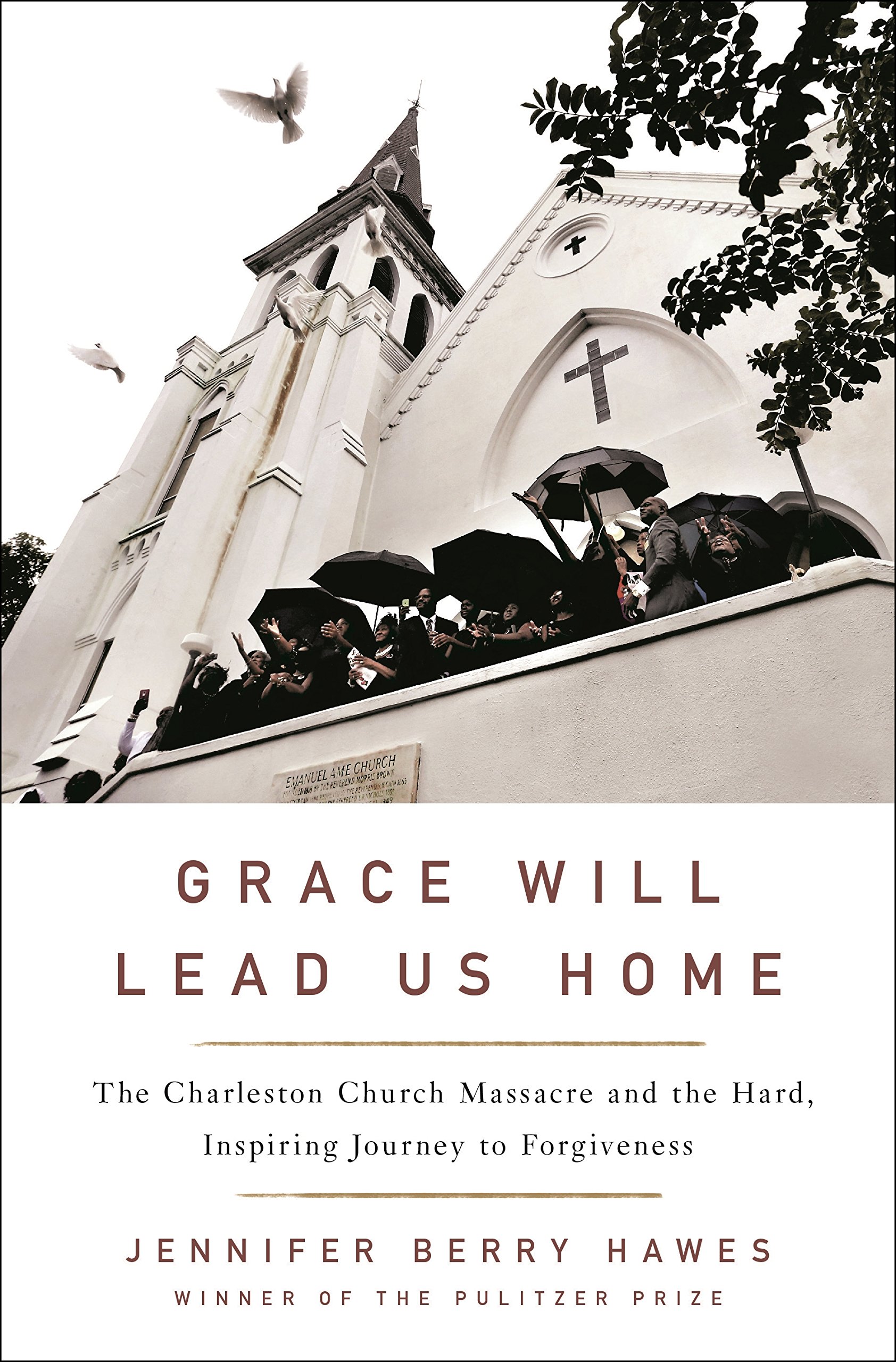
The Charleston Church Massacre Explained: A Definitive History and Legacy
The Charleston church massacre was a racially motivated mass shooting that occurred on June 17, 2015, at the Mother Emanuel African Methodist Episcopal Church in Charleston, South Carolina. Dylann Roof, a 21-year-old white supremacist,...
The Charleston church massacre was a racially motivated mass shooting that occurred on June 17, 2015, at the Mother Emanuel African Methodist Episcopal Church in Charleston, South Carolina. Dylann Roof, a 21-year-old white supremacist, murdered nine Black parishioners during a Bible study. The tragedy ignited a national movement to remove Confederate symbols and exposed critical failures in firearm background check systems.
Contents
Historical Significance of Mother Emanuel AME Church
To understand the weight of the tragedy, one must first recognize the significance of the target. Founded in 1816, the Emanuel African Methodist Episcopal Church is the oldest AME church in the Southern United States. It has long served as a bastion of African American resistance, community organizing, and spiritual resilience.
The church's history is intertwined with the struggle against slavery. In 1822, one of its co-founders, Denmark Vesey, was accused of plotting a major slave rebellion. In retaliation, white authorities burned the church to the ground. The congregation continued to meet in secret until the end of the Civil War, eventually rebuilding the structure that stands today on Calhoun Street. Because of this history, the attack was not seen merely as a random act of violence, but as a direct assault on a historic symbol of Black freedom and political power.
By 2026, the church remains a site of pilgrimage and a National Historic Landmark. Its survival through arson, earthquake, and massacre serves as a testament to the endurance of its congregation.
The Timeline of the June 17, 2015 Attack
On the evening of June 17, 2015, twelve members of the church gathered in the basement for a weekly Bible study. Dylann Roof entered the building carrying a concealed .45-caliber Glock handgun and eight magazines of hollow-point bullets.
Roof was not a member of the congregation but was welcomed by the parishioners. He sat with the group for approximately one hour, participating in the discussion. As the group closed their eyes for the final prayer, Roof began shooting. He specifically targeted Black members of the group, sparing one woman so she could "tell the story" of why he did it.
The victims included the church’s senior pastor, State Senator Clementa C. Pinckney, and eight other devoted members of the community. Roof fled the scene and was apprehended the following morning in Shelby, North Carolina, approximately 250 miles away. His confession to the FBI was chillingly detached; he stated that he chose Charleston because it was a city with a high ratio of Black residents and significant historical relevance.
The Perpetrator and the Ideology of White Supremacy
Dylann Roof’s radicalization occurred largely online. Following his arrest, investigators discovered his website, "The Last Rhodesian," which contained a 2,500-word manifesto and photographs of him posing with Neo-Nazi symbols and the Confederate battle flag.
His writings revealed a deep-seated hatred for Black people and a desire to incite a "race war." Roof expressed disappointment that no one was taking "drastic action" to protect the white race, which he perceived to be under threat. This case highlighted the burgeoning danger of online echo chambers and the "lone wolf" model of domestic terrorism, where individuals radicalize through extremist forums without direct physical contact with organized hate groups.
Legal experts and sociologists have noted that Roof's actions were a precursor to a wave of white nationalist violence seen in the late 2010s. The massacre forced the United States to confront the reality that domestic extremism, fueled by white supremacy, posed a significant and lethal threat to national security.
Legal Proceedings and the Historic Federal Verdict
The legal aftermath of the Charleston shooting was unprecedented in American history. Roof faced dual prosecutions in both federal and state courts.
In December 2016, a federal jury found Roof guilty on all 33 counts, including hate crimes resulting in death and the obstruction of the exercise of religion. This marked the first time in U.S. history that a person was sentenced to death for a federal hate crime. The prosecution relied heavily on the Matthew Shepard and James Byrd Jr. Hate Crimes Prevention Act, arguing that Roof’s actions were specifically intended to terrorize an entire racial group.
The sentencing phase was particularly harrowing, as Roof chose to represent himself, offering no remorse and telling the jury, "I felt like I had to do it, and I still feel like I had to do it." In January 2017, he was officially sentenced to death.
Following the federal trial, Roof pleaded guilty to state murder charges in April 2017 to avoid a second death penalty trial. He was sentenced to nine consecutive life terms without the possibility of parole. As of 2026, Roof remains on federal death row at the United States Penitentiary in Terre Haute, Indiana, while his legal team continues to pursue various appeals regarding his mental competency at the time of the trial.
The "Charleston Loophole" and Gun Control Reform
The massacre exposed a glaring weakness in the National Instant Criminal Background Check System (NICS), which became known as the "Charleston Loophole."
Under federal law at the time, if the FBI did not complete a background check within three business days, a licensed dealer could proceed with the sale by default. Because of a clerical error and a jurisdictional confusion regarding Roof’s prior drug arrest, his background check was not completed within the window. Consequently, he was able to purchase the murder weapon legally despite his disqualifying record.
The "Charleston Loophole" became a central focus of gun control advocates. For years, legislation was introduced to extend the background check period to ten days. While federal progress remained slow, several states passed their own laws to close this gap. The tragedy underscored how administrative delays in law enforcement databases can have lethal consequences.
Remembering the Emanuel Nine
The victims of the shooting, often referred to as the Emanuel Nine, were pillars of the Charleston community. Their ages ranged from 26 to 87, representing multiple generations of leadership and faith.
| Name | Age | Role/Background |
|---|---|---|
| Clementa C. Pinckney | 41 | Senior Pastor and South Carolina State Senator. |
| Cynthia Marie Graham Hurd | 54 | Librarian and lifelong community advocate. |
| Susie Jackson | 87 | Longtime choir member and church matriarch. |
| Ethel Lee Lance | 70 | Church sexton and grandmother of five. |
| Depayne Middleton-Doctor | 49 | Minister and school administrator. |
| Tywanza Sanders | 26 | Recent college graduate; died shielding his aunt. |
| Daniel Simmons | 74 | Retired pastor who served at multiple AME churches. |
| Sharonda Coleman-Singleton | 45 | Pastor, speech therapist, and high school track coach. |
| Myra Thompson | 59 | Teacher and church leader; leading the Bible study that night. |
The survivors—Polly Sheppard, Felicia Sanders, and her granddaughter—provided crucial testimony that helped secure Roof's conviction. The grace shown by the families of the victims, who famously told Roof "I forgive you" during his first bond hearing, sparked a global conversation about the nature of forgiveness and the power of faith in the face of absolute evil.
Socio-Political Impact: The Confederate Flag Controversy
In the immediate wake of the shooting, the presence of the Confederate battle flag on the grounds of the South Carolina State House became a focal point of national outrage. Photos of Roof posing with the flag made it impossible for many to view the symbol as merely a mark of "heritage."
Then-Governor Nikki Haley, reversing her previous stance, called for the flag’s removal. On July 10, 2015, the flag was permanently lowered and moved to a museum. This event triggered a nationwide movement to remove Confederate monuments, rename buildings, and reconsider the public display of symbols associated with the Confederacy and white supremacy. By 2026, hundreds of such monuments have been removed across the United States, a cultural shift that found its primary catalyst in the Charleston tragedy.
FAQs
What was the primary motive behind the Charleston church shooting?
The primary motive was white supremacy and racial hatred. According to the perpetrator’s manifesto and his own confession to the FBI, he aimed to incite a "race war" and chose Mother Emanuel because of its historical significance to the Black community. He believed that killing Black people in a house of worship would cause enough civil unrest to force a racial uprising.
How did the "Charleston Loophole" allow the shooter to get a gun?
The "Charleston Loophole" refers to a provision in the Brady Handgun Violence Prevention Act that allows a gun sale to proceed if a background check is not completed within three business days. In Roof’s case, an incomplete record of a previous drug arrest prevented the FBI from denying the sale in time, allowing him to acquire the handgun legally despite being ineligible.
What has happened to Dylann Roof since his conviction?
As of 2026, Dylann Roof is incarcerated at the federal death row facility in Terre Haute, Indiana. He was the first person in U.S. history sentenced to death for a federal hate crime. While he has filed multiple appeals—largely focused on his mental health and the fairness of representing himself—the courts have consistently upheld his conviction and sentence.
How did the community respond to the shooting?
The community response was defined by "Charleston Strong," a movement emphasizing unity and peace. Instead of the racial violence Roof hoped to incite, the city saw massive prayer vigils and a multiracial "Bridge to Peace" march across the Arthur Ravenel Jr. Bridge. The families’ public expression of forgiveness toward the shooter is credited with preventing civil unrest in the city.
Was anyone else involved in the planning of the attack?
Investigation revealed that Roof acted alone in the execution of the shooting, but two of his associates were charged with related crimes. Joseph Meek Jr. was sentenced to 27 months in prison for misprision of a felony (knowing about the plan and failing to report it) and lying to the FBI. Another associate, Joey Meek, had witnessed Roof's radicalization but did not alert authorities.
Practical Recommendations for Supporting Community Resilience
The legacy of the Charleston massacre is one of both profound sorrow and enduring hope. For those looking to honor the memory of the Emanuel Nine or engage with the issues raised by this event, the following actions are recommended:
- Support the Mother Emanuel Memorial: Visit or donate to the official memorial funds established to preserve the church’s history and support its ongoing community outreach.
- Engage in Anti-Radicalization Efforts: Support organizations that work to identify and counter online extremism and white nationalist radicalization.
- Advocate for Legislative Reform: Stay informed on state and federal efforts to close background check loopholes and strengthen hate crime legislation.
- Promote Racial Reconciliation: Participate in local initiatives that foster dialogue between different racial and religious groups to build the community cohesion that the Charleston shooting failed to destroy.
By 2026, the tragedy at Mother Emanuel serves as a somber reminder of the dangers of unchecked hatred, but also as a powerful example of how a community can emerge from darkness with a renewed commitment to justice and unity.
Image Gallery