The Role of Finance in Online Shopping: Navigating the 2026 E-commerce Ecosystem
Finance serves as the invisible engine of online shopping, transforming from a simple checkout tool into a sophisticated ecosystem of embedded credit, secure payment orchestration, and personalized liquidity. By 2026, it enables seamle...
Finance serves as the invisible engine of online shopping, transforming from a simple checkout tool into a sophisticated ecosystem of embedded credit, secure payment orchestration, and personalized liquidity. By 2026, it enables seamless global transactions, protects consumer data through advanced encryption, and provides the capital necessary for merchants to scale in a competitive digital marketplace.
Contents
The Integration of Financial Services into the Digital Journey
The relationship between finance and online shopping has evolved from a transactional necessity into a core component of the user experience. In the early days of e-commerce, finance was relegated to the final step of a journey—entering credit card details at a gateway. Today, in 2026, financial services are woven into every stage of the customer lifecycle, a phenomenon known as embedded finance.
Embedded finance allows non-financial platforms (like online retailers) to offer banking-like services such as credit, insurance, and interest-bearing wallets directly within their apps. This integration reduces friction, as customers no longer need to leave a site to secure a loan or verify a payment. For the retailer, this leads to higher conversion rates and deeper customer loyalty. The financial layer provides the "trust bridge" between a digital storefront and a consumer's physical resources.
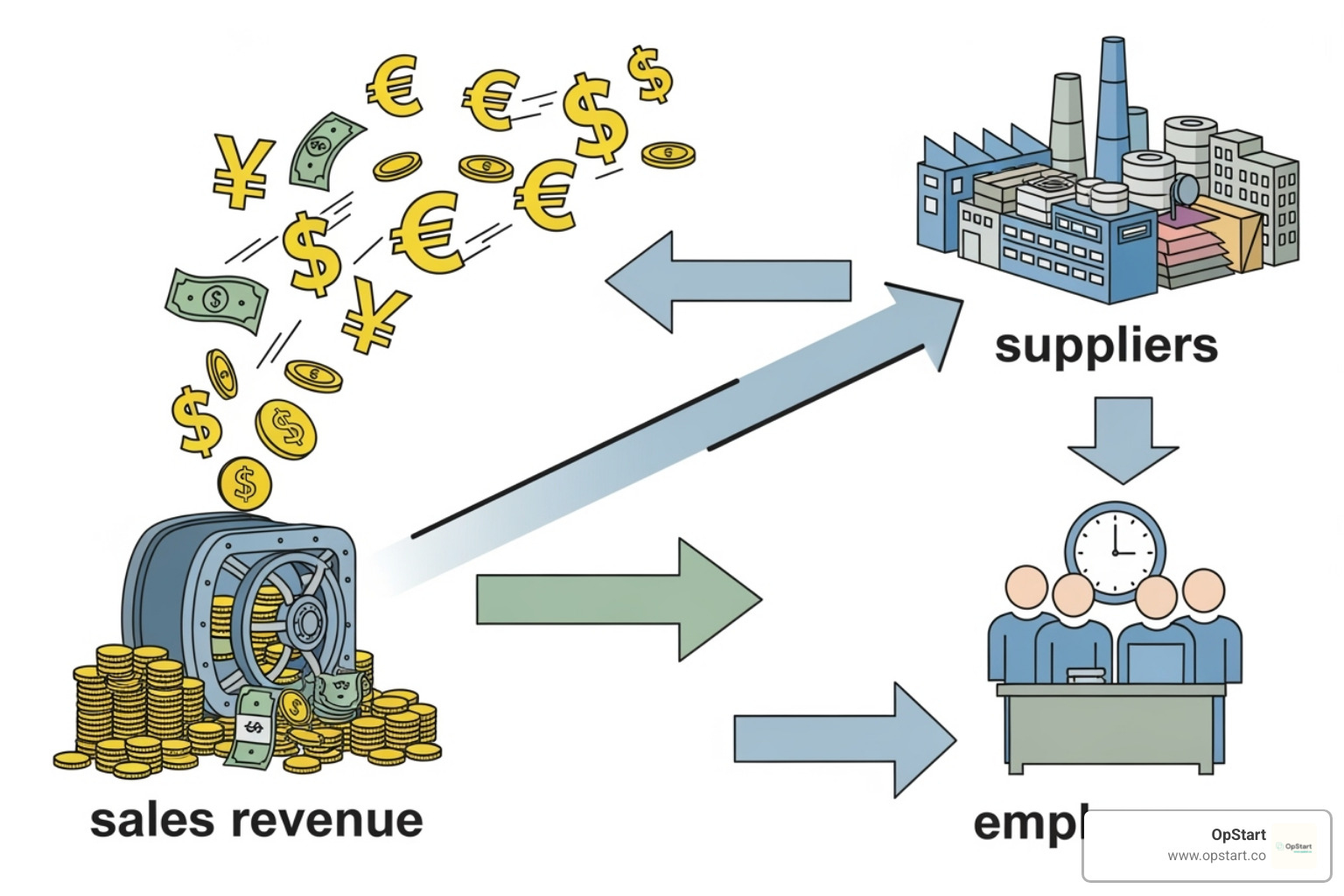
Beyond simple payments, finance in online shopping now manages the complex movement of funds across borders. With the rise of global marketplaces, financial infrastructure handles currency conversion, cross-border tax compliance, and automated clearing house (ACH) transfers. This ensures that a consumer in London can buy from a boutique in Tokyo with the same ease as a local purchase, while the merchant receives settled funds in their preferred currency without manual reconciliation.
The Evolution of Buy Now, Pay Later (BNPL) 2.0
One of the most significant shifts in the role of finance is the maturation of Buy Now, Pay Later (BNPL). What began as a simple installment tool has, by 2026, become a highly regulated and data-driven credit product. BNPL 2.0 differs from its predecessors through its integration with real-time credit scoring and Open Banking protocols.
Unlike traditional credit cards that often carry high-interest rates and opaque fee structures, modern BNPL options offer transparent, often interest-free periods supported by merchant commissions. The role of finance here is to provide immediate liquidity to the consumer, allowing for higher average order values (AOV). For example, a customer may be more inclined to purchase a high-end appliance if the cost is distributed over four bi-monthly payments without impacting their primary credit line.
However, the 2026 landscape also emphasizes financial responsibility. Regulators, such as the Consumer Financial Protection Bureau (CFPB), have implemented stricter oversight to ensure BNPL providers conduct "ability to pay" assessments. This prevents the "debt spiral" that was a concern in the early 2020s. Finance now acts as a gatekeeper, using AI to analyze a shopper's spending patterns and income in seconds to offer credit that is sustainable for the individual’s financial health.
Payment Orchestration and Infrastructure
Behind every "Complete Purchase" button lies a complex web of financial technology known as payment orchestration. This is the technical layer that routes a transaction from the merchant’s website through various processors, card networks, and issuing banks to ensure the fastest and cheapest path for the money.
The role of finance in this context is efficiency. By 2026, many retailers use payment orchestration platforms (POPs) to manage multiple payment methods simultaneously. This includes:
- Digital Wallets: Consolidating cards and bank accounts into a single biometric-authenticated interface.
- Account-to-Account (A2A) Payments: Using Open Banking to transfer funds directly from the consumer's bank to the merchant, bypassing expensive card networks.
- Central Bank Digital Currencies (CBDCs): Integrating government-backed digital tokens for instantaneous settlement and reduced fraud.
This infrastructure is critical for "cart abandonment" reduction. If a payment method fails, the orchestration layer can instantly reroute the transaction to a secondary processor, ensuring the sale isn't lost due to technical glitches. This level of financial resilience is what allows modern e-commerce to operate 24/7 at a global scale.
Security, Fraud Prevention, and Data Integrity
As online shopping volume has increased, so has the sophistication of digital fraud. Finance plays a defensive role here, acting as the primary shield for consumer and merchant assets. By 2026, the industry has moved beyond simple passwords to multi-modal biometric authentication and network tokenization.
Tokenization replaces sensitive credit card numbers with a unique digital identifier (a token) that is useless to hackers if intercepted. Financial institutions and payment processors use AI-driven risk engines to evaluate thousands of data points—such as IP address, typing rhythm, and purchase history—in milliseconds to flag fraudulent activity.
Furthermore, the role of finance includes the management of "chargebacks" and dispute resolution. A robust financial system provides a standardized framework for consumers to reclaim funds in cases of non-delivery or fraud, which is essential for maintaining consumer confidence in the digital economy. According to standards set by the Payment Card Industry Security Standards Council (PCI SSC), maintaining these security protocols is a prerequisite for any business participating in online commerce.
Comparison of Common Online Financing Methods in 2026
To understand the practical choices available to consumers, the following table compares the most prevalent financing and payment methods currently used in online shopping.
| Method | Primary Benefit | Typical Cost to Consumer | Impact on Credit Score | Best For |
|---|---|---|---|---|
| Traditional Credit Card | Universal acceptance; rewards points. | 15%–29% APR (if not paid in full). | High (utilization and history). | Daily purchases and travel. |
| BNPL (Pay in 4) | Interest-free installments; quick approval. | 0% (if on time); late fees apply. | Low/Soft check (usually). | Fashion and mid-range electronics. |
| Point-of-Sale (POS) Loan | Fixed terms for large purchases. | 5%–15% APR depending on credit. | Medium (reported as a loan). | Furniture, appliances, or luxury goods. |
| Digital Wallets | Speed and biometric security. | None (standard processing). | None (linked to existing cards). | Mobile shopping and recurring subs. |
| A2A Payments | Instant settlement; high security. | None (for consumer). | None. | High-value direct transfers. |
Merchant-Side Finance: Liquidity and Growth
While much of the focus is on the consumer, finance is equally critical for the merchant. In the online world, cash flow is king. Online retailers often face a gap between the moment a customer pays and the moment funds are actually available in the business bank account.
Merchant Financing and Revenue-Based Financing (RBF) have become essential tools in 2026. Instead of traditional bank loans, online sellers can access capital based on their proven sales performance on platforms like Amazon, Shopify, or eBay. This allows businesses to fund inventory for peak seasons (like Black Friday) or invest in digital marketing without putting up physical collateral.
Additionally, financial services provide merchants with sophisticated analytics. By analyzing transaction data, finance tools can identify which products have the highest return-on-investment (ROI) and which customer segments are the most profitable. This data-driven approach to finance allows small and medium enterprises (SMEs) to compete with global giants by optimizing their capital allocation.
Environmental and Social Governance (ESG) in E-commerce Finance
By 2026, the role of finance has expanded to include ethical considerations. "Green Finance" initiatives now allow consumers to see the carbon footprint of their purchases at checkout. Many financial providers offer "carbon offsetting" as an integrated feature, where a small percentage of the transaction fee is diverted to reforestation or renewable energy projects.
Furthermore, social finance tools now facilitate "micro-donations" and ethical sourcing verification. Banks and fintechs use blockchain technology to provide transparent auditing of supply chains, ensuring that the money spent by a consumer supports fair labor practices. In this way, finance has become a tool for social change within the e-commerce sector, reflecting the values of a more conscious consumer base.
FAQ
1. Does using BNPL affect my ability to get a mortgage?
In 2026, most BNPL providers report payment history to major credit bureaus. While a single "Pay in 4" plan may not significantly impact your score, a history of late payments or carrying multiple high-balance installment plans can increase your debt-to-income ratio, which lenders consider during the mortgage application process. Always use these tools within your budget.
2. Are digital wallets safer than entering card details manually?
Yes. Digital wallets use tokenization, meaning the actual card number is never shared with the merchant. Even if the merchant's database is breached, your financial information remains secure because the token is specific to that device or transaction. Furthermore, biometric triggers (FaceID or fingerprints) provide a layer of security that traditional passwords cannot match.
3. Why do some merchants charge a fee for using certain payment methods?
While many jurisdictions have limited "surcharging," some merchants may still pass on the higher processing fees associated with premium rewards cards or international transactions. However, many merchants prefer A2A (Account-to-Account) payments because they have lower overhead, and they may offer discounts or loyalty points to encourage shoppers to use these more efficient methods.
4. What should I do if an online purchase is never delivered?
Your first step should always be to contact the merchant. If they are unresponsive, you can initiate a "chargeback" or dispute through your financial provider (bank or credit card issuer). Under consumer protection laws, the financial institution acts as an intermediary to investigate the claim and, if verified, return the funds to your account.
5. Can I use cryptocurrency for online shopping in 2026?
Many major retailers now accept stablecoins (cryptocurrencies pegged to a stable asset like the US Dollar) and CBDCs. These offer fast settlement and lower fees for cross-border purchases. However, volatile assets like Bitcoin are less commonly used for direct retail and are more frequently converted to fiat currency at the point of sale via a payment processor.
Next Steps for Consumers and Merchants
To navigate the role of finance in online shopping effectively, consumers should prioritize platforms that offer multi-factor authentication and transparent credit terms. It is advisable to review the privacy policy of any "embedded finance" tool to understand how your spending data is being used.
For merchants, the priority should be payment diversification. Relying on a single payment processor can be a point of failure. Implementing a payment orchestration layer can improve checkout success rates and reduce transaction costs, ultimately driving long-term profitability. By staying informed about the latest regulatory changes from bodies like the European Central Bank (ECB), both parties can ensure a secure and efficient shopping experience.
Image Gallery