How a BSN Class Shapes Nursing Education and Clinical Practice
A Bachelor of Science in Nursing (BSN) class shapes nursing education by elevating coursework from basic task-oriented clinical skill to systemic clinical judgment, evidence-based practice, and leadership development. Grounded in the A...
A Bachelor of Science in Nursing (BSN) class shapes nursing education by elevating coursework from basic task-oriented clinical skill to systemic clinical judgment, evidence-based practice, and leadership development. Grounded in the American Association of Colleges of Nursing (AACN) competencies, BSN courses train nurses to analyze complex patient data, manage population health, and drive operational improvements across diverse healthcare environments.
Contents
The Evolution of Nursing Curricula: Moving Beyond Technical Skill
Historically, entry-level nursing education focused primarily on psychomotor skills, bed-side procedures, and immediate task execution. Traditional diploma programs and Associate Degree in Nursing (ADN) tracks were structured to supply hospitals with clinicians ready to perform routine bedside interventions. While technical proficiency remains fundamental to patient safety, modern healthcare environments demand a much broader set of competencies.
Contemporary healthcare systems care for aging populations with multiple chronic comorbidities, manage intricate pharmacological regimens, and navigate digital health infrastructure. To address these demands, nursing accreditation bodies shifted the focus of higher education. The American Association of Colleges of Nursing (AACN) established updated domain-based competencies known as the AACN Essentials. These guidelines require nursing programs to integrate informatics, system-based practice, interprofessional partnership, and clinical research directly into the classroom curriculum.
A BSN class serves as the functional building block of this modern framework. Rather than teaching clinical procedures in isolation, BSN coursework embeds technical actions within broader theoretical contexts. Students learn to evaluate the physiological underlying causes of patient deterioration, question legacy clinical routines using published research, and consider the financial and social determinants affecting patient recovery. This educational approach transforms nursing from a series of clinical duties into an analytical discipline grounded in scientific inquiry.
Core BSN Courses and Their Direct Impact on Clinical Competency
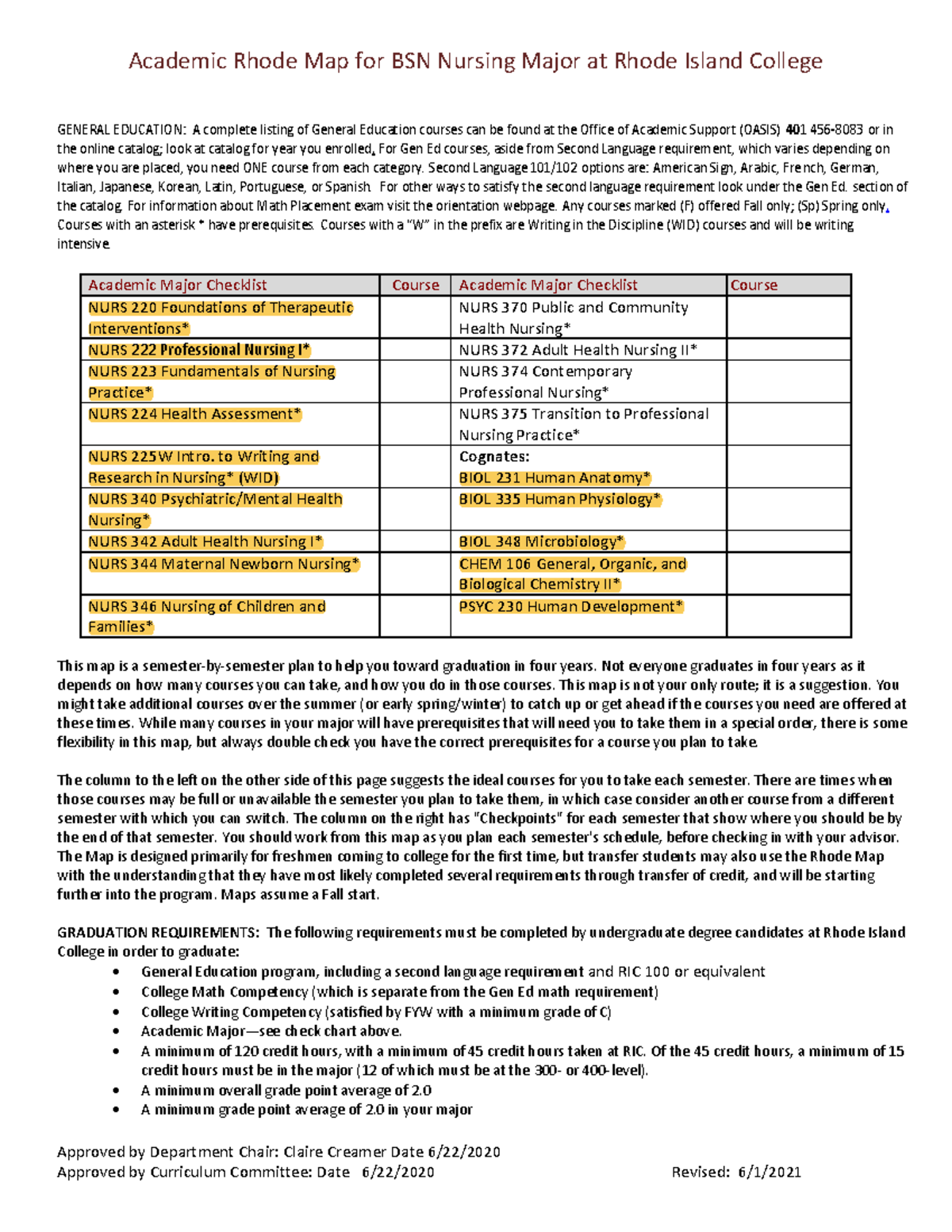
The BSN curriculum expands beyond core science prerequisites—such as anatomy, physiology, and microbiology—by introducing upper-level didactic and experiential courses. Each specialized BSN course targets specific cognitive and organizational skills needed in complex clinical settings.
Health Assessment and Advanced Pathophysiology
While foundational biology covers baseline physical structures, BSN-level advanced pathophysiology and health assessment classes examine how cellular mechanisms disrupt multi-system physiology. Students learn to conduct comprehensive physical evaluations, differentiate subtle diagnostic variations, and anticipate disease progression before systemic collapse occurs.
Understanding disease pathways at a molecular level enables nurses to recognize early indicators of sepsis, acute kidney injury, or heart failure. Rather than waiting for explicit physician orders when symptoms worsen, BSN-educated nurses utilize advanced physiological knowledge to prioritize diagnostics, initiate emergency protocols, and communicate critical assessments effectively to interprofessional care teams.
Nursing Research and Evidence-Based Practice (EBP)
One of the defining distinctions of a BSN class is its dedicated focus on research methodology and Evidence-Based Practice (EBP). In this course, students move beyond memorizing textbook recommendations; they learn how to search peer-reviewed literature, critique clinical trials, and evaluate statistical significance.
- Clinical Problem Identified
- Literature Search & Critique
- Evidence Synthesis
- Bedside Protocol Implementation
- Outcome Evaluation
EBP courses train students to replace outdated traditions with validated interventions. For example, when evaluating central line-associated bloodstream infection (CLABSI) prevention protocols, students review meta-analyses to understand why specific antiseptic agents and dressing change schedules reduce infection rates. By mastering research translation, BSN graduates become active contributors to quality improvement initiatives within their medical institutions.
Public and Community Health Nursing
Unlike acute-care clinical rotations that isolate treatment to the hospital bed, community health courses expand the clinical lens to populations, environments, and healthcare policy. This coursework covers epidemiology, outbreak investigation, environmental health risks, and the socio-economic factors influencing disease transmission.
Through community health assignments, students assess neighborhood-level risk factors, such as food deserts, housing instability, or inadequate public transportation, that contribute to frequent hospital readmissions. Learning to address these root causes prepares nurses to design discharge plans, coordinate post-acute care resources, and work effectively in outpatient clinics, home health organizations, and public health departments.
Leadership and Healthcare Management
Leadership courses in a BSN program teach students organizational dynamics, conflict resolution, resource allocation, and delegation principles. These classes address the realities of contemporary healthcare operations, including nurse-to-patient staffing ratios, budget constraints, and clinical delegation under state nurse practice acts.
By studying healthcare management, nursing students learn how unit workflows, delegation to assistive personnel, and time management directly impact clinical safety. Leadership coursework prepares nurses to supervise care teams, advocate for unit resources, act as charge nurses, and participate in institutional governance committees.
Informatics and Healthcare Technology
Modern care delivery depends heavily on Electronic Health Records (EHRs), telemetry monitoring, biomedical devices, and clinical data analytics. BSN informatics classes teach students how health data is captured, analyzed, and protected under federal privacy standards such as HIPAA.
This coursework goes beyond basic software navigation. Students analyze how workflow design within EHRs can prevent medication errors, how predictive analytics identify high-risk patients, and how telehealth tools bridge gaps in rural health access. Understanding nursing informatics prepares clinicians to assist in health technology implementation and advocate for software design that supports bedside efficiency.
Comparing Educational Pathways: ADN vs. BSN Coursework Breakdown
While both Associate Degree in Nursing (ADN) and BSN graduates take the NCLEX-RN licensing exam to become Registered Nurses, the depth and breadth of their academic preparation differ significantly.
| Educational Dimension | Associate Degree in Nursing (ADN) | Bachelor of Science in Nursing (BSN) |
|---|---|---|
| Primary Curriculum Focus | Direct clinical skills, basic nursing principles, bedside procedures. | Comprehensive clinical skills, nursing theory, health policy, and systemic care. |
| Research & Evidence Training | Focuses on executing established clinical protocols. | Coursework in research methods, statistical analysis, and implementing EBP. |
| Community & Population Health | Limited exposure primarily focused on individual acute care. | Dedicated didactic and clinical rotations in epidemiology and community health. |
| Leadership & Management | Basic introductory principles of patient care delegation. | Formal courses in healthcare management, organizational behavior, and delegation laws. |
| Informatics & Systems Practice | Basic training on electronic documentation systems. | Study of health data analytics, informatics design, and system-wide technology integration. |
| Career & Academic Progression | Prepares graduates for entry-level staff nurse positions. | Required foundation for Magnet-designated roles, management, and APRN/doctoral studies. |
How BSN Coursework Influences Patient Outcomes and Healthcare Systems
The distinction between diploma/ADN training and BSN coursework extends directly to clinical outcomes. Empirical research demonstrates a clear link between higher proportions of BSN-prepared nurses on hospital staff and improved patient safety metrics.
Landmark health services research led by Dr. Linda Aiken demonstrated that a 10% increase in the proportion of BSN-prepared nurses in a hospital was associated with a 7% decrease in the risk of 30-day inpatient mortality and failure-to-rescue rates following surgical complications (published in the Journal of the American Medical Association). Subsequent studies published in health policy journals have consistently affirmed that BSN-educated nursing teams experience lower rates of hospital-acquired infections, pressure injuries, and medication administration errors.
- Higher Proportion of BSN-Prepared RNs
- Enhanced Critical Thinking & Early Intervention
- Lower Failure-to-Rescue Rates
- Reduced 30-Day Inpatient Mortality & Readmissions
- Lower Failure-to-Rescue Rates
- Enhanced Critical Thinking & Early Intervention
Recognizing this empirical connection, major credentialing bodies and health institutions actively mandate or incentivize BSN education:
- Magnet Recognition Program: Administered by the American Nurses Credentialing Center (ANCC), the Magnet designation requires healthcare organizations to demonstrate high proportions of BSN-prepared staff nurses and 100% BSN-prepared nurse leaders.
- National Academy of Medicine Recommendations: The landmark Future of Nursing report issued by the National Academy of Medicine (formerly the Institute of Medicine) recommended increasing the BSN-prepared workforce to 80%, driving nationwide academic progression programs.
- Advanced Practice Foundation: A BSN degree is the required educational foundation for entry into Master of Science in Nursing (MSN) and Doctor of Nursing Practice (DNP) programs, which prepare Nurse Practitioners, Certified Registered Nurse Anesthetists (CRNAs), and Clinical Nurse Specialists.
Navigating the BSN Learning Environment: Strategies for Academic Success
Completing upper-division BSN coursework requires balancing rigorous academic assignments, clinical rotations, and laboratory simulations. Students transitioning into BSN programs can use practical strategies to maximize learning outcomes.
Mastering Clinical Judgment Frameworks
Modern BSN programs format coursework around recognized clinical judgment models, such as the NCSBN Clinical Judgment Measurement Model (NCJMM). To excel in didactic exams and clinical settings, students must practice the six core cognitive steps:
- Recognizing Cues: Identifying relevant patient data and objective vital sign trends.
- Analyzing Cues: Connecting clinical cues to underlying physiological processes.
- Prioritizing Hypotheses: Determining the most urgent patient risk or condition.
- Generating Solutions: Identifying evidence-based nursing interventions.
- Taking Action: Executing prioritized interventions safely.
- Evaluating Outcomes: Assessing patient response against baseline measurements.
Integrating Research into Daily Rotation Workflows
Rather than viewing research courses as isolated academic exercises, successful students actively connect literature searches to their weekly clinical practice. When assigned a patient with a complex presentation, students should review relevant clinical guidelines or systematic reviews from repositories like the National Institutes of Health (NIH) National Library of Medicine. This habit reinforces theoretical concepts while building practical routines for lifelong learning.
Preparing for the Next Generation NCLEX (NGN)
The National Council of State Boards of Nursing (NCSBN) updated the licensing examination to the Next Generation NCLEX format. This exam relies heavily on real-world clinical case studies and complex item types (such as matrix, extended drag-and-drop, and drop-down questions) designed to measure clinical reasoning rather than memorized facts. BSN coursework directly mirrors this testing structure by incorporating unfolding case studies and simulation scenarios throughout the curriculum.
Frequently Asked Questions
How does a BSN class differ from an ADN nursing course?
While ADN courses focus heavily on fundamental technical skills and bedside procedures, a BSN class expands into theoretical science, nursing research, evidence-based practice, community health, and organizational leadership. BSN coursework emphasizes system-level critical thinking and population health management in addition to technical nursing interventions.
Why is evidence-based practice emphasized in BSN courses?
Evidence-based practice (EBP) ensures that patient care interventions are grounded in current, scientifically validated research rather than outdated habits or institution-specific routine. Teaching EBP in BSN classes trains nurses to critically evaluate research, measure clinical outcomes, and continuously update clinical protocols to improve safety.
How do BSN classes prepare nurses for leadership roles?
BSN leadership classes cover health care economics, resource allocation, team management, conflict resolution, and clinical delegation laws. This coursework equips nurses to lead interprofessional teams, manage unit workflows, serve as charge nurses, and contribute to institutional quality improvement committees.
Does taking BSN classes improve NCLEX pass rates?
BSN programs consistently maintain high pass rates on the NCLEX-RN because their curricula align closely with advanced clinical judgment models. The Next Generation NCLEX measures clinical decision-making, prioritization, and complex risk evaluation—skills explicitly targeted across upper-division BSN coursework.
What is the financial and professional benefit of completing BSN coursework?
Graduating from a BSN program opens access to expanded employment opportunities, particularly within Magnet-designated hospitals, federal health systems (such as the Veterans Health Administration), and specialized clinical units. Additionally, a BSN is a required prerequisite for higher-paying positions in nursing management, informatics, research, and advanced practice registered nursing (APRN).
Strategic Next Steps for Nursing Students and Educators
Understanding how a BSN class shapes nursing education allows prospective students, practicing RNs, and academic institutions to make informed decisions regarding career pathways and curriculum design.
- For Prospective Nursing Students: Evaluate BSN programs accredited by either the Commission on Collegiate Nursing Education (CCNE) or the Accreditation Commission for Education in Nursing (ACEN). Review program outcomes, including first-time NCLEX pass rates and clinical placement partnerships.
- For Registered Nurses (RN-to-BSN Applicants): Explore accredited, flexible RN-to-BSN completion programs that offer asynchronous online coursework and practice experiences. Many healthcare employers offer tuition reimbursement for nurses completing their bachelor's degree.
- For Nurse Educators: Align individual course learning objectives with the updated AACN Essentials, embedding clinical judgment case studies, informatics applications, and evidence-based practice projects throughout every instructional module.
Image Gallery