Zulresso (Brexanolone) for Postpartum Depression: Administration, Safety, Efficacy, and Costs
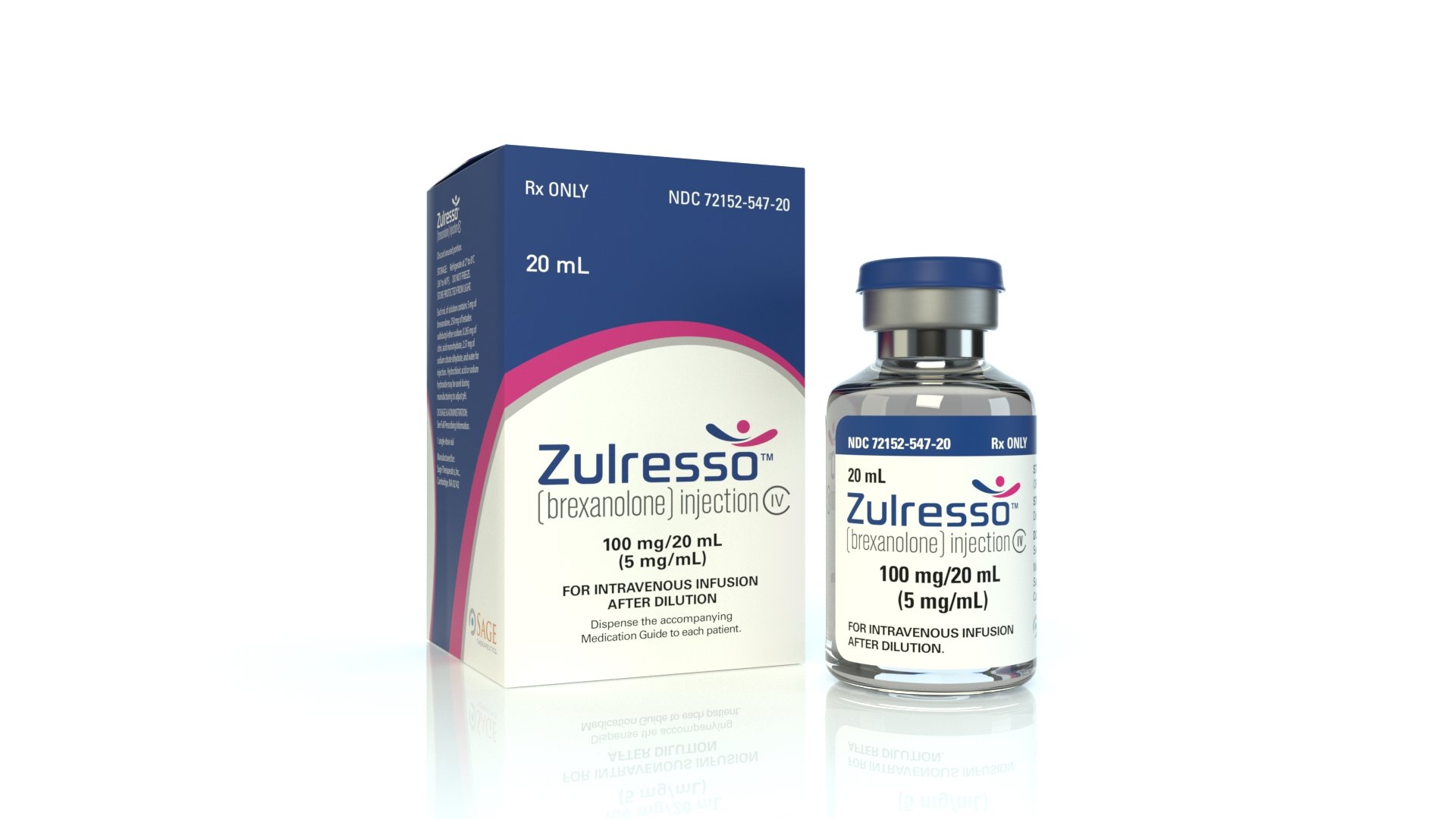
Zulresso (brexanolone) is an FDA-approved intravenous prescription medication specifically indicated for the treatment of postpartum depression (PPD) in adults. Administered as a continuous 60-hour infusion in a certified healthcare fa...
Zulresso (brexanolone) is an FDA-approved intravenous prescription medication specifically indicated for the treatment of postpartum depression (PPD) in adults. Administered as a continuous 60-hour infusion in a certified healthcare facility, it acts as a neurosteroid that rapidly modulates GABA-A receptors to relieve severe depressive symptoms within days rather than weeks.
Contents
What Is Zulresso and How Does It Work?
Zulresso, known generically as brexanolone, represents a distinct pharmacological class compared to traditional monoaminergic antidepressants such as selective serotonin reuptake inhibitors (SSRIs) or serotonin-norepinephrine reuptake inhibitors (SNRIs). While standard antidepressants typically take four to eight weeks to achieve therapeutic efficacy by altering serotonin, norepinephrine, or dopamine levels, Zulresso targets neurosteroid pathways to produce a rapid clinical response.
The active compound, brexanolone, is chemically identical to endogenous allopregnanolone, a natural metabolite of progesterone. During pregnancy, circulating levels of progesterone and allopregnanolone rise dramatically, reaching peak concentrations in the third trimester. Immediately following childbirth, these hormone levels drop precipitously. In individuals vulnerable to postpartum depression, this sudden withdrawal of neurosteroid signaling is believed to disrupt brain network function, particularly within central nervous system circuits regulating mood, stress responses, and emotional processing.
- [Pregnancy Peak]
- [Childbirth Drop]
- [GABA-A Dysregulation]
- [PPD Symptoms]
- (Zulresso IV Infusion)
- [GABA-A Positive Modulation]
- [Rapid Relief]
Zulresso functions as a positive allosteric modulator at GABA-A receptors. Gamma-aminobutyric acid (GABA) is the primary inhibitory neurotransmitter in the central nervous system. By binding to GABA-A receptors at sites distinct from benzodiazepine-binding sites, brexanolone enhances GABA-mediated inhibitory neurotransmission. This positive modulation helps reset overactive neural circuits involved in fear, anxiety, and depressive affect, providing measurable symptom reduction within 24 to 48 hours of starting treatment.
Because of its specific mechanism, Zulresso was granted Breakthrough Therapy designation and approved by the U.S. Food and Drug Administration (FDA) in March 2019, becoming the first medicine approved specifically for postpartum depression.
The FDA REMS Program and 60-Hour Infusion Protocol
Due to the risk of severe adverse events—specifically excessive sedation and sudden loss of consciousness—Zulresso is available only through a restricted distribution program called the Zulresso REMS (Risk Evaluation and Mitigation Strategy) Program. It cannot be filled at a retail pharmacy or self-administered at home. Treatment must occur within an accredited healthcare setting, such as a specialized hospital ward, infusion center, or residential clinical care unit equipped to manage potential medical emergencies.
The 60-Hour Infusion Timeline and Titration Schedule
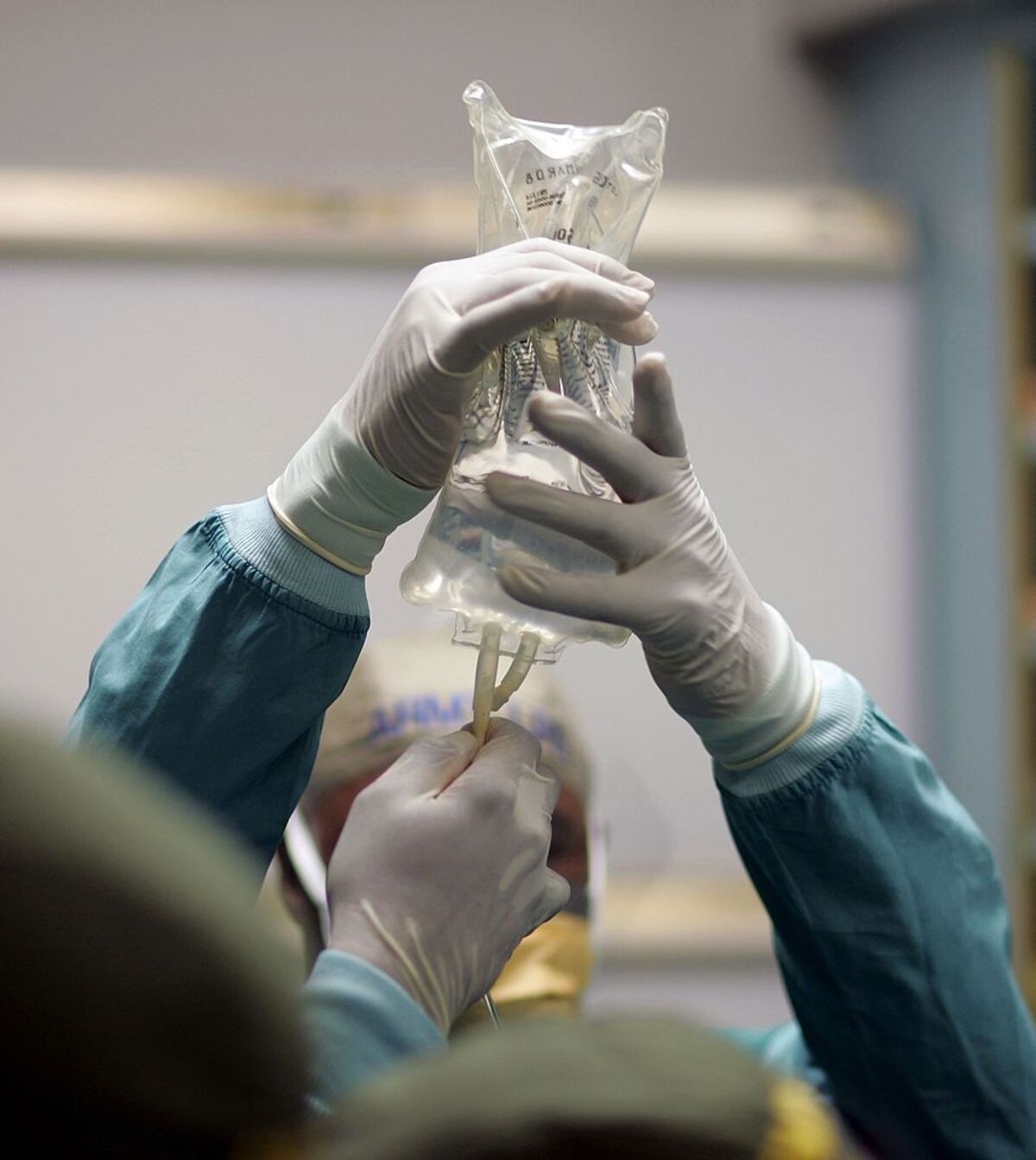
Zulresso is supplied as a single-dose vial containing 100 mg/20 mL (5 mg/mL) of brexanolone, which must be diluted into sterile water for injection and isotonic sodium chloride prior to intravenous infusion. The standard infusion protocol spans exactly 60 hours (2.5 days) and follows a strictly regulated dose-titration schedule to minimize sedating side effects:
- Hours 0 to 4: Initiated at a target rate of 30 mcg/kg/hour.
- Hours 4 to 24: Increased to 60 mcg/kg/hour, provided the patient tolerates the initial dose.
- Hours 24 to 52: Increased to the maximum recommended dose of 90 mcg/kg/hour (a reduction to 60 mcg/kg/hour is permissible if higher doses cause intolerable sedation).
- Hours 52 to 56: Tapered back down to 60 mcg/kg/hour.
- Hours 56 to 60: Tapered down to 30 mcg/kg/hour before stopping completely.
- Dose (mcg/kg/hr) Timeline:
- 0h: 30 mcg/kg/hr
- 4h: 60 mcg/kg/hr
- 24h: 90 mcg/kg/hr
- 52h: 60 mcg/kg/hr
- 56h: 30 mcg/kg/hr
- 60h: 0 mcg/kg/hr
Safety Monitoring Requirements
Throughout the continuous 60-hour infusion, certified medical personnel must perform continuous pulse oximetry to monitor oxygen saturation levels. Staff must assess the patient for excessive sedation every two hours during waking periods and plan regular checks during sleep.
If continuous pulse oximetry detects hypoxia (a drop in blood oxygen saturation), or if the patient exhibits signs of severe somnolence, the infusion must be paused immediately. The infusion may only be restarted once symptoms resolve, typically at the same or a reduced dose level depending on clinical assessment.
Because of the risk of sudden loss of consciousness, patients receiving Zulresso must be accompanied by an adult caregiver when interacting with their infants during the infusion period. Patients are also instructed not to operate complex machinery, drive, or engage in potentially hazardous activities until the infusion is completed and any residual sedation has resolved.
Clinical Efficacy and Expected Results
The efficacy of Zulresso for the treatment of postpartum depression was established in two double-blind, randomized, placebo-controlled clinical trials (Trial 1 involving severe PPD and Trial 2 involving moderate PPD). Clinical success was evaluated using the 17-item Hamilton Rating Scale for Depression (HAM-D) score, a standardized instrument measuring depressive severity.
Clinical Trial Outcomes
In both trials, patients treated with Zulresso demonstrated a statistically significant and clinically meaningful reduction in HAM-D total scores compared to those receiving a placebo infusion:
- Speed of Onset: Depressive symptom improvement was observed as early as 24 hours into the infusion, reaching its peak treatment effect by the end of the 60-hour administration window.
- Reduction in Depressive Scores: In Trial 1 (severe PPD), patients receiving the target 90 mcg/kg/hour dose achieved a mean HAM-D score reduction of 14.0 points at 60 hours, compared to 10.7 points in the placebo group. In Trial 2 (moderate PPD), patients achieved a mean reduction of 14.6 points compared to 9.2 points for placebo.
- Sustained Response: Clinical follow-up demonstrated that symptom improvement was sustained through Day 30 (the end of the study observation period), indicating that a single 60-hour course can produce lasting remissions without requiring continuous long-term infusion therapy.
While long-term oral antidepressants remain a standard maintenance treatment for many individuals with recurrent major depressive disorder, Zulresso serves as an acute intervention capable of breaking severe, debilitating postpartum depressive episodes rapidly.
Side Effects, Warnings, and Medical Precautions
Like all central nervous system agents, Zulresso carries specific risks and side-effect profiles that require medical management.
Common Side Effects
In clinical trials, the most frequently reported adverse reactions occurring at an incidence of 5% or greater, and at least twice the rate of placebo, included:
- Somnolence and Sedation: Ranging from mild drowsiness to profound lethargy.
- Dry Mouth (Xerostomia): A common anticholinergic-like effect during infusion.
- Flushing or Hot Flushes: Transient skin warmth and redness.
- Presyncope and Loss of Consciousness: Lightheadedness, fainting, or sudden unresponsiveness.
Boxed Warning and Major Precautions
Zulresso carries a Boxed Warning—the FDA’s strongest safety warning—for excessive sedation and sudden loss of consciousness. In clinical studies, approximately 5% of patients experienced severe somnolence or loss of consciousness. Some of these events occurred suddenly, without premonitory signs, requiring temporary discontinuation or dose reduction of the infusion.
| WARNING: RISK OF EXCESSIVE SEDATION AND LOSS OF CONSCIOUSNESS |
|---|
| Patients treated with Zulresso are at risk of excessive sedation or sudden loss of consciousness. |
| - Continuous pulse oximetry monitoring is required. |
| - Patients must be accompanied during child interactions. |
| - Available only through the restricted Zulresso REMS program. |
Additional safety precautions include:
- Concomitant CNS Depressants: Co-administration with central nervous system depressants, including opioids, benzodiazepines, or alcohol, increases the likelihood and severity of sedation and must be strictly avoided during the infusion window.
- Renal Impairment: Zulresso contains Betadex Sulfobutylether Sodium (SBECD), a solubilizing excipient cleared by the kidneys. In patients with severe renal impairment or end-stage renal disease (eGFR < 15 mL/min/1.73 m²), SBECD can accumulate, potentially causing tubular toxicity. Zulresso should be avoided in patients with severe renal impairment.
- Pregnancy and Breastfeeding: Data regarding fetal exposure during pregnancy are limited. Small amounts of brexanolone pass into human milk; however, available clinical data do not show adverse effects on breastfed infants. Patients should discuss infant feeding plans with their clinical care team.
- Suicidal Thoughts and Behaviors: As with all antidepressants, healthcare providers monitor for emerging suicidal ideation or worsening depression, particularly during early therapy.
Zulresso vs. Zurzuvae: Comparing GABA-A Neurosteroid Options
The landscape of postpartum depression treatment evolved with the development of neurosteroid therapies. Following the 2019 approval of Zulresso (brexanolone), the FDA approved Zurzuvae (zuranolone) in August 2023 as an oral treatment for PPD.
Both medications function as GABA-A receptor positive allosteric modulators, but their delivery systems, logistical demands, and patient experiences differ substantially.
| Feature / Metric | Zulresso (brexanolone) | Zurzuvae (zuranolone) |
|---|---|---|
| Administration Route | Continuous Intravenous (IV) Infusion | Oral Capsule |
| Treatment Duration | 60 Continuous Hours | 14 Days (Once Daily with a Fat-Containing Meal) |
| Setting / Facility | Inpatient Healthcare Facility (REMS Certified) | Outpatient / Home Administration |
| FDA REMS Requirement | Yes (Requires continuous pulse oximetry) | No (Controlled substance, but no REMS facility requirement) |
| Onset of Action | 24 to 48 Hours | Days 3 to 15 |
| Key Safety Warnings | Boxed Warning: Sudden Loss of Consciousness & Sedation | Boxed Warning: Driving Impairment & CNS Depressant Effects |
| Primary Excipient / Limitation | Contains SBECD (Avoid in severe renal impairment) | Dose adjustments required for severe renal/hepatic impairment |
| Caregiver Requirement | Mandatory continuous supervision during infant interaction | Recommended caution regarding hazardous tasks |
While Zurzuvae offers an accessible outpatient oral regimen, Zulresso remains a valuable inpatient clinical tool for rapid intervention, particularly when immediate hospitalization is necessary or oral administration is contraindicated.
Cost, Insurance Coverage, and Financial Assistance
The financial landscape of Zulresso treatment involves both the wholesale drug acquisition cost and the associated facility fees for a 2.5-day inpatient stay.
Drug and Inpatient Pricing
The wholesale acquisition cost (WAC) for a standard course of Zulresso is approximately $34,000 for the drug alone. However, total out-of-pocket expenses vary significantly depending on additional clinical costs, which include:
- Inpatient hospital room and board charges (intensive observation or specialty unit).
- Continuous pulse oximetry and nursing monitoring fees.
- Pharmacy preparation and IV compounding fees.
Insurance Coverage and Authorization Requirements
Most major commercial insurance plans, Medicaid programs, and Medicare covers Zulresso under medical benefit policies rather than pharmacy benefit plans, because it is administered in a facility. However, payors typically enforce strict Prior Authorization (PA) criteria, which may require:
- A formal clinical diagnosis of severe Postpartum Depression (DSM-5 criteria).
- Documentation that depressive symptoms began in the third trimester or within 4 weeks post-delivery.
- Standardized scale documentation (e.g., PHQ-9 score ≥ 15 or HAM-D score ≥ 20).
- Trial and failure (or documented contraindication) of standard oral antidepressants (such as SSRIs).
Patient Support Programs
The manufacturer of Zulresso (Sage Therapeutics) offers support services through programs such as Sage Central. These services assist patients and clinical teams by managing prior authorizations, identifying certified REMS treatment centers, coordinating benefits, and providing commercial copay assistance for eligible patients.
How Patients and Healthcare Providers Initiate Treatment
Navigating treatment with Zulresso requires coordinated steps between outpatient obstetricians or psychiatrists and certified inpatient facilities.
- [Screening & Diagnosis]
- [Find REMS Facility]
- [Prior Authorization]
- [Inpatient Admission]
- [60-Hour Infusion]
- [Outpatient Follow-up]
Step 1: Diagnosis and Screening
A healthcare professional evaluates the patient for severe PPD using validated tools such as the Edinburgh Postnatal Depression Scale (EPDS) or Patient Health Questionnaire-9 (PHQ-9). Alternative causes of psychiatric distress, such as postpartum psychosis or underlying bipolar disorder, must be ruled out.
Step 2: Locating a REMS-Certified Facility
Because Zulresso must be infused under strict monitoring, the provider identifies an active REMS-certified facility. These centers are equipped with dedicated rooms, telemetry systems, and trained nursing staff.
Step 3: Prior Authorization and Logistics
The clinical team submits clinical records to the patient's insurance provider to obtain prior authorization for both the infusion drug and the facility stay. During this period, childcare arrangements must be established for the 60-hour inpatient period.
Step 4: Admission and Titration
The patient is admitted to the healthcare facility, an IV catheter is placed, and continuous pulse oximetry monitoring begins. The titration schedule commences under nurse supervision, with infant visitations supervised by a secondary adult caregiver.
Step 5: Discharge and Follow-up Care
Upon completion of the 60-hour infusion and a brief observation period to ensure full recovery from sedation, the patient is discharged. An outpatient psychiatric or obstetric follow-up appointment is scheduled within 7 to 14 days to monitor long-term recovery and coordinate ongoing mental health care.
Frequently Asked Questions
Can I breastfeed while receiving Zulresso?
Brexanolone is excreted into human milk in low levels. Available data indicate that infant exposure through breast milk is low, with an relative infant dose of less than 1% to 2% of the maternal dose. Patients should discuss the risks and benefits of continuing breastfeeding during treatment with their healthcare team.
How quickly does Zulresso start working?
Many patients in clinical trials experienced measurable reductions in depressive symptoms within 24 to 48 hours of starting the IV infusion, with maximum trial-measured clinical efficacy achieved at the end of the 60-hour infusion.
Will postpartum depression return after the 60-hour infusion ends?
In clinical studies, therapeutic response was maintained through Day 30 following the single 60-hour treatment. However, postpartum depression can be a complex condition, and some individuals may require ongoing outpatient therapy or oral medications long-term as determined by their clinical team.
Why is Zulresso not available at a local retail pharmacy?
Zulresso requires a strict FDA REMS program due to the risk of sudden loss of consciousness during administration. It must be compounded and administered by trained medical personnel in a facility equipped to handle oxygen monitoring and rapid medical intervention.
Is Zulresso a controlled substance?
Yes. Brexanolone is classified as a Schedule IV controlled substance under the Controlled Substances Act due to its pharmacological profile as a GABA-A modulator, which carries a potential for abuse or dependence similar to other Schedule IV central nervous system agents.
Summary and Practical Next Steps
Zulresso (brexanolone) remains a landmark biological intervention for severe postpartum depression, offering rapid relief through its targeted neurosteroid modulation of GABA-A receptors. While its administration requires a 60-hour inpatient stay under the FDA REMS program to manage sedation risks, its ability to yield clinical results within days provides a valuable option for women experiencing severe depressive crises after childbirth.
If you or a loved one are experiencing symptoms of postpartum depression—such as persistent sadness, severe anxiety, detachment from your infant, or feelings of overwhelming hopelessness—contact a primary care provider, obstetrician, or mental health specialist immediately. You can also contact the National Maternal Mental Health Hotline for free, confidential support available 24/7.
Image Gallery