The Best Corporate Fueling Credit Cards for Your Fleet in 2026
To select the best corporate fueling credit card in 2026, businesses should prioritize the WEX Fleet Card for universal acceptance, Fuelman for high-volume rebates and fraud prevention, or the Shell Fleet Navigator for brand-specific d...
To select the best corporate fueling credit card in 2026, businesses should prioritize the WEX Fleet Card for universal acceptance, Fuelman for high-volume rebates and fraud prevention, or the Shell Fleet Navigator for brand-specific discounts. Your choice depends on whether you require a massive acceptance network or deeper per-gallon savings at specific stations.
Contents
In the 2026 commercial landscape, managing a fleet requires more than just a way to pay for diesel or gasoline. With the continued integration of telematics, fluctuating energy costs, and the need for rigorous tax compliance, the "right" fuel card serves as a mobile accounting department. These cards provide the granular data necessary to optimize routes, eliminate unauthorized spending, and simplify International Fuel Tax Agreement (IFTA) reporting.
Understanding the Distinction: Fleet Cards vs. Business Credit Cards
Before evaluating specific providers, it is essential to distinguish between a standard business credit card and a dedicated corporate fuel card. While a general-purpose card (like those from American Express or Chase) may offer rewards on fuel, they often lack the Level 3 data reporting required for sophisticated fleet management.
Data Granularity and Level 3 Reporting
Level 3 reporting captures specific transaction details that general credit cards ignore. This includes the driver’s ID, the vehicle’s odometer reading at the time of purchase, the exact number of gallons pumped, and the fuel type. In 2026, this data is automatically synced with most major Fleet Management Software (FMS) platforms, allowing managers to calculate miles-per-gallon (MPG) trends in real-time.
Spending Controls and Fraud Mitigation
Corporate fuel cards allow for "hard" controls. A manager can restrict a card so it only functions during work hours, only at fuel pumps (disallowing "inside" convenience store purchases), and only for a specific number of transactions per day. Business credit cards generally only offer total credit limits, which leaves the company vulnerable to "slippage"—unauthorized small purchases that add up across a large fleet.
Top Corporate Fueling Cards of 2026: Detailed Reviews
The following cards represent the industry leaders for 2026, categorized by their primary strengths and network capabilities.
1. WEX Fleet Card: The Universal Industry Standard
WEX remains the dominant force in the fleet card space in 2026 due to its unmatched acceptance. It is accepted at approximately 95% of retail fuel stations across the United States.
- Best For: Fleets with unpredictable routes or those operating in rural areas where brand loyalty isn't feasible.
- Key Features: WEX offers a robust mobile app that helps drivers find the cheapest fuel within their vicinity. Their analytics platform provides "anomaly detection," flagging transactions that don't match the vehicle's tank capacity or location.
- Cost Structure: Typically involves a monthly card fee (ranging from $2 to $10 depending on fleet size) and potential setup fees. However, the administrative savings often offset these costs.
2. Fuelman Mixed Fleet Card: The Rebate Powerhouse
Fuelman focuses on high-volume savings. Unlike universal cards that focus on convenience, Fuelman incentivizes fueling at their preferred network stations with significant per-gallon rebates.
- Best For: Regional fleets with consistent routes that can plan stops at specific stations to maximize rebates.
- Key Features: Fuelman is known for its "fraud-loss coverage," which protects businesses from unauthorized driver spending up to certain limits. In 2026, their tiered rebate programs can save companies between 2 and 10 cents per gallon depending on monthly volume.
- Cost Structure: Fuelman often waives setup fees for larger fleets but may have "loyalty" requirements to maintain the highest rebate tiers.
3. Shell Fleet Navigator: The Customization Specialist
The Shell Fleet Navigator card offers a middle ground between a brand-specific card and a universal one. While it offers the best rewards at Shell stations, it is also accepted wherever Mastercard is taken for fuel and maintenance.
- Best For: Companies that want the flexibility of a major credit network but prefer the perks associated with a primary fuel brand.
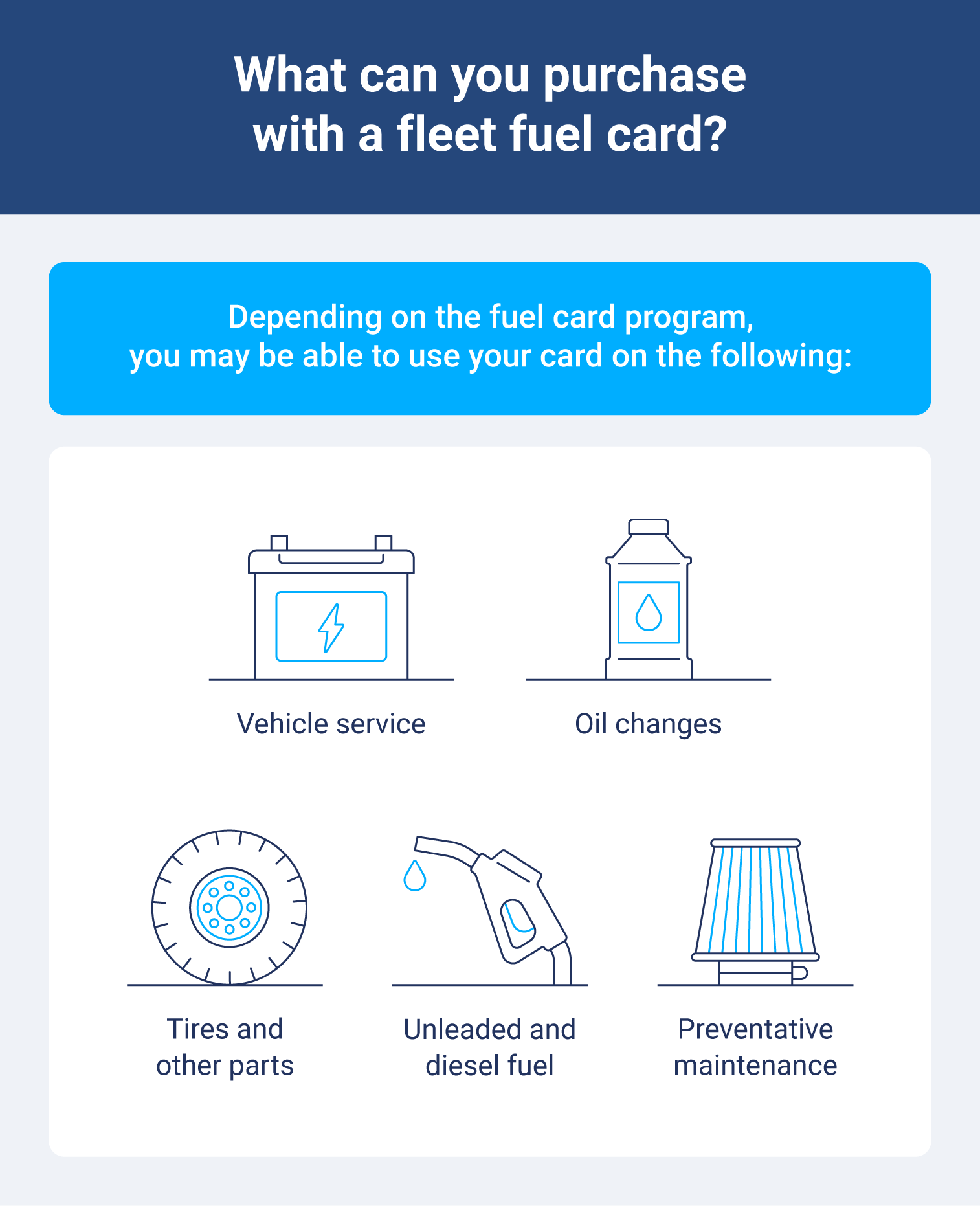
- Key Features: Exceptional controls. Managers can set different limits for different drivers (e.g., a senior technician gets a higher limit than a trainee). It also includes discounts on Jiffy Lube oil changes and other maintenance services.
- Integration: In 2026, the Navigator card integrates directly with most ELD (Electronic Logging Device) providers to automate IFTA reporting.
4. AtoB: The Tech-Forward Fintech Alternative
AtoB has disrupted the traditional fleet card market by offering a "no-fee" model and instant onboarding. By leveraging modern fintech rails, they provide a user experience that mirrors modern consumer apps.
- Best For: Small-to-medium businesses (SMBs) and startups that need to get cards in drivers' hands quickly without a lengthy credit review.
- Key Features: AtoB’s platform is entirely cloud-based, offering real-time driver payroll integration and instant card "freezing" from a smartphone. They often use a "pay-in-full" model to avoid high interest rates.
Comparison of Key Features (2026 Data)
| Feature | WEX Fleet Card | Fuelman Mixed Fleet | Shell Fleet Navigator | AtoB Fuel Card |
|---|---|---|---|---|
| Acceptance Network | ~95% of US Stations | ~50,000 Stations | Universal (Mastercard) | Universal (Visa) |
| Primary Benefit | Maximum Convenience | High Per-Gallon Rebates | Brand Loyalty + Flex | No Fees / High Tech |
| Reporting Depth | Level 3 (Full Data) | Level 3 (Full Data) | Level 3 (Full Data) | Level 3 (Full Data) |
| Best Fleet Size | Mid-to-Large | Mid-to-Large | Any Size | Small-to-Mid |
| Security Controls | Driver ID + Odometer | Driver ID + Time/Day | Driver ID + Product Type | Instant App Controls |
Critical Factors to Consider When Choosing a Card
Network Coverage vs. Rebate Value
There is usually an inverse relationship between how many places a card is accepted and how much money you save per gallon. Brand-specific cards (like a dedicated BP or ExxonMobil card) offer the highest discounts but can lead to "out-of-network" inefficiencies if a driver has to go five miles out of their way to find a specific station. In 2026, the cost of driver time and vehicle wear-and-tear often outweighs a 3-cent-per-gallon saving.
Fee Transparency
The "sticker price" of a fuel card can be misleading. When reviewing contracts, look for:
- Transaction Fees: A charge every time the card is swiped.
- Monthly Program Fees: A flat fee for access to the reporting platform.
- Portal Fees: Costs associated with using the online management dashboard.
- Late Payment Penalties: Since fuel cards are often "pay-in-full" accounts, these penalties can be aggressive.
Telematics and Software Integration
Modern fleet management relies on the "trinity" of data: the fuel card, the GPS/Telematics unit, and the Electronic Logging Device (ELD). Your chosen fuel card must be able to export data to your specific FMS. This integration allows the system to cross-reference the GPS location of the truck with the GPS location of the gas station at the time of the transaction. If the truck isn't at the pump, the transaction is flagged as potential fraud.
Implementation and Security Best Practices
Once you have selected a card provider, the implementation phase is critical to ensuring the security of your corporate credit.
- Unique Driver IDs: Never allow drivers to share PINs or IDs. If a card is compromised or fuel is stolen, unique IDs are the only way to establish accountability.
- Prompt Odometer Entry: Require drivers to enter accurate odometer readings. This data is the foundation of your fuel economy (MPG) tracking. Modern systems in 2026 can flag "bad data" if a driver enters "11111" or "99999."
- Tiered Spending Limits: Set daily and weekly limits based on the vehicle's typical usage. A light-duty van does not need a $500 daily fuel limit.
- Regular Audits: Use the automated reports provided by the card issuer to look for "fueling over capacity." This occurs when a driver pumps more fuel than the vehicle's tank can hold, a clear sign that they are filling up a personal vehicle or a portable gas can.
Frequently Asked Questions
Do I need a high credit score to get a corporate fuel card?
Most traditional issuers (WEX, Comdata) perform a business credit check using Dun & Bradstreet or similar bureaus. However, newer fintech options like AtoB or Coast often use alternative underwriting, such as looking at your business bank account balances (Open Banking), making them more accessible to newer businesses.
Can these cards be used for EV charging?
Yes, by 2026, most major fleet card providers have integrated EV charging into their networks. Cards like WEX and Shell now support "at-home" charging reimbursement and "on-the-road" DC fast-charging payments, consolidating both liquid fuel and electricity costs into a single invoice.
Is IFTA reporting really easier with these cards?
Significantly. The International Fuel Tax Agreement (IFTA) requires tracking fuel taxes across different jurisdictions. Because fleet cards record exactly where and when fuel was purchased, they generate the "gallons per state" reports automatically, which saves accounting departments dozens of hours every quarter.
Are there "hidden" fees in fleet card contracts?
Common hidden fees include "paper statement fees," "high-risk processing fees" for certain industries, and "minimum volume fees" if your fleet doesn't pump a certain amount of fuel each month. Always request a full fee schedule before signing.
Strategic Recommendation
For the majority of commercial fleets in 2026, the WEX Fleet Card remains the most balanced choice due to its near-universal acceptance and sophisticated data integrations. However, if your fleet is comprised of heavy-duty trucks traveling specific interstate corridors, a specialized card like Comdata or Fuelman may offer superior cost savings through their wholesale-plus pricing models.
Before committing, perform a "fueling audit" of your last three months of activity. Identify which stations your drivers naturally frequent. If 80% of your fuel spend is already at one or two brands, a brand-specific Navigator card will be your most profitable option. If your spend is scattered across dozens of different brands, the universal acceptance of WEX or a Mastercard-based fleet card is non-negotiable.
Image Gallery