Why The Pitt on Netflix Matters: Analyzing Streaming's New Distribution Era
The presence of The Pitt on Netflix marks a major strategic shift in media distribution, signaling the definitive end of direct-to-consumer platform exclusivity. By placing Warner Bros. Television's high-profile medical drama on Netfli...
The presence of The Pitt on Netflix marks a major strategic shift in media distribution, signaling the definitive end of direct-to-consumer platform exclusivity. By placing Warner Bros. Television's high-profile medical drama on Netflix alongside its Max release, Warner Bros. Discovery prioritizes licensing revenue, audience reach, and production profitability over maintaining strict streaming walled gardens.
Contents
What Is The Pitt and How Did It Arrive on Streaming?
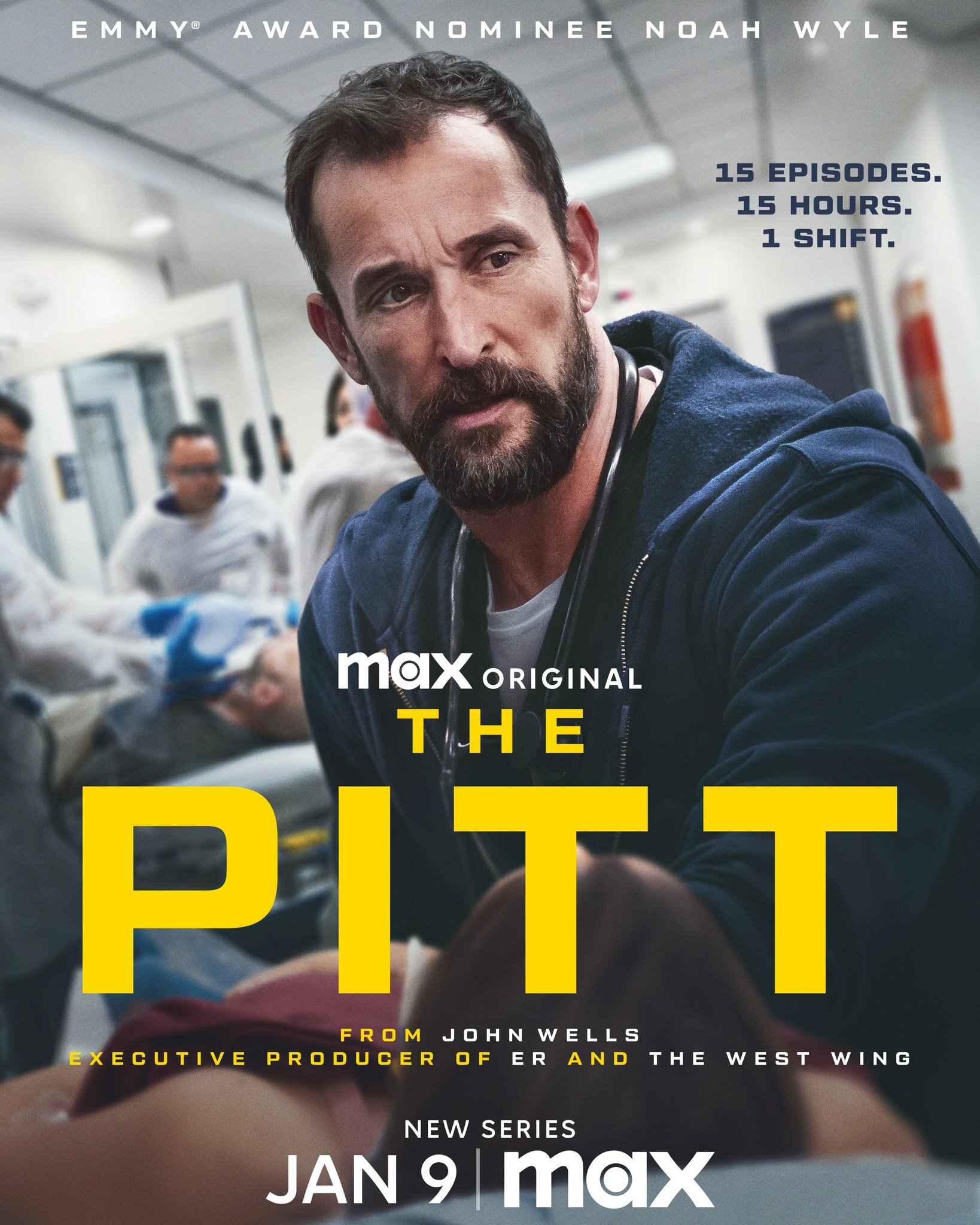
The Pitt is an emergency room medical drama starring Noah Wyle, created by showrunner R. Scott Gemmill, and executive produced by John Wells alongside Wyle and Gemmill. Produced by Warner Bros. Television, the series reunites key creative talent behind the iconic medical procedural ER. Set in a modern Pittsburgh hospital, the series offers a realistic, high-intensity examination of frontline healthcare workers navigating systemic obstacles, modern medical technology, and intense personal trauma.
When Warner Bros. Discovery (WBD) initially greenlit The Pitt, it was commissioned as a 15-episode straight-to-series order. Unlike traditional streaming dramas that typically run for eight to ten episodes per season, The Pitt was deliberately structured with a longer episode count to recapture the momentum and character depth of legacy broadcast network television while retaining premium cable and streaming production values.
The journey of The Pitt to Netflix reflects a broader evolution in how major legacy studios approach distribution. During the peak of the "streaming wars," media conglomerates locked their original programming exclusively inside proprietary subscription video-on-demand (SVOD) platforms—in this case, Max. However, shifting economic realities compelled Warner Bros. Discovery to leverage non-exclusive licensing and international streaming deals. Placing The Pitt on Netflix—the world’s largest SVOD service by global subscriber count—allows the studio to instantly broaden the show's footprint while generating substantial upfront licensing fees.
- Warner Bros. Television (Production Studio)
- Max Platform (Domestic/Primary)
- Netflix Platform (Licensing/Global)
The Strategic Pivot: Why Warner Bros. Discovery Licenses to Netflix
The availability of The Pitt on Netflix represents a calculated reversal of the direct-to-consumer exclusivity playbook that dominated the early 2020s. Under Chief Executive Officer David Zaslav, Warner Bros. Discovery systematically re-evaluated the financial return on keeping high-budget original series strictly inside Max.
Content Monetization vs. Subscriber Retention
Building an exclusive streaming service requires burning billions of dollars in capital to acquire and retain subscribers. However, internal metrics across the entertainment industry demonstrate that exclusivity beyond a show's initial release window yields diminishing returns for subscriber acquisition.
By licensing The Pitt to Netflix, Warner Bros. Discovery achieves three primary financial objectives:
- Immediate Revenue Realization: Licensing fees paid by Netflix provide immediate, high-margin cash flow that directly offsets the production overhead of a 15-episode drama.
- Reduced Amortization Risk: Spreading distribution across multiple platforms lowers the financial risk associated with high-budget original programming.
- Secondary Market Valuation: Demonstrating that a modern procedural can drive high viewership on third-party platforms increases the long-term syndication value of the intellectual property (IP).
The Return of the Studio Model
Historically, Hollywood studios operated as independent profit centers that sold content to the highest bidder—whether broadcast networks, cable channels, or international syndicates. The push toward vertical integration (where a studio only produces content for its parent company's streaming service) suppressed lucrative third-party licensing revenue. Warner Bros. Television’s decision to distribute The Pitt across both Max and Netflix signifies a return to the classic arms-dealer studio model, where content creators prioritize maximum IP exposure and profitability over platform loyalty.
The "Netflix Effect" and the Procedural TV Resurgence
One of the strongest catalysts behind placing The Pitt on Netflix is the proven capability of Netflix to turn library and procedural television into massive, cross-generational cultural events. This phenomenon—frequently termed the "Netflix Effect"—was demonstrated by the record-breaking viewership of legacy titles like Suits, Grey's Anatomy, and ER when made available to Netflix's massive global subscriber base.
The Netflix Effect
- Global Reach (260M+ Subs)
- High-Volume Binge Behavior
- Mainstream Culture
Why Procedurals Excel on Streaming Platforms
For several years, streaming platforms prioritized short-run serialized miniseries, often leaving a vacuum for episodic, character-driven procedurals. However, viewership data clearly demonstrates that subscribers prefer high-volume, repeatable programming.
Medical procedurals like The Pitt fit this consumption habit perfectly for several structural reasons:
- Episodic Accessibility: Viewers can watch individual episodes without needing extensive recall of complex, multi-season serialized narratives.
- High Episode Volume: A 15-episode season offers significantly more streaming hours than a standard 8-episode streaming miniseries, keeping users engaged on the platform longer.
- Comfort Viewing: Medical and legal dramas provide established narrative arcs that encourage continuous background viewing and multi-episode binges.
By introducing The Pitt to Netflix, Warner Bros. Television exposes a brand-new original medical drama to an audience already conditioned to consume hundreds of hours of hospital-based television.
How The Pitt Reshapes Modern Streaming Formats
The arrival of The Pitt on major streaming services reflects a structural transformation in how streaming series are greenlit, produced, and structured financially.
| Structural Feature | Traditional Streaming Model (2018–2023) | The Pitt Hybrid Distribution Model |
|---|---|---|
| Season Length | 6 to 10 Episodes | 15 Episodes |
| Distribution Strategy | Single-Platform Exclusivity | Multi-Platform / Third-Party Licensing |
| Monetization Primary | SVOD Subscription Growth | Upfront Licensing + Dual-Platform SVOD |
| Content Structure | Heavily Serialized / Movie-Split-into-Parts | Hybrid Episodic Procedural + Season Arcs |
| Production Economics | High Cost Per Episode / Low Volume | Optimized Cost Per Hour / High Volume |
By producing 15 episodes in a single order, Warner Bros. Television lowered the per-episode overhead through continuous production cycles. This economic efficiency makes The Pitt significantly more attractive to licensing partners like Netflix, which calculate content acquisition value based on total watch time generated relative to licensing cost.
Industry Implications for Creators, Networks, and Viewers
The multi-platform availability of The Pitt creates a blueprint that other major media companies—such as Disney (Hulu/Disney+), Paramount, and NBCUniversal (Peacock)—are increasingly adopting.
Impact on Television Creators and Talent
For showrunners, actors, and crew members, the non-exclusive distribution model marks a crucial shift in backend compensation and visibility. During the height of streaming exclusivity, talent often saw limited backend residuals because shows were kept within corporate silos without competitive market bidding or traditional syndication windows.
When a series like The Pitt is licensed to Netflix:
- Increased Residual Opportunities: Dual-platform and third-party exhibition trigger performance and licensing residuals for writers, directors, and actors under updated Guild agreements.
- Cultural Footprint: Creators gain access to Netflix's vast international promotional apparatus, accelerating global recognition in ways single-platform releases rarely achieve.
Impact on Subscription Consumers
For viewers, the presence of The Pitt on Netflix simplifies access to high-budget original content without requiring audiences to subscribe to every individual studio streaming service. However, it also introduces dynamic licensing windows where titles may shift between platforms over time, requiring consumers to track where specific seasons are hosted.
Frequently Asked Questions
Is The Pitt an official spin-off of ER?
No. While The Pitt shares key creative talent with ER—including star Noah Wyle, executive producer John Wells, and writer R. Scott Gemmill—it is an entirely original series with new characters, a modern setting in Pittsburgh, and a distinct storyline unrelated to Cook County General Hospital.
Where can I watch The Pitt?
The Pitt is available for streaming on Max and select Netflix regional tiers depending on regional licensing agreements, as well as digital storefronts for purchase or rental.
Why did Warner Bros. Discovery license The Pitt to Netflix instead of keeping it strictly on Max?
Warner Bros. Discovery licensed The Pitt to maximize content profitability, offset high production costs through licensing fees, and expose the series to Netflix’s larger global user base to build long-term IP value.
How many episodes are in Season 1 of The Pitt?
Season 1 of The Pitt consists of 15 episodes, combining traditional broadcast procedural volume with streaming-quality production values.
Will future seasons of The Pitt also be on Netflix?
Subsequent seasons will depend on ongoing licensing agreements between Warner Bros. Television, Max, and Netflix. If co-exclusive streaming delivers strong ratings and financial returns for both companies, future seasons are highly likely to follow similar distribution windows.
What to Do Next
If you are following streaming industry trends or searching for your next television series, consider these practical next steps:
- Verify Regional Availability: Check your local streaming directory or search directly within the Netflix and Max apps to confirm streaming rights in your specific country.
- Optimize Streaming Subscriptions: If you maintain multiple streaming subscriptions solely for specific studio procedurals, monitor licensing updates—many high-profile series now appear across secondary platforms within 6 to 12 months of release.
- Track Studio Licensing Trends: Follow trade publications such as Variety, The Hollywood Reporter, or Deadline to keep track of quarterly Warner Bros. Discovery and Netflix content licensing announcements.
Image Gallery