The Role of OCD Online Therapy in Modern Clinical Care
Online therapy for obsessive-compulsive disorder (OCD) plays a pivotal role in modern mental healthcare by delivering specialized, evidence-based treatment—primarily Exposure and Response Prevention (ERP)—directly into a patient's dail...
Online therapy for obsessive-compulsive disorder (OCD) plays a pivotal role in modern mental healthcare by delivering specialized, evidence-based treatment—primarily Exposure and Response Prevention (ERP)—directly into a patient's daily living environment. By eliminating geographic barriers and facilitating real-time interventions within the home, teletherapy provides accessible, highly effective treatment for individuals who previously lacked access to specialized care.
Contents
Disclaimer: This article is for educational and informational purposes only and does not constitute formal medical advice, diagnosis, or clinical treatment. Always consult a qualified healthcare provider or licensed mental health professional regarding any psychiatric or medical condition.
Understanding Online OCD Therapy and Its Core Mechanisms
Obsessive-Compulsive Disorder is a severe, often debilitating neurodevelopmental and behavioral condition characterized by intrusive thoughts, images, or urges (obsessions) and repetitive physical or mental behaviors (compulsions) performed to alleviate the resulting distress. Historically, obtaining specialized care for OCD was challenging due to a shortage of trained behavioral therapists. Online therapy addresses this deficit by connecting patients directly with clinicians trained in specialized protocols.
Online OCD treatment is not simply traditional talk therapy delivered over a webcam. Effective clinical management of OCD requires specific, manualized protocols designed to break the obsession-compulsion cycle.
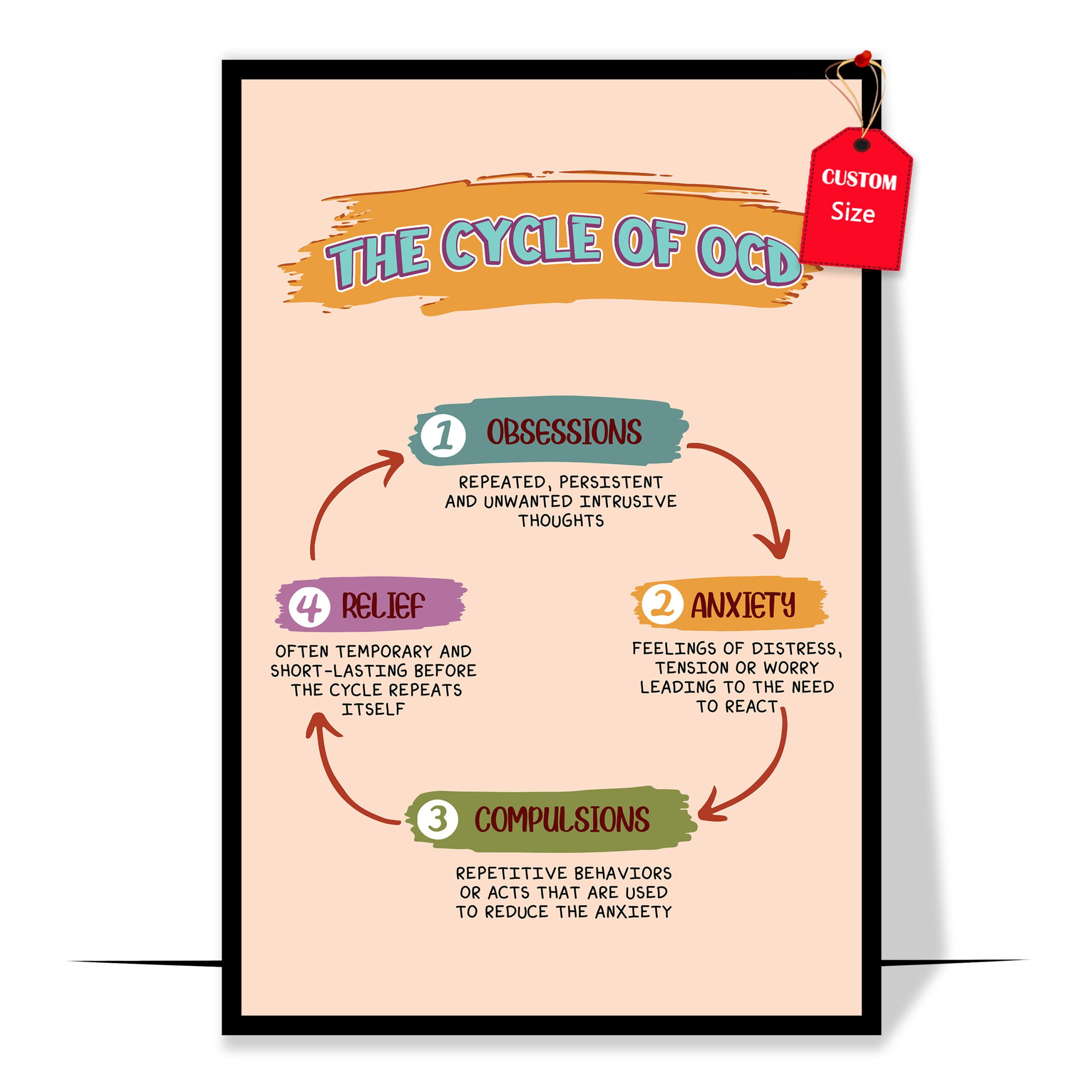
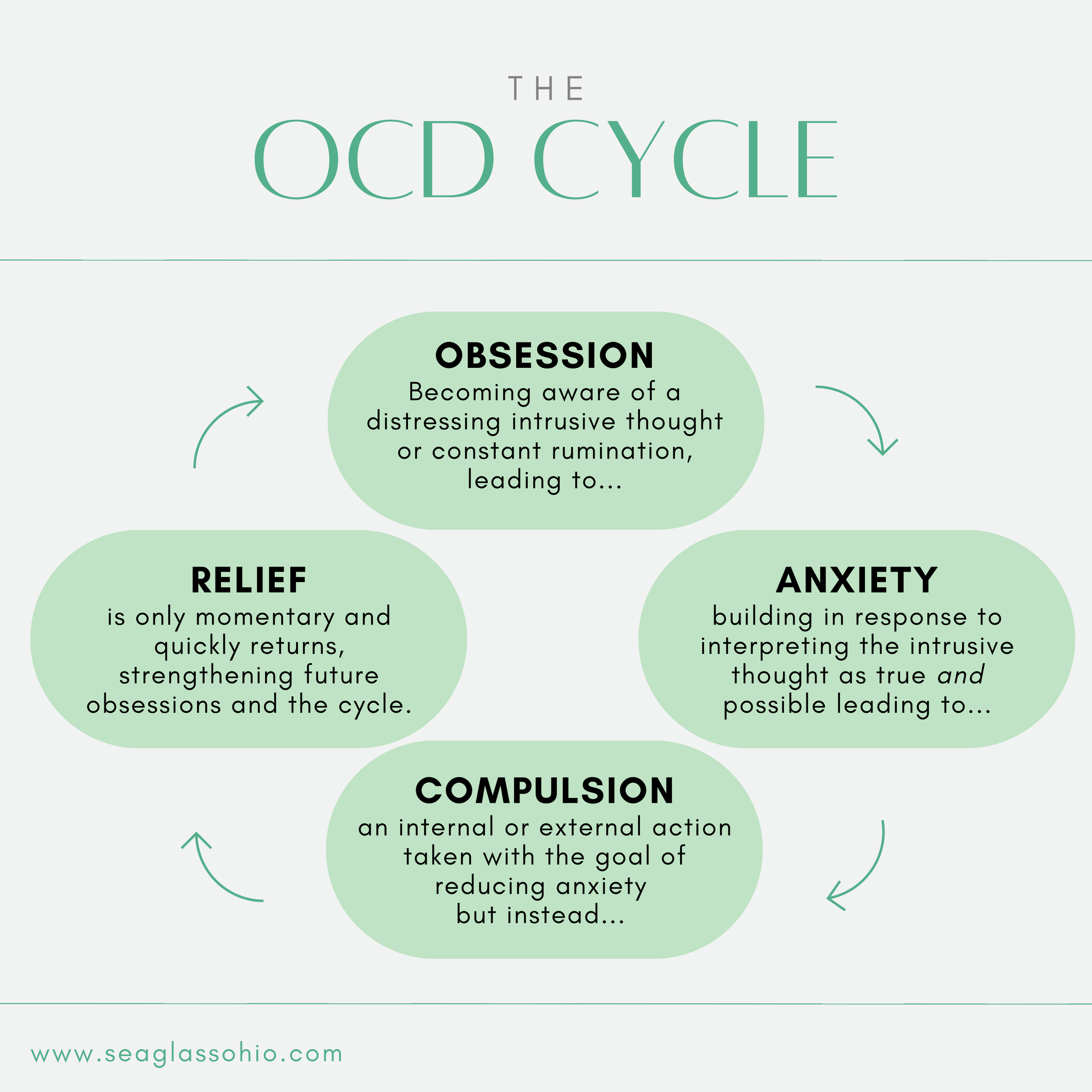
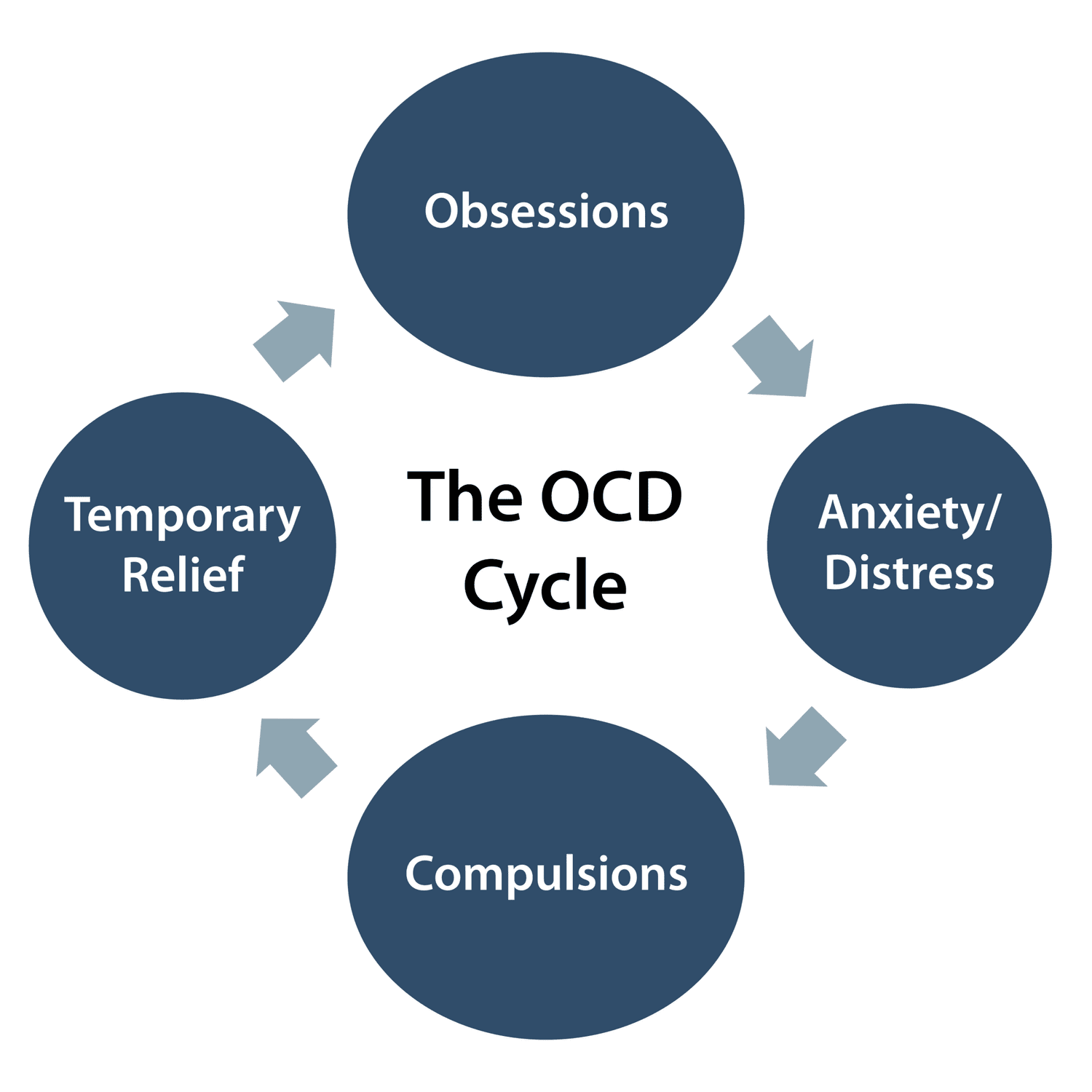
- Intrusive Thought (Obsession)
- Anxiety & Distress
- Compulsive Action (Behavior)
- Temporary Relief (Reinforces Cycle back to Anxiety & Distress)
Why Standard Talk Therapy Falls Short for OCD
A common pitfall in treating OCD is the application of traditional supportive or psychodynamic talk therapy. In standard talk therapy, clinicians encourage patients to explore the meaning of their thoughts, analyze childhood experiences, or seek rational comfort for their anxieties.
When applied to OCD, this approach can inadvertently worsen symptoms. Searching for hidden meanings behind intrusive thoughts reinforces the mistaken belief that the thoughts are significant or dangerous. Furthermore, when a clinician offers reassuring explanations (e.g., "You would never actually harm anyone"), that reassurance often functions as a therapist-assisted compulsion. The patient gains temporary relief, but the underlying neurological threat-response system remains uncorrected, cementing long-term anxiety.
Adapting Exposure and Response Prevention (ERP) to Virtual Settings
The gold-standard psychotherapy for OCD is Exposure and Response Prevention, a specialized form of Cognitive Behavioral Therapy (CBT). ERP works by systematically exposing patients to objects, thoughts, or scenarios that trigger distress (Exposure) while guiding them to refrain from engaging in ritualistic behaviors or mental compulsions (Response Prevention). Over time, this process leads to habituation and inhibitory learning, retraining the brain to tolerate uncertainty without relying on compulsions.
In a virtual environment, ERP is uniquely effective. Rather than trying to simulate anxiety-inducing triggers inside a sterile clinic office, teletherapy allows the therapist to guide exposures within the client's actual home—where the majority of OCD compulsions manifest.
- In-Vivo Environmental Exposures: Therapists can observe and coach clients as they interact with real-world triggers, such as touching door handles, opening unread mail, or resisting the urge to re-check stove knobs.
- Mental and Scripted Exposures: For intrusive thoughts involving taboo themes or catastrophe, clinicians use secure screen-sharing and audio files to deliver imaginal exposure scripts in real time.
- Direct Compulsion Blocking: Therapists can observe subtle micro-compulsions (such as safe-seeking postures or minor checking habits) through high-definition video feeds that might be missed in an artificial clinical setting.
Clinical Efficacy: How Online ERP Compares to In-Person Treatment
A robust body of clinical literature published in peer-reviewed journals demonstrates that remotely delivered ERP produces outcomes equivalent to traditional face-to-face therapy. Randomized controlled trials published through institutions like the National Institute of Mental Health and reported in journals such as JAMA Psychiatry confirm that tele-ERP achieves significant reductions in Yale-Brown Obsessive Compulsive Scale (Y-BOCS) scores.
Average Y-BOCS Symptom Reduction Across Modalities:
- In-Person ERP: ~50-60% Reduction
- Online Video ERP: ~50-60% Reduction
- General Talk CBT: ~15-20% Reduction
Key clinical findings regarding tele-ERP efficacy include:
- Equivalent Symptom Reduction: Patients receiving remote ERP via HIPAA-compliant video platforms demonstrate comparable rates of treatment response and remission to those attending in-person sessions.
- Lower Treatment Dropout Rates: The elimination of travel time, parking, and workplace disruption leads to higher attendance rates and consistent program completion.
- Enhanced Generalization: Because exposure homework is completed in the patient's daily living environment rather than a therapist's office, learned coping skills generalize faster to real-world scenarios.
Key Advantages of Teletherapy for Obsessive-Compulsive Disorder
1. Overcoming the Specialist Shortage
The International OCD Foundation (IOCDF) estimates that it takes an average of 14 to 17 years from the onset of OCD symptoms for an individual to receive an accurate diagnosis and effective treatment. A major driver of this delay is the shortage of trained ERP practitioners, particularly outside major urban centers. Online therapy platforms aggregate specialized clinicians, allowing patients in rural or medically underserved areas to access licensed experts.
2. Targeting Home-Bound and Contamination Obsessions
For individuals with severe contamination fears, agoraphobia, or checking rituals, leaving the house to travel to a clinic can present an insurmountable barrier. Teletherapy meets patients at their current level of functioning. A patient who cannot touch their own front door handle can initiate therapy safely from their bedroom, gradually working outward with their clinician's guidance.
3. Real-Time Intervention for Intrusive Themes
OCD manifests across diverse thematic subtypes, including contamination, harm OCD, scrupulosity (religious or moral OCD), symmetry/order, and sexual intrusive thoughts ("Pure O"). Online platforms enable flexible session structures—such as brief, frequent check-ins or live exposure coaching—that accommodate the unique demands of these varied presentations.
Comparing OCD Treatment Formats
Selecting the appropriate treatment delivery method requires understanding how different modalities perform across clinical parameters.
| Treatment Format | Primary Therapeutic Framework | Exposure Environment | Geographic Accessibility | Clinical Efficacy for OCD |
|---|---|---|---|---|
| Individual Tele-ERP | Exposure & Response Prevention (ERP) / ACT | Native (Home, Workplace, Car) | High (Dependent on state licensing) | High (Clinically proven equal to in-person) |
| In-Person ERP Therapy | Exposure & Response Prevention (ERP) | Clinical Office / Simulated Settings | Limited to local provider radius | High (Historical gold standard) |
| Traditional Online Talk Therapy | General CBT / Supportive / Psychodynamic | Native Home Environment | High | Low (May exacerbate symptoms via reassurance) |
| Self-Guided Digital Modules | Psychoeducation & Automated Exercises | Native Home Environment | High | Moderate (Best utilized as an adjunct tool) |
Potential Limitations and Safety Considerations
While online OCD therapy offers clear benefits, it is not appropriate for every clinical situation. Patient suitability must be evaluated during an initial intake assessment.
Level of Care Triage for OCD Symptoms:
- Mild to Moderate OCD: Outpatient Tele-ERP / Video Sessions
- Moderate to Severe: Intensive Outpatient Program (IOP)
- Severe / Acute Crisis: Partial Hospitalization (PHP) / Inpatient
When Teletherapy May Be Insufficient
- Severe Acute Crisis or Suicidality: Individuals experiencing active suicidal ideation with intent or plan require immediate crisis intervention and in-person psychiatric stabilization.
- Comorbid Psychosis or Severe Substance Dependence: Co-occurring conditions that prevent active participation in behavioral exposure protocols must be addressed prior to or alongside specialized ERP.
- Extreme Functional Impairment: Patients unable to manage basic activities of daily living (ADLs) due to non-stop compulsive rituals may require Partial Hospitalization Programs (PHP) or residential treatment facilities.
Regulatory and Licensing Frameworks
In the United States and many international jurisdictions, mental health professionals must be licensed in the state or region where the client is physically located at the time of the session. Regulatory compacts such as PSYPACT (the Psychology Interjurisdictional Compact) allow authorized psychologists to practice telepsychology across participating member states, expanding access to care while maintaining standard regulatory oversight.
Technology and Data Security Requirements
Therapeutic platforms must comply with applicable privacy regulations, such as the Health Insurance Portability and Accountability Act (HIPAA) in the United States or the General Data Protection Regulation (GDPR) in Europe. Clinicians must utilize end-to-end encrypted video channels rather than standard commercial video software to protect sensitive personal health information.
How to Verify a Qualified Online OCD Specialist
Because general mental health providers may lack specialized training in Exposure and Response Prevention, patients should carefully evaluate potential providers.
Step 1: Confirm Licensing & Inter-State Credentials (e.g., PSYPACT)
Step 2: Verify ERP Specialty Training (e.g., BTTI Certification)
Step 3: Conduct Initial Intake & Evaluate Exposure Methodology
Step 4: Confirm HIPAA-Compliant Platform & Emergency Protocols
Inquire About Specific ERP Training: Ask whether the clinician has completed formal post-graduate training in ERP, such as the Behavioral Therapy Training Institute (BTTI) sponsored by the IOCDF.
Evaluate Case Density: Ask what percentage of the provider's active caseload consists of OCD patients. A dedicated specialist typically maintains a caseload where OCD and anxiety disorders represent the primary focus.
Assess the Treatment Plan: A qualified specialist will construct an "exposure hierarchy" (a step-by-step list of feared situations graded by anxiety level) and focus explicitly on response prevention. If a provider suggests relying solely on relaxation techniques or deep-thought analysis to "fix" intrusive thoughts, they are likely not practicing evidence-based ERP.
Frequently Asked Questions
Is online ERP therapy as effective as seeing an OCD specialist in person?
Yes. Clinical studies show that telehealth delivery of ERP yields symptom reduction outcomes equivalent to face-to-face sessions. The ability to conduct exposures in your natural living environment often enhances long-term skill retention.
What happens during a virtual ERP session?
During a virtual session, you and your therapist review your intrusive triggers, construct or update an exposure hierarchy, and execute planned exposure exercises together on video. Your therapist helps you monitor your distress levels and coaches you to resist engaging in compulsions or safety behaviors.
Can online therapy treat "Pure O" or mental compulsions?
Yes. "Pure O" (obsessions with covert mental rituals) responds well to tele-ERP. Therapists use strategies such as imaginal exposures, recorded loops, and Acceptance and Commitment Therapy (ACT) techniques to help patients identify and eliminate mental compulsions like ruminating, counting, or self-reassurance.
Does health insurance cover virtual OCD therapy?
In many jurisdictions, commercial health insurance policies and public healthcare programs cover telehealth services for mental health conditions at parity with in-person visits. Coverage details vary by plan, state mandates, and network status, so you should verify benefits directly with your insurance payer.
What equipment is required to participate in online OCD therapy?
You need a reliable high-speed internet connection, a computer, tablet, or smartphone equipped with a camera and microphone, and a private, quiet space where you can speak candidly and perform exposures without uninterrupted disruption.
Recommended Next Steps
If you or a loved one are struggling with intrusive thoughts and compulsive behaviors, taking targeted steps toward specialized treatment can significantly accelerate recovery.
- Obtain a Formal Assessment: Schedule an initial clinical consultation with a licensed mental health professional who specializes in OCD and anxiety disorders.
- Verify Clinical Credentials: Ensure the prospective clinician utilizes Exposure and Response Prevention (ERP) and holds valid licensure to practice in your current location.
- Review Technical Requirements: Select a quiet, private area within your home and ensure your device supports secure, HIPAA-compliant video calls before your first intake session.
- Consult Educational Resources: Explore evidence-based materials from organizations like the International OCD Foundation to prepare for your treatment journey.
Image Gallery