Getting Life Insurance at Age 23 Is Not Stupid: A Complete Financial Guide
Getting life insurance at age 23 is not stupid; in fact, it is often one of the most strategic financial moves a young adult can make. Buying coverage at 23 allows you to lock in historically low premium rates for decades, protect pare...
Getting life insurance at age 23 is not stupid; in fact, it is often one of the most strategic financial moves a young adult can make. Buying coverage at 23 allows you to lock in historically low premium rates for decades, protect parents or loved ones from cosigned debts, and guarantee your future insurability before unexpected medical conditions develop.
Contents
The Misconception: Why People Think 23 Is Too Young for Life Insurance
Conventional wisdom often suggests that life insurance is only necessary when you buy a home, marry, or have children. Because most 23-year-olds do not fit this profile, critics argue that paying monthly insurance premiums is a waste of money that would be better spent paying off debt, building an emergency fund, or investing in the stock market.
This viewpoint overlooks how life insurance pricing and risk assessment actually work. Insurance companies calculate premiums primarily based on mortality risk, which increases with age and deteriorating health. By treating life insurance solely as an immediate replacement for lost income for dependents, young adults miss out on the financial leverage that comes with securing a policy at the healthiest, lowest-risk point in their adult lives.
While a single 23-year-old with no debt and no dependents may not need a massive policy right now, writing off life insurance entirely ignores several practical financial realities.
5 Practical Reasons Why Getting Life Insurance at 23 Makes Sense
Evaluating life insurance in your early twenties requires looking past immediate needs to long-term financial positioning. The following core advantages demonstrate why securing a policy early provides substantial value.
1. Locking in the Lowest Possible Premium Rates
Age and health are the two primary metrics underwriting algorithms use to price life insurance policies. At age 23, statistical mortality risk is exceptionally low, meaning insurance companies offer their most favorable pricing tiers (often rated as Preferred Best or Super Preferred).
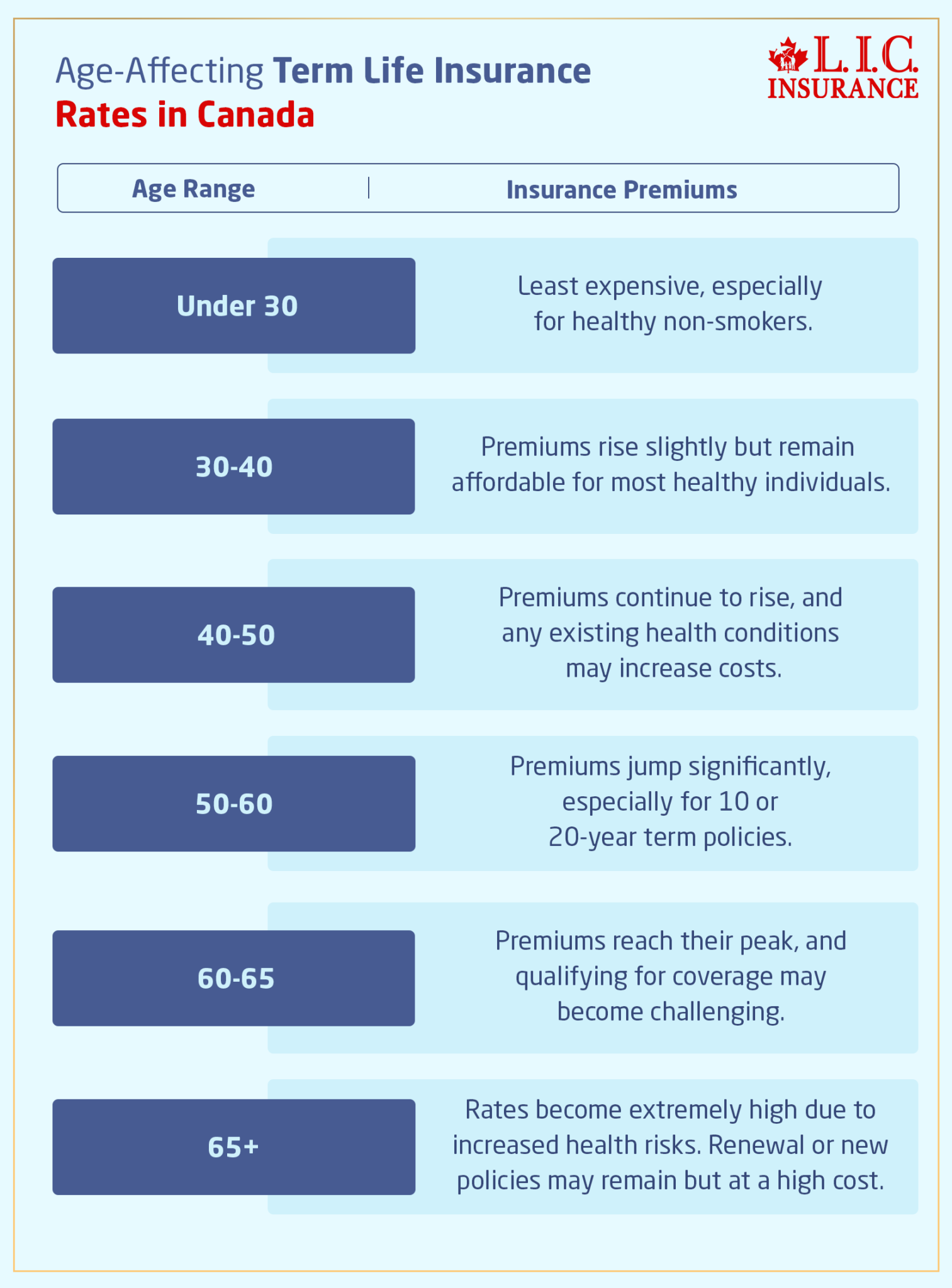
When you purchase a 20-year or 30-year level term policy at age 23, your monthly rate remains frozen for the entire duration of the term. Waiting until age 33 or 40 to buy the exact same policy can increase your monthly cost by 50% to 150%, even if you remain in perfect health.
2. Protecting Cosigners from Private Debt
While federal student loans in the United States are generally discharged upon the borrower’s death, private student loans, private personal loans, and auto loans frequently are not. If a parent, relative, or guardian cosigned a private loan for your college education or first vehicle, they remain legally obligated to pay off that balance if you pass away.
A modest life insurance policy ensures that your cosigners are not left with tens of thousands of dollars in sudden debt during an already devastating personal crisis.
3. Insurability Lock-In (Beating Future Health Issues)
Health status can change rapidly and unpredictably. Developing common conditions later in young adulthood—such as high blood pressure, type 2 diabetes, autoimmune disorders, mental health diagnoses, or cancer—can dramatically increase your life insurance premiums or make you entirely uninsurable for a standard policy.
By purchasing a policy at 23, you secure your insurability. Even if you develop a severe chronic illness at age 27, your insurer cannot cancel your term policy or raise your rates during your contract term as long as premiums are paid on time.
4. Covering Final Expenses and Funeral Costs
The cost of end-of-life care and funeral services is substantial. According to data from the National Funeral Directors Association, the median cost of a funeral with a burial and vault routinely exceeds $8,000 to $10,000, excluding medical bills or administrative expenses associated with settling an estate.
Without a basic life insurance policy, these immediate financial burdens fall directly on surviving family members. A basic policy ensures that final expenses are fully funded without forcing loved ones to launch online fundraisers or drain personal savings.
5. Options for Early Wealth Accumulation
For high-earning 23-year-olds who have already maximized traditional tax-advantaged accounts (such as Roth IRAs or 401(k) plans), certain permanent life insurance structures—such as whole life or variable universal life—offer cash value components. While permanent insurance requires careful management and higher ongoing premiums, starting early maximizes the compounding period for the tax-deferred cash value growth within the policy.
Term vs. Permanent Life Insurance for a 23-Year-Old
Choosing the right structure is critical. Buying the wrong type of policy is usually why people label early life insurance purchases as a financial mistake.
| Feature | Term Life Insurance | Permanent (Whole/Universal) |
|---|---|---|
| Primary Objective | Pure financial protection | Lifetime coverage + Cash Value |
| Coverage Period | Fixed term (10, 20, 30 yrs) | Lifetime (until death/lapse) |
| Monthly Cost | Very low | High (5x to 10x term rates) |
| Cash Accumulation | None | Yes (tax-deferred growth) |
| Flexibility | Fixed death benefit/rate | Adjustable premiums/benefits |
| Suitability at 23 | Ideal for most young adults | Specialized financial plans |
Term Life Insurance: The Top Choice for Young Adults
Term life insurance covers you for a set period (typically 10, 20, or 30 years). If you die within that period, the policy pays the face amount to your designated beneficiaries. If the term expires, coverage ends unless renewed at higher age-adjusted rates.
- Why it works at 23: A healthy 23-year-old non-smoker can often secure a 30-year, $500,000 term life policy for roughly $15 to $25 per month. This locks in affordable coverage through age 53—the exact decades when marriage, mortgages, raising children, and career building create peak financial liabilities.
- The Conversion Advantage: Most quality term policies include a term conversion rider at no extra cost. This allows you to convert your term policy into a permanent whole life policy later in life without undergoing a new medical exam or proving good health, preserving your age-23 health rating.
Permanent Life Insurance: Whole and Universal Options
Permanent life insurance provides lifelong coverage and includes a savings/investment mechanism known as cash value. A portion of every premium payment goes toward administrative fees and mortality costs, while the rest builds interest over time.
- Why to approach with caution: Permanent policies are significantly more expensive than term insurance. A 23-year-old paying $200 per month for a modest whole life policy might be better off buying a $15/month term policy and investing the remaining $185 per month in broad-market index funds via a Roth IRA.
- When it makes sense: Permanent coverage is generally reserved for young adults with high net worths, those who have maxed out traditional retirement options, individuals managing estate planning for family businesses, or parents protecting lifelong dependents with special needs.
Estimated Cost Comparison: Buying at 23 vs. Waiting
To understand the mathematical advantage of purchasing coverage early, consider average estimated monthly premiums for a 30-year, $500,000 Term Life Policy for a healthy non-smoker across different age brackets:
| Age at Purchase | Average Monthly Premium (Male) | Average Monthly Premium (Female) |
|---|---|---|
| Age 23 | $18 - $24 | $15 - $20 |
| Age 33 | $28 - $38 | $22 - $30 |
| Age 43 | $65 - $85 | $50 - $68 |
| Age 53 | $175 - $230 | $130 - $175 |
Note: Premium ranges are estimates based on standard underwriting criteria for non-tobacco users in Tier-1 health. Actual premiums depend on individual underwriting, medical history, family history, and lifestyle factors.
Buying at age 23 saves thousands of dollars over the lifetime of a 30-year contract compared to waiting until your mid-30s, even though you are paying for an extra decade of coverage.
When Getting Life Insurance at 23 Might NOT Be a Priority
While early coverage offers clear financial benefits, purchasing life insurance is not the absolute highest priority for every 23-year-old. You may want to delay buying individual life insurance if your current situation reflects the following:
- High-Interest Consumer Debt: If you carry high-interest credit card debt, resolving balances charging 20%+ APR delivers a higher guaranteed financial return than purchasing coverage you do not urgently need.
- No Emergency Fund: Establishing a basic liquid savings buffer (3 to 6 months of living expenses) takes priority over paying monthly insurance premiums.
- Zero Debts and Zero Dependents: If you have no cosigned loans, no family members reliant on your income, and sufficient liquid savings or existing group life insurance to cover funeral expenses, buying an individual private policy can wait until your income stabilizes.
- Relying Entirely on Employer Group Plans: Many entry-level corporate jobs offer group term life insurance (often equal to 1x your annual salary) at no cost. While group coverage is rarely portable if you change jobs, it may offer adequate temporary coverage while you settle into your career.
Step-by-Step: How to Buy Life Insurance at Age 23
If you decide that securing life insurance aligns with your financial strategy, follow these steps to obtain optimal coverage without overpaying.
- Step 1: Calculate Coverage Needs
- Add cosigned debts + estimated final expenses ($10k) + future income replacement
- Subtract existing employer group insurance coverage
- Step 2: Choose the Policy Type & Term Length
- Select Term Life (20 or 30 years) for cost-effective coverage
- Ensure the policy includes a Guaranteed Term Conversion Rider
- Step 3: Compare Quotes from Independent Brokers
- Request quotes from multiple carriers to find preferred health rates
- Step 4: Complete Underwriting & Medical Exam (If Required)
- Provide accurate personal health, family medical, and lifestyle history
- Step 5: Lock in Rates & Set Up Automatic Payments
- Maintain policy to secure locked-in pricing for the next 20 to 30 years
Step 1: Calculate Your Actual Needs
Do not buy a policy amount at random. Calculate your target death benefit using this formula:
$$\text{Coverage Needed} = \text{Cosigned Debts} + \text{Final Expenses ($10,000)} + \text{Future Dependents/Income Support}$$
If you have $30,000 in cosigned private student loans and want to leave $20,000 for final expenses and family support, a basic $100,000 to $250,000 policy is often sufficient. If you plan to start a family within the decade, securing $500,000 now locks in optimal long-term value.
Step 2: Choose the Right Term Length
For a 23-year-old, a 30-year term policy is generally recommended. It protects you until age 53, covering your prime career years, potential mortgage duration, and child-rearing responsibilities. If budget constraints are tight, a 20-year term provides adequate mid-term protection at a slightly lower rate.
Step 3: Check for Convertible Term Options
Ensure that any term policy you select includes a guaranteed insurability or term conversion rider. This contractual clause allows you to convert all or part of your term policy into a permanent whole life policy later in life—regardless of any medical diagnoses you develop after buying the policy.
Step 4: Compare Quotes Across Multiple Carriers
Insurance companies rate health conditions and lifestyles differently. For example, some insurers are far more lenient with past athletic injuries, mild anxiety, or family medical histories than others. Work with an independent broker who can pull quotes from dozens of top-tier carriers rather than shopping through a single captive insurance provider.
Step 5: Be Honest on Underwriting Applications
Underwriting involves evaluating your medical records, prescription history, motor vehicle reports, and sometimes a quick medical exam (blood sample and blood pressure check). Always disclose tobacco, nicotine pouch, or vaping use accurately; failure to declare nicotine habits constitutes insurance fraud and can lead to denied claims for your beneficiaries later.
Frequently Asked Questions
Do I need life insurance at 23 if I am single with no kids?
You do not strictly need life insurance to replace lost income if no one depends on your paycheck. However, getting coverage at 23 is beneficial if you have cosigned private debts, wish to cover your own final expenses, or want to lock in extremely low rates and guarantee your insurability before developing future health conditions.
What happens to private student loans if a 23-year-old passes away?
Unlike federal student loans, which are legally required to be discharged upon the primary borrower's death, private student loans depend on the lender's policy and state law. If a parent or guardian cosigned your private student loan, the lender can demand that the cosigner repay the remaining loan balance immediately. A life insurance policy naming the cosigner as the beneficiary prevents this financial burden.
Is employer-provided life insurance enough for a 23-year-old?
Group life insurance provided by an employer is a great free benefit, but it has two main drawbacks: it is usually not portable (meaning you lose coverage if you switch jobs, are laid off, or leave the workforce), and the coverage amount (often $50,000 or 1x salary) may be insufficient. Having an individual, personal policy guarantees continuous protection regardless of your employment status.
How does smoking, vaping, or cannabis use affect rates at age 23?
Tobacco and nicotine use significantly impact life insurance premiums. Insurers typically classify smokers, vapers, and regular nicotine users in tobacco pricing tiers, which can double or triple monthly premiums. Cannabis use policies vary widely between insurance carriers, ranging from standard non-smoker rates for occasional use to tobacco-level surcharges.
Can I cancel a term life policy later if I no longer need it?
Yes. Term life insurance policies do not lock you into a financial penalty if you choose to cancel. If your financial situation changes and you no longer require coverage, you simply stop paying monthly premiums, and the policy will lapse without any hidden cancelation fees or legal obligation.
Final Recommendation: Taking Action
Getting life insurance at age 23 is a strategic move to lock in low rates, protect cosigners, and secure future insurability. If you have cosigned debt, plan to start a family within the next ten years, or simply want to protect your parents from unexpected end-of-life expenses, securing a simple 20-year or 30-year term life policy offers incredible value for less than the cost of a monthly streaming subscription.
Assess your debts, review your family medical history, and gather quotes from independent insurance providers to determine if securing coverage today fits into your financial path.
EDITORIAL CATEGORY METADATA:
Image Gallery