Both Palms Itching Meaning: Medical Causes, Dermatological Conditions, and Folklore
Both palms itching can be an unsettling physical sensation, often prompting immediate concern regarding underlying dermatological health, systemic medical conditions, or even cultural folklore superstitions. Scientifically known as bil...
Both palms itching can be an unsettling physical sensation, often prompting immediate concern regarding underlying dermatological health, systemic medical conditions, or even cultural folklore superstitions. Scientifically known as bilateral palmar pruritus, the sensation arises when sensory nerve fibers in the skin of the hands are stimulated by inflammatory mediators, dry skin, or systemic triggers. While most cases stem from common skin conditions like contact dermatitis or eczema, persistent bilateral palmar itching can sometimes signal more complex internal health concerns requiring professional medical evaluation.
Contents
Decoding Bilateral Palmar Pruritus: Medical vs. Cultural Perspectives
When individuals experience itching on both palms simultaneously, interpretations generally fall into two distinct categories: clinical medicine and cultural folklore. In the medical community, pruritus of the palms is rarely considered a standalone diagnosis; instead, it is viewed as a symptom reflecting localized cutaneous irritation, an allergic response, or a metabolic disruption. Dermatologists and internal medicine specialists examine the distribution, duration, and accompanying symptoms to pinpoint the exact physiological trigger.
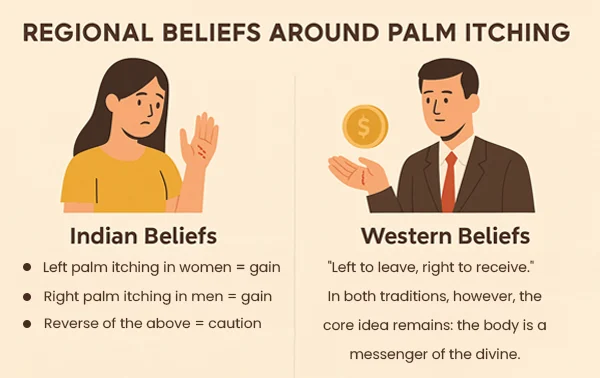
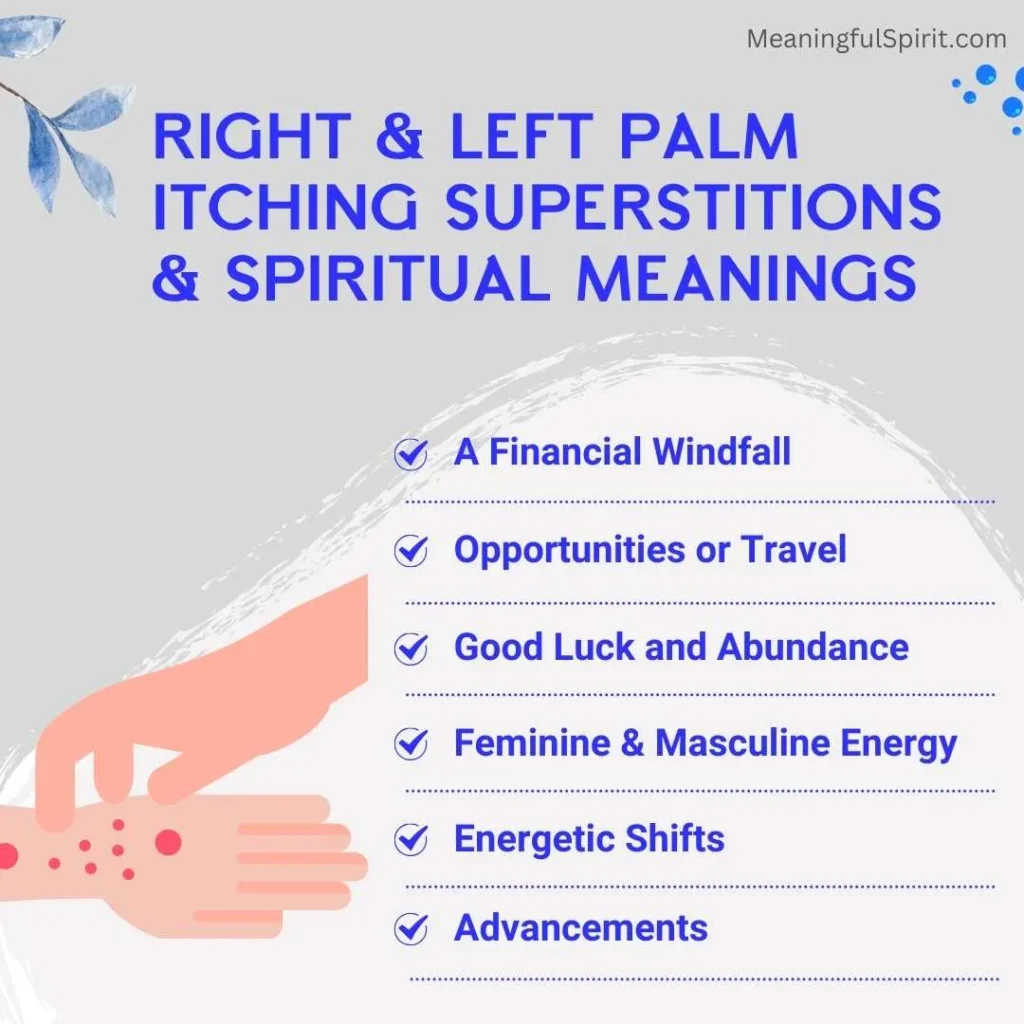
Conversely, centuries-old folk traditions attribute the phenomenon to impending financial changes. A widely recognized superstition suggests that an itchy right palm signifies money coming in (receiving funds), while an itchy left palm signifies money going out (paying bills or making purchases). However, from a strictly biological and evidence-based standpoint in 2026, healthcare providers prioritize differential diagnoses rooted in dermatology, immunology, and hepatology over traditional lore.
Common Dermatological Triggers of Itchy Palms
The skin on the palmar surface of the hands is structurally unique—it is thick, contains a high density of sweat glands, and lacks hair follicles. This makes it uniquely susceptible to specific types of localized skin inflammation and barrier disruption.
- Contact Dermatitis: This occurs when the skin reacts to a substance it touches. Irritant contact dermatitis results from harsh chemicals, soaps, detergents, or frequent handwashing, which strip the natural lipid barrier. Allergic contact dermatitis involves an immune system reaction to specific allergens such as nickel, fragrances, rubber accelerators in gloves, or preservatives.
- Hand Eczema (Dyshidrotic Eczema): Also known as pompholyx, this specific form of eczema frequently affects the palms and sides of the fingers. It is characterized by the sudden eruption of intensely pruritic, deep-seated fluid-filled blisters (vesicles), which eventually dry out, peel, and leave the skin cracked and tender.
- Xerosis (Severe Dry Skin): Environmental factors, low humidity, frequent exposure to sanitizers, and aging can severely dehydrate the stratum corneum. Extremely dry palmar skin often develops micro-fissures that trigger persistent itching sensations.
- Psoriasis (Palmar Psoriasis): A chronic autoimmune condition can manifest specifically on the palms, presenting as thickened, well-demarcated red plaques covered with silvery-white scales, accompanied by deep cracking and severe itching.
Systemic Medical Conditions Associated with Bilateral Itching
When both palms itch intensely without an obvious external rash, the underlying cause may originate internally. Systemic pruritus often results from circulating chemical mediators, bile salts, or metabolic byproducts that stimulate cutaneous nerve endings.
| Systemic Condition | Pathophysiology & Mechanism | Common Accompanying Symptoms |
|---|---|---|
| Cholestasis (Liver Dysfunction) | Impaired bile flow leads to an accumulation of bile acids in the bloodstream, which deposit in the skin and stimulate sensory nerve receptors. | Dark urine, pale stools, jaundice (yellowing of skin/eyes), and generalized itching often worse on palms and soles. |
| Thyroid Disorders | Both hypothyroidism and hyperthyroidism alter metabolic rates, skin moisture regulation, and systemic hydration, frequently causing pruritus. | Fatigue, unexplained weight changes, cold or heat intolerance, and hair thinning. |
| Diabetes Mellitus | Chronic hyperglycemia causes nerve damage (neuropathy), reduced microcirculation, and dry skin, predisposing individuals to localized itching. | Excessive thirst, frequent urination, slow-healing wounds, and blurred vision. |
| Chronic Kidney Disease | Reduced renal clearance causes a buildup of uremic toxins, secondary hyperparathyroidism, and mineral imbalances that provoke severe itching. | Fatigue, swelling in ankles, muscle cramps, and changes in urination frequency. |
Neurological and Autoimmune Factors
Beyond skin and organ-specific diseases, nerve entrapment and autoimmune activity can manifest as bilateral palmar itching. Carpal tunnel syndrome, for example, involves the compression of the median nerve as it passes through the wrist. While primarily causing numbness, tingling, and pain, nerve irritation can sometimes translate into abnormal sensory signals, including localized itching or burning on the palms.
Furthermore, autoimmune systemic disorders can target cutaneous microvessels or nerve endings. Conditions like systemic sclerosis (scleroderma) cause thickening and tightening of the skin on the hands, which frequently begins with an itchy, edematous phase before the skin becomes fibrotic and stiff.
Comparative Overview: Dermatological vs. Systemic Itching Profiles
Differentiating between a localized skin issue and a systemic internal condition is critical for effective management. The table below outlines key diagnostic indicators to help categorize the nature of palmar pruritus.
| Clinical Feature | Localized Dermatological Causes (e.g., Eczema, Contact Dermatitis) | Systemic Medical Causes (e.g., Cholestasis, Renal Disease, Thyroid Issues) |
|---|---|---|
| Visible Skin Changes | Prominent rash, redness, blisters, scaling, peeling, or visible cracking. | Often minimal initial rash; skin may appear normal aside from scratch marks (excoriations). |
| Distribution | Frequently localized to points of contact or specific palmar zones. | Often bilateral, generalized, or intensely concentrated on palms and soles. |
| Trigger Factors | Exposure to soaps, chemicals, allergens, friction, or seasonal dryness. | Internal metabolic shifts, elevated bile acids, uremic toxins, or hormonal imbalances. |
| Response to Topical Emollients | High responsiveness to moisturizers, barrier repair creams, and topical corticosteroids. | Minimal relief from standard moisturizers; requires systemic treatment or management of underlying disease. |
Diagnostic Approaches and Medical Evaluation
When bilateral palmar itching persists for more than two weeks, disrupts sleep, or is accompanied by systemic warning signs, professional medical evaluation is necessary. A primary care physician or dermatologist will typically initiate diagnostic procedures based on a thorough clinical history.
- Detailed Patient History: Assessment of occupational exposures, new skincare products, medications, family history of skin or liver disease, and temporal patterns of the itching.
- Physical Examination: Comprehensive inspection of the palms, interdigital spaces, fingernails, and entire integumentary system to identify primary skin lesions or signs of systemic illness.
- Laboratory Testing: Blood panels including a Complete Blood Count (CBC), Comprehensive Metabolic Panel (CMP) with liver function tests (bilirubin, alkaline phosphatase, ALT, AST), fasting blood glucose or HbA1c, and thyroid-stimulating hormone (TSH) levels to rule out internal pathology.
- Patch Testing: Performed by an allergist or dermatologist if allergic contact dermatitis is suspected, helping identify specific chemical triggers.
Actionable Management and Symptom Relief Strategies
Managing itchy palms requires addressing the root cause while simultaneously protecting and repairing the compromised skin barrier. Integrating evidence-based self-care practices can significantly reduce discomfort.
- Optimize Skin Barrier Hydration: Apply thick, fragrance-free emollients, ceramides, or ointments immediately after washing hands while the skin is still slightly damp to lock in moisture.
- Eliminate Irritants: Switch to hypoallergenic, soap-free cleansers. Wear protective cotton-lined nitrile or vinyl gloves when handling household cleaning chemicals, detergents, or performing wet work.
- Manage Environmental Factors: Avoid very hot water when washing hands, as high temperatures strip natural protective oils. Use lukewarm water instead.
- Utilize Targeted Topical Treatments: Over-the-counter hydrocortisone creams may provide short-term relief for inflammatory dermatitis, while cooling lotions containing menthol or pramoxine can soothe nerve endings. Always consult a physician before prolonged use of topical steroids.
- Address Underlying Systemic Issues: If blood work reveals liver, kidney, or metabolic abnormalities, strictly adhere to the specialized treatment plan prescribed by your physician, as treating the primary condition is the only way to resolve systemic pruritus.
Frequently Asked Questions
Why do both of my palms itch at the same time?
Bilateral palmar itching typically indicates a systemic trigger, a widespread allergic reaction, or a chronic skin condition like hand eczema that affects both hands symmetrically. Because both hands are exposed to the same environmental irritants or internal biochemical environment, symptoms frequently manifest simultaneously.
Could itchy palms be a sign of a serious liver problem?
Yes, persistent, unexplained palmar itching can be a symptom of cholestasis, a condition where bile flow from the liver is reduced or blocked. This causes bile salts to accumulate in the bloodstream and deposit in the skin, triggering intense pruritus often most noticeable on the palms and soles.
When should I see a doctor for itchy palms?
You should consult a healthcare professional if the itching persists for more than two weeks, does not respond to moisturizers, disrupts your sleep, or is accompanied by systemic symptoms such as dark urine, yellowing of the skin, extreme fatigue, or unexplained weight changes.
Are itchy palms related to diabetes or thyroid issues?
Yes, both diabetes and thyroid disorders can cause dry skin, nerve sensitivity, and metabolic changes that result in localized or generalized itching. Elevated blood sugar levels or hormonal imbalances alter the skin's moisture balance and barrier function.
How can I stop my palms from itching immediately?
For temporary relief, apply a cold compress to the palms for 10 to 15 minutes to numb sensory nerve endings, followed by a thick, fragrance-free emollient or a cooling lotion containing pramoxine. Avoid scratching, as this damages the skin barrier and worsens inflammation.
Conclusion
Experiencing bilateral palmar itching can range from a minor annoyance caused by seasonal dryness or contact dermatitis to an important clinical warning sign of an underlying systemic condition. By understanding the multifaceted medical and dermatological causes behind the sensation—and avoiding the temptation to rely solely on traditional folklore—you can take proactive steps toward accurate diagnosis and effective management. Prioritize a professional evaluation if symptoms persist to safeguard your long-term health and skin integrity.
Image Gallery