Soft Dog Food for Sensitive Stomachs: Ingredients, Formats, and Selection Guide
Soft dog food for a sensitive stomach combines high digestibility, gentle textures, and targeted nutrients like prebiotic fibers and single-source proteins to alleviate gastrointestinal upset. Available in canned wet food, fresh-cooked...
Soft dog food for a sensitive stomach combines high digestibility, gentle textures, and targeted nutrients like prebiotic fibers and single-source proteins to alleviate gastrointestinal upset. Available in canned wet food, fresh-cooked meals, and rehydrated options, soft diets reduce digestive strain while aiding hydration and nutrient absorption for dogs prone to vomiting, diarrhea, or food intolerances.
Contents
Understanding Canine Digestive Sensitivity
Canine digestive sensitivity is one of the most common reasons pet owners seek veterinary guidance. A sensitive stomach in dogs manifests through symptoms such as soft or irregular stools, frequent flatulence, abdominal rumbling (borborygmi), regurgitation, occasional vomiting, and periodic loss of appetite. While acute gastrointestinal (GI) distress can stem from temporary dietary indiscretion—such as a dog eating table scraps or foreign objects—chronic sensitivity often indicates underlying gastrointestinal dysfunction, food intolerances, or inflammatory gut conditions.
Soft dog food plays a crucial physical and chemical role in managing digestive sensitivity. From a physical perspective, soft, moisture-rich foods require minimal mechanical breakdown in the oral cavity and stomach. This eases the workload on the esophagus and stomach lining, facilitating smoother gastric emptying. Chemically, high-quality soft foods are formulated with highly bioavailable nutrients, allowing the small intestine to absorb essential amino acids, fatty acids, vitamins, and minerals efficiently without leaving large amounts of undigested residue to ferment in the colon.
The underlying causes of canine digestive sensitivity vary widely, including:
- Food Hypersensitivities and Adverse Reactions: Immune-mediated food allergies or non-immune food intolerances to specific protein sources (such as beef, chicken, or dairy) or additives.
- Intestinal Dysbiosis: An imbalance in the gut microbiome, where harmful bacterial populations outnumber beneficial microflora, disrupting nutrient absorption and mucosal barrier integrity.
- Exocrine Pancreatic Insufficiency (EPI) or Pancreatitis: Conditions where the pancreas fails to produce adequate digestive enzymes or becomes inflamed, requiring strict control over dietary fat levels.
- Inflammatory Bowel Disease (IBD): Chronic inflammation of the intestinal tract wall that impairs peristalsis and nutrient transport.
- Age-Related Changes: Senior dogs often experience decreased digestive enzyme secretion, altered gut motility, and dental wear, making dry kibble difficult to digest and process comfortably.
Disclaimer: Digestive symptoms can mimic serious medical conditions such as intestinal blockages, severe infections, or systemic organ failure. Consult a licensed veterinarian for an accurate diagnosis before starting any long-term therapeutic diet.
Key Nutritional Attributes of Sensitive Stomach Diets
Not all soft dog foods are suitable for dogs with delicate digestive tracts. High-fat, low-quality canned foods containing artificial binders or mystery meat bi-products can exacerbate intestinal inflammation. When evaluating soft dog food for a sensitive stomach, veterinary nutritionists prioritize specific functional criteria:
Key Elements of a Sensitive Stomach Diet:
- High Digestibility (>85-90% Absorption)
- Novel / Hydrolyzed Protein (Reduces Immune Triggering)
- Balanced Fibers (Soluble + Prebiotics)
1. High Protein Digestibility and Sourcing
The primary protein source in a sensitive-stomach diet must be easily broken down into absorbable amino acids. Highly digestible protein options include cooked whitefish (such as cod or pollock), lean turkey, rabbit, venison, and egg whites. For dogs with severe food allergies, veterinary-formulated soft diets may feature hydrolyzed proteins—proteins that have been enzymatically broken down into small peptide chains that pass below the recognition threshold of the dog's immune system.
2. Tailored Fat Content
Fat is an essential source of energy and essential fatty acids, but it is also the hardest macronutrient to digest. High dietary fat delays gastric emptying and strongly stimulates pancreatic enzyme release. For dogs prone to acute gastroenteritis, pancreatitis, or fat malabsorption, soft foods with moderate-to-low fat content (typically under 10% to 15% on a dry matter basis) are necessary to prevent gut distress.
3. Soluble and Insoluble Fiber Balance
Fiber regulates gastrointestinal transit time and stool consistency.
- Soluble fiber (found in pumpkin, psyllium husk, and oat bran) absorbs excess water in the intestines, transforming liquid stool into a formed, soft gel.
- Insoluble fiber adds bulk and supports regular intestinal contractions (peristalsis).
- Prebiotic fibers, such as fructooligosaccharides (FOS), mannanoligosaccharides (MOS), and chicory root extract (inulin), selectively feed beneficial probiotic bacteria in the colon, fostering a resilient gut microbiome.
4. Anti-Inflammatory Fatty Acids
Omega-3 fatty acids, specifically eicosapentaenoic acid (EPA) and docosahexaenoic acid (DHA) derived from marine sources like wild salmon oil or microalgae, help reduce active mucosal inflammation within the stomach and intestinal walls.
Types of Soft Dog Food Formats
Soft dog food encompasses several distinct product formats, each offering specific operational benefits, storage traits, and textures suitable for sensitive dogs.
Canned Wet Food
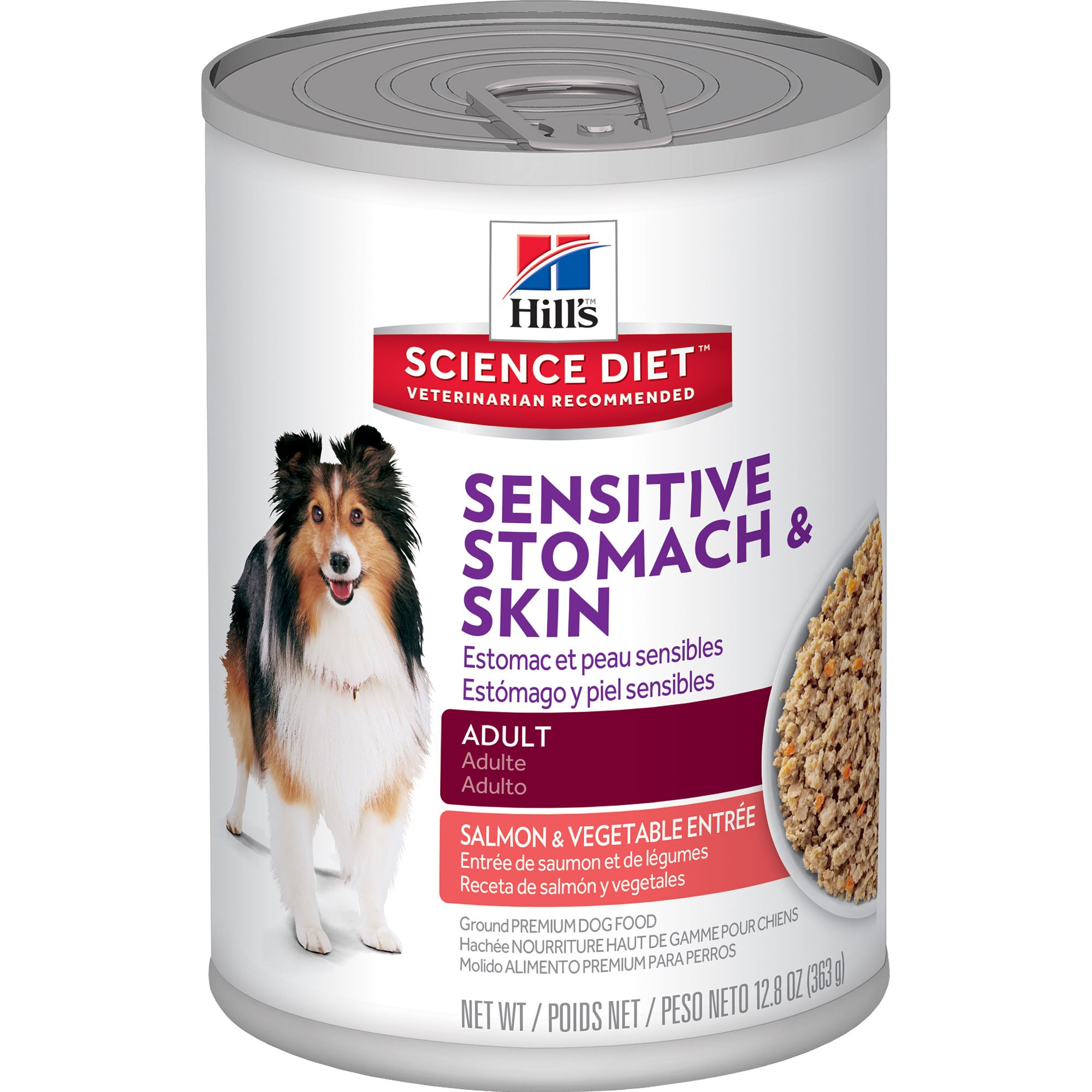
Canned food is the traditional choice for soft diets. It undergoes thermal sterilization inside sealed cans, eliminating the need for synthetic chemical preservatives. High-quality canned sensitive-stomach formulas typically feature smooth pates or gentle cuts in gravy. Their high moisture content (usually 75% to 82%) improves hydration, which is vital for dogs recovering from episodes of diarrhea or vomiting.
Fresh and Gently Cooked Diets
Fresh dog food consists of human-grade ingredients that are lightly cooked at low temperatures to neutralize pathogens while maintaining nutrient integrity and natural flavor. These diets are typically stored frozen or refrigerated. Because they lack harsh processing and heavy starch binders, gently cooked meals are highly digestible and extremely palatable for sick or picky dogs.
Rehydrated Dehydrated or Freeze-Dried Foods
Dehydrated and freeze-dried dog foods are shelf-stable options made by removing moisture from fresh ingredients. When warm water is added prior to feeding, the food reconstitutes into a soft, porridge-like texture. This format offers the convenience of shelf stability while avoiding the hard texture of traditional dry kibble.
Softened Kibble (Home Preparation)
For pet owners seeking a cost-effective intermediate step, standard dry kibble can be softened at home. Steeping kibble in warm water or low-sodium, onion-free bone broth for 15 to 20 minutes breaks down the kibble's matrix into a soft mash. While this does not alter the underlying ingredient composition of the kibble, it reduces mechanical strain on the stomach and aids hydration.
Ingredients to Seek vs. Ingredients to Avoid
Selecting the right soft dog food requires reading label ingredient panels carefully. Ingredients should be clear, specific, and chosen for gentle digestion.
| Category | Recommended Ingredients | Ingredients to Limit or Avoid |
|---|---|---|
| Proteins | Cooked cod, pollock, turkey, rabbit, venison, hydrolyzed soy/poultry | Unnamed "meat meal," high-fat pork, fried meats, excess beef scraps |
| Carbohydrates | White rice, sweet potato, oats, tapioca, pumpkin puree | Unrefined whole corn, excessive wheat gluten, raw starches |
| Fats & Oils | Salmon oil, flaxseed oil, sunflower oil (in precise, controlled amounts) | High-fat animal drippings, rendered fats of unknown origin, lard |
| Fibers & Prebiotics | Chicory root (inulin), psyllium husk, beet pulp, FOS, MOS | Excess coarse wheat bran, artificial cellulose additives |
| Additives & Binders | Agar-agar, guar gum (in low levels), natural vitamins/minerals | Carrageenan (in high amounts), artificial dyes (Red 40, Yellow 5), BHA/BHT |
Comparative Overview of Soft Diet Options
Evaluating different soft food formats helps match the diet to your dog's health needs, budget, and daily routine.
| Format | Average Moisture Content | Digestibility Level | Fat Control Flexibility | Storage & Shelf Life | Best Suited For |
|---|---|---|---|---|---|
| Canned Wet Food (Veterinary) | 75% – 82% | Very High | High (Precise prescription formulas) | Long shelf life unopened; 2-3 days refrigerated once opened | Chronic GI conditions, acute recovery, senior dogs |
| Fresh / Gently Cooked | 68% – 78% | Excellent | Moderate to High (Vendor specific) | Requires freezer/fridge storage; short open shelf life | Picky eaters, mild food sensitivities, general gut health |
| Rehydrated Freeze-Dried | 70% – 80% (when mixed) | High | Variable | Long shelf life ambient; must serve immediately after hydration | Travel, dog owners needing light storage with soft texture |
| Softened Dry Kibble | 60% – 70% (when soaked) | Moderate | Dependent on base kibble | Base kibble lasts long; hydrated food spoils within hours | Budget-conscious owners, transitioning back to solid food |
How to Safely Transition Your Dog to a Soft Diet
Abrupt changes in a dog's diet can trigger digestive distress, leading to acute diarrhea or vomiting—even when switching to an exceptionally digestible food. A gradual transition period allows the intestinal enzymes and resident gut microbes time to adapt.
Diet Transition Timeline (7 to 10 Days):
- Day 1-2: 75% Old Food, 25% New Soft Food
- Day 3-4: 50% Old Food, 50% New Soft Food
- Day 5-6: 25% Old Food, 75% New Soft Food
- Day 7+: 100% New Soft Food
Step-by-Step Transition Protocol:
- Days 1 to 2: Mix 25% of the new soft diet with 75% of the dog's current food. Serve at room temperature or slightly warm to enhance palatability.
- Days 3 to 4: Shift the ratio to 50% new soft food and 50% current food. Observe the dog's stool daily.
- Days 5 to 6: Increase to 75% new soft food and 25% old food.
- Day 7 Onward: Transition fully to 100% new soft diet. For dogs with severe Inflammatory Bowel Disease or extreme sensitivity, extend each step to 3–4 days (a 14-day total transition).
Stool Monitoring Guidelines
During the transition, monitor your dog's stool using a simple observational scale:
- Ideal Stool: Firm, formed, log-shaped, easy to pick up without leaving significant residue.
- Mild Soft Stool: Formed but moist, leaves residue when picked up. (Maintain current transition ratio for an extra 2 days before increasing new food).
- Severe Loose Stool / Diarrhea: Unformed, liquid, or watery. (Temporarily step back to the previous ratio and consult your veterinarian if it persists for more than 24 hours).
Home-Cooked Bland Diets for Short-Term Acute Upset
When a dog experiences sudden, acute vomiting or diarrhea due to minor dietary indiscretion, veterinarians frequently recommend a short-term home-cooked bland diet for 3 to 5 days before introducing a complete commercial soft food.
Standard Bland Diet Recipe Ratio
- 2 Parts Digestible Carbohydrate: Plain, boiled white rice (boiled in water, no salt, butter, or spices). White rice is low in fiber and easily absorbed, providing quick energy to the GI tract.
- 1 Part Lean Protein: Boiled white-meat chicken breast (skinless, boneless, fat removed) or boiled extra-lean ground turkey/whitefish.
Critical Safety Considerations for Home-Cooked Diets
Home-prepared bland diets are nutritionally incomplete for long-term feeding. They lack essential minerals (such as calcium and phosphorus), vitamins, and essential fatty acids required for long-term physiological health.
- Do not feed a simple rice-and-chicken bland diet for longer than 5 to 7 days without direct veterinary supervision.
- If long-term home cooking is desired for a dog with severe, chronic allergies, consult a board-certified veterinary nutritionist to formulate a recipe balanced with complete mineral and vitamin premixes.
When to Seek Immediate Veterinary Attention
While mild digestive upset often resolves with a gentle soft diet, certain symptoms indicate serious underlying medical emergencies requiring immediate veterinary intervention rather than dietary changes alone.
Contact an emergency veterinarian immediately if your dog displays any of the following warning signs:
- Presence of Blood in Stool or Vomit: Bright red blood in stool (hematochezia) or dark, tarry black stool (melena), or vomit that resembles coffee grounds.
- Frequent, Uncontrolled Vomiting: Inability to keep water down for more than 12 to 24 hours, leading to rapid dehydration.
- Abdominal Pain or Distension: Signs of severe distress, whining, rigid abdomen, or assuming the "prayer position" (front legs down, rear end up in the air).
- Unproductive Retching: Repeated attempts to vomit without producing anything, which can indicate Bloat/Gastric Dilation-Volvulus (GDV)—a life-threatening medical emergency.
- Systemic Symptoms: High fever, severe lethargy, unresponsiveness, pale or tacky gums, or significant unexplained weight loss.
Frequently Asked Questions
Why is soft food often better than dry kibble for a dog with an upset stomach?
Soft food contains significantly higher moisture levels (70–82%) compared to dry kibble (8–10%), aiding hydration during gut recovery. Physically, soft textures require minimal mechanical breakdown by the stomach, reducing gastric irritation and allowing faster, easier enzymatic digestion in the small intestine.
Can feeding soft food exclusively cause dental problems in dogs?
While dry kibble was historically thought to clean teeth through abrasion, studies show standard kibble crumbles quickly and offers minimal dental cleaning benefits unless specifically formulated as a specialized dental kibble. While soft food does not provide abrasive cleaning, dental disease is primarily managed through active care, such as daily toothbrushing with dog-safe toothpaste, veterinary dental scaling, and approved dental chews—regardless of whether the underlying diet is wet or dry.
Is canned wet food higher in fat than dry kibble?
Not necessarily, but guaranteed analysis labels can be misleading. Canned food labels show lower fat percentages because of high water content. To compare fat accurately between wet and dry food, convert the values to a Dry Matter Basis (DMB) by subtracting the moisture percentage from 100% and dividing the fat percentage by the remaining dry matter. Dedicated veterinary sensitive-stomach canned foods are specifically formulated with low-to-moderate fat levels suitable for delicate digestions.
How long can soft dog food be left out in a feeding bowl?
Because of its high moisture content, soft food left out at room temperature can grow bacteria quickly. Uneaten wet or reconstituted soft food should be discarded after 30 to 60 minutes. Unopened cans should be stored in a cool, dry place, while opened cans or fresh food must be covered, refrigerated, and used within 2 to 3 days.
Can I mix pumpkin directly into my dog's regular soft food?
Yes, pure canned pumpkin (plain pumpkin puree, not spiced pumpkin pie mix) is a great source of soluble fiber that helps stabilize stool consistency. Adding 1 to 2 teaspoons for small dogs or 1 to 2 tablespoons for large dogs into their soft food can help firm up loose stools. However, excess fiber can cause flatulence or diarrhea, so introduce it slowly.
Recommended Next Steps for Dog Owners
Managing a dog's digestive sensitivity requires a methodical approach to diet selection, transition, and monitoring. Follow these clear steps to help support your dog's gut health:
- Schedule a Veterinary Evaluation: Work with your veterinarian to rule out underlying infections, parasites, pancreatitis, or organ dysfunction before changing diets.
- Select the Right Soft Food Format: Choose an option tailored to your dog's specific needs—such as a low-fat commercial wet food for pancreatitis risk, or a single-source novel protein soft diet for suspected food allergies.
- Execute a Gradual Transition: Implement a 7-to-10-day transition plan to allow the gut microbiome to adapt smoothly without triggering secondary digestive upset.
- Track Symptoms and Stool Quality: Keep a daily log of food intake, stool consistency, gas, and energy levels to evaluate how well the new diet is working.
- Maintain Consistent Feeding Routines: Feed small, frequent meals (3 to 4 times per day) rather than one large meal to lower gastric load and maintain steady digestion.
Image Gallery