Leah Pruett and Tony Stewart in the Market: Business Interests and Racing Legacy
Leah Pruett and Tony Stewart occupy a distinct position in the professional motorsports market, defined by their transition from active competition to ownership and strategic team management. As of 2026, their market influence centers...
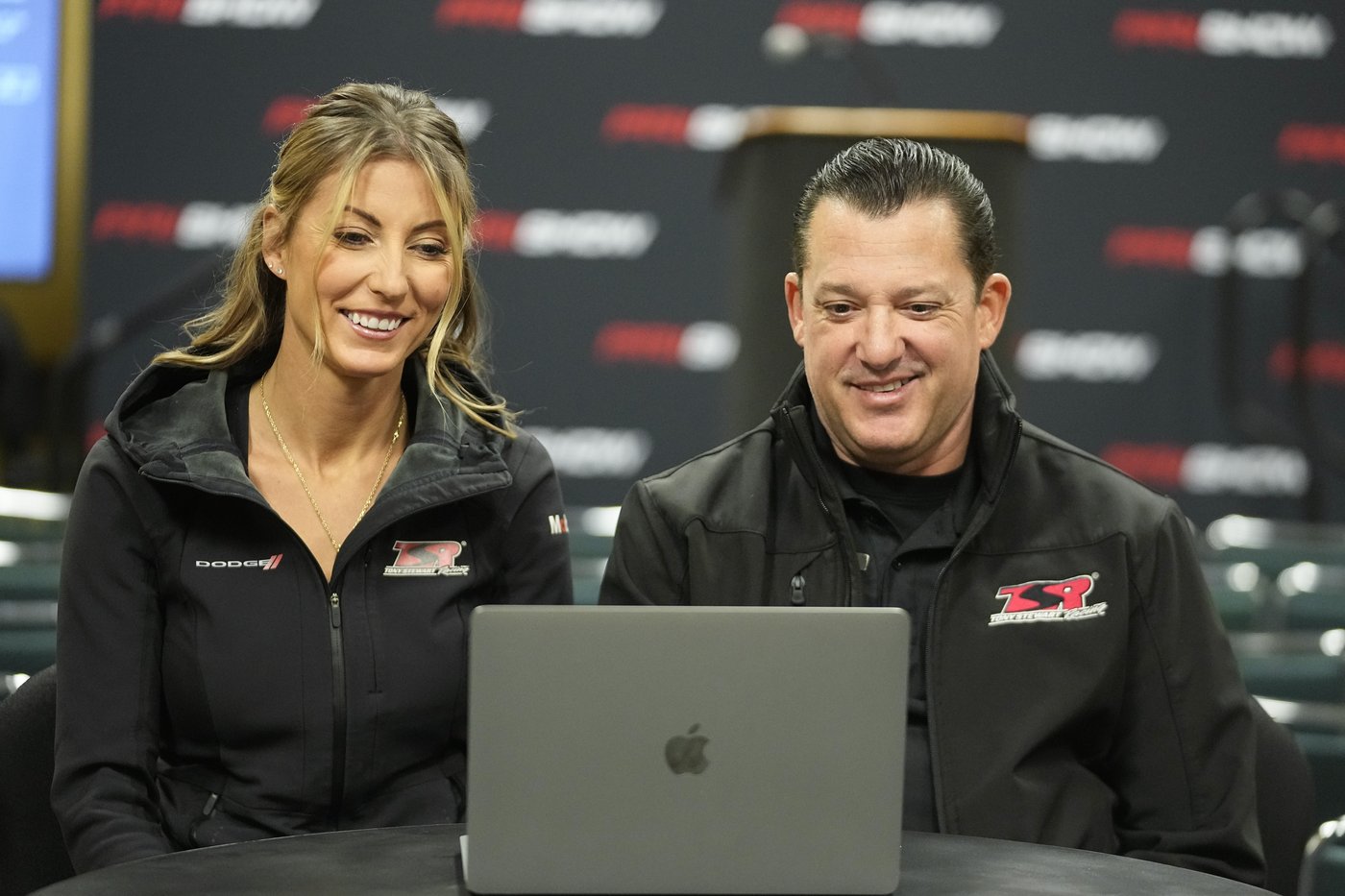
Leah Pruett and Tony Stewart occupy a distinct position in the professional motorsports market, defined by their transition from active competition to ownership and strategic team management. As of 2026, their market influence centers on the operations of Tony Stewart Racing (TSR) in NHRA competition and their broader legacy within the broader automotive and sports business landscape.
Contents
The Evolution of Tony Stewart Racing (TSR)
Tony Stewart’s entry into the National Hot Rod Association (NHRA) market marked a significant shift in his career trajectory. Having already established a massive footprint in NASCAR through Stewart-Haas Racing, Stewart expanded his commercial interests by forming Tony Stewart Racing in the Top Fuel and Funny Car categories. For fans and market observers, this move served as an institutional validation of NHRA’s commercial viability.
The organization operates by leveraging the engineering talent and logistical experience Stewart gained in stock car racing and applying those methodologies to drag racing. Leah Pruett, a highly decorated Top Fuel driver, became the centerpiece of this venture. Her career, characterized by consistent performance and significant sponsorship partnerships, aligned with Stewart’s expansion strategy, creating a synergy that bridged the gap between traditional drag racing culture and professionalized, multi-team sports management.
Market Positioning and Professional Synergy
In the professional sports market, the "Pruett-Stewart" brand represents a dual-threat entity: top-tier athletic performance paired with high-level corporate ownership. This positioning is critical for sponsorship acquisition. NHRA teams rely heavily on B2B relationships where the team owner’s reputation often serves as the primary currency for securing multi-year, multi-million-dollar agreements.
By maintaining a presence in the market as both a driver and an owner, the pair has managed to attract high-value technical partners. These partners, often manufacturing firms, oil companies, and automotive aftermarket suppliers, utilize the team’s platform to demonstrate product efficacy under extreme conditions. The technical depth required to manage a Top Fuel operation involves rigorous physics and chemistry-based engineering, meaning that market success is inextricably linked to the quality of the team's data-driven decision-making.
Strategic Transition and Operational Continuity
As of 2026, the focus for the duo has shifted toward long-term operational sustainability. After announcing her intention to step away from full-time driving to focus on starting a family in the mid-2020s, Pruett transitioned into a role that continues to emphasize team development and brand representation. This strategic pivot ensures that the "in the market" status of their racing enterprise remains stable even as the personal priorities of the founders evolve.
For investors and team partners, this stability is paramount. The motorsports market is historically volatile, with team viability often tied to the immediate performance of the lead driver. By institutionalizing their team infrastructure, Stewart and Pruett have mitigated the risks associated with driver turnover and performance dips, ensuring that the business entity remains attractive to stakeholders.
Comparative Dynamics: NHRA vs. NASCAR Market Structures
To understand the significance of their presence, one must contrast the NHRA market with other major American racing circuits.
| Feature | NHRA (Drag Racing) | NASCAR (Stock Car) |
|---|---|---|
| Race Duration | Under 4 seconds | 3–4 hours |
| Primary Revenue | B2B Sponsorships | TV Rights & Gate Receipts |
| Engineering Focus | Explosive power/Chemistry | Aerodynamics/Consistency |
| Management Style | Specialized/Technical | Scalable/Logistical |
Tony Stewart’s expertise in the NASCAR model allows him to introduce elements of "corporate professionalism" into the NHRA. This cross-pollination of business practices has forced other NHRA teams to professionalize their internal reporting, marketing, and hospitality offerings, effectively raising the barrier to entry for the sport.
Financial and Commercial Implications
The involvement of high-profile owners like Stewart brings an influx of capital and professional standards that influence the overall market valuation of the sport. Sponsors in the NHRA space are no longer just looking for logo placement; they are looking for integrated marketing campaigns that feature the personality-driven narrative of figures like Pruett and Stewart.
- Integrated Marketing: Utilizing social media, digital media, and broadcast appearances to amplify sponsor messaging.
- Technical Partnerships: Aligning with suppliers who can provide R&D data that translates into on-track results.
- Institutional Networking: Leveraging Stewart’s broad corporate network from the NASCAR world to introduce new sponsors to the drag racing ecosystem.
This "market-making" role is perhaps the most significant aspect of their current standing. By effectively selling the NHRA product to partners who might otherwise overlook it, they contribute to the growth of the entire category’s financial health.
Challenges and Technical Constraints
Despite their market success, the operation of a Top Fuel team in 2026 faces persistent challenges. Drag racing is famously unforgiving regarding technical failures. The cost of a single engine failure, combined with the extreme logistical requirements of transporting multi-car haulers across the country, creates a high "burn rate."
Success in this market requires:
- Strict Cost Control: Optimizing the ratio of parts consumption to race performance.
- Sponsorship Retention: Managing expectations during periods of performance variability.
- Talent Management: Retaining the crew chiefs and engineers who dictate the outcome of high-stakes races.
These challenges define the day-to-day work for the pair. The market rewards those who can maintain consistency under these volatile conditions, and the ability of Pruett and Stewart to navigate these constraints has become a case study in modern motorsports management.
Frequently Asked Questions
How has Tony Stewart’s background influenced his entry into the NHRA market? Tony Stewart brought an enterprise-level approach to NHRA. His background in team ownership and sponsorship procurement in NASCAR allowed him to build a professionalized infrastructure that emphasizes brand consistency and long-term partnership cultivation rather than the grassroots, organic growth traditionally seen in drag racing.
What is the current role of Leah Pruett in the business? As of 2026, Leah Pruett plays an integral role in the strategic leadership of Tony Stewart Racing. Having stepped back from the rigors of full-time competitive driving, she continues to serve as an ambassador for the brand and works closely with the operational side of the team to maintain the high performance standards required in the Top Fuel category.
Are Tony Stewart Racing sponsorships transferable to other racing series? Generally, sponsorships are tailored to the specific demographics and technical focus of a series. However, the commercial entities that partner with the team often seek broader brand exposure. Stewart’s ability to offer a "package" that spans both NHRA and potential non-racing marketing activations provides a competitive advantage in the sponsorship marketplace.
Why is the Top Fuel category considered a high-stakes market? Top Fuel dragsters are among the fastest accelerating machines on earth. The combination of intense engineering, volatile fuel compounds (nitromethane), and the sheer physical demand on hardware means that the margin for error is near zero. Consequently, the commercial value of a winning team is high, but the cost of operation is equally high, creating a high-risk, high-reward financial environment.
How do the pair address the sustainability of their racing ventures? They prioritize long-term stability by focusing on structural efficiency. This includes maintaining diverse revenue streams, cultivating deep relationships with primary sponsors to ensure multi-year cycles, and reinvesting in team technology to ensure that the hardware remains competitive for consecutive seasons without requiring constant, massive capital injections.
Next Steps for Stakeholders
For those interested in the commercial prospects of the NHRA or the specific trajectory of Tony Stewart Racing, the most critical indicator remains the team’s annual sponsorship renewal cycles and their investment in secondary technical personnel. Observers should monitor official NHRA team press releases and corporate partner announcements throughout the 2026 season to understand how the team evolves its commercial footprint. For potential partners, the focus should remain on the alignment between their own brand values and the technical performance history of the TSR program.
Image Gallery