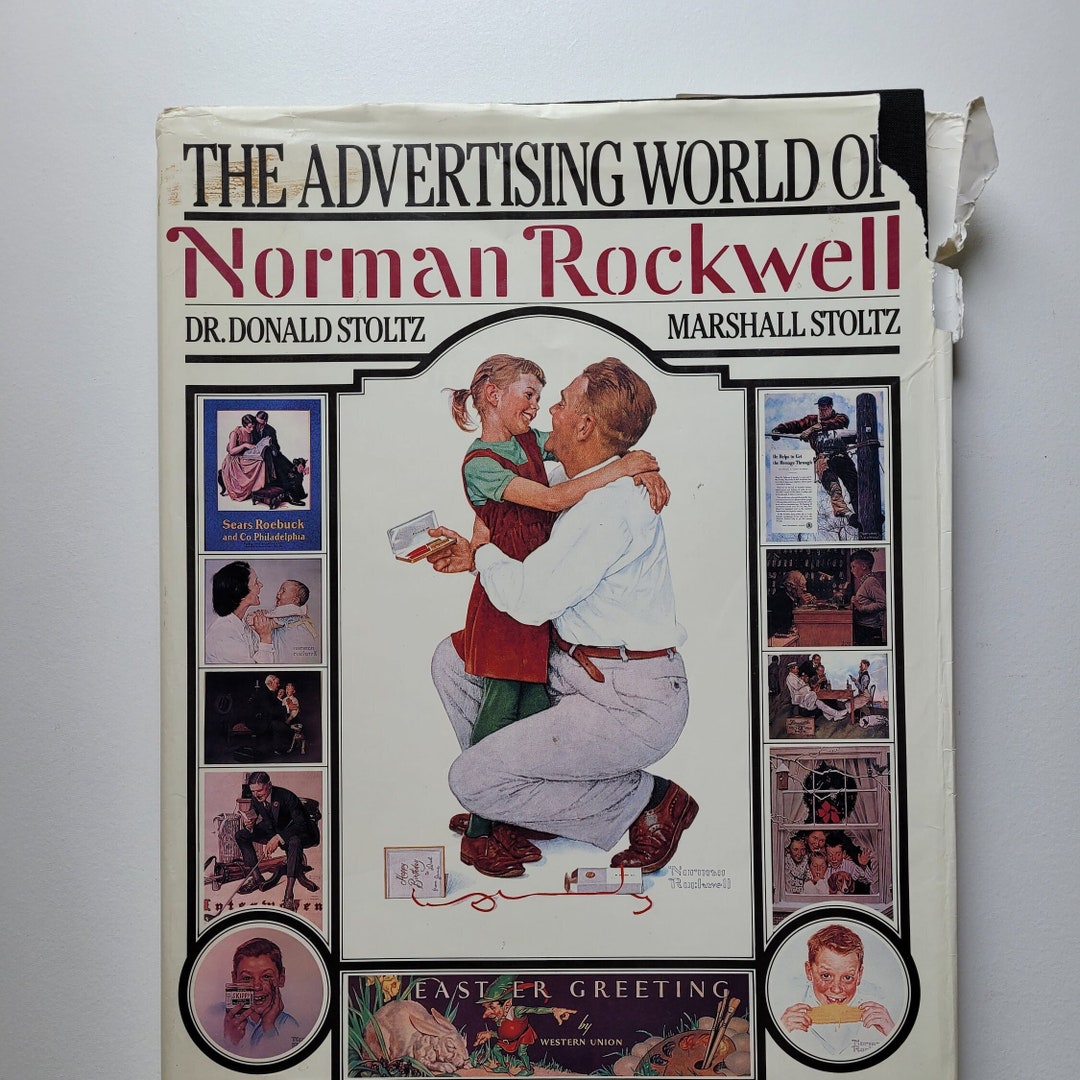
The Cultural and Artistic Legacy of the MassMutual Advertisement by Norman Rockwell
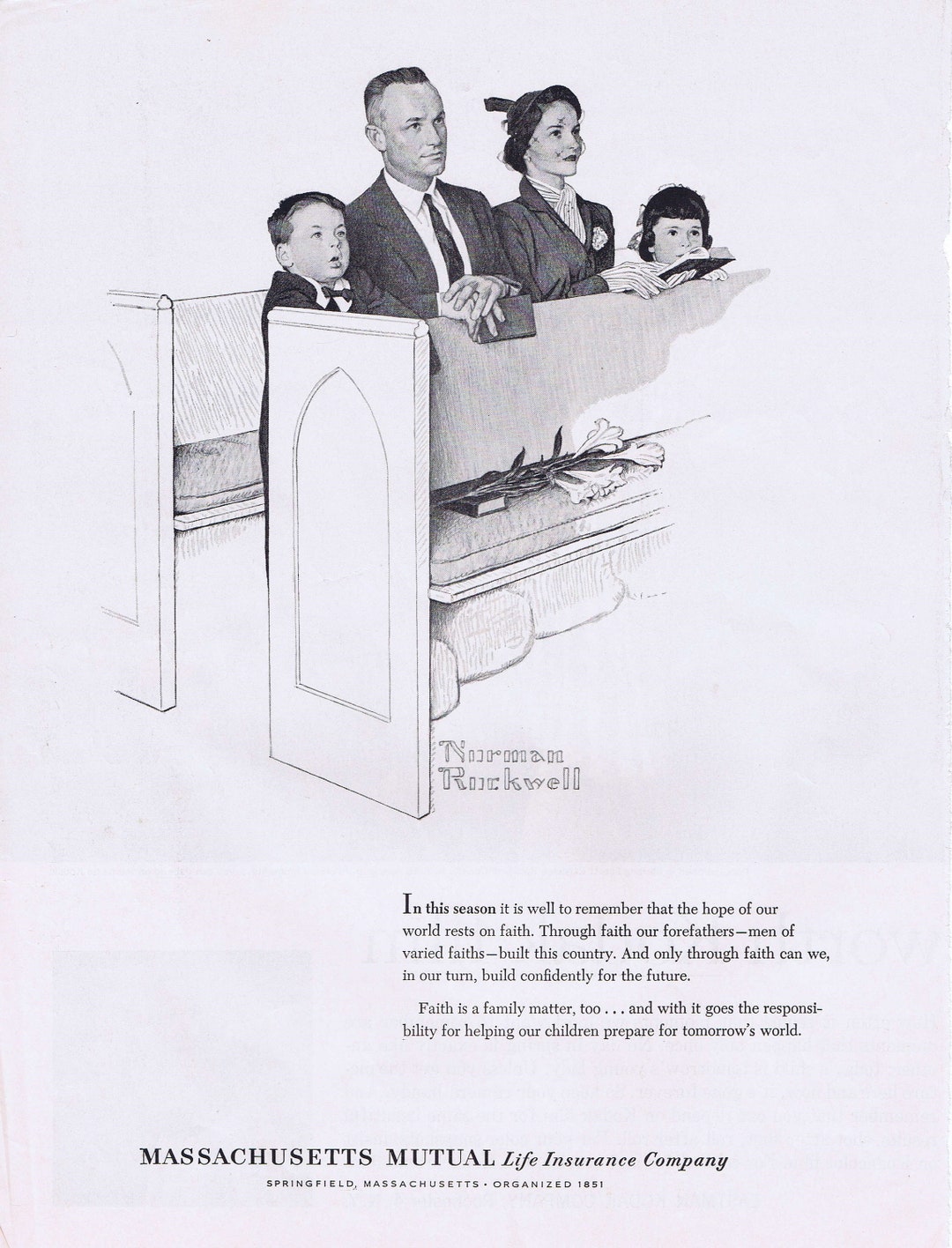
The MassMutual advertisement by Norman Rockwell represents a defining intersection between mid-century commercial illustration and corporate marketing history, capturing middle-class American values through the celebrated artist’s sign...
The MassMutual advertisement by Norman Rockwell represents a defining intersection between mid-century commercial illustration and corporate marketing history, capturing middle-class American values through the celebrated artist’s signature emotional storytelling and detailed realism.
Contents
Historical Context of Norman Rockwell and Corporate Advertising
By the time Norman Rockwell began his notable association with the Massachusetts Mutual Life Insurance Company (MassMutual) in the late 1950s and 1960s, he was already an established American cultural icon. Having spent decades chronicling everyday life through his famous covers for The Saturday Evening Post and later Look magazine, Rockwell possessed an unmatched ability to translate complex social narratives into instantly relatable visual vignettes. Major American corporations recognized the immense psychological and emotional trust his art inspired in the public.
Commissioning Rockwell allowed brands like MassMutual to step away from cold, numbers-driven financial advertising and lean into human-centric storytelling. Insurance, by its very nature, deals with abstract concepts like future security, risk mitigation, and family protection. Rockwell’s canvas transformed these abstract financial products into tangible, deeply personal obligations driven by love, duty, and community. The resulting campaigns did not merely sell policies; they validated the customer's aspirations for financial stability and responsible stewardship.
The Artistic Style and Execution of the MassMutual Campaign
Rockwell’s approach to commercial illustration was rigorous, highly methodical, and collaborative. Unlike modern digital graphic design, his process involved meticulous staging, live models, detailed charcoal sketches, and oil painting. For his work with MassMutual, Rockwell deployed his classic stylistic trademarks:
- Expressive Character Studies: Faces that immediately communicate specific emotions, from the quiet pride of a father to the innocent curiosity of a child.
- Narrative Environments: Backgrounds packed with period-accurate props, textures, and ambient lighting that tell a complete backstory without a single line of body copy.
- Warm Color Palettes: Rich earth tones, gentle highlights, and natural lighting that evoke nostalgia, safety, and domestic warmth.
- Asymmetrical Composition: Strategic placement of subjects to guide the viewer’s eye naturally toward the focal point of human interaction.
This dedication to authentic craftsmanship ensured that when consumers saw a MassMutual advertisement featuring a Rockwell painting, they did not perceive it as a superficial sales pitch. Instead, they viewed it as a continuation of the artistic storytelling they welcomed into their homes every week via national magazines.
Core Themes Explored in the MassMutual Artwork
The thematic framework of the MassMutual advertisement by Norman Rockwell centers heavily on generational continuity, financial responsibility, and the quiet dignity of labor. While specific pieces within the broader corporate campaign varied, they consistently circled back to core pillars of life insurance utility:
- Protecting the Next Generation: Visualizing the unspoken promise parents make to secure their children's education and future well-being, regardless of unforeseen economic hardships.
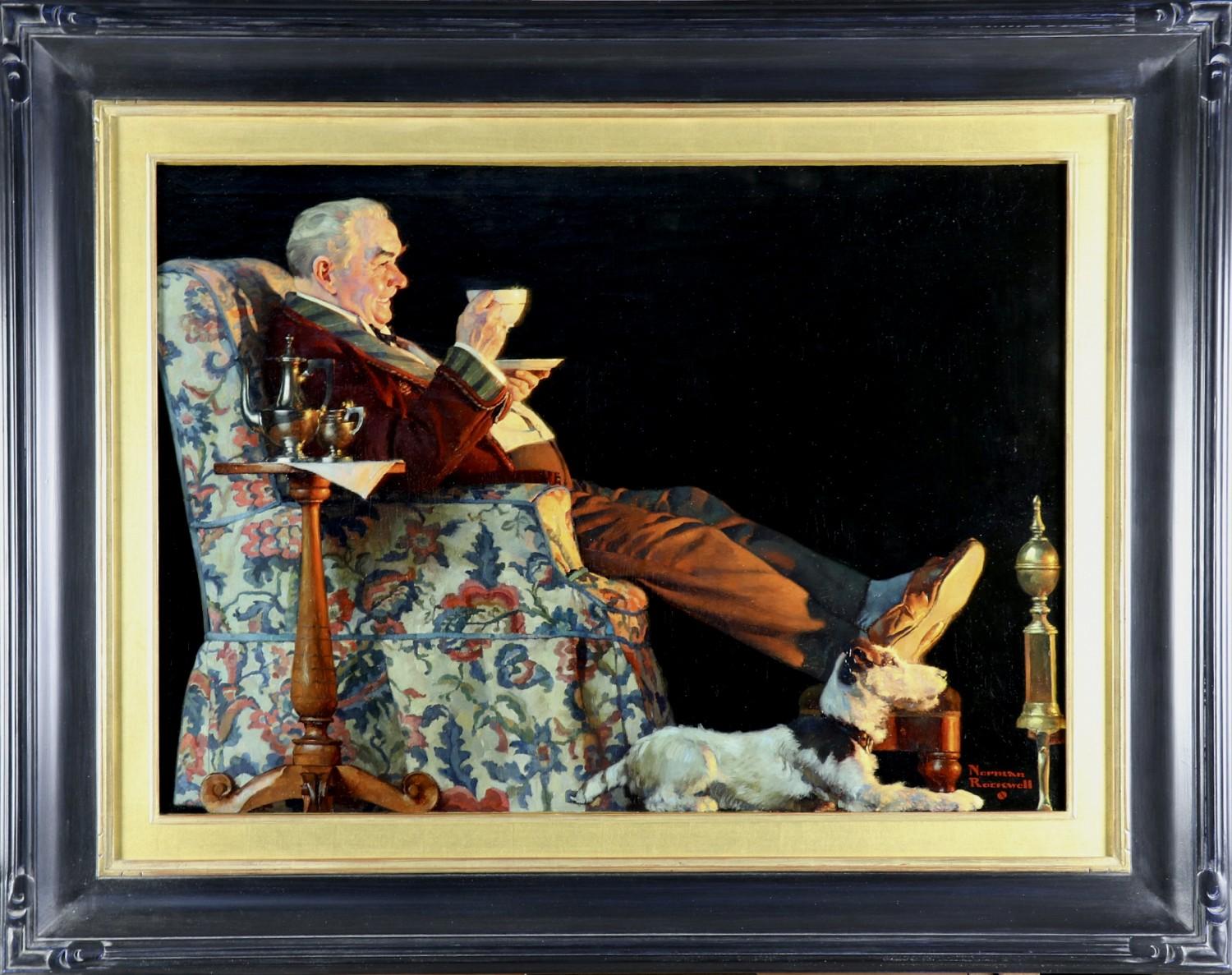
- Retirement and Aging with Grace: Depicting elderly couples or individuals enjoying the fruits of a lifetime of disciplined saving and prudent financial planning.
- Community and Mutual Aid: Highlighting how individual financial contracts tie into broader societal networks of mutual support and economic resilience.
These themes resonated powerfully during the post-World War II economic expansion in the United States, a period characterized by suburban growth, the rise of the nuclear family, and an increased emphasis on long-term financial planning.
| Campaign Element | Artistic Approach | Marketing Objective | Cultural Resonance |
|---|---|---|---|
| Character Design | Detailed, emotionally expressive facial expressions and authentic costuming. | Foster immediate empathy and personal identification with the buyer. | Built high levels of consumer trust in corporate institutions. |
| Visual Narrative | Single-frame storytelling implying a past and a future for the subjects. | Connect abstract financial safety nets to concrete family milestones. | Elevated insurance advertising to high-art status in popular culture. |
| Setting & Props | Meticulously researched domestic interiors and workplaces. | Establish realism, credibility, and middle-class aspiration. | Anchored corporate messaging in relatable, everyday environments. |
Impact on Financial Services Marketing
The partnership between MassMutual and Norman Rockwell fundamentally shifted how the financial services sector communicated with the American public. Prior to the mid-20th century, insurance marketing relied heavily on actuarial tables, policy specifications, and cautionary tales about sudden tragedy. Rockwell’s work popularized a positive reinforcement model. Instead of scaring consumers into buying coverage, the advertisements inspired them by celebrating their highest ideals—love, protection, and responsibility.
This paradigm shift paved the way for modern lifestyle-based financial marketing. Today, financial institutions routinely focus on life stages, personal values, and emotional readiness rather than raw product features alone. The legacy of the MassMutual campaign demonstrates that long-term brand equity is built when a corporation aligns its commercial mission with universal human narratives.
Preservation, Collecting, and Cultural Heritage
In the decades following their initial publication, original oil paintings, preliminary sketches, and physical print runs of the MassMutual advertisements by Norman Rockwell have transitioned from marketing ephemera to prized fine art assets. Museums, historical societies, and private collectors actively track and preserve these pieces.
The Norman Rockwell Museum in Stockbridge, Massachusetts, serves as a primary repository for understanding the artist's commercial commissions alongside his editorial work. Art historians frequently study these corporate collaborations to understand the interplay between mid-century capitalism and American visual culture. While print advertisements faded from magazines, the artwork survived, proving that commercial assignments could achieve enduring artistic merit.
Frequently Asked Questions
What was the main purpose of the MassMutual advertisements featuring Norman Rockwell's art? The primary purpose was to humanize life insurance and financial planning. By using Rockwell's emotional, narrative-driven illustrations, MassMutual sought to build deep consumer trust and connect abstract financial products to tangible family values like protection, education, and long-term security.
Are the original paintings from this campaign displayed in museums? Yes, many original works, preliminary charcoal drawings, and studies associated with Rockwell’s commercial partnerships are housed in public institutions like the Norman Rockwell Museum and various private collections dedicated to American illustration art.
How did Norman Rockwell's style influence insurance advertising? Rockwell's style shifted the industry away from fear-based marketing and technical actuarial tables toward positive, aspiration-driven storytelling that focused on family milestones, responsibility, and emotional well-being.
Did Norman Rockwell paint exclusively for MassMutual? No, Rockwell maintained a prolific career spanning decades, most famously producing over 300 cover illustrations for The Saturday Evening Post, as well as campaigns for other major American brands, government agencies, and civic organizations.
Where can collectors find prints or reproductions of these advertisements? Authorized prints, books collecting his commercial works, and archival reproductions are available through museum gift shops, official Rockwell estate licensees, and specialized fine art print distributors.
Recommended Next Steps
If you are researching the intersection of mid-century American art and corporate history, consider exploring the archives at the Norman Rockwell Museum or reviewing scholarly texts examining the evolution of visual advertising in the United States. For collectors interested in acquiring authenticated prints or studying specific campaign dates, consult established fine art appraisers and official catalogue raisonné publications dedicated to Rockwell's complete oeuvre.
Image Gallery