Why Mountain Daylight Time Matters: Impact on Commerce, Logistics, and Infrastructure
Mountain Daylight Time (MDT) is the seasonal observance of UTC-6 in the Mountain Time Zone, serving as a critical temporal anchor for aligning economic activities, energy consumption, and transcontinental transportation across the Nort...
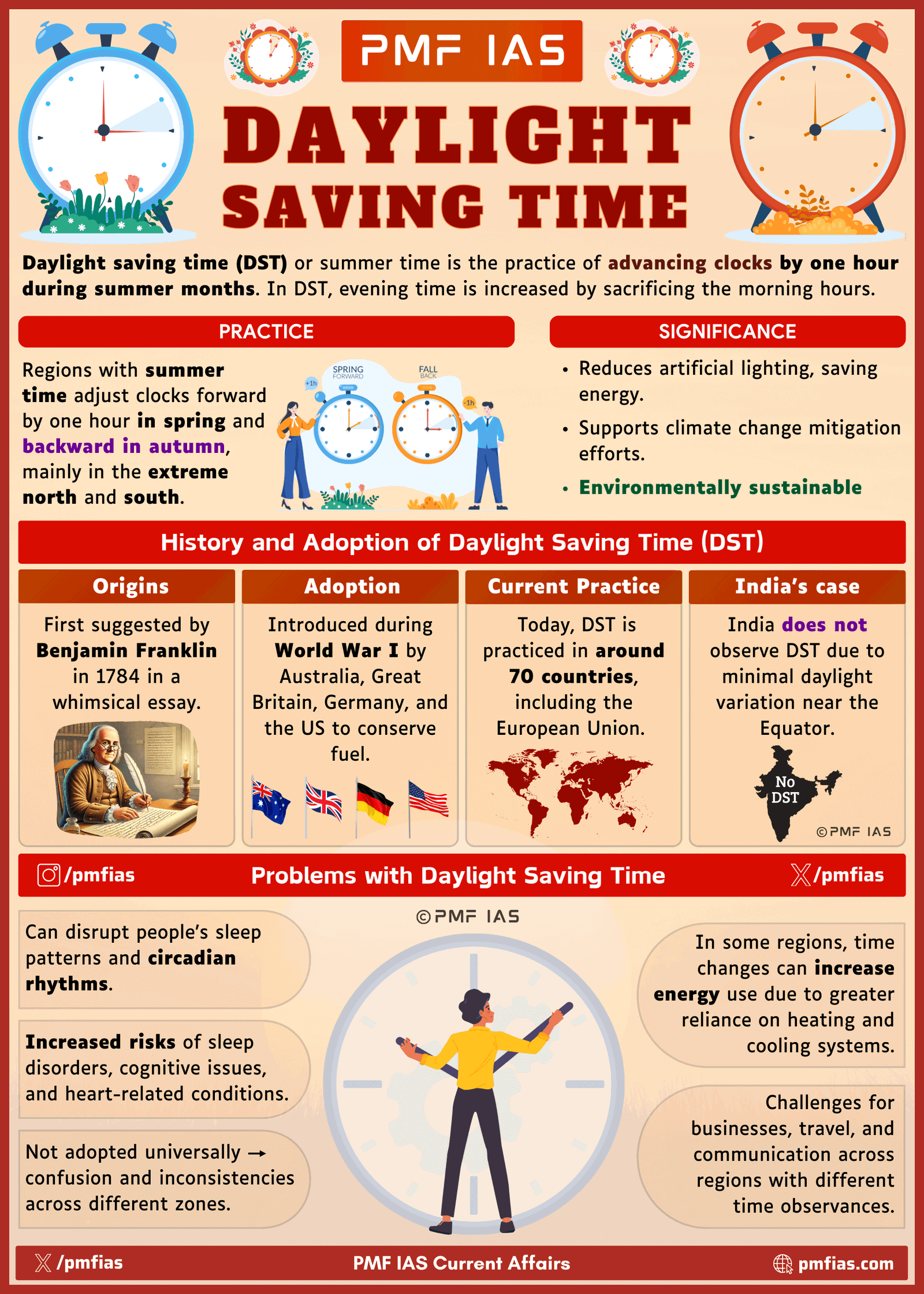
Mountain Daylight Time (MDT) is the seasonal observance of UTC-6 in the Mountain Time Zone, serving as a critical temporal anchor for aligning economic activities, energy consumption, and transcontinental transportation across the North American interior. In 2026, the observance of MDT remains central to the synchronization of digital infrastructure, agricultural cycles, and the legislative efforts surrounding the permanence of daylight saving time.
Contents
The "Mountain" in MDT refers to the Rocky Mountains, a geographic spine that dictates not just the landscape but the flow of commerce from the Canadian prairies down to the American Southwest. Understanding why MDT matters requires looking past the simple act of "springing forward" and examining the deep-seated dependencies in international trade, public health, and technological stability that rely on this specific temporal offset.
The Geographic and Temporal Scope of MDT
Mountain Daylight Time is observed from the second Sunday in March to the first Sunday in November. During this period, clocks are advanced one hour from Mountain Standard Time (MST), moving from UTC-7 to UTC-6. This shift places the Mountain West in the same temporal alignment as Central Standard Time (CST), a factor that significantly influences cross-regional business operations.
The geographic footprint of MDT is expansive yet fragmented. In 2026, it covers:
- Canada: Alberta, portions of British Columbia, and the Northwest Territories.
- United States: Colorado, Montana, New Mexico, Utah, Wyoming, and portions of Idaho, South Dakota, Nebraska, Kansas, and Texas.
- Mexico: While most of Mexico abolished Daylight Saving Time in 2022, certain border municipalities maintain synchronization with their U.S. counterparts to facilitate trade.
The significance of MDT is heightened by the "islands" of Standard Time that exist within its borders. Most notably, Arizona (with the exception of the Navajo Nation) remains on Mountain Standard Time year-round. This creates a seasonal shift where, during the MDT period, Denver is an hour ahead of Phoenix, despite both being in the Mountain Time Zone. For logistics managers and digital schedulers, this discrepancy is a primary source of operational friction.
Economic Impacts: Tourism, Retail, and the "Extra Hour"
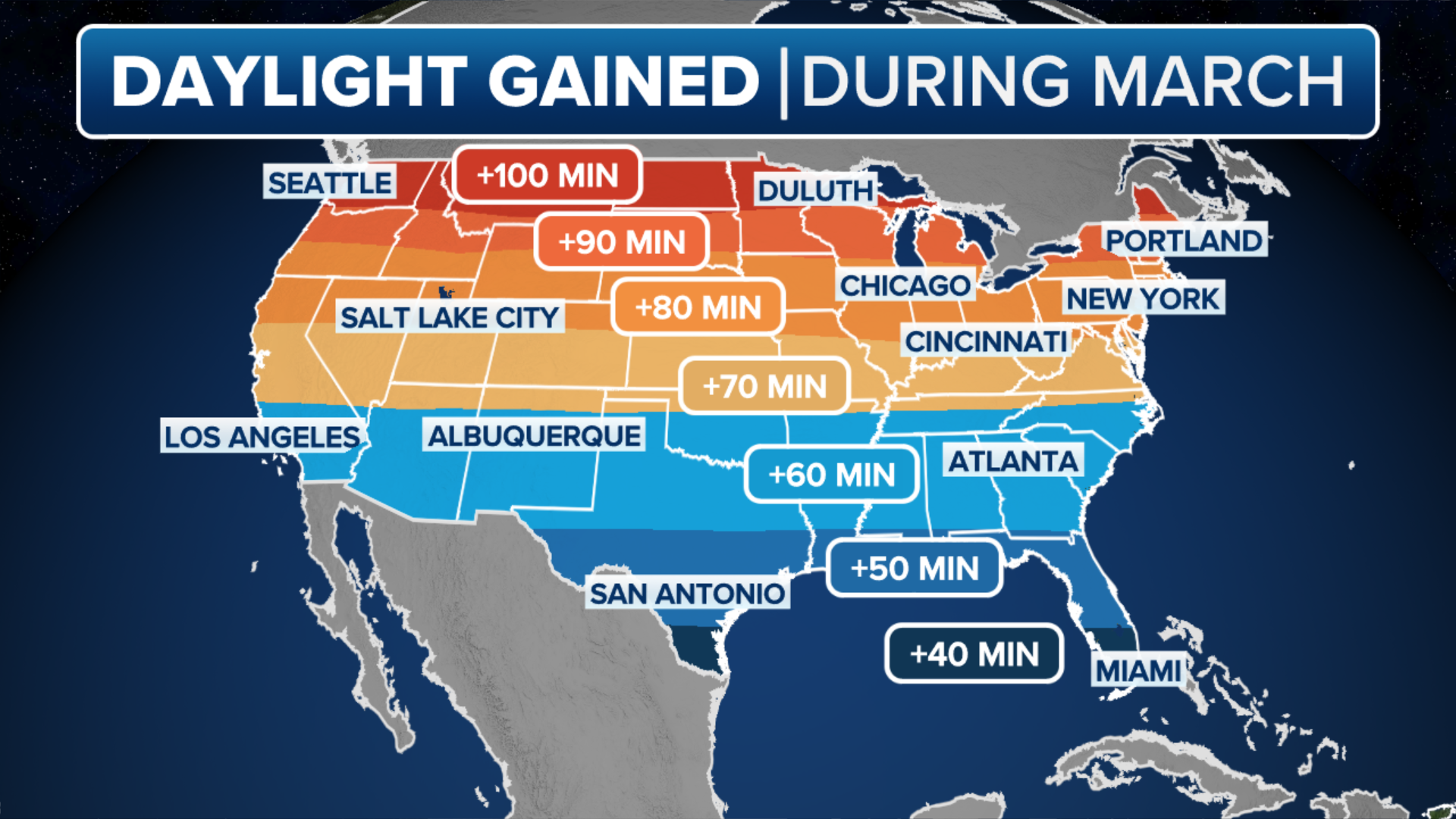
One of the most visible reasons why MDT matters is its impact on the "after-work" economy. By shifting an hour of daylight from the morning to the evening, MDT provides an additional hour of usable light for outdoor recreation and retail activities.
The Outdoor Recreation Engine
In states like Colorado, Utah, and Montana, the outdoor industry is a multi-billion dollar driver. MDT allows for extended operational hours for national parks, golf courses, and mountain biking trails. In 2026, data from regional tourism boards indicates that the "daylight extension" directly correlates with higher spending in the hospitality sector. When the sun sets later, tourists and locals alike are more likely to frequent outdoor dining venues and participate in evening tours, bolstering the service economy.
Consumer Behavior and Retail
Retailers have long advocated for the observance of MDT because of the "light effect" on consumer habits. Statistically, people are more likely to stop at retail locations on their way home from work if it is still light outside. This shift reduces the "home-body" effect that occurs during the winter months, providing a significant boost to local commerce during the spring and summer.
Logistical Synchronization and Supply Chain Management
For the logistics sector, MDT is a double-edged sword. It facilitates better alignment with the Central Time Zone (CST), which houses major shipping hubs like Chicago and Dallas. However, it creates a temporary two-hour gap with the Pacific Time Zone (PDT) and a two-hour gap with the Eastern Time Zone (EDT).
Transcontinental Trade Flows
In 2026, the Mountain West serves as a vital corridor for freight moving between the West Coast ports and the Midwestern manufacturing belt. MDT ensures that delivery windows are optimized for the majority of the North American workforce. If a distribution center in Salt Lake City operates on MDT, it can effectively coordinate morning pickups that align with the start of the workday in the Eastern United States while still having sufficient overlap with Pacific Coast operations in the afternoon.
Aviation and Rail
The aviation industry relies on Coordinated Universal Time (UTC) for flight plans, but passenger schedules are dictated by local time. MDT matters because any discrepancy in the transition—such as a state or province deciding to opt out of the change—requires a massive overhaul of Global Distribution Systems (GDS). In 2026, the stability of MDT is essential for maintaining the "banked" hub systems used by major airlines in Denver and Salt Lake City, ensuring that connecting flights are timed perfectly to minimize layovers.
Technical Infrastructure and the IANA Time Zone Database
From a technical perspective, MDT is represented in software through the IANA Time Zone Database (often called the tzdb or Zoneinfo). For developers and system administrators, the "current" status of MDT is not just a policy—it is a line of code that prevents data corruption.
The Importance of America/Denver
Most Linux-based servers and modern programming languages (like Python, Java, and JavaScript) use identifiers such as America/Denver or America/Edmonton to handle time conversions. If the rules for MDT change—as they have in various jurisdictions over the last decade—every system must be patched.
In 2026, the accuracy of these databases is critical for:
- Financial Transactions: Ensuring that timestamps for stock trades and bank transfers in the Mountain region are synchronized with global markets.
- API Integration: When a server in MDT communicates with a client in London (BST), the UTC offset must be calculated precisely to prevent "off-by-one-hour" errors in scheduling apps or medical records.
- Smart Grids: Energy providers use time-of-use pricing. If a smart meter is not correctly synced to MDT, consumers may be billed at peak rates during off-peak hours.
Energy Consumption and Environmental Considerations
The original justification for Daylight Saving Time was energy conservation. The theory was that by extending evening daylight, households would use less electricity for lighting. In the modern context of 2026, the impact of MDT on energy is more nuanced.
While lighting efficiency (LEDs) has reduced the importance of the "lighting hour," MDT significantly impacts air conditioning usage. In the high-desert climates of the Mountain West, shifting the peak activity hour can lead to increased cooling demands in the late afternoon. However, the overall consensus among regional utilities is that MDT helps balance the load on the grid by spreading out the "evening surge" of residential energy use.
| Sector | Impact of MDT | Primary Benefit/Concern |
|---|---|---|
| Retail | High | Increased foot traffic and evening sales. |
| Agriculture | Moderate | Shifted working hours; potential conflict with livestock schedules. |
| Tech/SaaS | High | Requirement for precise tzdb updates and synchronization. |
| Transportation | High | Coordination of transcontinental flight and freight windows. |
| Public Health | Moderate | Circadian rhythm disruption during the spring transition. |
| Energy | Low/Moderate | Shift in peak load times for HVAC systems. |
The Legislative Landscape: Is MDT Becoming Permanent?
As of 2026, the debate over "Permanent Daylight Time" remains a hot-button issue in both the United States Congress and various Canadian provincial legislatures. The Sunshine Protection Act, which has seen several iterations, proposes making the MDT offset (UTC-6) the permanent standard for the Mountain Time Zone.
Why Permanence Matters
Supporters argue that eliminating the twice-yearly clock change would improve public health by reducing the spike in heart attacks and traffic accidents associated with the "spring forward" transition. For the Mountain West, permanent MDT would mean that winter sunsets—which currently occur as early as 4:30 PM in some northern latitudes—would be pushed to 5:30 PM.
However, opponents, including sleep scientists and some education advocates, argue that permanent MDT would lead to dangerously dark mornings during the winter months, particularly for children waiting for school buses. This tension is why the current status of MDT—as a seasonal observance—matters: it represents a hard-fought compromise between evening activity and morning safety.
Public Health and Circadian Rhythms
The "why" of MDT also extends to human biology. The transition to MDT in March is more than just a loss of an hour of sleep; it is a forced shift of the human circadian rhythm. Research updated in 2025 and 2026 continues to show that the human body does not fully "adjust" to daylight time as easily as it does to standard time.
Because MDT places "noon" (the sun's highest point) at approximately 1:00 PM, there is a disconnect between social time and solar time. This "social jetlag" can lead to chronic sleep deprivation, which has long-term implications for workplace productivity and mental health in the Mountain region. Understanding these health impacts is vital for employers who must manage safety-sensitive positions, such as mining and heavy machinery operation, during the weeks following the transition to MDT.
Troubleshooting Common MDT Issues
For residents and businesses in 2026, MDT observance frequently leads to predictable challenges. Addressing these proactively is essential for operational continuity.
- The Arizona/Sonora Gap: Always verify if your contact is in Phoenix or Hermosillo. Since they do not observe MDT, your 9:00 AM MDT meeting is their 8:00 AM MST meeting.
- Automated System Failures: Many legacy "legacy" IoT devices fail to update their internal clocks correctly. A routine audit of security cameras and HVAC timers is recommended every March.
- Travel Disruptions: When traveling between Mountain and Central time zones during MDT, remember that MDT and CST are the same (UTC-6). This often confuses travelers who expect a time change that doesn't happen.
FAQs
What is the difference between Mountain Daylight Time and Mountain Standard Time?
Mountain Daylight Time (MDT) is UTC-6 and is observed during the spring and summer. Mountain Standard Time (MST) is UTC-7 and is observed during the fall and winter. The transition to MDT occurs to maximize evening daylight hours.
Does MDT affect the entire Mountain Time Zone?
No. Arizona (excluding the Navajo Nation) and most of Saskatchewan (which stays on CST year-round) do not change their clocks. This creates a seasonal shift in how these regions interact with neighbors on MDT.
Why is MDT important for international trade?
MDT aligns the Mountain West with the Central Standard Time observed in major Mexican and Canadian trade hubs. This synchronization simplifies the scheduling of cross-border logistics and real-time financial communications.
How does MDT impact server management?
Systems must be configured to use location-based time zones (like America/Denver) rather than fixed offsets. This ensures that the system automatically handles the transition between MST and MDT based on the current year’s legislative rules.
Will the U.S. stay on MDT permanently in 2026?
As of 2026, many states have passed "trigger" laws that would make MDT permanent if federal law allows. However, unless the federal government amends the Uniform Time Act, the seasonal transition remains the legal requirement.
Practical Recommendations
To effectively navigate the impact of Mountain Daylight Time in 2026, businesses and individuals should adopt a "digital-first" approach to timekeeping. Ensure all operating systems, mobile devices, and cloud-based calendars are set to automatic time zone detection. For developers, always store timestamps in UTC and only convert to MDT at the presentation layer to avoid database errors during the transition hours. Finally, for those in the hospitality and outdoor sectors, use the MDT period to maximize "daylight-sensitive" revenue by extending evening service hours to match the later sunset.
Image Gallery