Essential Things to Know About Filing a Life Insurance Claim Form
Filing a life insurance claim form requires submitting a formal request and specific documentation, such as a certified death certificate and the claimant’s statement, to an insurance provider. This process initiates the payout of the...
Filing a life insurance claim form requires submitting a formal request and specific documentation, such as a certified death certificate and the claimant’s statement, to an insurance provider. This process initiates the payout of the death benefit to designated beneficiaries, ensuring financial support is distributed according to the policyholder's legally binding contract.
Contents
The process of claiming a life insurance benefit is often undertaken during a period of significant emotional distress. However, understanding the administrative requirements of the life insurance claim form is vital to ensure that the death benefit is processed quickly and accurately. In 2026, while many insurance companies have moved toward streamlined digital portals, the fundamental legal and evidentiary requirements remain stringent. This guide details the critical steps, documentation needs, and potential hurdles associated with securing a life insurance payout.
Gathering the Necessary Documentation
Before you even download or open a life insurance claim form, you must secure the primary evidence of the "insured event"—the death of the policyholder. Without specific legal documents, the insurance company cannot legally release funds.
The Certified Death Certificate
The most important document is the certified death certificate. Insurance companies typically require an original or a certified copy with a raised seal, rather than a standard photocopy. In 2026, some insurers accept digital death certificates if they are issued through a secure, state-verified Electronic Death Registration System (EDRS).
When requesting death certificates from a funeral director or the local vital records office, it is advisable to order multiple copies. You will likely need them for the insurance company, social security administration, banks, and the probate court. Ensure the "cause of death" is listed, as insurers need this to determine if any policy exclusions (such as the suicide clause or the contestability period) apply.
The Original Policy Document
While not always strictly required if the insurer has digital records, having the original policy document helps you identify the policy number, the face amount of the coverage, and the specific names of the beneficiaries. If the policy is lost, you can still file a claim, but you will need to provide the deceased’s full legal name, Social Security number, and date of birth to help the insurer locate the file in their internal database.
How to Locate a Lost Life Insurance Policy
It is common for family members to know a policy exists but be unable to find the physical paperwork or the name of the issuing company. If you are in this position, several resources can help you identify where to send your claim form.
- Search Financial Records: Look through the deceased’s bank statements or cancelled checks for premium payments made to insurance companies.
- Contact Former Employers: Many people hold group life insurance policies through their workplace. The HR department of the deceased's last employer (or even previous employers if they had portable coverage) is a primary contact point.
- NAIC Life Insurance Policy Locator Service: The National Association of Insurance Commissioners (NAIC) provides a Life Insurance Policy Locator Service that allows beneficiaries to submit a request that is then forwarded to participating insurance companies to search their records.
- Check with Aforementioned Professionals: Reach out to the deceased’s financial advisor, accountant, or estate attorney, as they often keep records of insurance assets as part of a broader financial or estate plan.
Completing the Claimant Statement
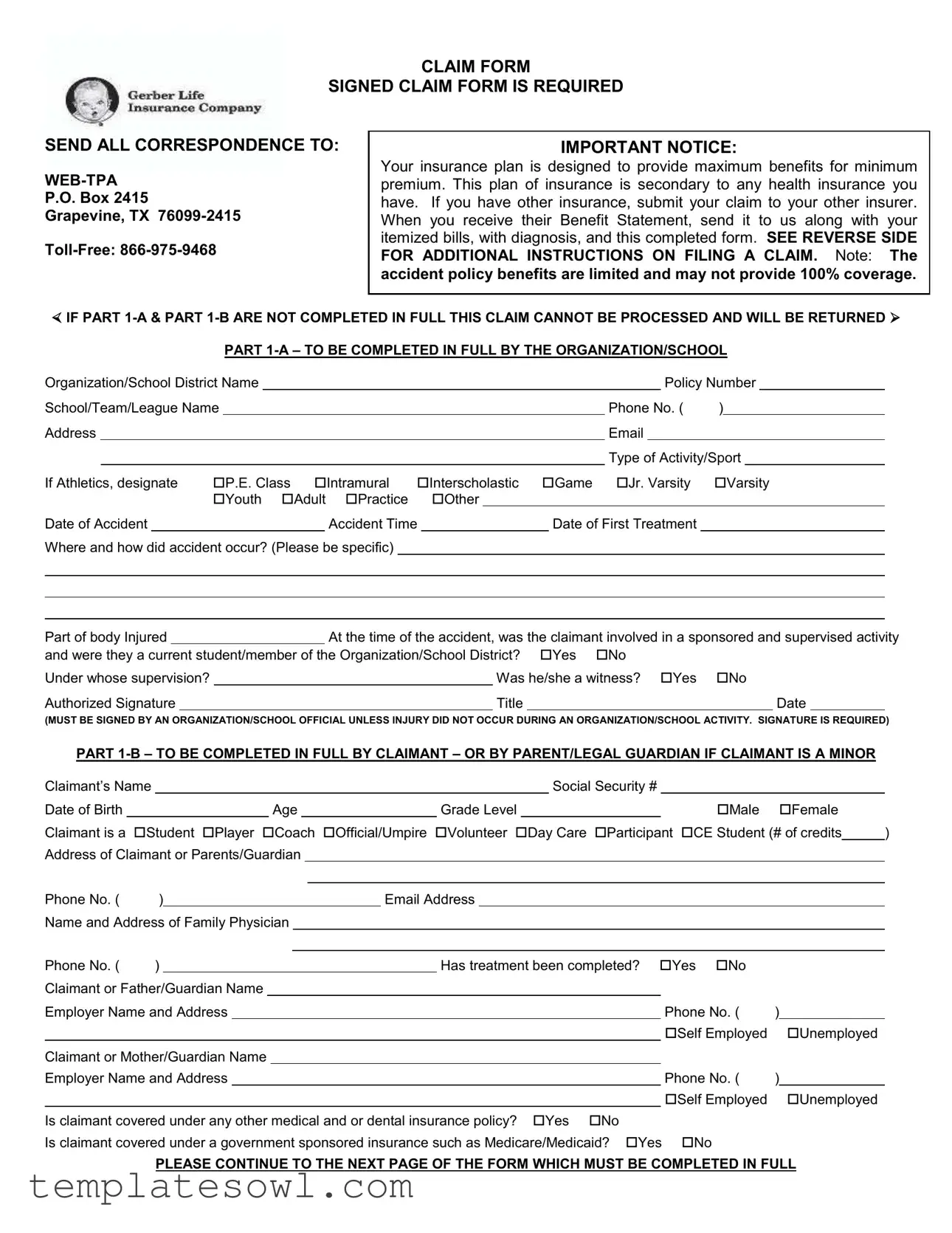
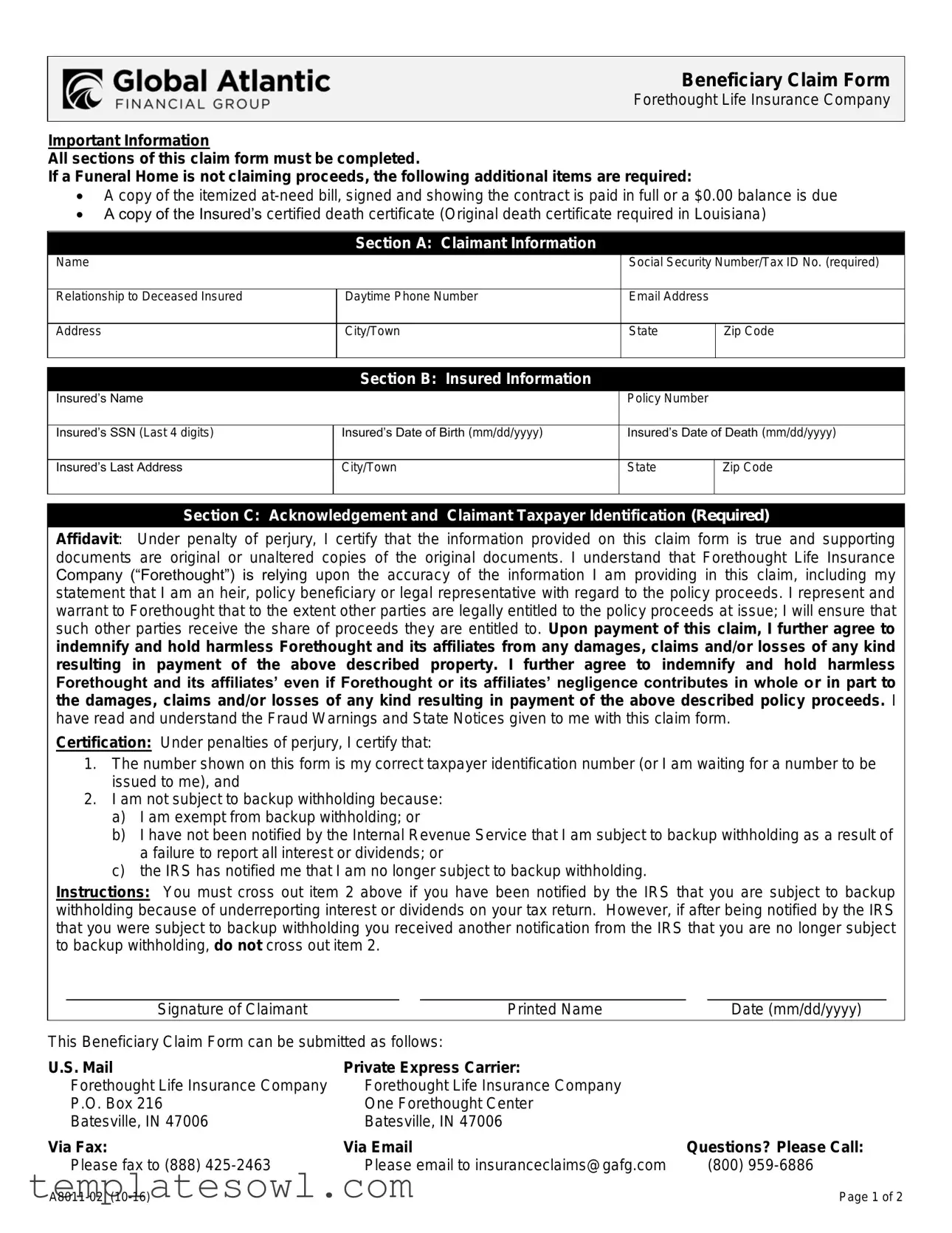
The claimant statement is the core component of the life insurance claim form. It is the document where the beneficiary officially identifies themselves and provides instructions on how they wish to receive the funds.
Personal Information and Verification
You will be required to provide your Social Security number or Taxpayer Identification Number (TIN). This is necessary for the insurer to comply with IRS reporting requirements, particularly if the death benefit earns interest before it is paid out. In 2026, most claim forms also include a section for "Know Your Customer" (KYC) verification to prevent identity theft and fraud.
Selecting a Settlement Option
The claim form will ask you to choose how you want the death benefit paid. You are not always required to take a single lump sum, although that is the most common choice. Understanding these options is essential for long-term financial planning:
| Payout Option | Description | Primary Benefit |
|---|---|---|
| Lump Sum | The entire death benefit is paid in one single payment, usually via check or direct deposit. | Immediate access to the full amount; typically tax-free. |
| Installment / Annuity | The benefit is paid out over a set number of years or for the lifetime of the beneficiary. | Provides a steady, predictable income stream. |
| Interest Income | The insurer holds the principal and pays the beneficiary only the interest earned on that principal. | Preserves the capital for future use or for secondary beneficiaries. |
| Retained Asset Account | The insurer places the funds in a specialized draft account that the beneficiary can use like a checking account. | Allows the beneficiary to take time to decide on a long-term plan while keeping funds accessible. |
The Two-Year Contestability Period
One of the most critical things to know about filing a life insurance claim form is the contestability period. Most life insurance policies sold in the United States include a clause stating that if the insured dies within the first two years of the policy’s issuance, the insurance company has the right to investigate the original application for "material misrepresentations."
If the deceased passed away within this window, the insurer will likely conduct a thorough review of medical records to ensure that the policyholder did not withhold information about a pre-existing condition. If they find evidence of fraud or significant omissions, they may deny the claim or adjust the payout. This investigation can delay the processing of the claim form by several weeks or months.
Reasons for Potential Claim Delays or Denials
While most life insurance claims are paid promptly (often within 30 to 60 days of receiving the completed form), certain circumstances can lead to complications.
Incomplete or Inaccurate Forms
The most common reason for delay is a simple clerical error. If the Social Security number is transposed, or if the name on the death certificate does not match the name on the policy exactly (e.g., due to marriage or divorce), the insurer will pause the process until the discrepancy is resolved.
Exclusions and Policy Clauses
- Suicide Clause: Most policies will not pay the death benefit if the insured commits suicide within the first two years of the policy.
- Illegal Acts: If the death occurred while the insured was committing a felony, the claim might be denied.
- Aviation or Hazardous Hobbies: Some policies have specific exclusions for private pilot activities or extreme sports if these were not disclosed or covered by a specific rider.
Beneficiary Disputes and Homicide
If there is a dispute between multiple potential beneficiaries, the insurance company may "interplead" the funds, meaning they turn the money over to a court to decide who is the rightful recipient. Furthermore, if a beneficiary is a suspect in the death of the insured (the "Slayer Rule"), the insurer will withhold payment until the individual is cleared of wrongdoing.
Tax Implications of Life Insurance Payouts
Under Section 101(a) of the Internal Revenue Code, life insurance death benefits are generally not subject to federal income tax. Whether you receive $50,000 or $5,000,000, the principal amount is typically yours to keep without sharing it with the IRS.
However, there are two important exceptions to keep in mind in 2026:
- Interest Earned: If the insurance company delays the payout and pays you interest on the death benefit, that interest portion is taxable as ordinary income.
- Estate Taxes: If the policyholder owned the policy at the time of death, the value of the death benefit is included in their gross estate. For very high-net-worth individuals, this could trigger federal or state estate taxes if the total estate exceeds the 2026 exemption limits.
Expert Guidance for a Smooth Filing
To expedite the process, it is recommended that beneficiaries act as soon as possible after the funeral arrangements are settled.
- Request Direct Deposit: Whenever possible, choose electronic funds transfer (EFT) or ACH over a physical check. This reduces the risk of mail theft and provides faster access to funds.
- Follow Up Regularly: If you haven't heard from the insurer within 14 business days of submitting your claim form, call their claims department to confirm receipt and ask if any additional information is required.
- Consult a Professional: If the claim is for a significant amount or if it involves a contested policy, consider consulting with a financial advisor or an attorney specializing in insurance law.
Frequently Asked Questions
How long do I have to file a life insurance claim?
There is generally no strict "expiration date" for filing a life insurance claim as long as the policy was in force at the time of death. However, it is best to file as soon as possible. If the funds remain unclaimed for several years, the insurance company may be required by law to turn the money over to the state’s unclaimed property office (escheatment).
Can I file a claim if the policy lapsed?
If the policyholder stopped paying premiums and the "grace period" expired before they died, the policy is generally considered lapsed and the claim will be denied. However, some permanent policies have "non-forfeiture" options that might have kept a smaller amount of coverage in place even after payments stopped. It is always worth checking with the insurer.
What if the beneficiary is a minor?
Insurance companies cannot legally pay a death benefit directly to a minor. If a child is named as a beneficiary, the funds will typically be held by the insurer at interest or paid to a court-appointed guardian or a previously established trust. This is why many policyholders set up a Uniform Transfers to Minors Act (UTMA) account or a trust to manage the funds.
What happens if the beneficiary died before the policyholder?
If the primary beneficiary is deceased, the benefit goes to the "contingent" or secondary beneficiary listed on the policy. If no living beneficiaries are named, the death benefit is typically paid into the estate of the deceased policyholder, which may then be subject to probate and the claims of creditors.
Do I need to hire a lawyer to file a life insurance claim form?
In the vast majority of cases, a lawyer is not necessary. The process is designed to be straightforward for the average consumer. However, if the insurer denies the claim, or if the policy is in the contestability period and the insurer is requesting an unreasonable amount of medical history, legal counsel can be beneficial.
Practical Recommendation: The first step you should take today is to locate the policyholder's Social Security number and contact the insurance provider's "Claims Department" directly via their official website or phone number. Request a "claimant kit," which will include all the specific forms required by that institution. Completing these forms digitally in 2026 is often the fastest route to verification and payment.
Image Gallery