Understanding the Supermodel Child Phenomenon: Dynamics, Ethics, and Industry Realities
The supermodel child phenomenon describes the rising prominence of minors achieving elite modeling status and the industry dominance of celebrity supermodels' offspring. Driven by social media amplification and brand desire for built-i...
The supermodel child phenomenon describes the rising prominence of minors achieving elite modeling status and the industry dominance of celebrity supermodels' offspring. Driven by social media amplification and brand desire for built-in audiences, this trend raises critical questions regarding labor protections, psychological wellbeing, consent, and media ethics for young models in high fashion.
Contents
Defining the Supermodel Child Phenomenon: Two Distinct Pathways
The term "supermodel child phenomenon" refers to two interconnected dynamics within the global fashion, advertising, and entertainment industries. While both center on minors or exceptionally young individuals achieving widespread commercial visibility and elite modeling status, their origins and structural drivers differ significantly.
- SUPERMODEL CHILD PHENOMENON
- Path 1: Viral Minor Talent
- Unaffiliated child models
- "World's most beautiful"
- Media virality & agency
- Path 2: Legacy Dynasties
- Offspring of 90s icons
- Built-in media coverage
- Instant luxury brand access
- Path 1: Viral Minor Talent
Path 1: Viral Minor Talent
The first pathway involves child models who achieve international notoriety at a very young age purely through viral media coverage, agency scoutings, or promotional campaigns. Examples such as Thylane Blondeau—who was dubbed the "most beautiful girl in the world" by media outlets at age six—and Kristina Pimenova highlight how young children can be catapulted into high-fashion editorials and luxury ad campaigns. These instances frequently generate controversy regarding the adultification, hyper-sexualization, and commercial exploitation of young children in media.
Path 2: Legacy Dynasties and Celebrity Offspring
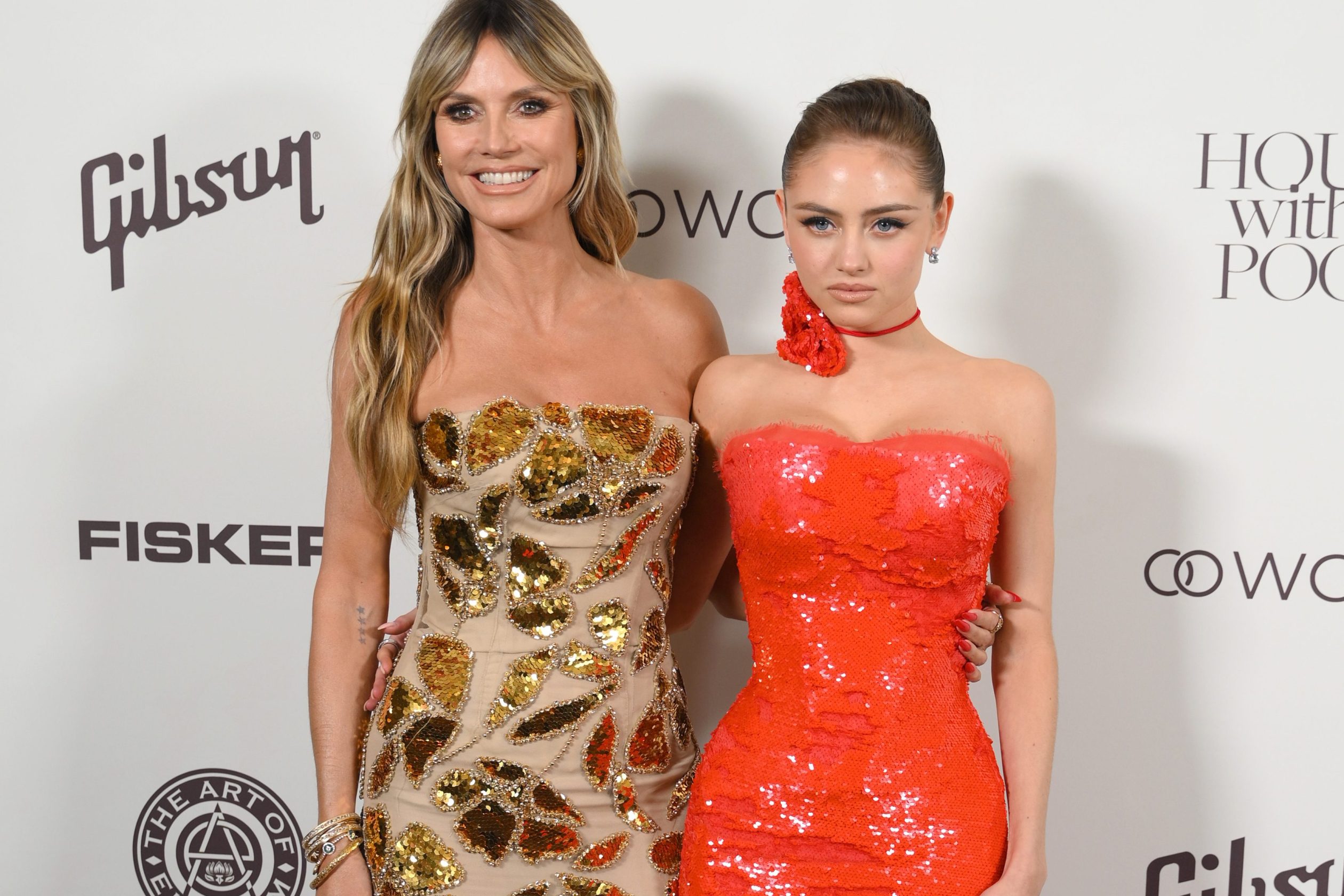
The second pathway involves the offspring of iconic 90s supermodels and celebrities entering the modeling industry as minors or young adults. Dubbed by critics and commentators as "nepo babies" or modeling dynasties, figures like Kaia Gerber (daughter of Cindy Crawford), Lila Moss (daughter of Kate Moss), and Leni Klum (daughter of Heidi Klum) represent a structural shift in how luxury brands recruit talent. In these cases, family legacy provides immediate access to top fashion houses, cover shoots, and major runway debuts, leveraging nostalgia and pre-existing social capital.
Cultural and Economic Drivers Behind the Trend
The expansion of the supermodel child phenomenon is rooted in changing consumer behaviors, digital media infrastructure, and luxury brand marketing strategies. Understanding why brands prioritize young and legacy talent requires examining the economic incentives that drive modern fashion houses.
1. Social Media Amplification and Direct-to-Consumer Reach
Prior to the digital era, modeling agencies and casting directors held total control over talent discovery and career trajectories. Today, platforms such as Instagram and TikTok serve as real-time portfolios and audience indicators. Children of celebrities bring millions of built-in followers to campaign launches, offering fashion labels immediate engagement metrics that traditional editorial models cannot match.
2. Brand Nostalgia and Multi-Generational Appeal
Luxury fashion houses frequently rely on archival references and historical brand heritage. By hiring the children of supermodels who defined 1990s fashion, legacy brands create cross-generational marketing campaigns. This strategy appeals simultaneously to older consumers who remember the original supermodel era and younger audiences engaged with contemporary pop culture.
3. Accelerated Talent Monetization
The fashion industry operates on rapid cycle times. Introducing child models or high-profile celebrity offspring allows brands to generate viral press coverage with minimal initial ad spend. The novel narrative of a child entering high fashion guarantees editorial pickup, media commentary, and viral search traffic.
Legal Protections and Child Labor Regulations in Fashion
Historically, minor models operated in a legal gray area relative to child actors or athletes. Modeling was frequently classified as unregulated freelance contracting rather than traditional employment, leaving young models exposed to excessive working hours, missed schooling, and inadequate financial oversight. Over the past decade, major fashion capitals have established statutory reforms to protect minor talent.
The New York Child Model Amendment Act
In 2013, New York State enacted landmark legislation reclassifying child models under age 18 as child performers. This legislative shift extended crucial statutory protections, including:
- Mandatory Work Permits: Minors must obtain valid child performer permits issued by the Department of Labor before accepting employment.
- Educational Requirements: Employers must hire certified tutors if a minor misses more than three consecutive days of standard schooling due to work commitments.
- Trust Account Mandates: Parents or legal guardians are legally required to establish a child performer trust account (similar to a Coogan Account) where a minimum of 15% of the minor’s gross earnings must be deposited until they reach age 18.
- Chaperone and Work Hour Limits: Minors under 16 must be accompanied by a parent, guardian, or designated chaperone at all times on set, with strict limits on night shoots and maximum daily working hours.
European Legal Frameworks: France and Italy
France maintains some of the stricter regulatory environments for minor models globally. Under the French Labor Code (Code du travail), employing minors under 16 in fashion requires explicit authorization from an administrative committee (Commission enfants du spectacle). Key statutory mandates include:
- Medical Evaluations: Models under 18 must present a valid medical certificate confirming their physical capability to work, assessing body mass index (BMI) to combat severe underweight conditions in the fashion sector.
- Earning Protection via Caisse des Dépôts: In France, a substantial portion of a child model's earnings is automatically transferred to the Caisse des Dépôts et Consignations, where it remains frozen and earning interest until the individual reaches adulthood.
- Strict Nighttime Work Bans: French law prohibits minors under 16 from working between 8:00 PM and 6:00 AM, severely restricting their participation in late-evening Paris Fashion Week runway shows.
Psychological, Social, and Ethical Challenges
While early entry into top-tier modeling offers financial reward and global prestige, psychologists, legal advocates, and ethicists point to systemic vulnerabilities inherent in child modeling.
ETHICAL & PSYCHOLOGICAL RISKS IN CHILD MODELING
- Adultification & Loss of Childhood
- Framing children in adult attire, makeup, & poses.
- Body Image Dysmorphia & Early Burnout
- Constant scrutiny of physical appearance and weight.
- Asymmetric Power Dynamics & Consent
- Vulnerability to exploitation due to age and dependency.
- Financial Mismanagement & Guardianship Conflicts
- Risk of parental mishandling of earnings without trusts.
Adultification and Sexualization
A recurring ethical concern is the adultification of young talent—styling, posing, and dressing children in ways traditionally reserved for adult models. The controversial 2010 Vogue Paris editorial featuring ten-year-old child models in high heels, heavy makeup, and haute couture dresses catalyzed global debates over age-appropriate representation. Critics argue that placing young minors in sexually suggestive or mature contexts blurs boundary lines and exposes children to inappropriate industry pressures.
Body Dysmorphia and Physical Scrutiny
Modeling subjects individuals to continuous visual evaluation. For developing adolescents, physical scrutiny can distort body image and contribute to eating disorders. Unlike adult models who may have developed personal boundaries and coping mechanisms, minors are uniquely vulnerable to negative feedback regarding height, weight, or facial structure.
Consent and Financial Autonomy
A minor’s legal capacity to provide informed consent is limited. Decisions regarding campaign bookings, contractual commitments, and image licensing are handled by parents, guardians, and talent agents. When financial incentives are substantial, conflicts of interest can arise between a parent’s duty to protect their child’s wellbeing and the financial gain derived from ongoing work commitments.
Comparative Overview: Regulatory Protections Across Key Fashion Capitals
The legal requirements governing minor models vary considerably depending on where a photoshoot or runway show takes place. The following table highlights core regulatory standards across key global fashion hubs:
| Jurisdiction | Applicable Legislation / Body | Minimum Work Permit Required | Mandatory Trust Account % | Chaperone Required On Set? | Maximum Night Hours Restricted? |
|---|---|---|---|---|---|
| New York (USA) | Child Model Amendment Act (NY Labor Law) | Yes (Performer Permit) | Minimum 15% (Coogan Account) | Yes (Mandatory under 16) | Yes (No work past 10:00 PM on school nights) |
| France (Paris) | French Labor Code (Code du travail) | Yes (Commission Approval) | Direct deposit to Caisse des Dépôts | Yes (Mandatory for all minors) | Yes (Strict ban between 8:00 PM and 6:00 AM) |
| United Kingdom (London) | Children (Performances and Activities) Regs | Yes (Local Authority License) | Varies (Subject to local council terms) | Yes (Licensed Chaperone or Parent) | Yes (Strict limits based on age bracket) |
| Italy (Milan) | Italian Labor Law (D.Lgs. 345/1999) | Yes (Provincial Labor Office Authorization) | Held in escrow/parental guardianship | Yes (Parental presence required) | Yes (Prohibited after 10:00 PM for under 16s) |
Best Practices for Protecting Minor Models
For parents, legal guardians, and talent agencies navigating child modeling opportunities, adherence to established safeguards is essential for protecting the child's long-term health, finances, and personal development.
1. Establish Structural Financial Safeguards Immediately
Before signing agency representation contracts or accepting paid bookings, parents should open a dedicated blocked trust account (such as a Coogan Trust in the United States or a equivalent jurisdictional bank structure). Ensure that contract terms direct a fixed percentage—ideally 15% to 50%—of gross revenues straight into locked savings that cannot be accessed by guardians or talent agents until the child reaches legal adulthood.
2. Utilize Independent Legal Counsel for Entertainment Contracts
Never rely solely on an agency’s in-house legal advice or standardized contracts. Hire an independent attorney specialized in modeling, entertainment, and intellectual property law to review contract clauses regarding:
- Image Rights Licensing: Restricting how photos and videos can be edited, reused, or distributed in future years.
- Exclusivity Provisions: Preventing overly restrictive clauses that limit a minor's ability to pursue standard education, hobbies, or other creative outlets.
- Morals and Termination Clauses: Defining clear grounds for contract cancellation if working conditions become unsafe or unhealthy.
3. Prioritize Formal Education and Mental Health Services
Ensure that modeling bookings remain secondary to compulsory education. Establish clear schedules with fashion agencies that accommodate school terms, examination periods, and extracurricular activities. Additionally, engage pediatric mental health professionals to help young models process public exposure, criticism, and physical evaluations in a constructive environment.
4. Maintain Direct Parental Oversight On Set
Guardians should maintain a continuous presence during fittings, photoshoots, backstage changes, and hair/makeup preparation. Establish clear rules before shoots begin:
- No closed-door dressing sessions without a parent or licensed chaperone present.
- Prior approval required for any changes in styling, clothing transparency, or artistic direction that deviate from pre-agreed briefs.
- Immediate standard of refusal if a minor expresses physical discomfort, exhaustion, or distress.
Frequently Asked Questions
What age constitutes a "minor model" in the fashion industry?
In most legal jurisdictions, any model under the age of 18 is legally classified as a minor. However, specific labor regulations differentiate between child models (typically under age 14 or 16 depending on the country) and older adolescent models (ages 16 to 17), with stricter work hour limits and chaperoning mandates applied to younger age brackets.
How do Coogan Accounts work for child models?
A Coogan Account (or Child Performer Trust Account) is a specialized, blocked bank account required by law in states like New York and California for minor performers and models. A minimum of 15% of the child’s gross earnings must be deposited directly into this account by the employer. The funds are legally locked and remain inaccessible to parents, guardians, and agencies until the child turns 18.
Why do luxury fashion brands frequently hire children of famous supermodels?
Luxury brands favor celebrity offspring ("nepo babies") because they possess established media profiles, high social media engagement, and emotional resonance with consumers. Hiring the child of a famous 90s supermodel provides brands with automatic publicity, taps into vintage nostalgia, and lowers customer acquisition costs compared to launching an unknown model.
How does French law protect young models compared to US laws?
French law enforces stricter health and medical checks than US laws. In France, minor models must obtain official administrative authorization prior to working and present a valid medical certificate evaluating their physical fitness and body mass index (BMI). Furthermore, French regulations enforce strict prohibitions against night work for minors under 16 and deposit earnings directly into a state-managed institution (Caisse des Dépôts).
What steps should parents take if a photoshoot environment feels unsafe?
If a photoshoot environment violates agreed contract terms, lacks proper chaperones, or causes emotional or physical distress to a minor, parents should immediately halt the shoot. Guardians have the legal right to remove their child from set. Following an incident, parents should document conditions, notify the talent agency in writing, and, if labor laws were breached, report the venue to the local Department of Labor or statutory industry oversight body.
Moving Forward: Safeguarding Minor Talent in High Fashion
The supermodel child phenomenon reflects broader cultural shifts in media, branding, and global commerce. While early entry into elite fashion offers unparalleled visibility and financial potential, it demands rigorous structural protections. Regulatory frameworks like the New York Child Model Amendment Act and French labor laws provide vital benchmarks, but ultimate protection requires active parental oversight, independent legal counsel, and strict commercial standards.
Industry stakeholders, talent agencies, and luxury fashion labels must prioritize the educational, physical, and psychological well-being of young talent over short-term campaign metrics. By enforcing clear ethical guidelines, locked trust accounts, and strict consent protocols, the fashion industry can foster sustainable career paths while protecting the fundamental rights of minors.
Image Gallery