What Is Principal Life Insurance Standing? Policy Status and Financial Strength Explained
Principal life insurance standing refers to two distinct concepts: the individual status of a policyholder's contract and the overall financial health of Principal Life Insurance Company. Policy standing indicates whether coverage is a...
Principal life insurance standing refers to two distinct concepts: the individual status of a policyholder's contract and the overall financial health of Principal Life Insurance Company. Policy standing indicates whether coverage is active, paid up, or in danger of lapsing, while corporate standing measures the insurer's credit rating, solvency, and ability to pay claims.
Contents
Defining "Standing" in Life Insurance
When evaluating life insurance standing, policyholders, financial advisors, and prospective buyers are typically asking one of two questions:
- Individual Policy Standing: Is my coverage active, paid up to date, and fully enforceable by my designated beneficiaries?
- Corporate Financial Standing: Is Principal Life Insurance Company solvent, financially secure, and creditworthy enough to fulfill long-term claim commitments decades into the future?
Understanding both aspects is essential for effective risk management. A policy in perfect operational standing is only as secure as the underlying insurer's financial stability. Conversely, an institution with top-tier credit ratings cannot pay a claim if an individual policy has lapsed due to missed premiums.
Disclaimer: This article provides general educational information regarding insurance procedures and credit rating interpretations. It does not constitute legal, tax, or formal financial advice. Policy rules vary by state and individual contract terms.
Individual Policy Standing: What "In Good Standing" Means
When Principal Life Insurance Company issues a policy, the contract remains in good standing as long as all contractual obligations—primarily timely premium payments—are fulfilled by the policy owner. Good standing guarantees that if the insured person passes away, Principal is legally obligated to pay the full death benefit to the named beneficiaries, subject to standard contestability and suicide clauses during the first two policy years.
Policy Status Classifications
An individual policy with Principal generally falls into one of five primary status classifications:
Active / In Good Standing: The policy owner has paid all required premiums, or sufficient cash value exists within a permanent policy (such as Universal Life or Variable Universal Life) to cover monthly administrative and mortality charges. The policy is fully enforceable.
Grace Period: If a scheduled premium payment is missed, the policy enters a contractually mandated grace period—typically 31 days. During this window, the insurance coverage remains fully active. If the insured passes away during the grace period, Principal pays the death benefit minus the overdue premium.
Lapsed / Terminated: If the premium remains unpaid at the expiration of the grace period—and there is insufficient cash value to cover policy fees—the policy lapses. Coverage ceases, and Principal no longer bears financial liability for a claim.
Paid-Up Status: For permanent life policies or specific whole life options, a policy may achieve "paid-up" standing. This occurs when no further premium payments are required, but the death benefit remains active for the remainder of the insured's life.
Surrendered: The policy owner has voluntarily terminated the contract prior to maturity, electing to receive the remaining accumulated cash surrender value (minus any applicable surrender charges and outstanding policy loans).
Active / Good Standing
- Missed Premium: Grace Period (31 Days)
- Premium Paid: Active / Good Standing
- Unpaid: Lapsed Status
- Missed Premium: Grace Period (31 Days)
The Mechanism of Policy Lapse and Reinstatement
If a policy leaves good standing and enters lapsed status, policyholders generally retain a temporary right to request reinstatement. Principal typically permits policy reinstatement within three to five years of lapse, provided specific contractual conditions are met:
- Application for Reinstatement: The policy owner must submit a formal reinstatement form.
- Evidence of Insurability: The insured may need to complete a medical questionnaire or physical examination to prove they still meet health underwriting standards.
- Payment of Back Premiums: All overdue premiums, along with accumulated interest, must be paid in full.
- Loan Settlement: Any outstanding policy loans and accrued interest must be repaid or restored according to contract provisions.
Reinstating an existing policy is often more cost-effective than purchasing a new contract, as original issue age rates and cash value structures may be preserved.
Principal Life Insurance Corporate Financial Standing
Evaluating Principal’s corporate standing requires examining the financial strength ratings assigned by independent credit rating agencies. Principal Financial Group, founded in 1879, operates its primary insurance vehicle as Principal Life Insurance Company. Rating agencies evaluate the insurer’s balance sheet, investment portfolio, liquidity, capital reserves, and historical earnings performance.
Credit Ratings and Solvency Metrics
Independent credit rating organizations assign letter-grade ratings that indicate an insurer's ability to honor ongoing policy obligations. Principal Life Insurance Company consistently holds high-tier ratings across the major financial rating agencies:
- A.M. Best (Financial Strength Rating): A.M. Best specializes in the insurance industry. An A+ (Superior) rating reflects an excellent balance sheet strength, operating performance, and business profile.
- Standard & Poor’s (S&P): S&P evaluates financial risk. An A+ (Strong) rating signifies high financial security and strong capacity to meet financial commitments.
- Moody’s Investors Service: Moody’s focuses on long-term debt and financial obligations. An A1 (Good) rating indicates strong creditworthiness and low credit risk.
- Fitch Ratings: Fitch assesses default vulnerability. An AA- (Very High) rating reflects a very strong operational baseline and low risk of default.
| Rating Agency | Principal Rating | Scale Level | Interpretation |
|---|---|---|---|
| A.M. Best | A+ | 2nd highest of 16 | Superior ability to meet ongoing insurance obligations. |
| Standard & Poor's (S&P) | A+ | 5th highest of 21 | Strong financial security characteristics. |
| Moody's | A1 | 5th highest of 21 | High quality with low credit risk. |
| Fitch Ratings | AA- | 4th highest of 19 | Very strong capacity for payment of financial commitments. |
| CODS / COMDEX Score | ~90+ | Percentile (1–100) | Consistently ranks in the top 10% of life insurers nationwide. |
Importance of Solvency and Reserves
Life insurance is a multi-decade contractual agreement. When purchasing term life insurance, whole life, or universal life, consumers rely on the insurer's long-term solvency. State insurance commissioners require Principal Life Insurance Company to maintain statutory capital reserves. These reserves guarantee that even during severe macroeconomic downturns, high equity volatility, or catastrophic claim spikes, the firm maintains sufficient liquidity to satisfy all beneficiary death benefits.
How to Verify Your Principal Policy Standing
Checking the exact standing of an individual or employer-sponsored Principal life insurance policy involves straightforward verification channels.
1. Online Customer Portal Access
Policyholders can verify status by logging into the official Principal Financial Group portal:
- Navigate to the secure login section at Principal.com.
- Select Individual Account or Employer-Provided Benefits depending on policy ownership.
- Review the policy dashboard for terms such as Active, Paid-to Date, Cash Value Balance, and Current Premium Due.
2. Direct Customer Service Inquiry
Policy owners or authorized representatives can call Principal’s customer support helpline directly. When calling, have the following information prepared:
- Full policy number.
- Social Security Number (SSN) or Tax Identification Number (TIN) of the policy owner.
- Insured’s full legal name and date of birth.
3. Contacting Employer Human Resources (Group Life Policies)
If your coverage is a group term life plan provided through an employer, policy standing depends on active employment and employer premium remittances. Verification should be conducted through your corporate HR benefits coordinator or benefit portal.
Maintaining Policy Good Standing: Best Practices
To prevent accidental lapses and maintain continuous financial protection, policyholders should follow several established maintenance strategies:
- Establish Automatic Payments (ACH): Set up recurring bank drafts for premium payments to eliminate reliance on physical mail or manual online transfers.
- Monitor Automatic Premium Loan (APL) Provisions: For cash-value policies, enable the APL option. If a premium is missed, Principal can automatically draw a policy loan against accrued cash value to cover the payment, preserving policy standing.
- Update Contact Information Promptly: Ensure Principal has current mailing addresses, email contact details, and phone numbers. Grace period and lapse warnings are sent via official mail and registered notices; outdated contact details increase the risk of missing critical notifications.
- Manage Outstanding Policy Loans: Cash-value policies permit owners to borrow against accumulated funds. However, unpaid loan balances accrue interest. If total loan debt exceeds the policy's cash value, the policy will enter grace period and risk termination, even if regular premium payments have been maintained.
- Designate a Secondary Addressee: Many legal jurisdictions permit policyholders to specify a trusted third party (such as an adult child, relative, or financial advisor) to receive duplicate notices of overdue premiums. This serves as an effective safety net against unintended policy lapses.
Frequently Asked Questions
How long is the grace period for a Principal life insurance policy?
The standard grace period for a Principal life insurance policy is 31 days from the scheduled premium due date. During these 31 days, the insurance coverage remains fully in effect. If payment is received within the grace period, the policy returns to active good standing without requiring medical underwriting or reinstatement forms.
What happens if the insured dies while the policy is in grace period standing?
If the insured passes away during the 31-day grace period, Principal remains legally obligated to pay the death benefit to the designated beneficiaries. However, Principal will deduct the unpaid premium amount (plus any applicable interest) from the final claim payout.
Can a lapsed Principal life insurance policy be restored to good standing?
Yes. Principal allows policy reinstatement, typically within 3 to 5 years following a lapse. Reinstatement requires completing a reinstatement application, demonstrating evidence of insurability (passing health screening), and paying all past-due premiums along with accrued interest and outstanding policy loans.
What is the difference between term life standing and universal life standing?
Term life insurance standing relies strictly on paying scheduled premiums on time. If a term premium is missed and the grace period expires, the policy lapses immediately. Universal life standing depends on maintaining sufficient cash value to cover monthly mortality and expense deductions. A universal life policy can lapse even if premiums are paid if the cash value drops to zero and fails to cover internal operational costs.
How do I confirm if my group life insurance through Principal is still active?
Group life coverage standing can be verified by checking your paystub for active premium deductions, viewing your employer's digital benefits portal, or contacting your corporate Human Resources department. You may also contact Principal Customer Service directly with your employer group policy number and employee ID.
Summary and Recommended Actions
Understanding your Principal life insurance standing requires evaluating both individual policy status and the corporate financial stability of Principal Life Insurance Company. Principal maintains strong credit ratings (A+ from A.M. Best and S&P), indicating exceptional long-term solvency and financial strength.
To ensure your policy remains in optimal standing:
- Log into your Principal Account Portal to review current payment schedules and cash value reserves.
- Enable automatic bank payments (ACH) to prevent missed deadlines.
- Assign a secondary addressee to receive lapse notices if you are absent or incapacitated.
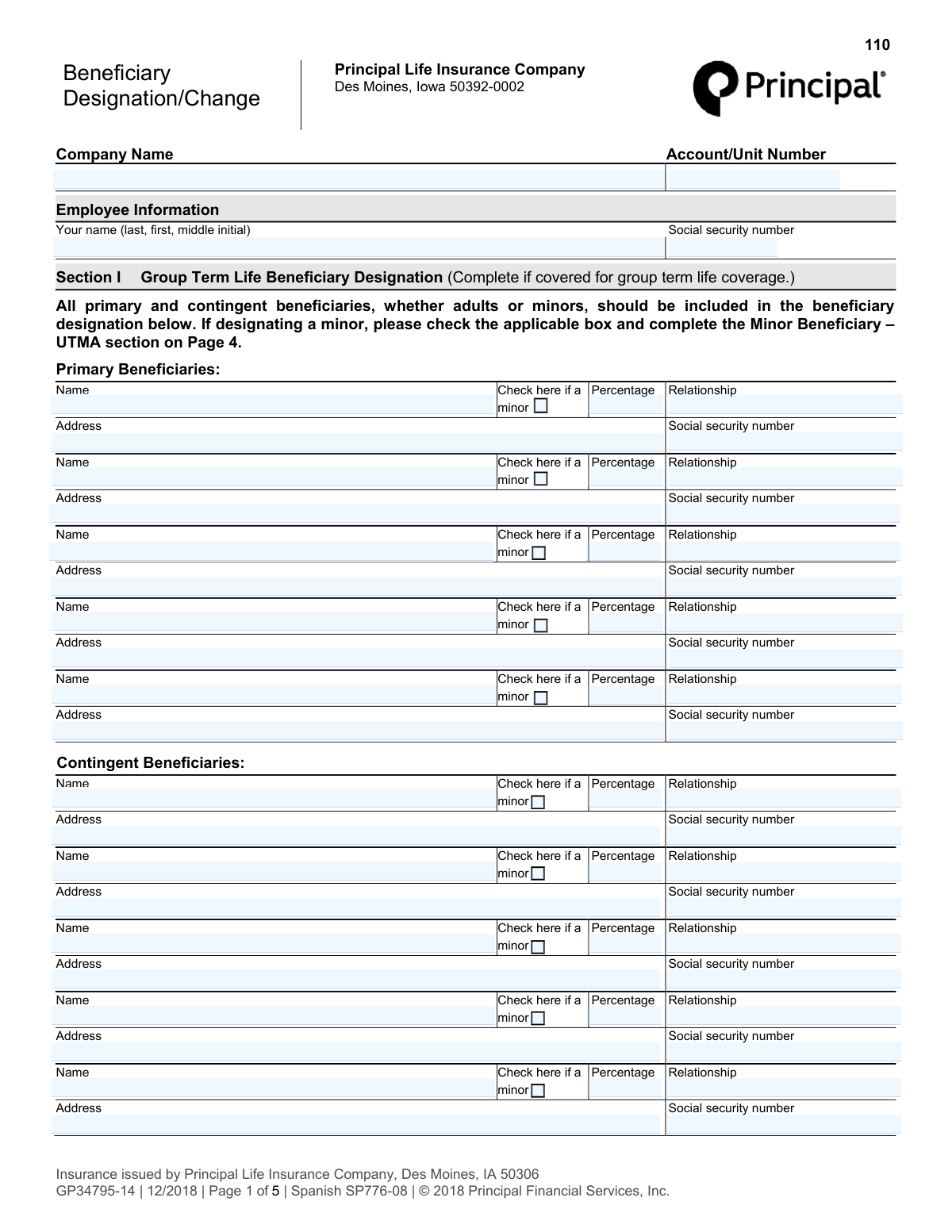
- Review beneficiary designations periodically to keep the policy aligned with your estate planning goals.
By proactively managing premium schedules and verifying contract details, you preserve the financial protection guaranteed by your life insurance contract.
Image Gallery