Republican States 2018: Maps, Midterm Election Results, and Policy Priorities
In 2018, Republican state leadership underwent significant changes during the U.S. midterm elections. Entering November 2018, Republicans held 33 state governorships and 26 government trifectas across the United States. Following the e...
In 2018, Republican state leadership underwent significant changes during the U.S. midterm elections. Entering November 2018, Republicans held 33 state governorships and 26 government trifectas across the United States. Following the election results, the GOP retained executive leadership in 26 states—including Texas, Florida, Ohio, and Georgia—while losing 7 governorships to Democratic challengers and maintaining 22 state trifectas entering 2019.
Contents
Overview of State Executive and Legislative Power in 2018
The year 2018 represented a pivotal juncture in American state governance. Coming off the 2016 general election, the Republican Party achieved historical peaks in state-level power, controlling executive offices and legislative chambers at levels unseen since the 1920s. However, midterm elections during a president's first term historically present structural challenges for the ruling party, and 2018 followed this historical pattern.
Before the November 2018 midterm elections, Republicans held executive leadership in 33 of the 50 states. This broad footprint gave the GOP control over policy agendas, state spending, judicial nominations, and regulatory agencies across two-thirds of the country. Furthermore, in 26 of those states, Republicans held a state government trifecta—meaning the party simultaneously held the governorship, a majority in the state senate, and a majority in the state house or assembly.
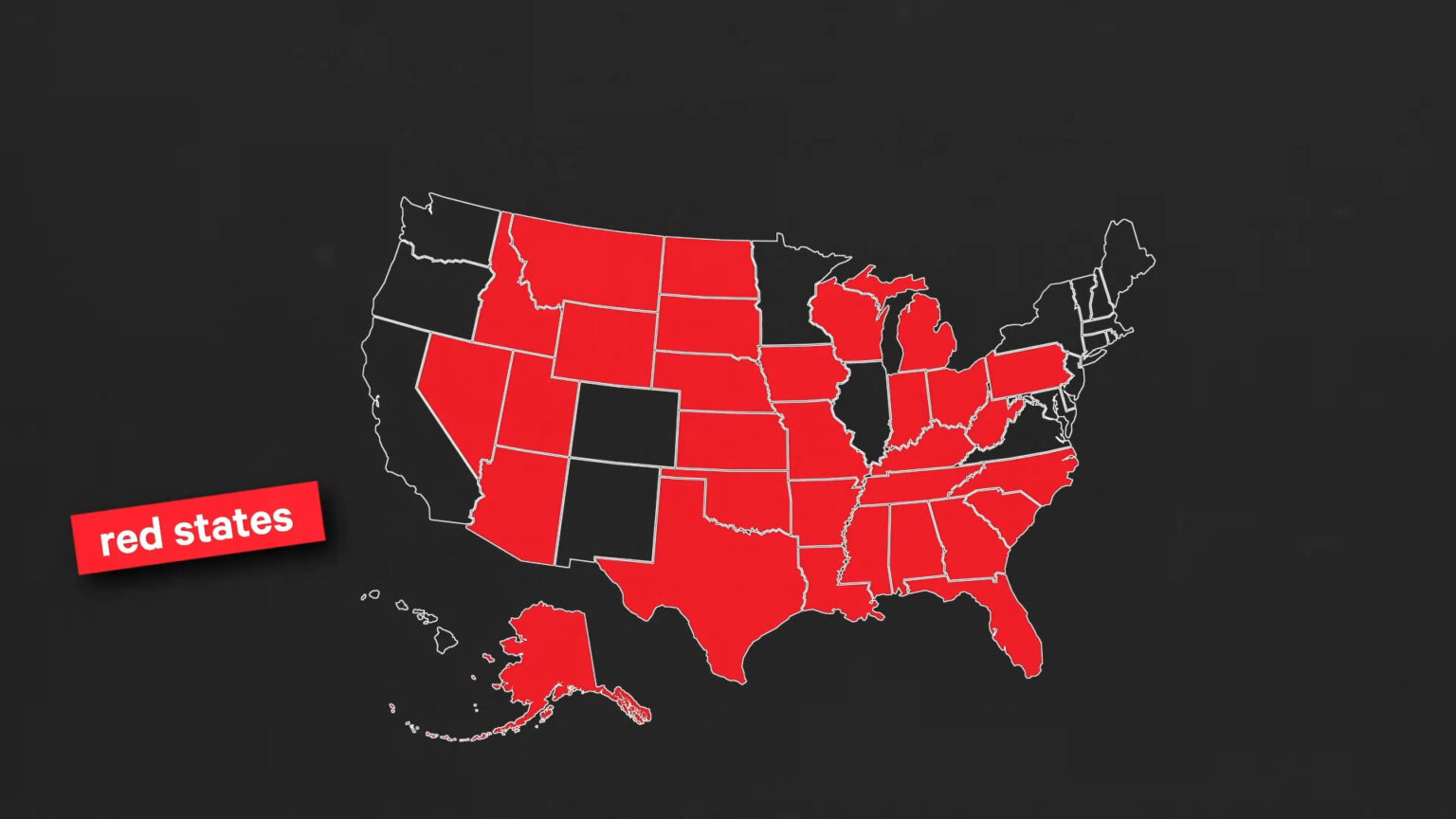
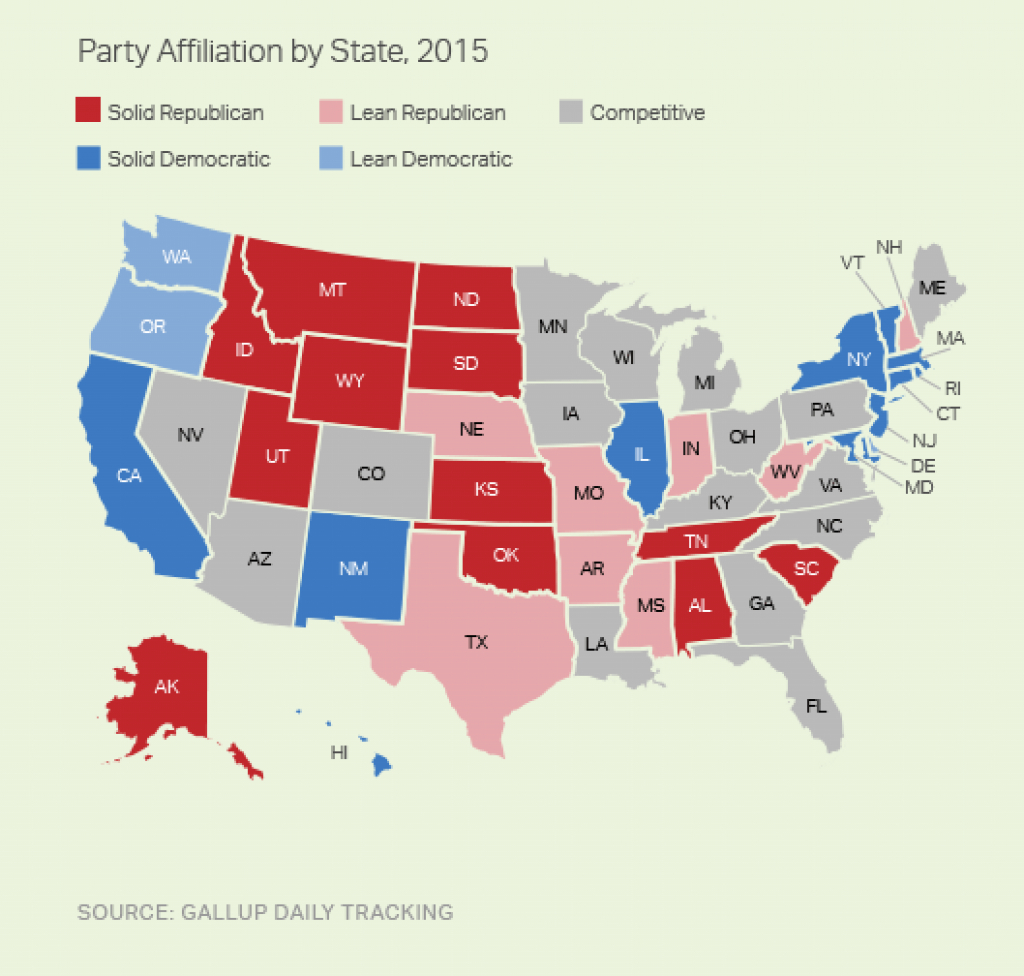
State political power in 2018 was characterized by a distinct geographic concentration:
- The South and Southeast: Strongholds such as Texas, Florida, Georgia, Alabama, South Carolina, and Tennessee maintained solid Republican executive and legislative control.
- The Plains and Mountain West: States including Idaho, Utah, Wyoming, North Dakota, South Dakota, Nebraska, Kansas, and Oklahoma exhibited complete Republican dominance in statehouses.
- The Midwest and Rust Belt: States like Ohio, Indiana, Michigan, Wisconsin, and Iowa served as key laboratories for conservative economic policy, though several faced competitive elections in November.
- Northeastern Moderate Leadership: High-profile Republican governors led politically moderate or blue-leaning states, notably Maryland (Larry Hogan), Massachusetts (Charlie Baker), Vermont (Phil Scott), and New Hampshire (Chris Sununu).
Detailed Map of Republican States in 2018
To understand the political composition of state governments during 2018, it is essential to distinguish between the political layout prior to the November 2018 elections and the political structure established immediately following the election results.
The table below outlines the 26 states where Republican governors remained in office or won election in November 2018, alongside their pre-election baseline, legislative majorities, and post-election trifecta statuses.
| State | Governor in 2018 | 2018 Election Outcome | State Senate Control (2019) | State House Control (2019) | Post-Election Trifecta Status |
|---|---|---|---|---|---|
| Alabama | Kay Ivey | Retained (Won full term) | Republican | Republican | Republican Trifecta |
| Alaska | Mike Dunleavy | Gained (Succeeded Ind.) | Republican | Coalition / Split | Divided Government |
| Arizona | Doug Ducey | Retained (Re-elected) | Republican | Republican | Republican Trifecta |
| Arkansas | Asa Hutchinson | Retained (Re-elected) | Republican | Republican | Republican Trifecta |
| Florida | Ron DeSantis | Retained (Open seat win) | Republican | Republican | Republican Trifecta |
| Georgia | Brian Kemp | Retained (Open seat win) | Republican | Republican | Republican Trifecta |
| Idaho | Brad Little | Retained (Open seat win) | Republican | Republican | Republican Trifecta |
| Indiana | Eric Holcomb | Retained (Not up in 2018) | Republican | Republican | Republican Trifecta |
| Iowa | Kim Reynolds | Retained (Won full term) | Republican | Republican | Republican Trifecta |
| Maryland | Larry Hogan | Retained (Re-elected) | Democratic | Democratic | Divided Government |
| Massachusetts | Charlie Baker | Retained (Re-elected) | Democratic | Democratic | Divided Government |
| Mississippi | Phil Bryant | Retained (Not up in 2018) | Republican | Republican | Republican Trifecta |
| Missouri | Mike Parson | Retained (Succeeded 2018) | Republican | Republican | Republican Trifecta |
| Nebraska | Pete Ricketts | Retained (Re-elected) | Nonpartisan (GOP maj.) | Unicameral | Republican Trifecta |
| New Hampshire | Chris Sununu | Retained (Re-elected) | Democratic | Democratic | Divided Government |
| North Dakota | Doug Burgum | Retained (Not up in 2018) | Republican | Republican | Republican Trifecta |
| Ohio | Mike DeWine | Retained (Open seat win) | Republican | Republican | Republican Trifecta |
| Oklahoma | Kevin Stitt | Retained (Open seat win) | Republican | Republican | Republican Trifecta |
| South Carolina | Henry McMaster | Retained (Won full term) | Republican | Republican | Republican Trifecta |
| South Dakota | Kristi Noem | Retained (Open seat win) | Republican | Republican | Republican Trifecta |
| Tennessee | Bill Lee | Retained (Open seat win) | Republican | Republican | Republican Trifecta |
| Texas | Greg Abbott | Retained (Re-elected) | Republican | Republican | Republican Trifecta |
| Utah | Gary Herbert | Retained (Not up in 2018) | Republican | Republican | Republican Trifecta |
| Vermont | Phil Scott | Retained (Re-elected) | Democratic | Democratic | Divided Government |
| West Virginia | Jim Justice | Retained (Switched party) | Republican | Republican | Republican Trifecta |
| Wyoming | Mark Gordon | Retained (Open seat win) | Republican | Republican | Republican Trifecta |
(Data source: Compiled from state division of elections records and historical analysis from the National Conference of State Legislatures.)
Key Results and Shifts from the 2018 Midterm Elections
The November 6, 2018 midterm elections caused notable structural shifts across state capitals nationwide. While national focus concentrated heavily on the Democratic takeover of the U.S. House of Representatives, the gubernatorial and state legislative contests altered policy dynamics in several key states.
1. High-Stakes Republican Defenses
In several major Sunbelt and Midwestern states, Republicans secured critical executive victories to maintain policy continuity:
- Florida: Republican Ron DeSantis narrowly defeated Democratic nominee Andrew Gillum by roughly 32,000 votes (0.4%), succeeding outgoing Republican Governor Rick Scott. This victory preserved Republican executive control of Florida, which had been continuously held by the GOP since 1999.
- Georgia: Secretary of State Brian Kemp defeated former Democratic House Leader Stacey Abrams by approximately 55,000 votes (1.4%), preserving a decade-plus Republican trifecta in the state.
- Texas: Incumbent Governor Greg Abbott won re-election decisively against Democratic candidate Lupe Valdez by over 13 percentage points, emphasizing strong economic growth and fiscal conservatism.
- Ohio: Former State Attorney General Mike DeWine defeated Democrat Richard Cordray, maintaining Republican executive leadership following Governor John Kasich’s term limits.
2. Executive Seats Flipped by Democrats
Despite holding major strongholds, Republicans lost seven gubernatorial seats to Democratic candidates in 2018:
- Wisconsin: Democratic candidate Tony Evers unseated two-term Republican Governor Scott Walker in a closely fought contest.
- Michigan: Democrat Gretchen Whitmer won the open governorship previously held by term-limited Republican Rick Snyder.
- Kansas: Democrat Laura Kelly defeated Republican nominee Kris Kobach in a state that had previously been under conservative control.
- Illinois: Democratic challenger J.B. Pritzker unseated incumbent Republican Governor Bruce Rauner.
- Maine: Democrat Janet Mills won the open seat left by term-limited Republican Paul LePage.
- Nevada: Democrat Steve Sisolak won the open seat previously occupied by Republican Brian Sandoval.
- New Mexico: Democrat Michelle Lujan Grisham won the open seat to succeed term-limited Republican Susana Martinez.
3. Net Impact on State Government Trifectas
Prior to the election, the Republican Party held 26 trifectas. After the votes were tallied, that total dropped to 22 entering 2019. The loss of executive seats in Michigan, Wisconsin, and Kansas broke Republican single-party control in those states. Additionally, Democratic gains in legislative chambers—such as winning majority control of the New Hampshire State Senate and House of Representatives—turned New Hampshire from a Republican trifecta into a divided government under Republican Governor Chris Sununu.
State Legislative Dynamics and Single-Party Control
Understanding state power requires looking beyond executive mansions to state senates and assemblies. The operational authority of a governor depends heavily on the legislative balance of power.
- 2018 State Executive & Legislative Balance
- Republican Trifecta
- Executive: Republican
- Senate: Republican
- House: Republican
- (e.g., Texas, Florida, Idaho)
- Divided Leadership
- Executive: Republican
- Senate: Democratic (or split)
- House: Democratic (or split)
- (e.g., Maryland, Massachusetts)
- Republican Trifecta
The Power of the State Trifecta
In states where Republicans held a trifecta in 2018—such as Texas, Florida, Ohio, and Indiana—the legislative process operated with minimal structural friction. A trifecta allows the governor and legislative leaders to coordinate on annual budgets, priority policy initiatives, regulatory overhauls, and judicial reform without the threat of an executive veto or legislative deadlock.
Republican Leadership in Blue and Purple States
A notable feature of the 2018 state political map was the popularity of Republican governors in strongly Democratic states. Governors Charlie Baker of Massachusetts and Larry Hogan of Maryland both secured re-election by comfortable margins in November 2018 despite leading states that voted overwhelmingly Democratic in national presidential contests.
These executives maintained high approval ratings by adopting moderate legislative strategies:
- Focusing on pragmatic administration, infrastructure, and fiscal management.
- Using executive veto power to balance spending proposals from Democratic legislative majorities.
- Avoiding divisive national ideological battles to appeal to independent and moderate voters.
Main Policy Priorities in Republican-Controlled States During 2018
State governments in 2018 served as testing grounds for conservative policy frameworks. Republican-led states implemented structural legislative changes across tax policy, labor regulation, judicial frameworks, and election administration.
Fiscal and Tax Reform Policies
Following the federal passage of the Tax Cuts and Jobs Act of 2017, Republican state lawmakers focused on adapting state tax codes to boost regional economic competitiveness.
- Income Tax Reductions: States like North Iowa and Missouri passed legislation aimed at lowering individual and corporate income tax rates.
- Balanced Budget Laws: Republican states strictly enforced constitutional balanced-budget mandates, focusing on limiting expenditure growth rather than raising revenue through broad-based taxes.
- Fiscal Reserves: Many red states used revenue surpluses in 2018 to build up "rainy day" reserves to insulate their state budgets from potential national downturns, as detailed in budget performance reports by the National Association of State Budget Officers.
Regulatory Overhaul and Labor Laws
In 2018, Republican states prioritized deregulation to attract corporate investments, lower consumer costs, and spur job creation:
- Right-to-Work Legislation: While Missouri voters overturned a state Right-to-Work law via referendum in August 2018, numerous Republican-led states maintained laws prohibiting mandatory union membership as a condition of employment.
- Occupational Licensing Reform: States like Arizona and Nebraska pioneered reforms to reduce licensing barriers for workers entering trade professions, easing administrative requirements for out-of-state workers.
Election Administration and Voter Verification
Election policy remained a key focus for Republican state legislatures in 2018. State officials emphasized securing election infrastructure and verifying voter eligibility:
- Voter Identification Standards: States such as Arkansas, North Carolina, and Indiana enacted or enforced stricter photo identification standards for voter registration and balloting.
- Voter Roll Maintenance: States like Ohio engaged in regular list-maintenance programs to remove inactive voter registrations, a practice upheld by the U.S. Supreme Court in Husted v. Philip Randolph Institute in June 2018.
Health Policy and Federal Waivers
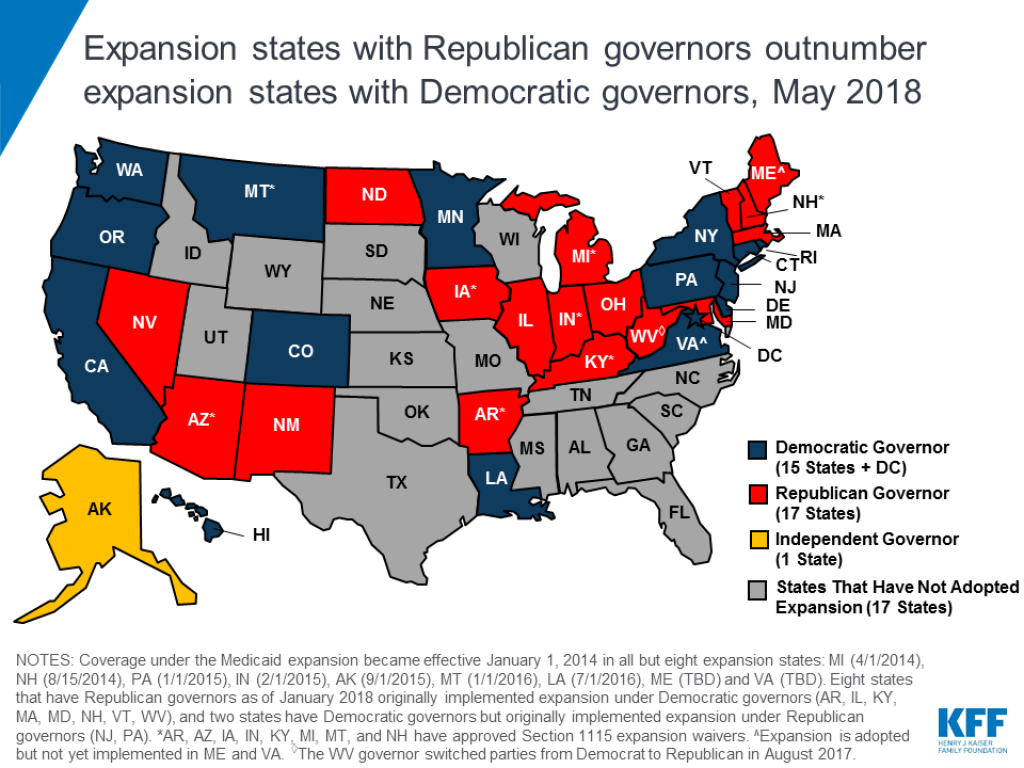
In healthcare administration, Republican governors frequently utilized federal Section 1111/1115 waivers provided by the U.S. Department of Health and Human Services under the Trump administration:
- Work Requirements: States like Arkansas and Indiana sought or implemented community engagement and work requirements for eligible Medicaid beneficiaries.
- Medicaid Expansion Resistance: While ballot initiatives expanded Medicaid under the Affordable Care Act (ACA) in Idaho, Nebraska, and Utah during the 2018 midterms, many conservative statehouses actively resisted expanding entitlement programs without funding offsets.
Practical Takeaways for Analysts and Legal Researchers
For legal practitioners, political analysts, public administrators, and historians evaluating state government trends, the 2018 state political landscape offers several key insights:
- Redistricting Impact: The gubernatorial and legislative elections of 2018 directly shaped the 2020 post-Census redistricting cycle. States where Republicans retained trifectas in 2018—such as Texas, Florida, Georgia, and Ohio—granted Republican lawmakers direct oversight of map-drawing for congressional and state legislative districts following the 2020 Census.
- Executive Veto Leverage: In states like Wisconsin, Michigan, and Kansas, the shift from a Republican trifecta to divided government in 2018 created immediate institutional friction, placing severe limits on legislative conservative agendas.
- Regional Economic Realignment: The tax and regulatory policies implemented by Republican state leaders in 2018 helped accelerate population and business migration trends from high-tax northeastern and West Coast states toward low-tax states in the Sunbelt and Mountain West.
Frequently Asked Questions
How many state governorships did Republicans hold before and after the 2018 elections?
Prior to the November 6, 2018 midterm elections, Republicans held 33 state governorships. Following the election results and inauguration of newly elected officials, Republicans held 26 state governorships.
Which states flipped from Republican to Democratic governors in 2018?
Seven state executive offices flipped from Republican control to Democratic control in the 2018 elections: Illinois, Kansas, Maine, Michigan, Nevada, New Mexico, and Wisconsin.
What is a state government trifecta, and how many did Republicans hold in 2018?
A state government trifecta occurs when a single political party simultaneously holds the executive office (governor) and majorities in both chambers of the state legislature (the Senate and the House/Assembly). Prior to the 2018 elections, Republicans held 26 trifectas. After the elections, that count decreased to 22.
Who won the high-profile 2018 Republican gubernatorial races in Florida and Georgia?
In Florida, Republican candidate Ron DeSantis defeated Democratic candidate Andrew Gillum. In Georgia, Republican candidate Brian Kemp defeated Democratic candidate Stacey Abrams. Both candidates succeeded outgoing two-term Republican governors, preserving Republican executive control in both states.
Did any blue states re-elect Republican governors in 2018?
Yes. Prominent Republican governors in traditionally Democratic-leaning states won re-election by significant margins in 2018. Notable examples include Governor Charlie Baker of Massachusetts, Governor Larry Hogan of Maryland, Governor Phil Scott of Vermont, and Governor Chris Sununu of New Hampshire.
Conclusion and Next Actions
The 2018 state governance landscape demonstrates the importance of state-level elections in shaping domestic public policy, legal structures, and economic environments. While national midterms often focus on congressional control, state gubernatorial and legislative races ultimately determine state taxation laws, regulatory enforcement, judicial nominations, and electoral maps.
For researchers seeking further verification of state electoral results, statutory changes, or legislative records from 2018, consult the official historical databases provided by the U.S. Election Assistance Commission and individual state election divisions.
Image Gallery