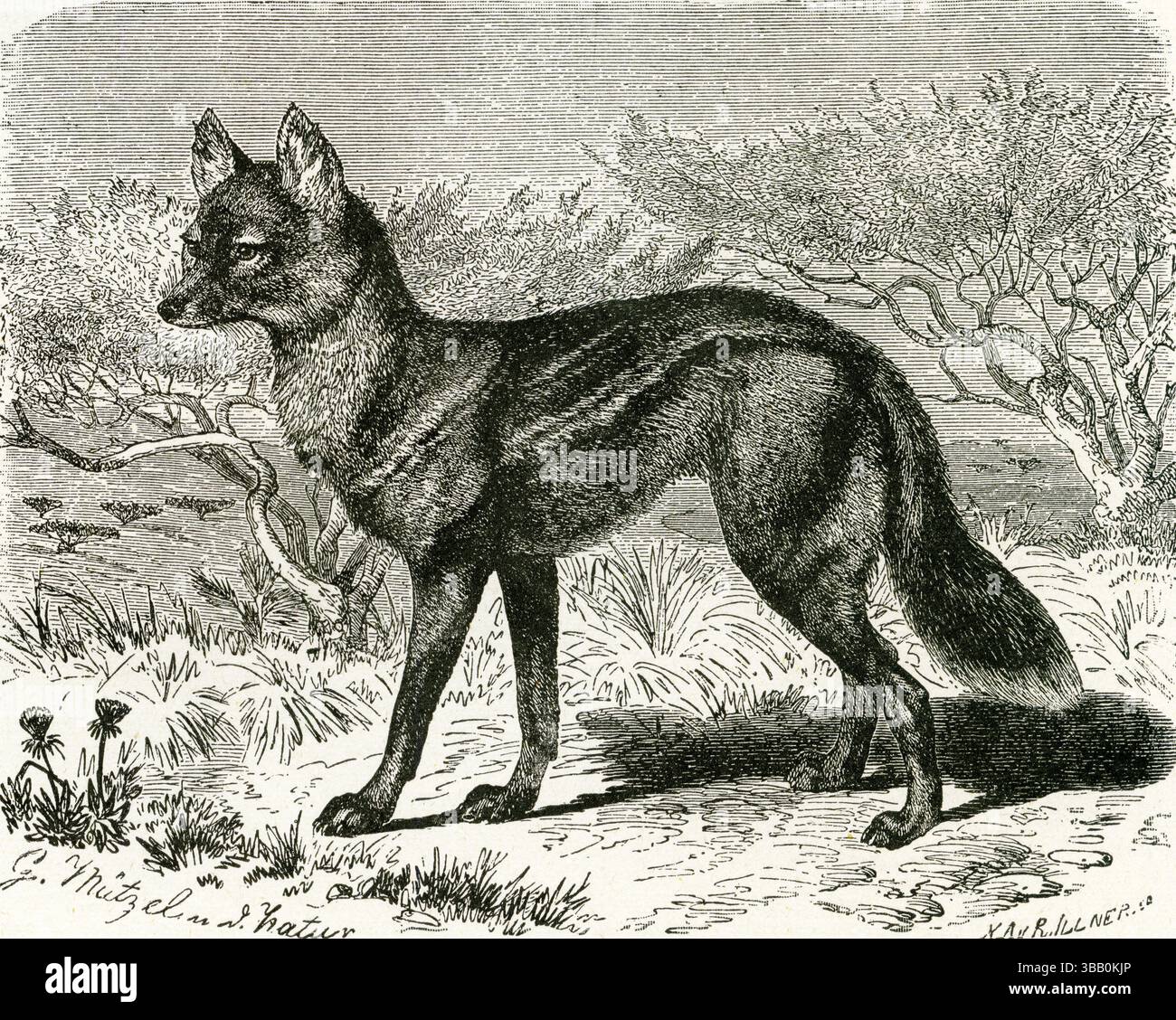
Understanding the Rare Striped Wolf in Modern Context
The "striped wolf" is a term most frequently used to describe the thylacine (Thylacinus cynocephalus), also known as the Tasmanian tiger, a carnivorous marsupial that was declared extinct in the 20th century. In a modern context, under...
The "striped wolf" is a term most frequently used to describe the thylacine (Thylacinus cynocephalus), also known as the Tasmanian tiger, a carnivorous marsupial that was declared extinct in the 20th century. In a modern context, understanding the striped wolf involves analyzing its evolutionary history, the verified timeline of its extinction, and current scientific efforts regarding de-extinction, genetic preservation, and the ethical implications of biological research in 2026.
Contents
Evolutionary Distinctiveness and Historical Context
The thylacine was not a true wolf, though its common name reflects its external appearance and niche. It was a dasyurid marsupial, possessing a pouch and sharing a more recent common ancestor with the Tasmanian devil and the quoll than with any placental wolf. Evolutionarily, the thylacine provides one of the most striking examples of convergent evolution, having developed a physical morphology—an elongated snout, lean body, and predatory gait—remarkably similar to the Canis lupus (gray wolf) despite millions of years of divergent evolutionary paths.
The species was once widespread across the Australian mainland, Tasmania, and New Guinea. By the time of European arrival in Australia, the population was restricted to the island of Tasmania. It became a victim of bounty hunting, habitat loss, and competition with introduced species. The last known individual, often referred to as "Benjamin," died in the Hobart Zoo in 1936. Since that date, there have been no scientifically verified sightings of the species in the wild, despite persistent reports and "cryptozoological" claims that have surfaced periodically over the last nine decades.
Verified Status and Modern Scientific Investigations
As of 2026, the thylacine remains officially classified as extinct by the International Union for Conservation of Nature (IUCN). In the scientific community, the focus has shifted from searching for remnant wild populations—which most biologists agree have not existed for decades—to genomic research and the possibility of "de-extinction."
Modern technology, specifically high-throughput sequencing and advanced gene-editing techniques like CRISPR, has allowed researchers to reconstruct portions of the thylacine genome from museum specimens. Scientists at institutions such as the University of Melbourne and private biotechnology firms are currently mapping the thylacine's genetic blueprint to understand its biological requirements, neurological development, and physical traits.
Key Areas of Current Research
- Genomic Sequencing: Analyzing degraded DNA samples to identify the unique sequences that defined the thylacine’s development.
- Comparative Biology: Using the fat-tailed dunnart—a small, closely related marsupial—as a surrogate genome model to test how specific thylacine genes function in a living host.
- Habitat Suitability Analysis: Evaluating whether the current Tasmanian environment, altered by climate change and invasive species, could actually sustain a population if a viable biological model were ever created.
Comparative Analysis: The Thylacine vs. Modern Canids
Understanding the striped wolf requires acknowledging why its niche was so effectively filled by other predators. The following table highlights the fundamental biological differences between the extinct marsupial predator and the modern placental wolf.
| Feature | Thylacine (T. cynocephalus) | Gray Wolf (Canis lupus) |
|---|---|---|
| Classification | Marsupial | Placental Mammal |
| Reproduction | Pouch-rearing (altricial young) | Placental (precocial young) |
| Jaw Morphology | Extreme gape (up to 80 degrees) | Powerful crush-and-bite force |
| Primary Range | Historically Tasmania | Northern Hemisphere |
| Social Structure | Primarily solitary or pairs | Highly social pack hunters |
| Extinction Status | Extinct (1936) | Extant |
Ethical Considerations and Hurdles
The project of understanding the striped wolf in 2026 is inseparable from the ethics of "de-extinction." Critics argue that the resources invested in restoring extinct species might be better spent protecting extant marsupials that are currently on the brink of collapse due to habitat fragmentation. Furthermore, there is the fundamental biological challenge of "rewilding." Even if a genome were successfully reconstructed, an animal’s behavior is significantly influenced by social learning and environmental interactions. A laboratory-created thylacine would lack a population to learn from, making it an ecological orphan with an uncertain path to survival in the wild.
Practical Steps for Researchers and Enthusiasts
For those interested in studying the thylacine, the focus must remain on documentation and historical data rather than field discovery.
- Examine Official Archives: Consult the National Library of Australia and the Tasmanian Museum and Art Gallery. These institutions hold the most comprehensive records of sightings, bounty data, and biological specimens.
- Review Peer-Reviewed Literature: Access databases like Google Scholar or specific zoological repositories to review the findings of modern genomic projects. This is the most reliable way to understand the current "state of play."
- Avoid Misinformation: Be wary of claims regarding "hidden populations." In 2026, the absence of high-resolution photographic, acoustic, or DNA evidence from environmental samples (eDNA) after ninety years is widely accepted by the scientific community as definitive proof of extinction.
Frequently Asked Questions
Why is the thylacine called a "striped wolf" if it isn't a wolf? The name is a result of its physical appearance. The transverse dark stripes on its lower back resembled those of a tiger, while its head and body shape resembled those of a wolf or dingo. These traits are examples of convergent evolution, where unrelated species evolve similar features to suit similar environmental niches.
Is there any chance of finding a wild thylacine today? While reports continue to surface, no credible, peer-reviewed evidence has been produced. The ecological niche of the thylacine in Tasmania has been heavily impacted by invasive species like red foxes and domestic cats, and there is no habitat or prey base evidence to support the survival of a large, apex marsupial predator.
What is the current goal of de-extinction projects? The goal is primarily scientific discovery and the advancement of biotechnology. By attempting to reconstruct the thylacine, researchers are developing tools that could potentially save modern endangered species by boosting genetic diversity or overcoming reproductive hurdles.
Where can I see a thylacine specimen? Several museums house taxidermy specimens and skeletal remains. The Tasmanian Museum and Art Gallery in Hobart holds a significant collection. Many of these specimens have been scanned to create 3D digital models, which are available online for educational purposes.
How does eDNA help us understand the striped wolf? Environmental DNA (eDNA) allows researchers to identify species present in an area by analyzing water or soil samples for genetic material. While this is used to track rare living animals, it also helps confirm the absence of the thylacine; large-scale eDNA surveys in Tasmanian wilderness areas have failed to turn up any genetic signatures of the species.
Recommendation for Further Study
To gain a comprehensive understanding of the thylacine in a modern context, prioritize the work of the Thylacine Integrated Genomic Restoration Research (TIGRR) Lab. Their methodology represents the standard for technical accuracy in 2026. Avoid tabloid sources or unsubstantiated "sighting" reports, which often confuse camera artifacts or feral dogs with the extinct marsupial. By focusing on genomic documentation and the ecological history of Tasmania, you can gain a factual understanding of why this unique predator vanished and what its potential, albeit complex, future might look like.
Image Gallery