What Are the McDonald's Big Arch Burger Ingredients?
The McDonald’s Big Arch burger consists of two large 100% Canadian beef patties (or regional equivalent), layered with two slices of melted white processed cheese, crispy onions, slivered onions, pickles, shredded lettuce, and a signat...
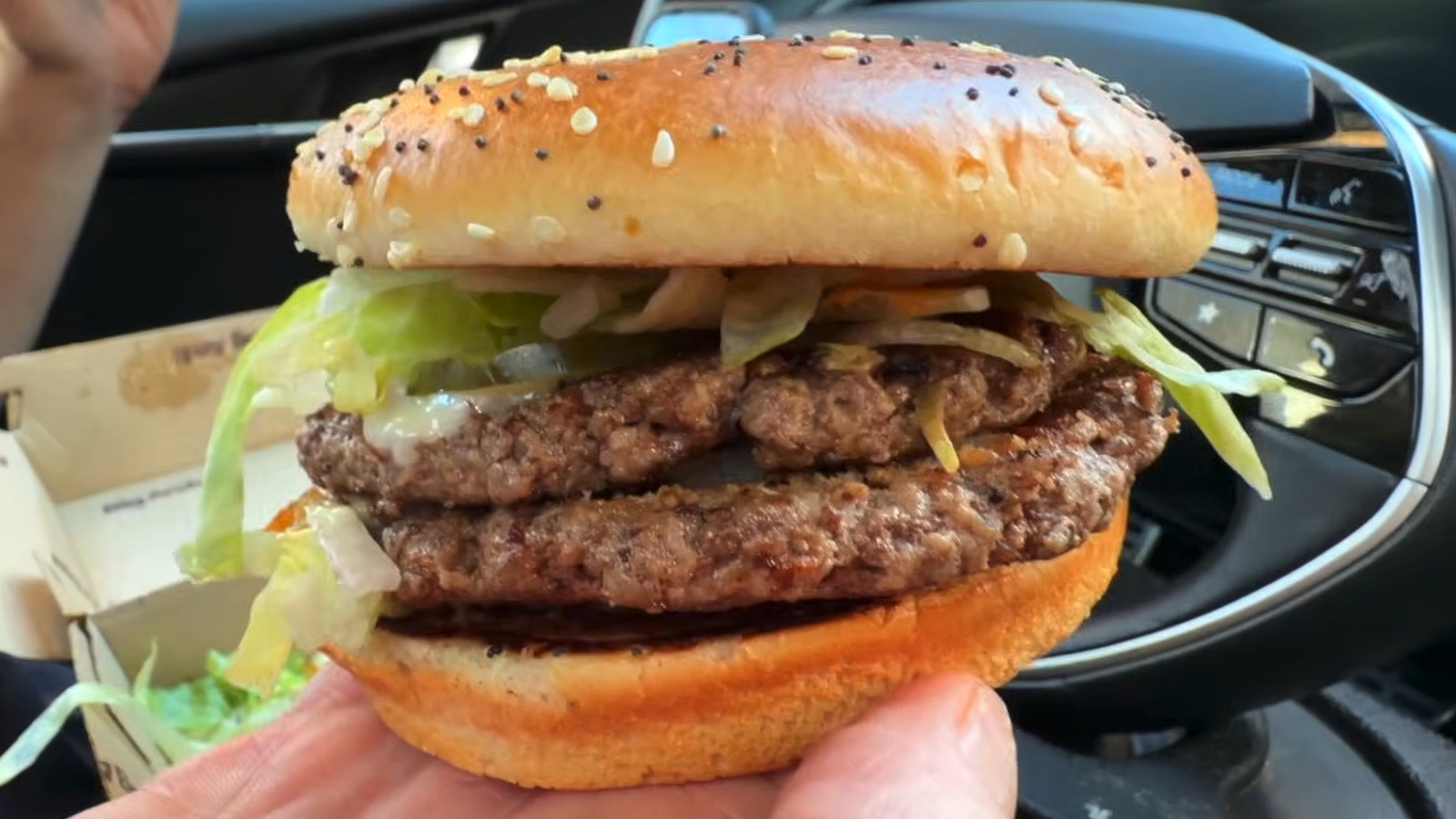
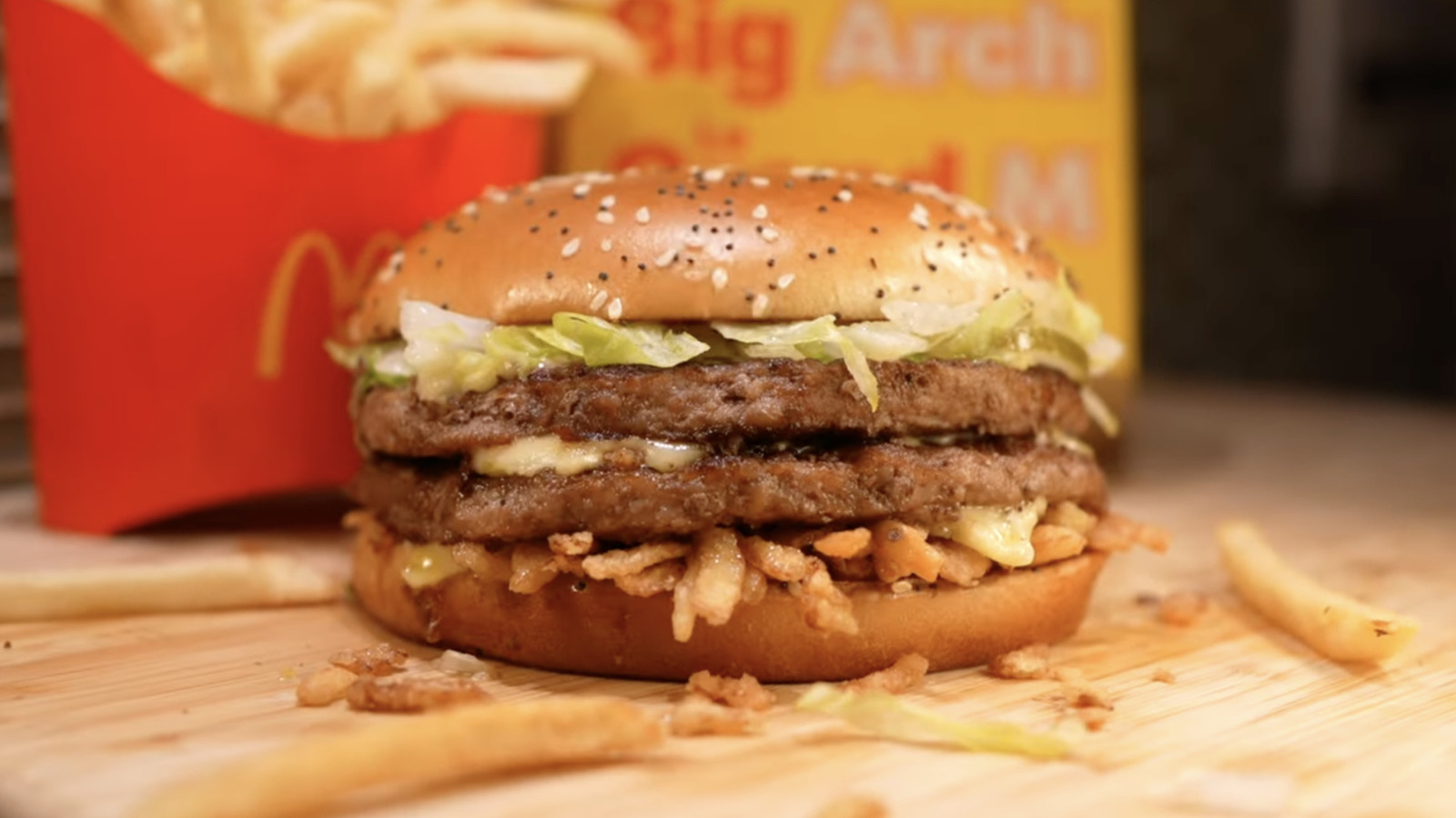
The McDonald’s Big Arch burger consists of two large 100% Canadian beef patties (or regional equivalent), layered with two slices of melted white processed cheese, crispy onions, slivered onions, pickles, shredded lettuce, and a signature tangy "Big Arch sauce," all served on a toasted glazed sesame seed bun.
Contents
Introduced as a response to the demand for a more substantial, "satiating" burger, the Big Arch represents McDonald’s effort to provide a premium, large-format option that rivals the size of independent gourmet burger chains. While the Big Mac relies on its middle bun and iconic sauce for identity, the Big Arch leans into a savory, onion-forward profile with significantly larger beef portions. Below is a comprehensive breakdown of every component that makes up this heavyweight menu item.
The Foundation: Larger Beef Patties
The most significant differentiator for the Big Arch is the size of its protein. Unlike the standard 1.6-ounce patties found in a Big Mac or a basic cheeseburger, the Big Arch uses two "large" beef patties. These are typically the same weight as those found in a Quarter Pounder, meaning the burger provides roughly half a pound of beef before cooking.
McDonald's has transitioned many of its global markets to a "hotter, juicier" cooking method as of 2026. This involves searing the beef in smaller batches to ensure a better crust (the Maillard reaction) and a higher internal moisture content. The beef is 100% real beef, with no fillers, additives, or extenders. The only seasoning applied during the grilling process is a standardized blend of salt and black pepper.
The Signature Big Arch Sauce
If the Big Mac is defined by its sauce, the Big Arch is defined by its unique "Big Arch Sauce." For years, customers have associated McDonald’s special sauces with a thousand-island style profile. The Big Arch sauce deviates slightly by offering a deeper, more savory, and tangier flavor.
While the exact proprietary recipe remains a trade secret, the ingredient list disclosed in international markets like Canada and Portugal reveals a base of soybean oil, water, and egg yolks. The tanginess is derived from distilled vinegar and lemon juice concentrate, while the savory notes come from onion powder, garlic powder, and a blend of spices. Unlike the Big Mac sauce, which has a distinct sweet pickle relish base, the Big Arch sauce focuses more on a creamy, acidic balance that cuts through the richness of the double beef and double cheese.
A Duo of Onions: Crispy and Slivered
One of the most praised aspects of the Big Arch's ingredient list is the inclusion of two different onion textures. This "onion-forward" approach is designed to provide both a sharp, fresh bite and a salty, savory crunch.
- Slivered Onions: These are raw, fresh onions sliced into thin strips. They provide a pungent, crisp contrast to the warm beef and melted cheese.
- Crispy Onions: These are lightly battered and fried onion pieces. They add a mechanical crunch to the burger, a feature often missing from McDonald's standard sandwich lineup. The coating typically consists of wheat flour and vegetable oil, contributing to the burger’s overall sodium and calorie count.
The Cheese: White Processed Cheese
The Big Arch moves away from the iconic yellow American cheese slices found on the Quarter Pounder and Big Mac. Instead, it utilizes two slices of white processed cheese.
While still a "processed" cheese product designed for a superior melt, the white cheese used in the Big Arch has a slightly milder, creamier flavor profile. This choice was intentional to prevent the cheese from overpowering the savory Big Arch sauce. The ingredients for the cheese generally include milk, cream, sodium citrate (for melting consistency), and salt.
The Bun and Fresh Produce
To support the weight of two large patties and a multitude of toppings, McDonald's utilized a specific bun for the Big Arch. It is a toasted, glazed sesame seed bun. The "glaze" gives the bun a slightly shiny appearance and a sturdier structure compared to the softer, unglazed buns used on smaller burgers. This prevents the bottom bun from becoming "soggy" under the weight of the sauce and beef juices.
The vegetable components include:
- Shredded Lettuce: Standard iceberg lettuce, chosen for its high water content and "crunch" factor.
- Pickles: Thick-cut "crinkle-cut" pickles that provide acidity to balance the fats. These are cured with vinegar, salt, and calcium chloride (for crispness), and flavored with natural aromatics like dill.
Detailed Ingredient Breakdown Table
The following table summarizes the components of the Big Arch as of 2026. Please note that specific suppliers may vary by region, but the core formula remains consistent.
| Component | Key Ingredients | Purpose in Flavor Profile |
|---|---|---|
| Beef Patties | 100% Beef, Salt, Pepper | Provides the primary savory "umami" and protein base. |
| Big Arch Sauce | Soybean oil, egg yolks, vinegar, onion/garlic powder, spices | Adds tanginess and a creamy mouthfeel; the signature flavor. |
| White Cheese | Milk, cream, water, sodium citrate, salt | Provides a creamy, melty texture without the sharp saltiness of yellow cheese. |
| Crispy Onions | Onions, wheat flour, vegetable oil, salt | Adds a salty, fried crunch and textural variety. |
| Slivered Onions | Fresh white or yellow onions | Adds a sharp, fresh "bite" and aroma. |
| Pickles | Cucumbers, water, vinegar, salt, dill extract | Provides acidity to cut through the heavy fats of the beef. |
| Lettuce | Iceberg lettuce | Adds freshness and a watery crunch. |
| Glazed Bun | Enriched flour, water, sugar, sesame seeds, glaze | Structural support; the sugar in the glaze aids in toasting. |
Nutritional Considerations and Allergens
Given its size, the Big Arch is one of the most calorie-dense items on the McDonald's menu. In most markets, the burger contains between 1,000 and 1,060 calories. This is nearly double the calorie count of a standard Big Mac (which typically hovers around 540–590 calories).
Macronutrient Estimates
- Total Fat: Approximately 65g - 70g (driven by the double beef and oil-based sauce).
- Sodium: Approximately 1,800mg - 2,000mg (high due to the pickles, processed cheese, and seasoned crispy onions).
- Carbohydrates: Approximately 50g - 55g (mostly from the large glazed bun).
- Protein: Approximately 50g+ (due to the large volume of beef).
Common Allergens
The Big Arch contains several major allergens that consumers should be aware of:
- Wheat/Gluten: Found in the bun and the coating of the crispy onions.
- Eggs: The Big Arch sauce uses egg yolks as an emulsifier.
- Milk: Present in the white processed cheese slices.
- Sesame: The bun is topped with sesame seeds.
- Soy: Often present in the soybean oil used for the sauce and the bun manufacturing process.
Why the Big Arch Was Created: A Strategic Move
The introduction of the Big Arch was a strategic pivot for McDonald's. For decades, the "Big Mac" was the flagship, but as "better-burger" chains like Five Guys or Shake Shack gained market share, consumers began to view the Big Mac as more of a "snack-sized" large burger due to its smaller 1.6-ounce patties.
The Big Arch was designed to satisfy the "heavy user" — customers who want a filling meal without having to order multiple sandwiches. By using the Quarter Pounder-sized patties and adding premium toppings like crispy onions and a unique sauce, McDonald's successfully bridged the gap between their value menu and a more "gourmet" dining experience.
The inclusion of two types of onions and white cheese was a direct result of consumer testing, which showed that modern diners prefer complex textures and "cleaner" tasting cheeses over the traditional, highly-colored American slices.
Comparison: Big Arch vs. Other McDonald's Classics
To understand the ingredient impact, it helps to compare the Big Arch to the existing "powerhouse" burgers:
- Big Arch vs. Big Mac: The Big Mac uses three buns and two small patties. The Big Arch uses two buns and two large patties. The Big Arch is significantly meatier and lacks the sweet relish flavor of the Big Mac sauce.
- Big Arch vs. Quarter Pounder with Cheese: Both use the same beef weight. However, the Quarter Pounder uses yellow cheese, mustard, and ketchup. The Big Arch replaces these with white cheese, shredded lettuce, and the specialized Big Arch sauce, making it a "busier" and more textured sandwich.
- Big Arch vs. Double Quarter Pounder: The Double Quarter Pounder is the only sandwich that rivals the Big Arch in terms of beef volume. However, the Double Quarter Pounder is often criticized for being "too dry" or "too heavy" on the meat-to-bread ratio. The Big Arch's inclusion of lettuce and a high-volume sauce makes it feel more like a complete "deluxe" sandwich rather than just a pile of meat and cheese.
FAQs
Is the Big Arch sauce just Big Mac sauce?
No. While both are creamy sauces, the Big Arch sauce is more savory and lacks the heavy sweet-pickle relish found in Big Mac sauce. It features a more pronounced onion and garlic profile and a distinct tang that complements the larger beef patties.
Does the Big Arch contain any pork?
No, the Big Arch is a beef-based sandwich. However, in some regions, McDonald's may offer variations (like a "Big Arch Bacon"), but the standard version contains only beef, dairy, and vegetable-based ingredients.
Why does the Big Arch use white cheese instead of yellow?
The white processed cheese has a milder flavor and a creamier melt. McDonald's selected this specifically to balance the intensity of the "double onion" topping and the savory sauce, ensuring no single ingredient overpowers the beef.
Is the Big Arch a permanent menu item?
As of 2026, the Big Arch has been integrated into the core menu in several major markets (including Canada and parts of Europe) following successful pilot programs. However, its availability in the United States and other regions can vary based on local franchise decisions.
Recommendations for Consumers
If you are planning to try the Big Arch, keep in mind its substantial size. Because of the "double onion" and "large beef" configuration, it is a much heavier meal than the standard McDonald's fare.
For those with sodium sensitivities, the combination of the crispy onions, pickles, and processed cheese makes this one of the highest-sodium items on the menu. To reduce the sodium or calorie load slightly, you can request the burger without the crispy onions or with "half sauce," though this will significantly alter the intended flavor profile.
Always check the official McDonald's nutrition calculator for the most up-to-date ingredient and allergen information, as formulations can change based on supply chain updates in 2026.
Image Gallery