A Comprehensive Guide to Selecting and Fitting Skinny Jeans
Getting skinny jeans that provide both the desired aesthetic silhouette and long-term comfort requires understanding fabric composition, denim stretch technology, and your specific body measurements. While trends in denim fluctuate, th...
Getting skinny jeans that provide both the desired aesthetic silhouette and long-term comfort requires understanding fabric composition, denim stretch technology, and your specific body measurements. While trends in denim fluctuate, the skinny jean remains a foundational element of modern wardrobes, defined by a tapered cut that hugs the leg from the hip to the ankle. Achieving the perfect fit involves balancing structural support with material flexibility to ensure the garment maintains its shape through repeated wear.
Contents
Understanding Denim Construction and Fabric Composition
The most critical factor in getting skinny jeans that look good and stay comfortable is the composition of the fabric. Traditional denim was made from 100% cotton, a rigid and durable fabric that lacks the elasticity required for a "skinny" silhouette. Modern skinny jeans, however, utilize a blend of fibers to achieve a snug fit that still allows for movement.
When examining the label of potential pairs, you will typically find three primary components: cotton, synthetic stretch fibers (such as elastane, spandex, or Lycra), and occasionally polyester or modal.
- Cotton: Provides the structure and durability of the denim. A higher cotton percentage generally means the jeans will feel more like traditional denim but will have less give.
- Elastane/Spandex: This is the "stretch" factor. Even a small percentage—between 1% and 3%—can drastically change how a pair of jeans fits. Higher percentages offer greater comfort and flexibility but may lead to the fabric "bagging out" or losing its shape after a few hours of wear.
- Polyester/Modal: These fibers are often added to increase softness or provide "recovery," which is the garment's ability to return to its original shape after being stretched.
For a balance of durability and comfort, look for a blend that prioritizes high-quality cotton with a modest amount of elastane. This prevents the fabric from becoming overly flimsy while ensuring it conforms to your body without restricting blood flow or movement.
Measuring for the Correct Size
The sizing of skinny jeans is not standardized across the apparel industry, making reliance on a single size number unreliable. To avoid the frustration of returns, you must rely on your actual body measurements rather than the size labels found in high-street retailers.
Key Measurements to Take
- Natural Waist: Measure the circumference of your waist at its narrowest point, typically just above the belly button. This measurement is crucial if you are choosing high-rise skinny jeans.
- Hips: Measure at the widest part of your hips and buttocks. This ensures the fabric will accommodate your curves without causing the waistband to gap or the side seams to strain.
- Inseam: This is the distance from the crotch seam to the bottom of the hem. Since skinny jeans rely on a clean line, getting the inseam correct is vital to avoid bunching at the ankle.
Always use a flexible tape measure and ensure it is snug against the skin but not tight enough to indent it. It is often helpful to have someone assist you with these measurements to ensure the tape remains level.
Comparative Denim Characteristics
| Fabric Type | Stretch Level | Durability | Best Use Case |
|---|---|---|---|
| Raw Denim | Low to None | High | Breaking in over time; rigid silhouette |
| Power Stretch | High | Medium | All-day comfort; active movement |
| Performance Denim | Moderate | Very High | Frequent wear; maintains shape |
| Luxury Blend | Moderate | Low | Formal or office environments |
Identifying Your Preferred Rise
The "rise" refers to the distance from the crotch seam to the top of the waistband. This measurement significantly impacts how the jeans frame your torso and affects overall comfort during daily tasks.
- High-Rise: Sitting at or above the natural waist, high-rise skinny jeans are often favored for their ability to provide security and define the waistline. They are particularly effective when paired with tucked-in shirts.
- Mid-Rise: Resting just below the navel, mid-rise is generally considered the most versatile and universally flattering option. It offers a balance between coverage and a modern profile.
- Low-Rise: Sitting on the hips, low-rise styles have a specific aesthetic purpose but are generally less forgiving in terms of movement and coverage.
When choosing a rise, consider your daily activities. If your routine involves a significant amount of bending or sitting, a mid-to-high rise is typically more practical, as it eliminates the need to constantly adjust the waistband.
Essential Fitting Checklist
Once you have identified a potential pair, use this systematic approach to verify the fit before committing to a purchase:
- The Squat Test: Put the jeans on and perform a deep squat. If the fabric feels dangerously tight or resists movement, the jeans are likely too restrictive and may lead to discomfort or fabric failure at the seams.
- Waistband Check: You should be able to fit two fingers comfortably inside the waistband. If you can pull the waistband away from your back by more than an inch, you will experience the "gap" effect, which is common in off-the-rack denim.
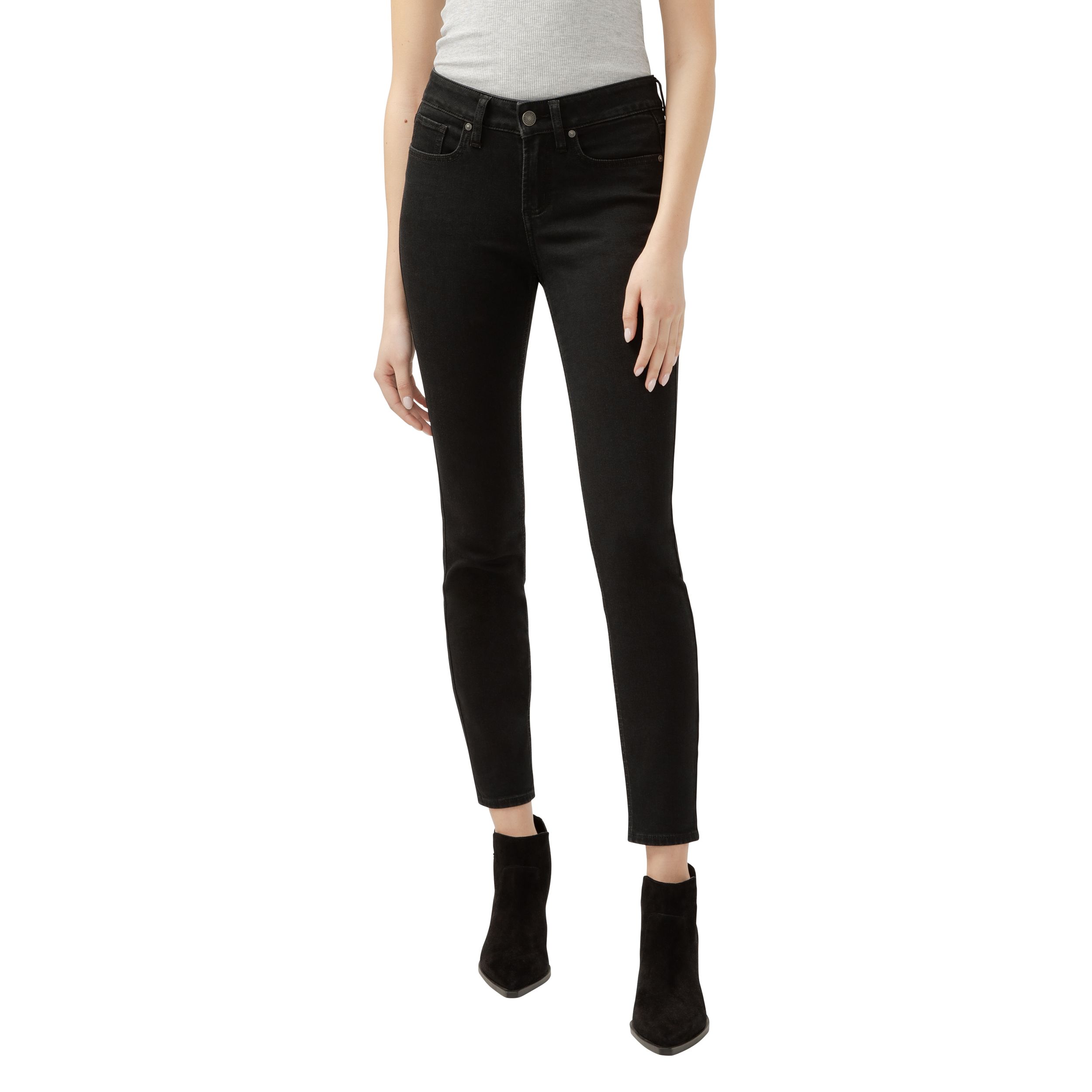
- The Ankle Line: The leg of the jean should follow the contour of your calf and end precisely at the ankle bone. If the hem is too long, the fabric will bunch, destroying the intended streamlined look of the skinny jean.
- Hardware Integrity: Inspect the buttons, zippers, and rivets. High-quality denim utilizes sturdy hardware that does not snag or feel loose.
Maintaining Your Denim Investment
Once you have acquired the correct pair, proper maintenance is essential to preserving the fit and finish. Denim is a textile that benefits from less frequent washing. Washing your jeans too often causes the fibers to break down and the color to fade prematurely.
- Spot Clean: If the jeans are not visibly soiled, use a damp cloth to treat small stains rather than putting the entire garment through a wash cycle.
- Cold Water Wash: If a full wash is necessary, use cold water and a mild detergent. Heat is the primary enemy of elastane; it destroys the fibers’ ability to stretch and recover, leading to permanently loose-fitting knees and waistbands.
- Air Dry: Avoid the tumble dryer entirely. Hang your jeans to dry in a shaded area. Direct sunlight can bleach the dye, and the heat from a dryer will drastically shorten the lifespan of the stretch fibers.
Frequently Asked Questions
How can I stop my skinny jeans from stretching out too much? To prevent "bagging out," avoid wearing the same pair for multiple days in a row. The fabric needs time to recover its elasticity. Additionally, washing in cold water and strictly air-drying will protect the integrity of the stretch fibers.
Why do my skinny jeans gap at the waist? Gapping usually occurs because the jeans are cut for a generic hourglass figure that does not match your specific waist-to-hip ratio. If this is a recurring issue, consider styles specifically labeled as "curvy fit" or consult a tailor to have the waistband taken in.
Should I size down when buying skinny jeans? It is a common misconception that you should always size down. While jeans with high elastane content may feel slightly loose initially, you should prioritize comfort. If the jeans feel tight in the changing room, they will likely be uncomfortable throughout the day. Only size down if the denim is known for significant stretching after the first few wears.
What is the difference between skinny and slim-fit jeans? Skinny jeans are tight through the entire leg, including the ankle. Slim-fit jeans are typically tapered but have more room in the thigh and calf, ending in a wider leg opening that does not hug the ankle.
Next Steps for a Perfect Selection
If you are currently searching for the right pair, start by visiting a department store or a dedicated denim retailer that offers a wide range of brands. Do not focus on the size number; instead, bring your tape measure and try on three different sizes in the same style to understand how the cut varies. If you find a pair that fits your waist and hips perfectly but is too long, invest in a professional hem. A professional tailor can adjust the inseam for a modest fee, ensuring your skinny jeans look custom-fitted to your body.
Image Gallery