Understanding What Size a 2X Bra Truly Is
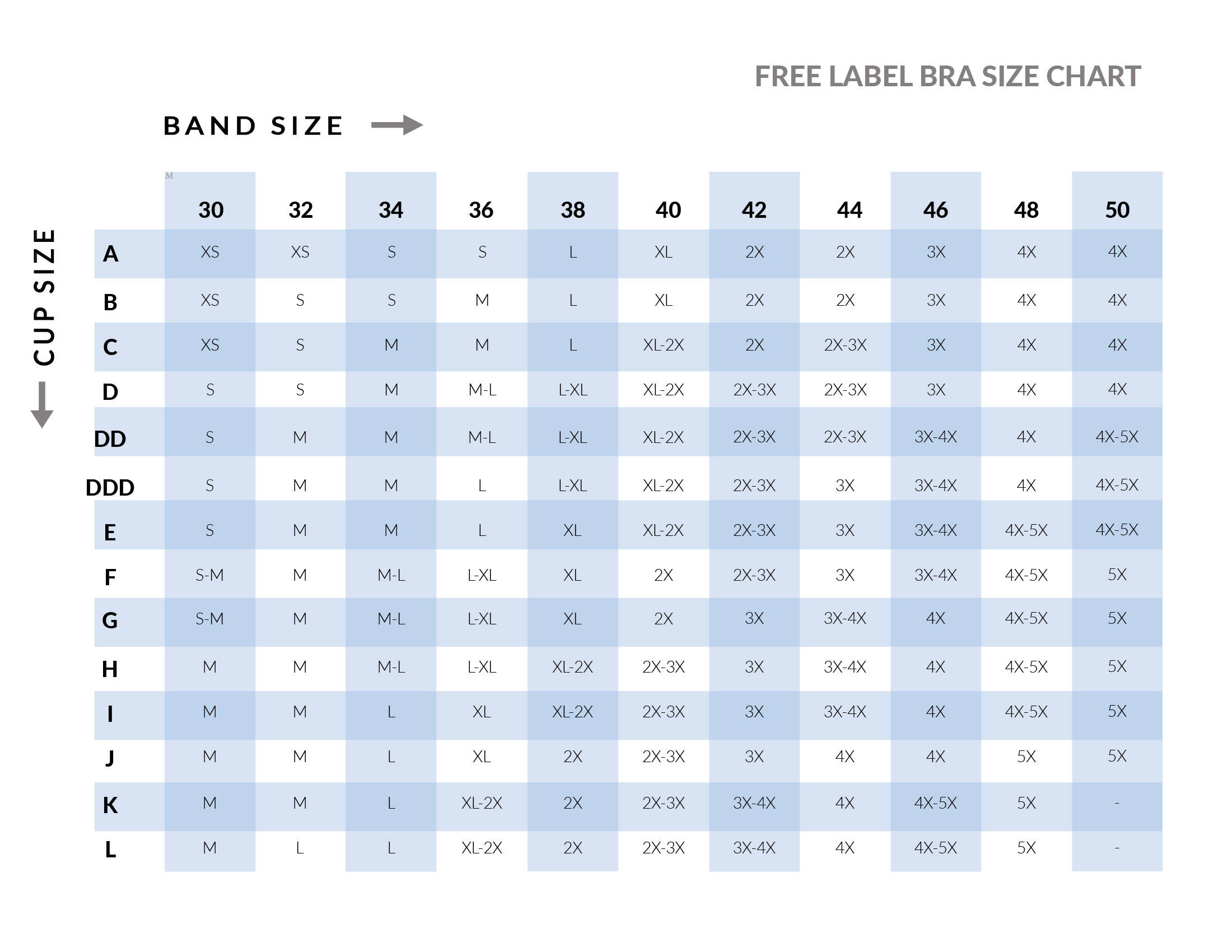
A 2X bra size generally equates to a numeric band size of 40 to 42 and a cup range typically spanning from DD to DDD (or E to F), though this varies significantly between manufacturers. Unlike standard bra sizing, which relies on a pre...
A 2X bra size generally equates to a numeric band size of 40 to 42 and a cup range typically spanning from DD to DDD (or E to F), though this varies significantly between manufacturers. Unlike standard bra sizing, which relies on a precise band measurement and cup letter, "2X" is a vanity size designation found mostly in leisure bras, sports bras, and bralettes where stretchy fabrics accommodate a broader spectrum of shapes.
Contents
The Problem of Vanity Sizing in Intimate Apparel
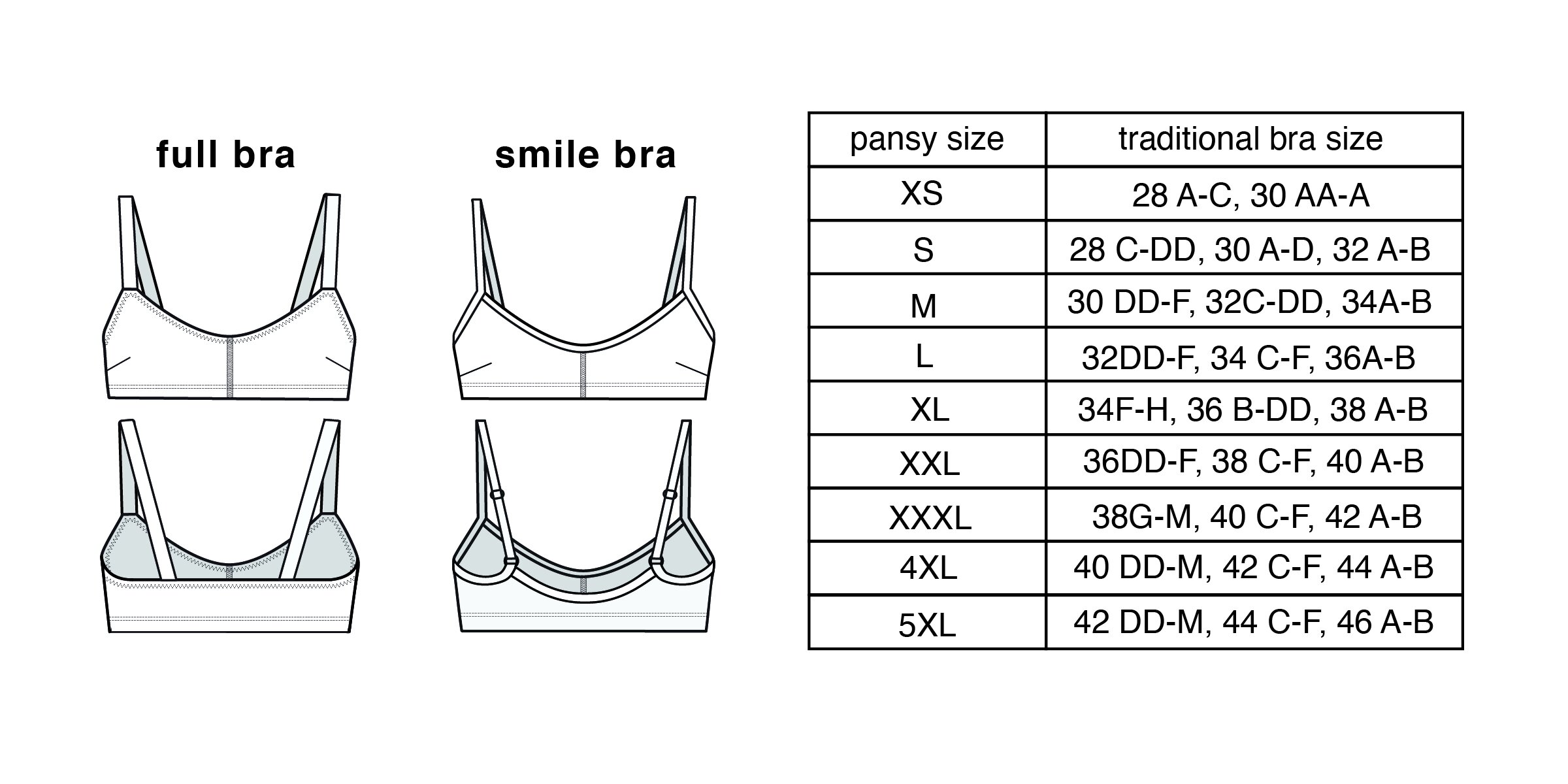
The primary confusion surrounding the label "2X" stems from the fundamental difference between letter-based sizing (S, M, L, XL, 2X) and traditional bra sizing (34C, 36D, etc.). Traditional sizing is designed to be mathematically precise: the band number represents the measurement around the ribcage, while the letter represents the volume of the breast tissue relative to that band.
In contrast, "2X" is a categorization used primarily in the ready-to-wear apparel industry. Manufacturers of "leisure" or "lounge" bras often adopt this system to simplify inventory and production. Because these garments are usually constructed from high-elastane (spandex) fabrics, they are intended to stretch to fit multiple body types. When a brand labels a bra as 2X, they are projecting a median fit for a person who wears a size 20–22 in standard clothing. However, because body density, cup volume, and ribcage shape vary, the "2X" label acts as an approximation rather than a technical specification.
Translating 2X to Standard Bra Measurements
If you are accustomed to wearing structured bras with underwires and hook-and-eye closures, transitioning to a 2X garment requires adjusting your expectations. There is no global ISO standard for what a 2X bra represents. One brand’s 2X might be designed for a 40DD, while another brand’s 2X might be built for a 42D.
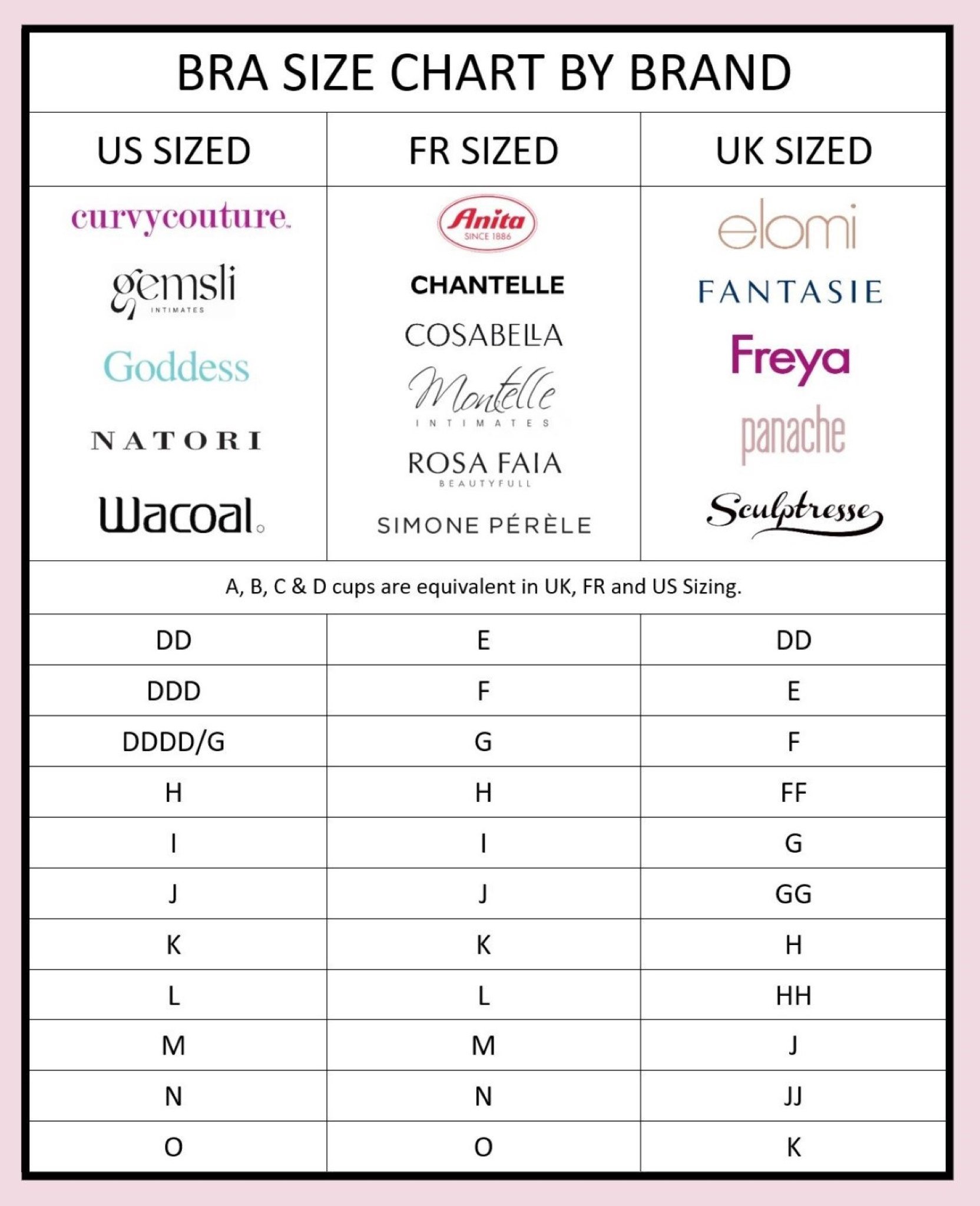
To determine if a 2X will fit you, it is essential to consult the specific size chart provided by the manufacturer. Most reputable retailers provide a measurement guide that translates their alphanumeric sizes into traditional numeric measurements.
| 2X Size Label | Common Band Size Equivalent | Likely Cup Range | Apparel Dress Size |
|---|---|---|---|
| Brand A | 40 – 42 | DD – DDD (E – F) | 20 – 22 |
| Brand B | 38 – 40 | D – DD | 18 – 20 |
| Brand C | 42 – 44 | DDD – G | 22 – 24 |
Note: These ranges are approximations. Always verify against the specific brand’s product page.
Why Fit Varies by Garment Type
The construction of a bra significantly alters how a 2X size performs. A 2X seamless, wire-free bralette will behave differently than a 2X high-impact sports bra.
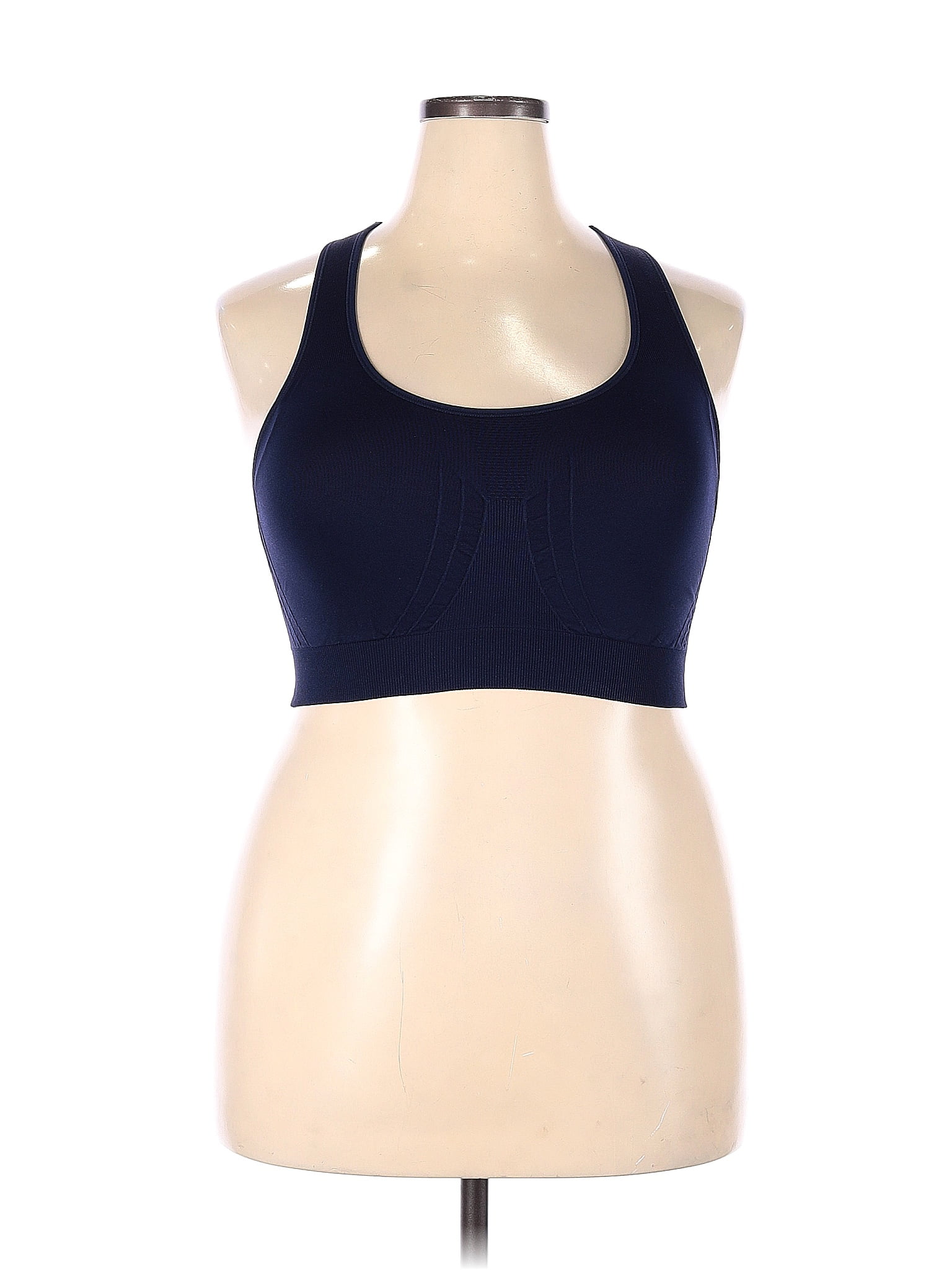
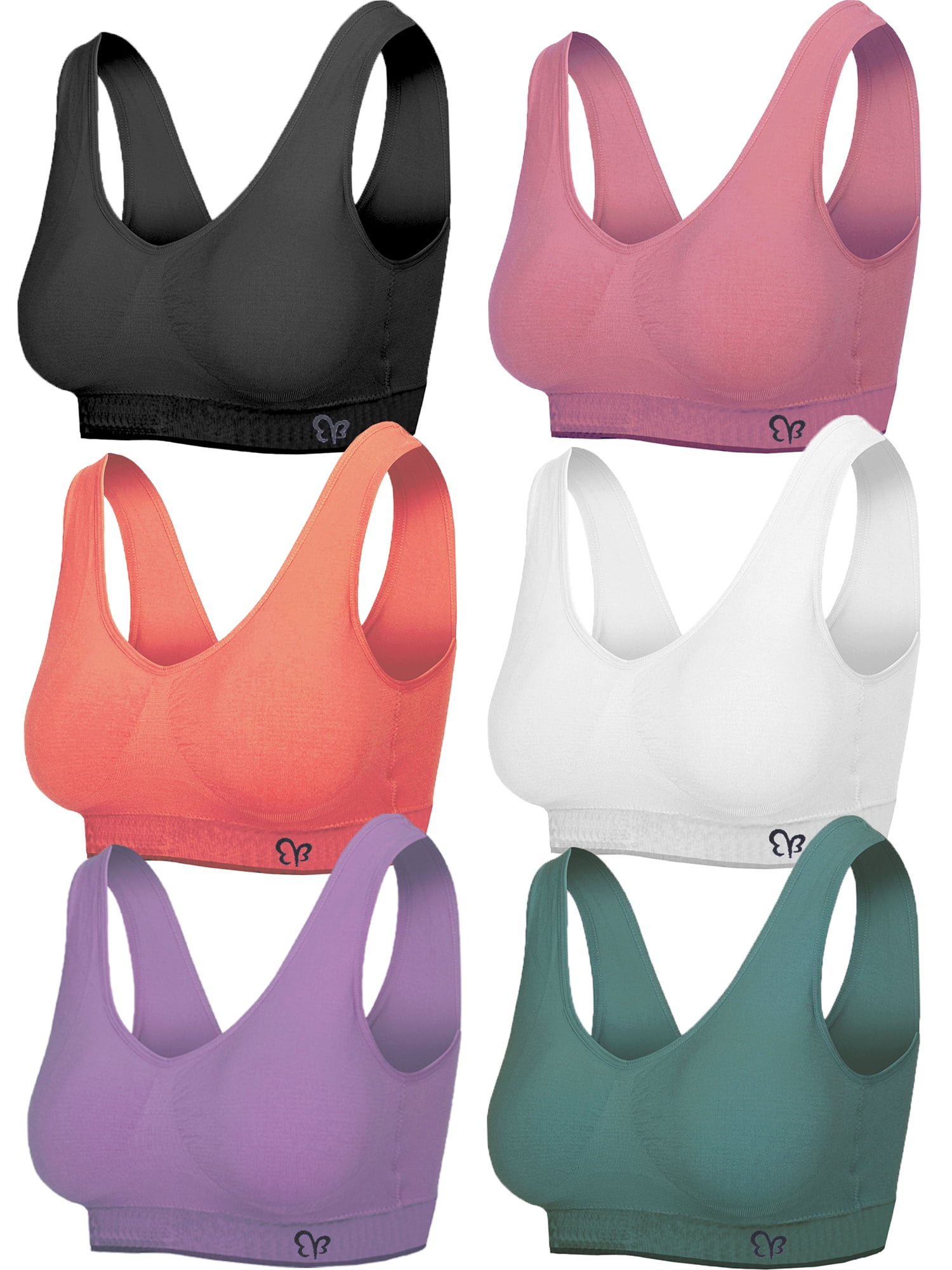
- Seamless Bralettes: These garments rely on tension. If the bra is meant to be a 2X, it is sized for a larger frame, but the fabric’s elasticity is what dictates support. If your ribcage is smaller than the 2X band design, you may find the bra provides insufficient lift.
- Compression Sports Bras: A 2X in a compression style is engineered to flatten and hold. Because these items lack individual cups, they do not accommodate "cup volume" as well as traditional bras. If you have a larger cup size but a smaller band, a 2X compression bra might compress the breasts painfully while feeling loose around the ribs.
- Molded Cup Lounge Bras: Some 2X bras include light padding or molded cups. This is where sizing becomes most difficult. If the molded cup is too small, the fabric will "spill" regardless of whether the band size is correct.
Prerequisites for Finding Your Size
Before purchasing a bra labeled 2X, perform a self-check of your measurements using a flexible fabric tape measure. Even if you are a "regular" shopper of specific sizes, brands change their "fit models" frequently, and your own measurements can fluctuate due to weight change, hormonal cycles, or weight distribution changes.
- Band Measurement: Measure snugly around your ribcage, directly under your bust. Ensure the tape is parallel to the floor.
- Bust Measurement: Measure across the fullest part of your bust.
- Compare: Subtract the band measurement from the bust measurement. Every inch of difference equates to one cup size. If this calculation does not align with the brand’s 2X chart, the garment will likely not fit comfortably.
Common Pitfalls and Troubleshooting
A frequent mistake consumers make is assuming that because they wear a 2X shirt, they automatically wear a 2X bra. Bra sizing is more sensitive to volume than shirt sizing. If you purchase a 2X bra and find it uncomfortable, troubleshoot the following areas:
- The "Uniboob" Effect: If your breasts are being pushed together into a single mass, the cup capacity of the 2X bra is likely too small, forcing your tissue to migrate to the center.
- Riding Up: If the back band rides up toward your shoulder blades, the band is too large for your ribcage. You may need to size down to an XL or choose a brand that offers "full figure" sizing instead of generic 2X labels.
- Shoulder Digging: If the straps are digging into your shoulders, the band is likely too loose, forcing the straps to carry the weight that the band should be supporting.
Selecting the Right Bra for Your Needs
When you are moving between standardized cup-and-band bras and generalized sizes like 2X, prioritize the garment's intended function. If you require high support for exercise, a 2X generic size is rarely a substitute for a sized-by-cup sports bra. If you are seeking comfort for home wear or light activity, the flexibility of a 2X bralette is an advantage, as it allows for the slight fluctuations in breast tissue size that occur throughout the month.
If you find yourself between sizes, always opt for the size that accommodates your band measurement first. A band that is too tight can cause bruising and restrict breathing, while a band that is slightly loose can be mitigated with internal padding or adjusted straps.
Frequently Asked Questions
Does a 2X bra mean the same thing as a 40DD? Not necessarily. While a 2X can cover the 40DD range, it is not a direct translation. A 40DD is a precise measurement, whereas a 2X is a range-based size. A 2X garment may accommodate 40D, 40DD, and even 42D depending on the stretch of the fabric.
Why do some brands skip 2X and use XL or 3X instead? Size labeling is proprietary. Some brands define their sizing tiers differently, using "Plus" (1X, 2X, 3X) to group sizes. A brand that uses a 3-tier plus system might define a 2X differently than a brand that uses a 5-tier system (S to 3X). Always check the specific size guide on the product page.
Can I convert my cup size to a 2X? You cannot directly convert cup sizes to 2X. If you know you are a specific cup size, it is more reliable to buy bras that use that sizing system. 2X is a convenience size, not a precision size, and is generally not recommended for individuals who need specific support for larger cup volumes.
What should I do if my measurements fall between a 1X and a 2X? Check the fabric composition. If the bra contains a high percentage of spandex or elastane (over 10%), it will have more "give." If you prefer a tighter, more secure fit, size down to the 1X. If you prefer comfort and breathability, choose the 2X.
Are 2X bras adjustable? Some are, but many are "pull-on" styles without hooks. Before purchasing, verify if the 2X garment has adjustable straps or multiple hook-and-eye settings. Adjustability is the most effective way to compensate for the lack of precision in 2X sizing.
Final Next Action
To ensure a successful purchase, visit the manufacturer’s official website and locate their "Fit Guide" or "Size Chart." Do not rely on third-party retailer charts, as these are often generic. Compare your underbust and full-bust measurements against their specific data table. If your measurements fall on the upper boundary of the 1X or the lower boundary of the 2X, choose based on your preference for compression versus coverage. If you are shopping for a high-impact activity, prioritize purchasing bras sized by cup and band rather than general apparel sizes to ensure adequate support and prevent long-term discomfort.
Image Gallery