What Is a Bathhouse in Japan? Sento vs. Onsen, Etiquette, and Visitor Guide
A bathhouse in Japan is a public facility equipped with communal hot tubs designed for deep soaking, physical cleansing, and community relaxation. Rooted in centuries of history, Japanese bathhouses fall into two primary categories: se...
A bathhouse in Japan is a public facility equipped with communal hot tubs designed for deep soaking, physical cleansing, and community relaxation. Rooted in centuries of history, Japanese bathhouses fall into two primary categories: sento (neighborhood public bathhouses filled with heated tap water) and onsen (hot spring bathhouses fed by geothermal water rich in natural minerals).
Contents
Bathing in Japan is not merely an act of personal hygiene; it is a ritualized daily practice that plays a vital role in physical well-being, stress relief, and social bonding. Whether visiting an ancient wooden bathhouse in rural Japan or a multi-story modern relaxation complex in central Tokyo, understanding how bathhouses operate, their cultural significance, and the unwritten rules of bathing etiquette ensures a seamless and comfortable experience.
Understanding Japanese Bathhouse Culture: Sento vs. Onsen
While international visitors often use the terms interchangeably, Japanese public bathhouses are distinct entities governed by separate national laws, water sources, and municipal purposes. Distinguishing between a traditional sento, a natural onsen, and a modern super sento is the first step toward navigating Japanese bathhouse culture.
1. Sento (Traditional Public Bathhouses)
A sento (銭湯) is a neighborhood bathhouse historically established to provide daily sanitation for local residents whose home dwellings lacked private indoor bathtubs. Governed by Japan's Public Bath House Act (Kōshū Yokujō Hō), official sento are regulated by local prefectural governments, which set standardized entry prices to keep bathing affordable for all community members.
- Water Source: Sento typically use clean municipal tap water or local well water that is artificially heated using gas burners, electric boilers, or traditional wood fuel. Some modern sento infuse their water with herbal extracts, artificial minerals, or carbon dioxide, but the water originates from non-geothermal sources.
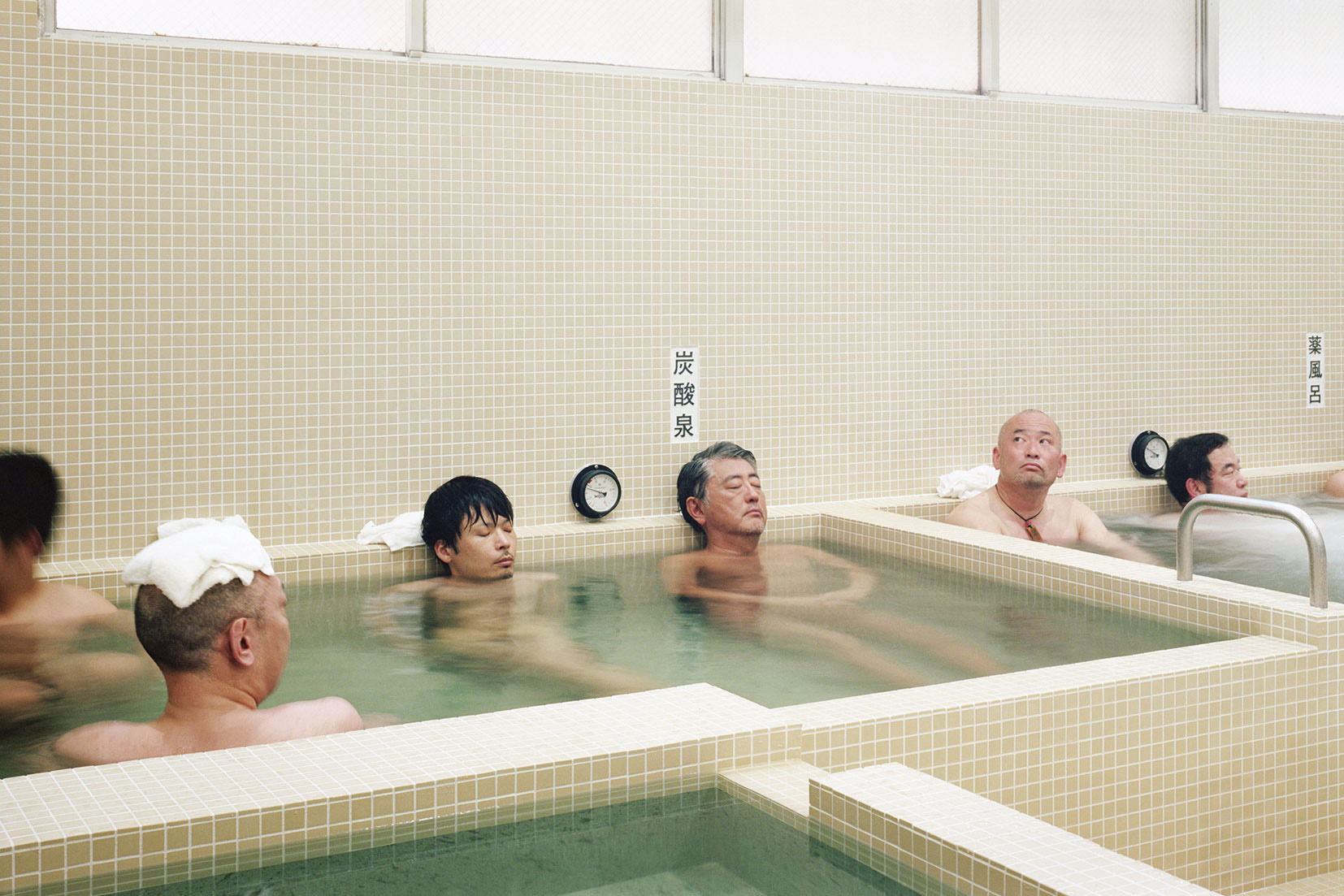
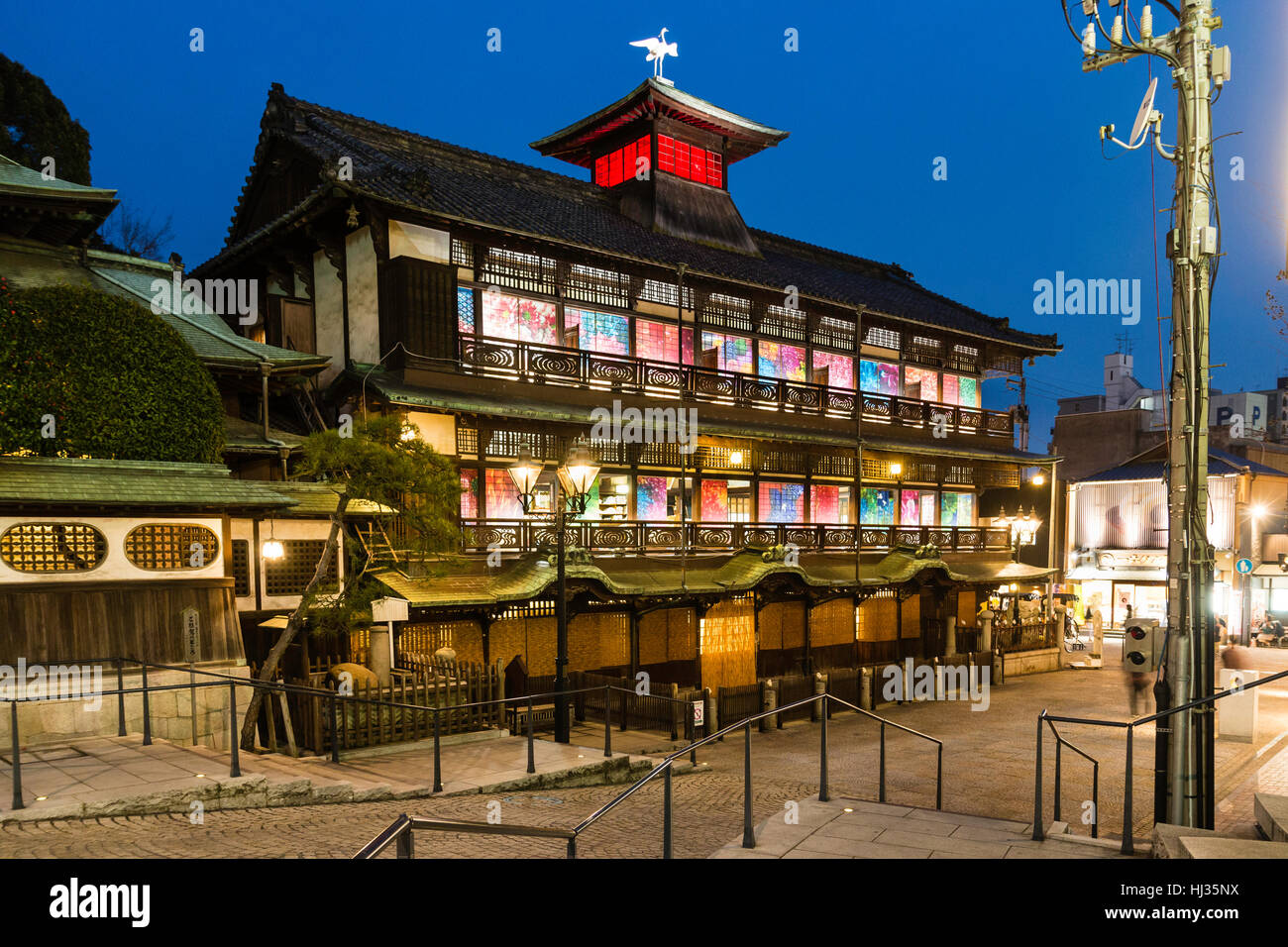
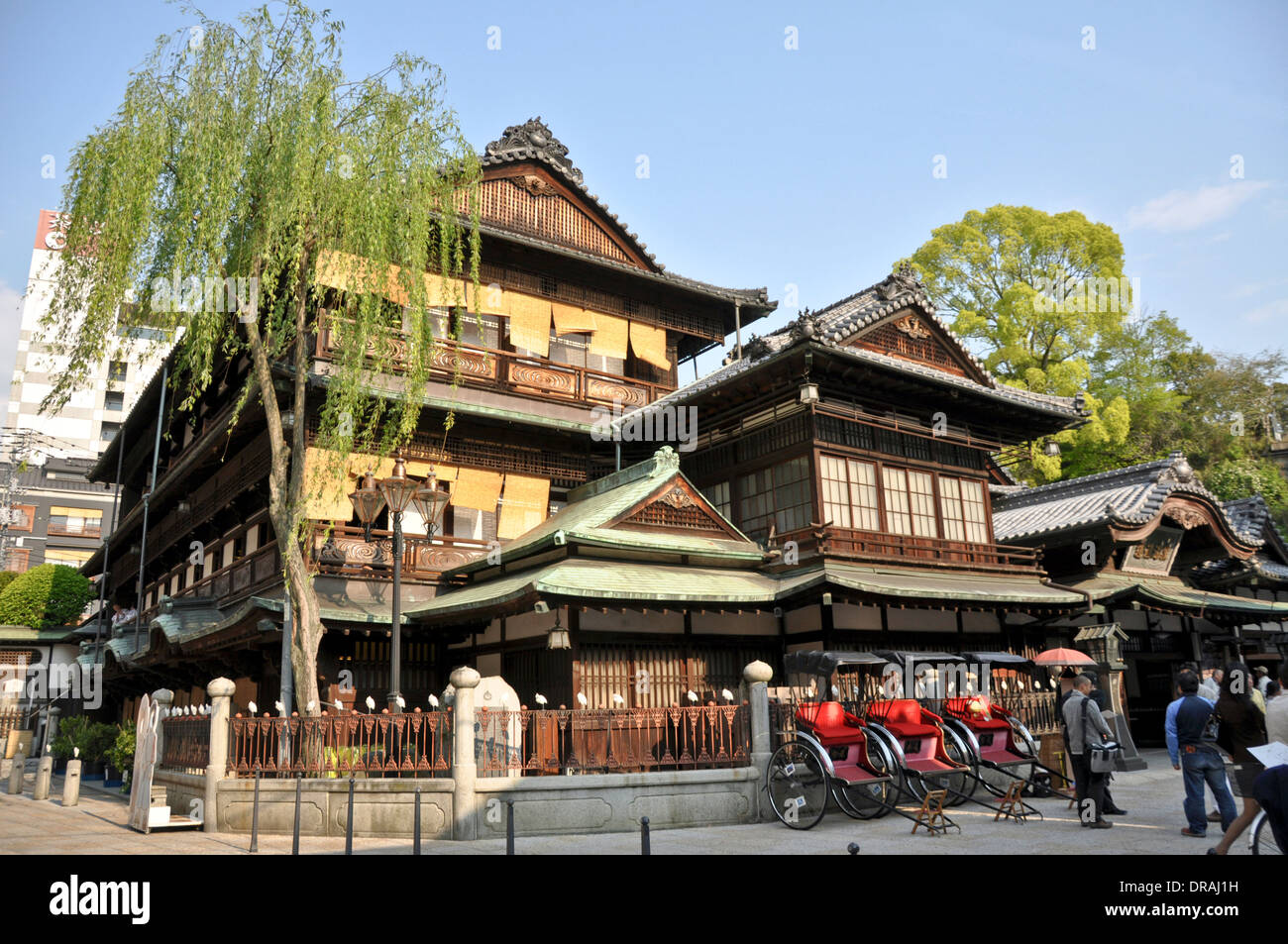
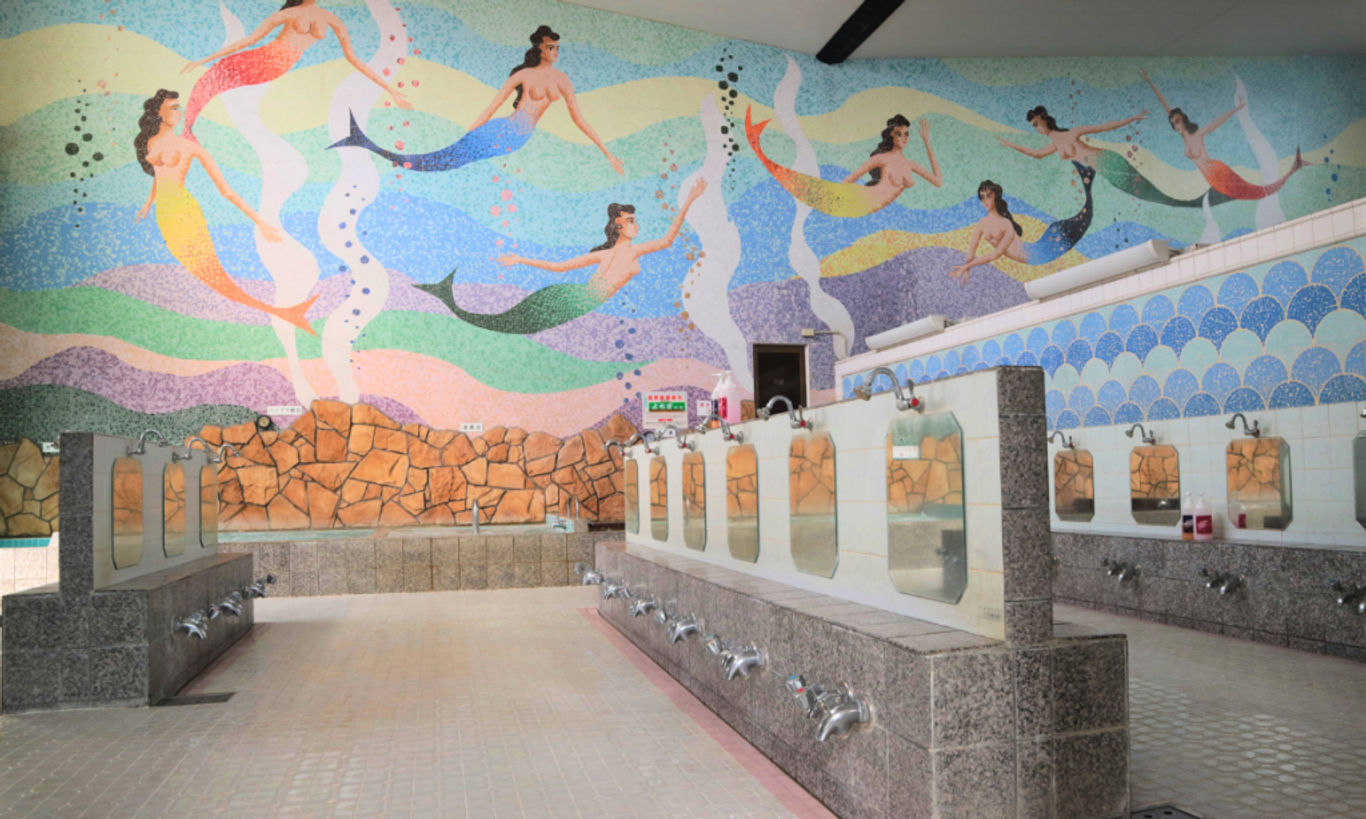
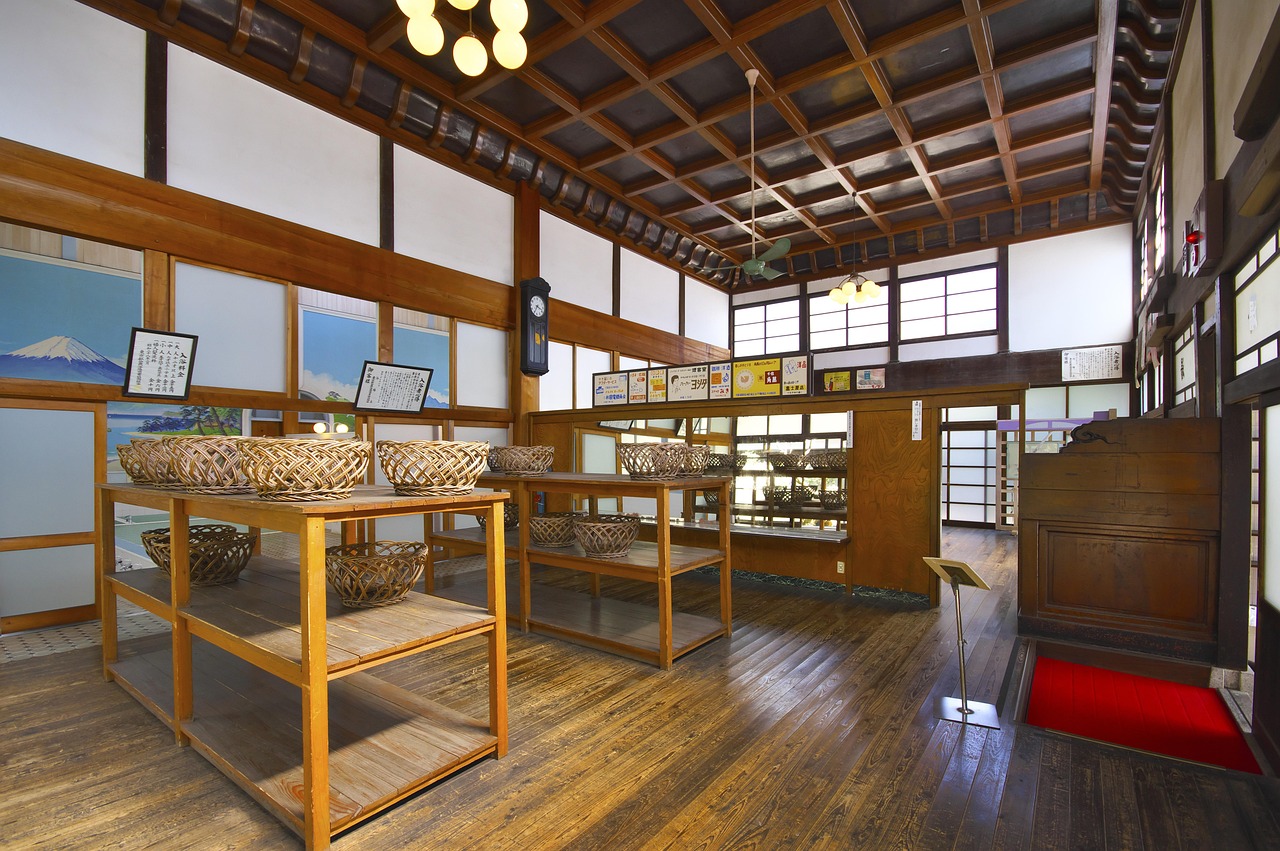
- Architecture and Design: Classic sento often display Miya-zukuri (shrine-style) exterior architecture featuring tiled roofs and grand wooden gables. Inside, the main bathing hall usually features a high vaulted ceiling with overhead skylights for ventilation. A signature feature of traditional sento is a large, hand-painted mural on the rear wall of the bathing area—most famously depicting Mount Fuji, coastal landscapes, or pine forests.
- Cultural Purpose: Sento function as essential neighborhood hubs where locals of all generations gather, converse, and unwind.
2. Onsen (Geothermal Hot Springs)
An onsen (温泉) is a hot spring bathhouse defined and regulated by Japan's Hot Springs Act (Onsen Hō). To legally qualify as an onsen, the water coming out of the ground must naturally register a temperature of at least 25°C (77°F) at the source or contain specific concentrations of defined minerals, such as sulfur, iron, sodium, or hydrogen carbonate.
- Water Source: Geothermal water pumped directly from volcanic or deep subsurface springs. Because the mineral composition varies significantly across different regions of Japan, different onsen offer unique skin-softening, therapeutic, or aromatic properties.
- Facilities and Settings: Onsen range from basic open-air river pools (rotenburo) to luxury hot spring inns (ryokan) and large resort facilities. Many onsen offer scenic views of mountains, ocean coastlines, or Japanese gardens.
- Health and Medical Focus: In Japan, thermal spring bathing (tōji) has centuries of documented history as a therapeutic practice for relieving joint pain, muscular tension, skin conditions, and fatigue.
3. Super Sento (Modern Leisure Complexes)
A super sento (スーパー銭湯) is a modern, private commercial bath complex that combines public bathing with spa entertainment, dining, and wellness facilities. Unlike traditional municipal sento, super sento operate outside standardized price controls and charge higher admission fees.
- Amenities: Super sento feature dozens of specialized baths, including jet tubs (jacuzzi), micro-bubble baths (silk baths), cold plunge pools (mizuburo), dry and steam saunas, infrared bedrock baths (ganbanyoku), massage services, full-service restaurants, and quiet relaxation lounges equipped with recliners and manga libraries.
- Water Source: Super sento may use heated municipal water, imported thermal mineral water, or on-site geothermal wells.
Step-by-Step Rules and Etiquette for Bathing in Japan
Public bathing in Japan operates on strict cultural norms centered on communal respect and pristine cleanliness. Because bathers soak in shared water without swimsuits, adhering to standard etiquette ensures a hygienic environment for everyone.
- Entry & Footwear: Remove shoes at entrance; store in shoe locker.
- Check-in & Ticket: Pay at reception or purchase entrance ticket at kiosk.
- Changing Room: Enter designated section (男/女); disrobe completely.
- Washing Station: Wash and rinse thoroughly BEFORE entering bath tubs.
- Communal Bath: Soak quietly; keep washcloth out of the bath water.
- Exit & Drying: Wipe excess water off body before returning to lockers.
Step 1: Entering the Facility and Removing Footwear
Upon stepping into the lobby of a bathhouse, you must immediately remove your outdoor shoes at the entrance area (genkan). Place your shoes inside a shoe locker (getabako), lock it, and keep the wooden key token with you.
Purchase an entrance ticket at the automated vending machine (juhan-ki) or proceed directly to the front counter (uketsuke or bandai). If you do not have your own bathing supplies, you can rent or buy small washcloths, bath towels, soap, and shampoo at the counter.
Step 2: Entering the Changing Room (Datsuijo)
Separate entrances lead to the men's and women's bathing areas, clearly marked by hanging fabric curtains (noren):
- Blue curtains labeled with the character 男 (Otoko) designate the men's section.
- Red or pink curtains labeled with the character 女 (Onna) designate the women's section.
Inside the dressing room, choose an open clothes basket or locker. You must remove all clothing, including underwear. Swimsuits, shorts, and sandals are strictly prohibited in standard Japanese public baths. Place all clothing, jewelry, watches, and large towels into your designated locker and lock it.
Step 3: Washing Thoroughly Before Soaking
Carry only your small modesty washcloth (tenugui) into the main bathing room. Never step directly into a soaking tub without washing your body first. The bath tubs are meant exclusively for clean bodies to soak and relax; they are not for washing off dirt or sweat.
- Take a seat on a small plastic stool at one of the personal washing stations (karaiba). Washing while standing spreads soap suds onto nearby bathers and into the pools.
- Turn on the shower spray or fill a small basin with warm water.
- Use body soap, shampoo, and a washcloth to thoroughly scrub your entire body and hair.
- Completely rinse off all soap and shampoo suds from your skin and stool before standing up.
Step 4: Soaking in the Communal Baths
Once completely rinsed, walk slowly into the soaking bath of your choice. Be mindful of wet, slippery tile floors.
- Towel Etiquette: Do not submerge your washcloth in the bathwater. Place the folded damp cloth on top of your head, set it on a dry edge of the tub, or leave it nearby. If your washcloth accidentally drops into the water, wring it out strictly outside the tub.
- Hair Management: If you have long hair, tie it up securely with a hair band or wrap it in a towel to prevent hair from floating in the communal water.
- Behavior: Keep your voice low and avoid splashing, swimming, diving, or ducking your head under the water. The bathhouse is a quiet sanctuary for relaxation.
Step 5: Drying Off and Exiting
When you finish soaking, step out of the bath and head toward the shower area if you wish to rinse off, though leaving mineral-rich onsen water on your skin is often preferred for therapeutic benefits.
Before stepping from the wet bathing room back onto the woven mats or wooden floor of the changing room, use your small washcloth to wipe off excess water from your body. This prevents the changing room floor from becoming wet and slippery. Once back at your locker, dry off completely with your large bath towel before putting on your clothes.
Tattoos and Accessibility in Japanese Bathhouses
One of the most frequent concerns for international travelers visiting Japan is whether tattoos are permitted in public bathhouses.
| Facility Type | Typical Tattoo Policy | Common Exceptions & Options |
|---|---|---|
| Municipal Sento | Generally Allowed | Governed by public access laws. |
| Commercial Onsen | Restricted / Banned | Allowed in private rentals. |
| Super Sento | Strictly Banned | Small covers permitted at some. |
| Private Baths | Always Allowed | Family baths (Kashikiri-furo). |
The Origin of Tattoo Restrictions
Historically, body art in Japan was associated with organized crime syndicates (yakuza). To make general bathers feel safe and secure, commercial spas, onsen resorts, and fitness clubs established strict blanket bans on visible tattoos. While social attitudes among younger generations are evolving, many traditional bathhouse operators maintain conservative policies.
Sento vs. Onsen Tattoo Rules
- Traditional Municipal Sento: Because traditional sento are legally designated as essential public sanitation facilities under the Public Bath House Act, many municipal sento—especially in major cities like Tokyo and Osaka—allow bathers with tattoos of any size.
- Commercial Onsen and Super Sento: Private operators reserve the right to establish their own rules. The majority of large super sento and luxury onsen resorts maintain strict anti-tattoo policies.
Practical Solutions for Tattooed Travelers
If you have tattoos and wish to experience Japanese bathhouse culture:
- Use Waterproof Covers: If your tattoos are small, cover them completely with skin-toned waterproof adhesive patches or tape before entering the dressing room.
- Rent a Private Bath (Kashikiri-furo or Kazoku-buro): Many hot spring inns (ryokan) and onsen complexes offer private baths available for hourly rental. In a private bath, guests can bathe exclusively with family or partners without entering public areas.
- Seek Out Certified Tattoo-Friendly Facilities: Destinations such as Kinosaki Onsen in Hyogo Prefecture welcome tattooed bathers across all their public municipal hot springs. Additionally, municipal travel directories explicitly highlight tattoo-welcoming sento and onsen.
Comprehensive Comparison: Sento, Onsen, and Super Sento
The following table summarizes the core operational differences, cost structures, and characteristics of Japan’s primary bathhouse categories:
| Feature | Sento (Traditional) | Onsen (Geothermal) | Super Sento (Modern Spa) |
|---|---|---|---|
| Water Source | Heated tap water or local well water | Naturally heated geothermal spring water | Heated tap water, artificial minerals, or deep wells |
| Governing Law | Public Bath House Act (Kōshū Yokujō Hō) | Hot Springs Act (Onsen Hō) | Commercial Entertainment & Hygiene Laws |
| Average Cost (JPY) | ¥500 – ¥600 (Fixed municipal rates) | ¥800 – ¥3,000+ (Varies by resort/inn) | ¥1,000 – ¥2,500+ (Includes facility access) |
| Tattoo Acceptance | Commonly permitted at public neighborhood spots | Often restricted in shared public pools | Usually strictly prohibited in public pools |
| Primary Atmosphere | Retro, functional, community-centered | Scenic, tranquil, traditional Japanese resort | Modern, resort-style, full-day entertainment |
| Typical Amenities | Soap/towels available for small extra fee | Hairdryers, high-end toiletries, tea lounges | Saunas, bedrock baths, restaurants, recliners |
| Key Architecture | High ceilings, Mount Fuji wall murals | Open-air outdoor tubs (rotenburo), gardens | Modern multi-story health and leisure complexes |
Essential Japanese Bathhouse Vocabulary
Knowing basic Japanese terms helps you read signage, navigate facilities, and follow local guidelines effortlessly:
- Sento (銭湯): Traditional neighborhood public bathhouse.
- Onsen (温泉): Natural geothermal hot spring bathhouse.
- Rotenburo (露天風呂): Open-air outdoor hot spring bath.
- Noren (暖簾): Split fabric curtain hanging at entrances to mark men's and women's sections.
- Otoko-yu (男湯): Men’s bathing area (marked with blue curtains).
- Onna-yu (女湯): Women’s bathing area (marked with red or pink curtains).
- Bandai (番台): Traditional elevated reception counter positioned between the men's and women's entrances.
- Datsuijo (脱衣所): The dressing and locker room area where clothes are removed.
- Karaiba (洗い場): Individual washing stations equipped with low stools, mirrors, basins, and showers.
- Tenugui (手ぬぐい): Thin, fast-drying cotton washcloth used for washing the body and drying off.
- Kashikiri-furo (貸切風呂): Private reservable bath for families, couples, or individuals.
Costs, Equipment, and What to Bring
Average Admission Fees
- Standard Sento: Entry fees are price-controlled by regional governments. In Tokyo, for example, the official adult admission rate is set at approximately ¥550–¥580.
- Onsen Day-Use: Day-use hot spring entry ranges from ¥800 to ¥2,000, depending on the exclusivity, location, and scenic quality of the resort.
- Super Sento: Entry typically ranges from ¥1,200 to ¥2,500, which often includes access to lounging spaces, towels, and leisure areas.
What to Pack vs. Rent
Many traditional sento operate on a minimalist model where entry covers water access only. You can either bring your own supplies or rent/purchase items cheaply at the counter:
- Small Modesty Towel (Tenugui): Bring your own or buy one at the front desk for ¥100–¥200.
- Large Bath Towel: Bring your own or rent one for ¥150–¥300.
- Toiletries: Shampoo, conditioner, and body wash are often provided free in super sento and onsen, but traditional sento may charge a small fee (¥50–¥100) for single-use toiletries.
- Coins: Bring 100-yen coins for shoe lockers, clothes lockers, or post-bath vending machines (locker coins are usually refunded upon unlocking).
The Post-Bath Tradition: Drinking Milk
A popular cultural custom after exiting the bath is purchasing a bottle of cold milk from the changing room vending machine. Traditional bathhouses routinely stock fresh glass bottles of regular milk, fruit-flavored milk (gyūnyū), or coffee milk (kōhī gyūnyū), providing a refreshing end to a hot soak.
Frequently Asked Questions
Can you wear a swimsuit in a Japanese bathhouse?
No. Clothing and swimsuits are strictly prohibited in standard public bathhouses (sento and onsen) because fabric introduces laundry detergent residues and fibers into the shared water. Bathers soak completely nude. The only common exception is specialized mixed-gender outdoor water parks or theme park facilities (tobe-onsen) where swimsuits are explicitly mandated.
What should I do if my towel touches the bathwater?
If your modesty washcloth accidentally slips into the pool, lift it out immediately and wring the excess water out into the drainage gutters along the edge of the tub—never directly back into the communal pool.
Are men’s and women’s bath sections completely separate?
Yes. Modern Japanese public bathhouses feature completely separated facilities for men and women. The entrances are clearly marked with color-coded noren curtains (blue for men, red/pink for women). In some traditional ryokan or historic onsen villages, bath sections alternate between male and female visitors at designated times of the day to allow guests to experience different tub views.
How hot is the water in a Japanese bathhouse?
Japanese bathhouse water is kept deliberately hot to promote deep muscle relaxation and circulation. Standard sento tubs typically maintain temperatures between 40°C and 44°C (104°F to 111°F). Natural onsen temperatures vary depending on the spring source, though temperature-controlled pools usually range from 39°C to 42°C (102°F to 108°F).
Are children allowed in public bathhouses in Japan?
Yes, children of all ages are welcome in public bathhouses. Young children are generally permitted to enter the bath area of the opposite-gender parent up to an age limit set by local municipal health regulations (typically up to 6 or 7 years old, depending on the prefecture).
Practical Recommendations for First-Time Visitors
Visiting a bathhouse in Japan is one of the most authentic and relaxing cultural experiences available to travelers. To ensure a comfortable first visit:
- Start with a Hotel Onsen or Super Sento: If you feel self-conscious about public nudity, begin your journey at a hotel onsen or a modern super sento, where wide layouts, clear multilingual signage, and modern amenities offer a gentle introduction to bath etiquette.
- Follow the Locals: When entering the bathing room, observe the actions of local bathers. Take your time at the washing station, sit down while scrubbing, and double-check that all soap suds are rinsed off before stepping into the water.
- Pace Yourself: Do not stay in hot tubs too long on your first visit. Soak for 5 to 10 minutes at a time, step out to rest on a bench or cool down with cold water, and drink plenty of fluids before and after bathing to stay hydrated.
Image Gallery