Understanding the Workers’ Compensation Board Post-Traumatic Stress Disorder Guidelines
The Workers’ Compensation Board (WCB) guidelines for Post-Traumatic Stress Disorder (PTSD) establish the criteria for diagnosing, treating, and compensating workers who suffer psychological trauma due to workplace events. To qualify fo...
The Workers’ Compensation Board (WCB) guidelines for Post-Traumatic Stress Disorder (PTSD) establish the criteria for diagnosing, treating, and compensating workers who suffer psychological trauma due to workplace events. To qualify for benefits in 2026, a claimant must provide a formal diagnosis from a licensed psychologist or psychiatrist based on the current DSM criteria and demonstrate a clear causal link between a specific workplace incident—or series of incidents—and their mental health condition.
Contents
Post-Traumatic Stress Disorder has evolved from a misunderstood "invisible injury" into a strictly regulated clinical diagnosis within the workers' compensation system. As of 2026, the Workers’ Compensation Board has refined its Medical Treatment Guidelines (MTGs) to better address the nuances of psychological trauma. These guidelines serve as the blueprint for insurance carriers, healthcare providers, and legal representatives to determine whether a mental health claim is compensable and what level of care is medically necessary.
The Evolution of PTSD Claims in the WCB Framework
Historically, workers' compensation systems were designed for physical injuries—broken bones, lacerations, or occupational illnesses. Mental health claims, often categorized as "mental-mental" (where a mental stimulus causes a mental injury), faced significant legal hurdles. However, the WCB now recognizes that psychological injuries can be just as debilitating as physical ones.
Under current 2026 standards, the WCB distinguishes between general work-related stress and PTSD. While standard work stress (such as a poor performance review or a change in shifts) is generally not compensable, PTSD is viewed through a different lens. The guidelines require that the stressor causing the PTSD must be "extraordinary"—meaning it must exceed the typical stresses experienced in that specific line of work.
The primary challenge for many claimants is the "abnormal stress" standard. This requires proving that the traumatic event was not a foreseeable or routine part of the job. For example, a bank teller witnessing an armed robbery would likely meet this threshold, whereas a customer service representative dealing with an angry caller might not, unless the interaction involved a credible threat of death or serious injury.
Eligibility and the Presumptive Coverage Standard
One of the most significant developments in WCB guidelines is the expansion of presumptive coverage. This legal mechanism shifts the burden of proof from the employee to the employer or insurance carrier.
First Responders and Frontline Workers
In many jurisdictions, the 2026 WCB guidelines include a "presumption" for specific high-risk occupations. This typically includes:
- Police officers and sheriff’s deputies.
- Firefighters (both professional and volunteer).
- Emergency Medical Technicians (EMTs) and Paramedics.
- Correctional officers.
- Dispatchers and emergency 911 operators.
Under these rules, if a first responder is diagnosed with PTSD, the WCB presumes the condition was caused by their employment. The insurance carrier can only dispute the claim if they can provide clear evidence that the PTSD was caused by non-work-related factors, such as personal family trauma or pre-existing conditions unrelated to the job.
General Workforce Requirements
For employees outside of the first responder category, the "burden of proof" remains with the claimant. You must demonstrate that the PTSD resulted from a traumatic event occurring in the course of employment. This often involves witnessing a workplace fatality, being the victim of physical violence at work, or being exposed to immediate life-threatening danger.
Medical Documentation and Diagnostic Criteria
The WCB does not accept a self-diagnosis or a general note from a primary care physician as sufficient evidence for a PTSD claim. The 2026 guidelines mandate a rigorous diagnostic process.
The Role of the DSM-5-TR/DSM-6
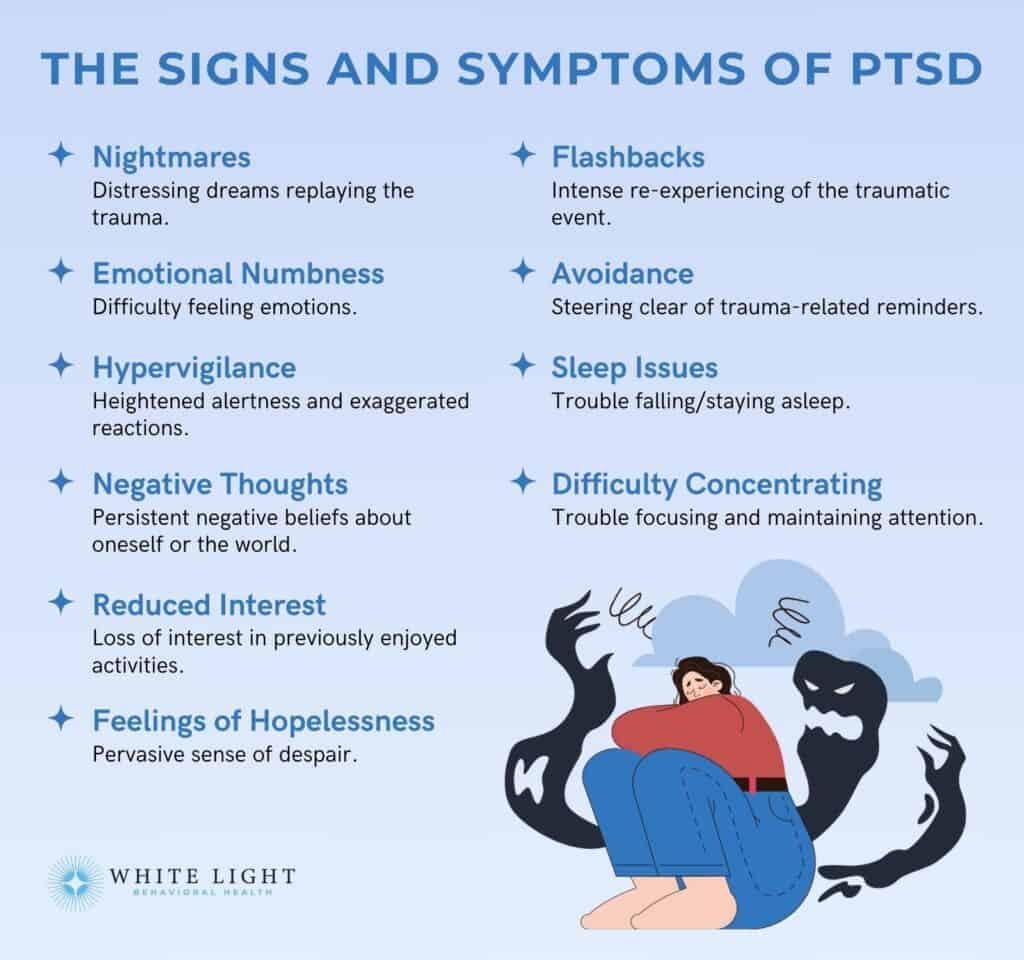
Diagnostics must align with the most recent version of the Diagnostic and Statistical Manual of Mental Disorders. A qualified provider must document that the patient meets the specific "Criteria A through H" for PTSD:
- Stressor (Criterion A): Exposure to death, threatened death, serious injury, or sexual violence.
- Intrusion Symptoms (Criterion B): Recurrent, involuntary memories, nightmares, or flashbacks.
- Avoidance (Criterion C): Persistent avoidance of stimuli associated with the trauma.
- Negative Alterations in Cognition/Mood (Criterion D): Inability to remember key aspects of the event or persistent negative emotional states.
- Alterations in Arousal/Reactivity (Criterion E): Irritability, hypervigilance, or exaggerated startle response.
Authorized Providers
Only specific medical professionals are authorized to provide a formal WCB diagnosis for PTSD. In most cases, this includes:
- Board-Certified Psychiatrists: MDs who can manage both therapy and medication.
- Licensed Psychologists: PhD or PsyD level clinicians who specialize in psychometric testing and cognitive-behavioral interventions.
- WCB-Authorized Social Workers: In some regions, Licensed Clinical Social Workers (LCSWs) can provide ongoing treatment, but the initial diagnosis often requires a higher-level clinical review.
The WCB PTSD Claims Process: Step-by-Step
Filing a claim for PTSD requires precision. Because insurance carriers often scrutinize mental health claims more than physical ones, following the procedural guidelines is essential.
- Immediate Reporting: Notify your employer about the traumatic event as soon as possible. While PTSD symptoms may not appear for weeks or months (delayed onset), reporting the underlying incident creates a paper trail.
- Seek Specialized Care: Consult a mental health professional who is familiar with WCB coding and reporting. The provider must file specific forms (such as the C-4 series in New York) that detail the "causal relationship" between the job and the diagnosis.
- File the Employee Claim Form: Submit the formal claim (often a C-3 form or local equivalent) to the WCB. In 2026, most boards prefer electronic filing through their secure portals to expedite processing.
- Independent Medical Examination (IME): Expect the insurance carrier to request an IME. This is an evaluation by a doctor hired by the insurance company. They will review your history and symptoms to determine if they agree with your treating physician’s diagnosis.
- Adjudication and Hearings: If the carrier disputes the claim, a Workers' Compensation Law Judge will review medical records and testimony to determine if the claim meets the legal definition of PTSD under the board's guidelines.
Comparison of PTSD Claim Requirements
The following table outlines the key differences in how the WCB evaluates PTSD claims based on worker classification and the nature of the trauma.
| Feature | First Responders (Presumptive) | General Employees (Standard) |
|---|---|---|
| Burden of Proof | Rests on the Insurance Carrier to disprove. | Rests on the Employee to prove. |
| Stressor Threshold | Assumed to be part of high-stress duties. | Must be "extraordinary" or "abnormal." |
| Medical Evidence | Diagnosis + evidence of employment. | Diagnosis + evidence of specific traumatic event. |
| Timeline for Filing | Often extended due to cumulative trauma. | Usually within 2 years of the incident. |
| Primary Treatment | EMDR, CBT, and specialized PTSD programs. | Standard psychiatric care and psychotherapy. |
Treatment Guidelines and Evidence-Based Care
Once a claim is established, the WCB Medical Treatment Guidelines dictate what care is covered. The goal is "functional restoration"—returning the worker to their pre-injury state or as close to it as possible.
Approved Modalities
The 2026 guidelines prioritize evidence-based therapies that have shown the highest success rates for PTSD:
- Cognitive Behavioral Therapy (CBT): Helping patients identify and change negative thought patterns.
- Eye Movement Desensitization and Reprocessing (EMDR): A specialized technique designed to help the brain reprocess traumatic memories.
- Prolonged Exposure (PE) Therapy: Gradually approaching trauma-related memories and situations.
- Pharmacotherapy: The use of SSRIs or other medications, monitored by a psychiatrist, to manage arousal and mood symptoms.
Limits on Care
The WCB often places "caps" on the number of initial therapy sessions. For instance, an initial authorization might cover 12 to 16 sessions. If the patient requires more care, the provider must submit a Medical Treatment Guideline Variance request, providing clinical evidence that the patient is making progress but requires additional time to reach maximum medical improvement (MMI).
Common Challenges in WCB PTSD Claims
Claimants often face "denial" for reasons that are unique to psychological injuries. One common reason is the "Pre-existing Condition" defense. If a worker had a history of anxiety or depression prior to the workplace event, the carrier may argue that the current PTSD is simply a continuation of prior issues.
To counter this, medical providers must perform a "differential diagnosis." This involves explaining how the workplace trauma created a new, distinct injury or significantly exacerbated a stable pre-existing condition to the point of disability.
Another challenge is the "Good Faith Personnel Action" exemption. WCB guidelines generally state that PTSD claims cannot be based on lawful actions taken by an employer, such as a disciplinary hearing, a demotion, or a termination, provided the employer acted in good faith.
Frequently Asked Questions
Can I claim PTSD if I wasn't physically injured?
Yes. WCB guidelines in 2026 allow for "mental-mental" claims where the injury is purely psychological. As long as you were exposed to a qualifying traumatic event and have a formal diagnosis, a physical injury is not a prerequisite for a PTSD claim.
What is the time limit for filing a PTSD claim with the WCB?
Generally, you must file a claim within two years of the traumatic event or within two years of when you knew (or should have known) that the PTSD was related to your work. However, some jurisdictions have extended these statutes for first responders due to the "delayed onset" nature of the condition.
Will the WCB pay for my lost wages if I can't work due to PTSD?
If your PTSD diagnosis results in a "temporary partial disability" or "total disability" that prevents you from performing your job duties, you are eligible for indemnity benefits. These typically cover two-thirds of your average weekly wage, up to a statutory maximum set by the board for 2026.
Does the WCB cover PTSD caused by cumulative stress over many years?
This is a complex area. Standard "stress" from a heavy workload is usually not covered. However, "cumulative trauma"—common in first responders who see multiple distressing events over a career—is increasingly recognized under the 2026 guidelines as a valid basis for a PTSD claim.
Can I choose my own doctor for PTSD treatment?
You can choose any doctor as long as they are WCB-authorized. If you see a provider who is not registered with the Workers' Compensation Board, the insurance carrier is not obligated to pay the bills, and their medical reports may not be admissible in your case.
Final Recommendations for Claimants
If you believe you are suffering from work-related PTSD, the most critical step is to secure an evaluation from a specialist who understands the Workers' Compensation Board Medical Treatment Guidelines. Accurate documentation of the "Criterion A" stressor and its direct impact on your ability to function is the cornerstone of a successful claim. Ensure that all symptoms are reported consistently to every provider, as discrepancies between your therapist's notes and the insurance company’s IME report are the most common cause of claim delays or denials.
Image Gallery