How Much Are LLC Taxes? Total Breakdown and Cost Guide
The total amount you pay in LLC taxes depends on your net income, tax classification, state of operation, and personal income tax bracket. Because a Limited Liability Company (LLC) is typically a pass-through entity, profits pass to yo...
The total amount you pay in LLC taxes depends on your net income, tax classification, state of operation, and personal income tax bracket. Because a Limited Liability Company (LLC) is typically a pass-through entity, profits pass to your personal return, where you will generally pay 15.3% in self-employment tax alongside federal income tax (10% to 37%) and state taxes (0% to 13.3%).
Contents
How LLC Taxation Works: Default Pass-Through Rules
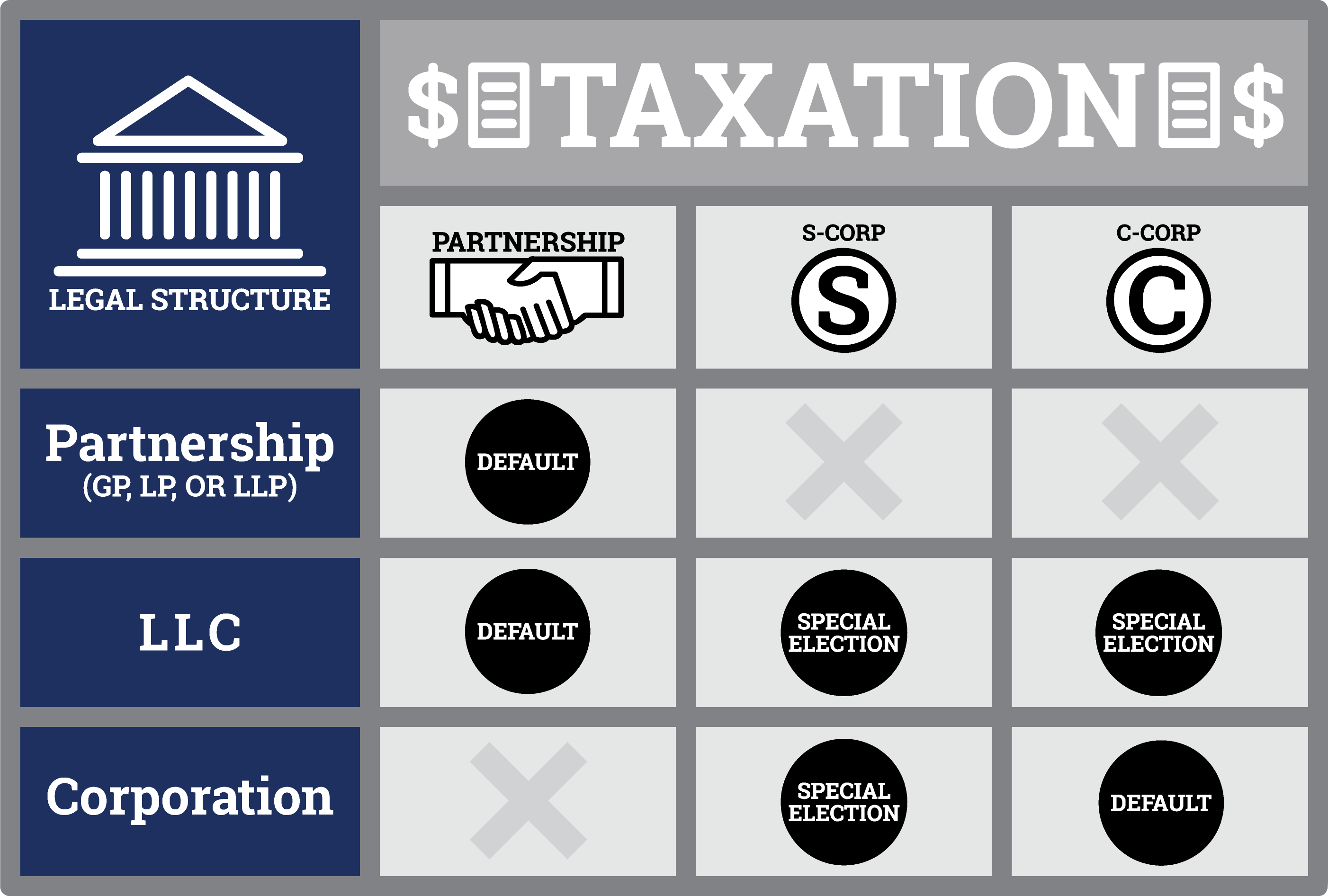
By default, the Internal Revenue Service (IRS) does not recognize a Limited Liability Company as a distinct tax classification. Instead, the IRS treats an LLC as a pass-through entity. Under this tax framework, the LLC itself does not pay federal income tax directly to the government. Instead, all profits, losses, deductions, and credits pass through the business structure to the individual owners (known as members), who report these figures on their personal tax returns.
The default tax classification of your LLC depends on the number of owners:
Single-Member LLCs (Disregarded Entities)
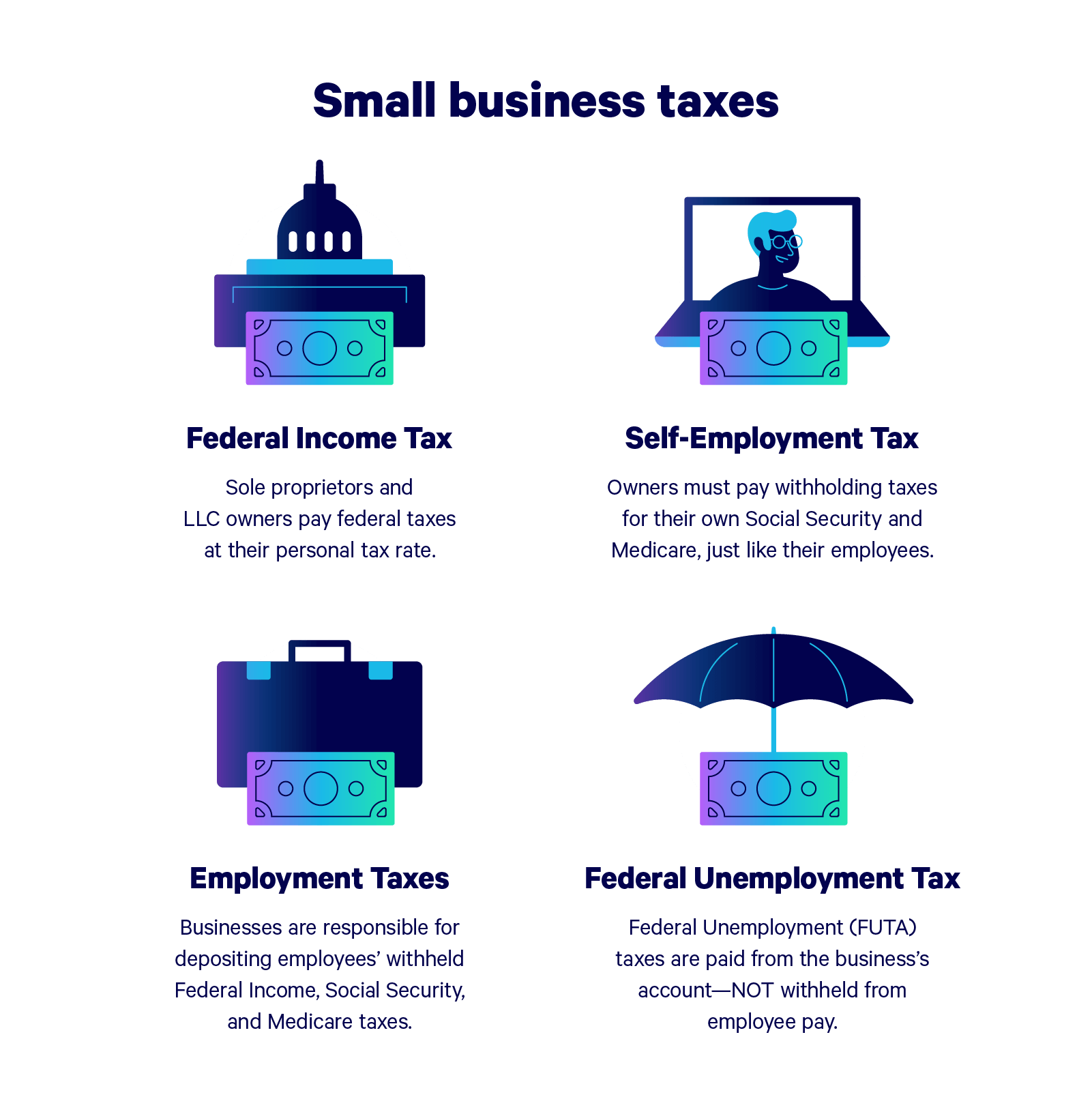
If your LLC has only one owner, the IRS treats it as a disregarded entity for income tax purposes. The business activity is reported directly on your individual federal return using IRS Schedule C (Form 1040).
- Profits are treated as personal income.
- Losses can often offset other personal income, subject to passive activity loss rules.
- The owner must pay estimated quarterly taxes using IRS Form 1040-ES.
Multi-Member LLCs (Partnerships)
If an LLC has two or more owners, the IRS automatically taxes it as a partnership.
- The LLC must file an informational return using IRS Form 1065.
- The business generates a Schedule K-1 for each partner, detailing their specific share of net income or losses.
- Each partner transcribes their Schedule K-1 information onto their personal Form 1040 (Schedule E).
Under both default classifications, LLC members are taxed on their share of net business profits regardless of whether those funds were actually withdrawn or kept in the business bank account.
The Core Components of LLC Tax Liabilities
Calculating your total LLC tax burden requires breaking down four distinct layers of taxation: federal self-employment tax, federal income tax, state income tax, and state franchise or filing fees.
Total LLC Tax Burden = Self-Employment Tax (15.3%) + Federal Income Tax (10%–37%) + State Income Tax (0%–13.3%) + State Annual Franchise Fees
1. Self-Employment Tax (15.3%)
Because active LLC members are considered self-employed rather than employees, business profits are subject to self-employment taxes under the Self-Employment Contributions Act (SECA). This tax funds Medicare and Social Security.
- Social Security: 12.4% levied on net self-employment earnings up to the annual statutory wage base threshold.
- Medicare: 2.9% levied on all net self-employment earnings without a cap.
- Additional Medicare Tax: An extra 0.9% applies to high earners whose single income exceeds $200,000 (or $250,000 for married couples filing jointly).
The IRS allows self-employed individuals to calculate self-employment tax on 92.35% of net profit, and you can deduct half of your self-employment tax total from your adjusted gross income (AGI) on Form 1040.
2. Federal Income Tax (10% to 37%)
After adjusting for self-employment tax deductions, deductions like the standard deduction, and itemized write-offs, your remaining taxable income is subject to standard progressive federal income tax brackets.
For single and joint filers, current federal income tax brackets range from 10% to 37%, depending on total household adjusted gross income.
3. State and Local Income Taxes
State-level tax obligations vary widely based on where your LLC is registered and where it conducts business (known as tax nexus):
- No-Income-Tax States: States like Wyoming, Nevada, Texas, Washington, Florida, Tennessee, South Dakota, and Alaska levy 0% state personal income tax.
- Flat or Graduated States: Most other states charge personal state income taxes ranging from roughly 2% to over 13% (such as California's top tax bracket).
4. State Franchise Taxes and Annual Fees
Independent of income tax, most states levy annual reporting fees or flat administrative franchise taxes simply for maintaining an active LLC within their corporate registry:
- California: Imposes an $800 minimum annual tax on LLCs, plus additional income-based fees if annual gross revenue exceeds $250,000.
- Delaware: Requires a flat annual franchise tax of $300 for LLCs.
- Texas: Assesses a franchise tax (Margin Tax), though businesses below the high annual revenue threshold (over $2 million) pay $0 in tax after filing an informational No Tax Due Report.
- New York: Charges an annual filing fee ranging from $25 to $4,500 based on gross income originating within the state.
Alternative Tax Elections: S-Corp vs. C-Corp
An LLC can choose to bypass default pass-through rules by filing an election with the IRS to be taxed as an S-Corporation or a C-Corporation.
- LLC Tax Structure
- Pass-Through (Default)
- Pay SE Tax on 100% Profits
- S-Corp (Form 2553)
- Pay SE Tax on Salary ONLY
- C-Corp (Form 8832)
- Pay Flat 21% Corporate Tax + Dividend Tax
- Pass-Through (Default)
S-Corporation Election (IRS Form 2553)
Taxing an LLC as an S-Corporation is one of the most effective strategies for reducing self-employment taxes once an LLC reaches a consistent level of profitability.
Under an S-Corp election:
- Owners working in the business are classified as employee-shareholders.
- The business must pay the owner a "reasonable salary" through formal payroll processes (W-2).
- Payroll taxes (15.3% split between employer and employee) are paid only on the reasonable salary portion.
- Remaining profits are distributed as owner distributions, which are exempt from self-employment taxes.
Example Comparison: If an LLC nets $100,000 in net profits:
- As a default LLC: The full $100,000 is subject to self-employment tax (~$14,130 net).
- As an S-Corp: If a reasonable salary is set at $60,000, self-employment/payroll taxes apply only to $60,000 (~$9,180). The remaining $40,000 in distributions is free from self-employment tax, saving roughly $4,950 annually.
C-Corporation Election (IRS Form 8832)
Electing C-Corporation tax status subjects the LLC to federal corporate income tax rules under Subchapter C of the Internal Revenue Code.
- Corporate Tax Rate: The LLC pays a flat federal corporate tax rate of 21% on all net corporate profits.
- Double Taxation: When residual earnings are paid out to owners as dividends, those dividends are taxed again on the owners' individual tax returns at capital gains tax rates (up to 20% plus NII tax).
- When to consider: C-Corp status is generally chosen by companies intending to retain profits within the business, reinvest heavily, or seek venture capital funding.
Comprehensive Tax Comparison Matrix
The table below illustrates how different revenue levels and tax classifications affect your total tax obligations (using estimated federal averages and assuming standard pass-through rules vs corporate elections).
| Annual Net LLC Profit | Pass-Through SE Tax (15.3%) | Est. Federal Income Tax | Total Federal Tax (Default LLC) | Est. S-Corp Savings Potential |
|---|---|---|---|---|
| $30,000 | ~$4,239 | ~$1,500 | ~$5,739 | Minimal (payroll overhead outweighs savings) |
| $75,000 | ~$10,597 | ~$6,800 | ~$17,397 | $2,000 - $3,500 |
| $150,000 | ~$21,195 | ~$22,000 | ~$43,195 | $5,000 - $8,000 |
| $300,000 | ~$27,000 (Wage base capped) | ~$58,000 | ~$85,000 | $8,000 - $12,000+ |
Note: Figures are estimates intended for comparative analysis. Actual tax burdens depend on personal filing status, state tax rates, and eligible itemized write-offs.
Deductions That Reduce LLC Taxes
To reduce your taxable net income, active business expenses can be deducted directly from your gross revenues. The IRS mandates that deductible expenses must be both "ordinary and necessary" for your trade or business under IRC Section 162.
Key deductions available to LLC owners include:
- Section 199A Qualified Business Income (QBI) Deduction: Allows eligible sole proprietors and pass-through LLC owners to deduct up to 20% of their net qualified business income from their federal personal income tax calculation, subject to income limitations and industry exclusions.
- Home Office Deduction: Calculated via either the simplified method ($5 per square foot up to 300 sq. ft., maximum $1,500) or actual expense allocation based on dedicated home office square footage.
- Business Use of Vehicle: Deductible using standard mileage rates or actual operational costs (fuel, repairs, depreciation, insurance).
- Self-Employed Health Insurance Deduction: LLC owners can deduct 100% of health, dental, and long-term care insurance premiums paid for themselves, their spouse, and dependents.
- Retirement Contributions: Contributions to specialized self-employed retirement accounts—such as a Solo 401(k), SEP IRA, or SIMPLE IRA—reduce taxable net personal income significantly.
State-Specific LLC Franchise Taxes and Fees
Beyond personal income taxes, state filing fees directly impact the baseline cost of maintaining an LLC:
State Baseline Expenses (Annual Examples):
- California: $800 Minimum Annual Franchise Tax
- Delaware: $300 Flat Annual Franchise Fee
- New York: $25–$4,500 Based on Gross State Revenues
- Texas: $0 Tax (Below Revenue Thresholds, Filing Required)
- Florida: $138.75 Annual Report Fee
Pass-Through Entity Tax (PTET) Workaround
To help small business owners handle the $10,000 federal cap on State and Local Tax (SALT) deductions, over 30 states allow LLCs to opt into an elective Pass-Through Entity Tax (PTET).
Under PTET regulations, the LLC pays state income tax directly at the entity level. The business deducts this payment on its federal income tax return, effectively reducing the net federal taxable income that passes through to the business owners.
Step-by-Step Method to Estimate Your LLC Tax Obligation
Follow this step-by-step process to project your quarterly and annual tax bills accurately:
- Calculate Gross Annual Revenue: Sum all incoming revenue earned through business operations.
- Subtract Allowable Business Expenses: Deduct operating costs, software subscriptions, contractor payments, marketing, travel, and legal fees to determine Net Business Income.
- Calculate Self-Employment Tax: Multiply Net Business Income by 92.35%, then apply the 15.3% SE tax rate (applying the Social Security cap where applicable).
- Determine Adjusted Personal Income: Subtract 50% of your calculated self-employment tax from your total income, alongside QBI deductions and standard personal deductions.
- Calculate Federal & State Personal Income Taxes: Apply standard tax brackets to your remaining net taxable income figure.
- Add Annual State Administrative Fees: Include fixed state franchise taxes, annual filing fees, or municipal business licensing taxes.
- Divide by 4 for Quarterly Estimates: Divide your total projected annual tax burden by four to determine your mandatory estimated tax payment schedule due in April, June, September, and January.
Frequently Asked Questions
Does an LLC save you money on taxes compared to a sole proprietorship?
No. By default, a single-member LLC is taxed identically to a sole proprietorship. Both file a Schedule C attached to Form 1040 and are subject to the same self-employment and personal income tax rates. The primary purpose of an LLC is to provide legal personal asset liability protection, not automatic income tax savings.
How much should I set aside from my revenue for LLC taxes?
A good rule of thumb for self-employed LLC owners is to reserve 30% to 35% of net profit in a dedicated business tax savings account. This safely covers federal self-employment tax (15.3%), federal income taxes, and state income taxes for most income brackets.
When are estimated taxes due for an LLC?
Quarterly estimated tax payments are due to the IRS four times per tax year:
- Q1 (Jan 1 – Mar 31): Due April 15
- Q2 (Apr 1 – May 31): Due June 15
- Q3 (Jun 1 – Aug 31): Due September 15
- Q4 (Sep 1 – Dec 31): Due January 15 of the following year
If a deadline falls on a weekend or legal federal holiday, the due date shifts to the next business day.
Do I pay taxes if my LLC makes no money or operates at a loss?
You will not owe federal or state income taxes if your LLC has no net profit. However, net operating losses can often be carried forward or offset other household personal income. Keep in mind that some states mandate minimum annual franchise fees (such as California's $800 annual fee) regardless of revenue or profitability.
What is the penalty for failing to pay estimated LLC taxes on time?
The IRS assesses an underpayment penalty if you fail to pay sufficient estimated taxes throughout the year. The penalty is calculated as an interest charge on the underpaid amount for the period it remained unpaid. You can avoid penalties by meeting safe-harbor guidelines—paying at least 90% of your current year's total tax liability or 100% of your previous year's total tax liability (110% for high earners).
Actionable Recommendations for LLC Owners
Managing LLC tax obligations effectively requires structured habits and strategic planning. To ensure accuracy and minimize your tax burden:
- Separate Business and Personal Finances Immediately: Maintain dedicated business bank accounts and credit cards to simplify bookkeeping and build audit-proof records.
- Track Expenses Year-Round: Use accounting software (such as QuickBooks, Xero, or Wave) to record and categorize every business expense as it occurs.
- Evaluate S-Corp Status Annually: Once your net earnings reach $60,000 to $80,000 per member, consult a Certified Public Accountant (CPA) to evaluate whether filing an S-Corp election (Form 2553) will yield net tax savings after accounting for payroll management costs.
- Consult a Qualified CPA or EA: Tax law changes frequently, and state-level nuances can impact your bottom line. Work with a qualified tax professional to optimize your deduction strategy and stay compliant.
Disclaimer: This article is for informational purposes only and does not constitute formal tax, legal, or accounting advice. Tax laws change frequently and vary by jurisdiction. Consult a licensed Certified Public Accountant (CPA) or tax attorney regarding your specific situation.
Image Gallery