Who Wrote the Original Wicked Book? Exploring Gregory Maguire’s Literary Masterpiece
The original novel Wicked: The Life and Times of the Wicked Witch of the West was written by American author Gregory Maguire and published in 1995. This revisionist fantasy novel serves as a political and psychological re-imagining of...
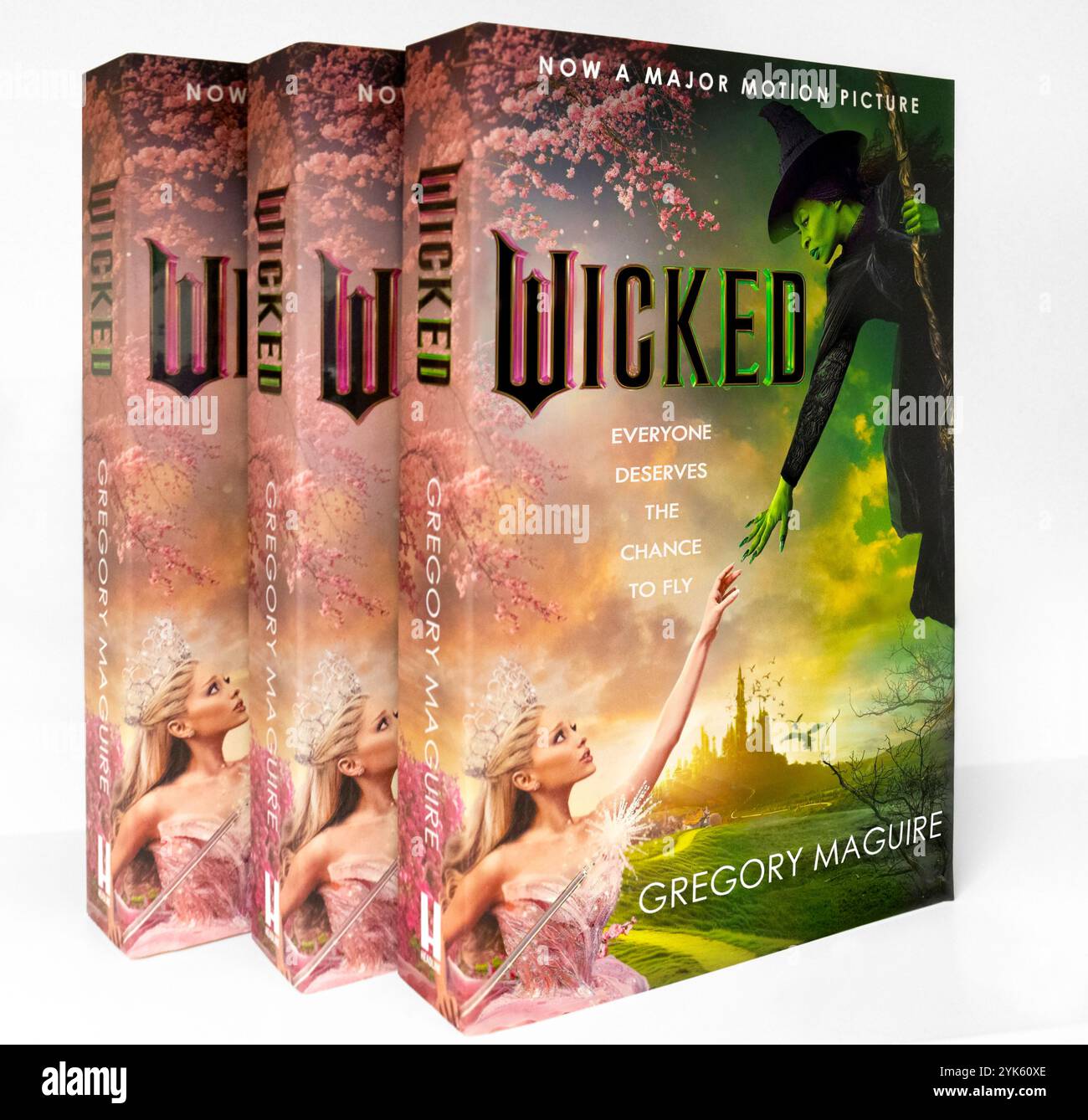
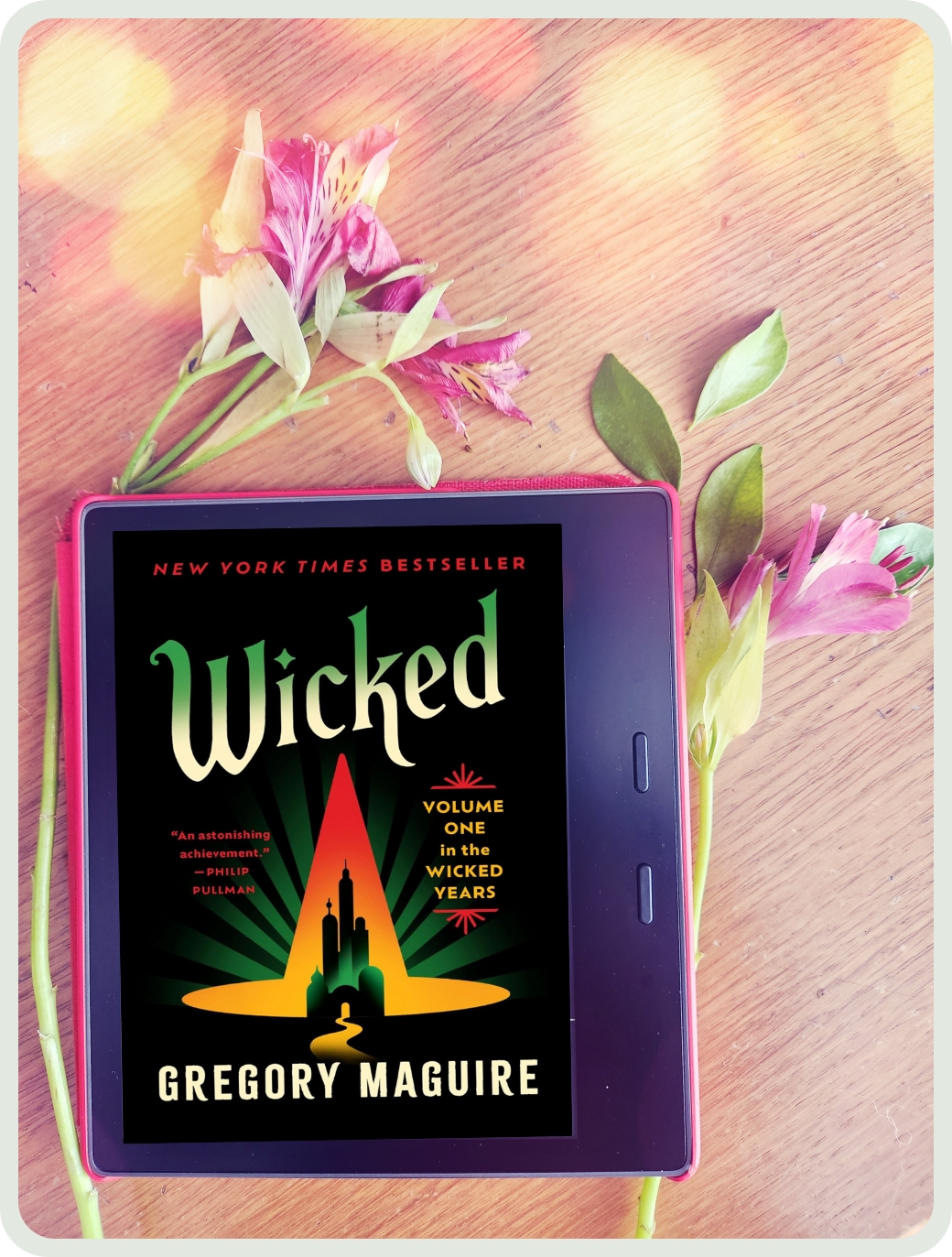
The original novel Wicked: The Life and Times of the Wicked Witch of the West was written by American author Gregory Maguire and published in 1995. This revisionist fantasy novel serves as a political and psychological re-imagining of L. Frank Baum’s classic 1900 children's book The Wonderful Wizard of Oz, laying the groundwork for the cultural phenomenon that later expanded onto Broadway and the silver screen.
Contents
The Literary Genesis: Gregory Maguire and the Creation of Wicked
Understanding who wrote the original Wicked book requires looking closely at the author, Gregory Maguire, and the unique cultural climate of the mid-1990s. Born in Albany, New York, in 1948, Maguire established himself early in his career as a prominent writer of children’s and young adult literature. Before penning Wicked, he co-founded the Children’s Literature New England organization and taught courses on children's literature, giving him a deeply academic understanding of classic fairy tales and fantastical tropes.
Maguire’s approach to Wicked was heavily influenced by the socio-political anxieties of the late 20th century, including the Cold War, environmental degradation, and the shifting paradigms of propaganda and totalitarianism. Rather than accepting the moral binary of L. Frank Baum’s original Oz universe—where characters are cleanly divided into absolute good and absolute evil—Maguire sought to deconstruct how society manufactures villains. He began writing the novel in London during the early 1990s, completing a manuscript that would challenge readers to reconsider the perspective of Elphaba Thropp, the character who becomes the infamous Wicked Witch of the West.
When HarperCollins published the book in 1995, it was marketed primarily as adult fiction rather than children's literature. Its dense prose, political intrigue, dark thematic elements, and mature content immediately distinguished it from traditional fantasy. Maguire’s vision reframed the Land of Oz not as a whimsical wonderland, but as a complex, stratified empire struggling with civil rights abuses, speciesism, economic disparity, and religious friction under the increasingly authoritarian rule of the Wizard.
Examining the Source Material: Connection to L. Frank Baum
To fully appreciate Gregory Maguire’s work, one must examine its relationship to L. Frank Baum’s original 1900 text, The Wonderful Wizard of Oz. Baum created a foundational piece of American folklore, detailing Dorothy Gale’s journey through a magical land populated by eccentric characters, benevolent witches, and wicked adversaries. However, Baum's universe left significant narrative gaps regarding the backstories of its iconic inhabitants.
Maguire utilized these gaps as a canvas for world-building. He retained the core nomenclature of Baum’s universe—such as Munchkinland, the Emerald City, Quadling Country, and the winged monkeys—while subverting their cultural and political significance.
| Literary Element | L. Frank Baum's The Wonderful Wizard of Oz (1900) | Gregory Maguire's Wicked (1995) |
|---|---|---|
| Target Audience | Children and early readers | Adults and mature readers |
| Moral Framework | Absolute moral binary (Good vs. Evil) | Moral ambiguity, relativism, and systemic corruption |
| The Wizard | A bumbling, well-meaning humbug who wants to return home | A manipulative, imperialistic tyrant exploiting Oz resources |
| Elphaba (Wicked Witch) | A flatly malicious antagonist defeated by water | A tragic, politically radicalized civil rights activist |
| Central Themes | Adventure, friendship, finding oneself | Propaganda, prejudice, fascism, and free will |
By mapping out Elphaba’s life from birth—focusing on her green skin, ostracization, intellectual gifts at Shiz University, and eventual descent into political resistance—Maguire retroactively humanized one of literature's most recognizable archetypes.
The Evolution from Novel to Global Franchise
While Gregory Maguire wrote the original Wicked book as a standalone literary experiment, its unique narrative footprint ignited a multi-media empire. The book’s success caught the attention of composer Stephen Schwartz and librettist Winnie Holzman, who adapted the novel into the blockbuster Broadway musical Wicked, which premiered in 2003.
It is vital to distinguish between the original book and the musical adaptation. While the stage musical softened many of the novel’s darker, politically dense, and satirical elements to accommodate a broader theatrical audience—transforming the narrative into a sweeping friendship story between Elphaba and Glinda—it remains firmly rooted in Maguire's character conceptualizations. The subsequent two-part cinematic adaptation, released starting in 2024, draws its primary structural inspiration from the stage musical while incorporating visual world-building directly inspired by Maguire’s expansive literary universe.
Despite the massive commercial success of the stage and film adaptations, Maguire's original novel stands apart for its literary ambition. It spawned an entire series known as The Wicked Years, which includes sequels such as Son of a Witch (2005), A Lion Among Men (2008), and Out of Oz (2011), further exploring the political aftermath of Oz and the descendants of its principal figures.
Frequently Asked Questions
Is the Wicked book appropriate for children?
No, the original Wicked novel by Gregory Maguire is written strictly for adults and mature readers. Unlike the Broadway musical or the children's books by L. Frank Baum, Maguire’s novel contains complex political themes, violence, dark psychological elements, and mature sexual content.
Did L. Frank Baum write Wicked?
No. L. Frank Baum wrote The Wonderful Wizard of Oz in 1900 and several subsequent Oz sequels. Gregory Maguire wrote Wicked nearly a century later in 1995 as a revisionist companion piece to Baum's original work.
How closely does the musical follow the original Wicked book?
The Broadway musical diverges significantly from the original novel. While the characters and general premise originate from Maguire's book, the musical alters major plot points, tones down the dark and satirical political commentary, and focuses much more heavily on the central friendship between Elphaba and Glinda.
Are there sequels to the original Wicked book?
Yes. Gregory Maguire expanded Wicked into a four-book series titled The Wicked Years. The sequels are Son of a Witch, A Lion Among Men, and Out of Oz, which trace the ongoing history of the Land of Oz long after Elphaba's death.
What inspired Gregory Maguire to write Wicked?
Maguire was inspired by a combination of academic background in children's literature, a desire to explore how societies construct villains, and geopolitical events during the early 1990s, particularly regarding propaganda, government corruption, and the ethics of resistance.
Practical Next Actions for Readers and Researchers
For readers looking to engage deeply with the origins of the Oz mythos, the best starting point is to read L. Frank Baum’s 1900 original text to understand the foundational baseline. Following that, reading Gregory Maguire’s Wicked provides a stark, intellectually stimulating contrast that reframes every assumption about the Land of Oz. Ensure you purchase the unabrided adult novel rather than young reader adaptations if you are seeking Maguire's complete, uncompromised literary vision.
Image Gallery