Mastering Slow Cooker Chicken with Cream of Chicken Soup: The Ultimate Guide
Slow cooker chicken with cream of chicken soup is a classic "set-it-and-forget-it" meal that combines lean poultry with savory condensed soup to create a tender, gravy-rich entree. By simmering the chicken on low for 6–8 hours, the pro...
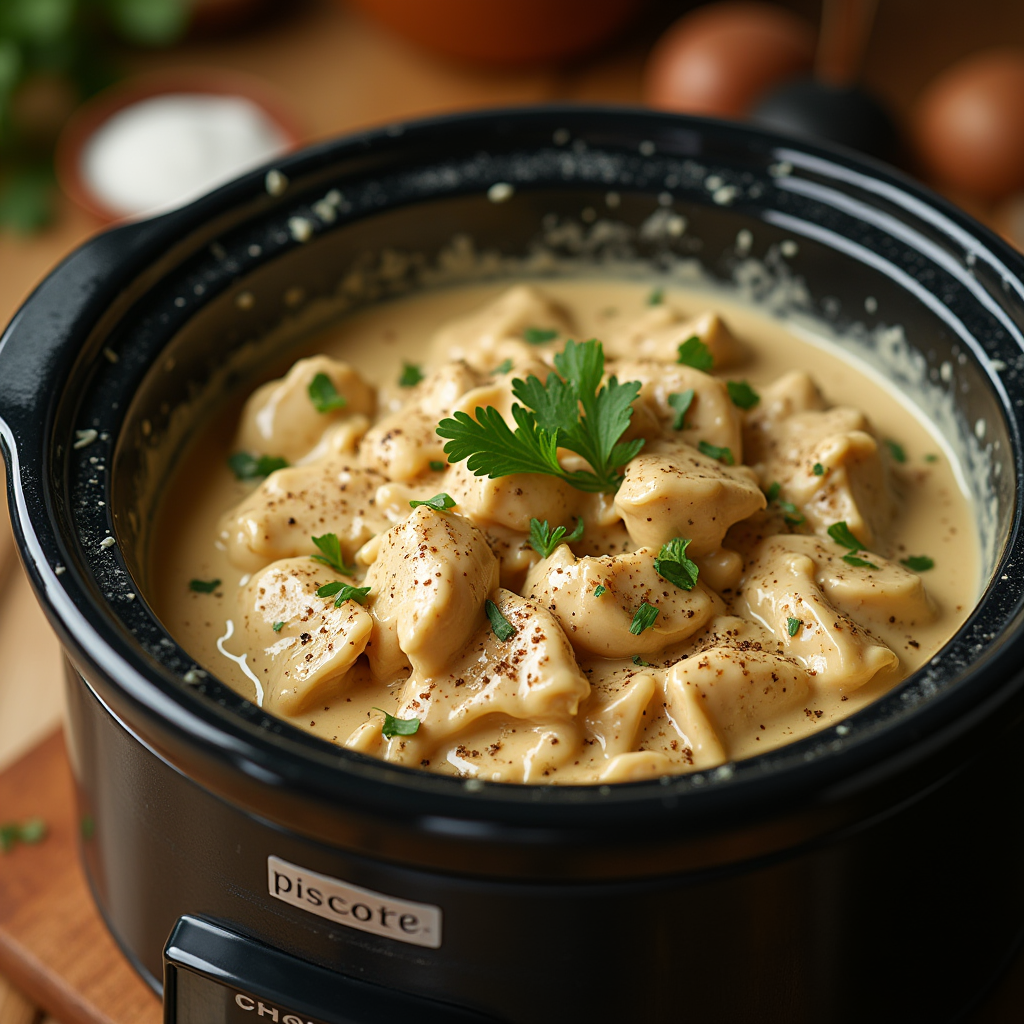
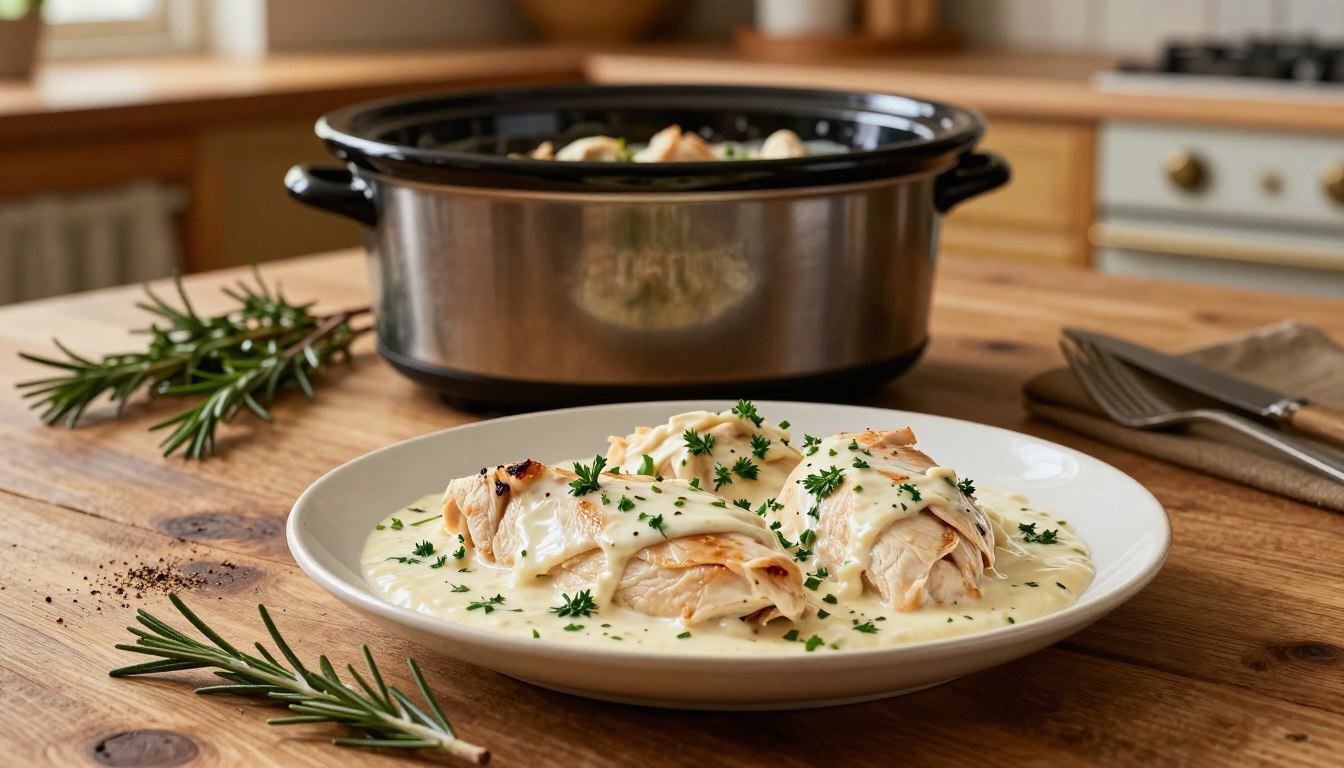
Slow cooker chicken with cream of chicken soup is a classic "set-it-and-forget-it" meal that combines lean poultry with savory condensed soup to create a tender, gravy-rich entree. By simmering the chicken on low for 6–8 hours, the protein breaks down into a succulent texture perfect for serving over rice, pasta, or mashed potatoes.
Contents
The Evolution of the Slow Cooker Staple
In 2026, the demand for "dump-and-go" recipes remains higher than ever as households balance hybrid work schedules and busy extracurricular calendars. The combination of chicken and cream of chicken soup is more than just a nostalgic mid-century recipe; it is a foundational technique in modern slow cooking. This method relies on the emulsifiers and thickeners found in condensed soups to create a stable, creamy sauce that does not break or curdle over long periods of heat.
Unlike traditional braising which might require a complex mirepoix or deglazing, this recipe leverages the concentrated flavors of the soup to provide a savory base. As the chicken cooks, its natural juices (myoglobin and water) mingle with the condensed soup, thinning it into a velvet-like gravy that permeates the meat. This process ensures that even leaner cuts, like boneless skinless chicken breasts, remain moist despite the extended cooking time.
Selecting Your Ingredients for Optimal Results
To achieve the best texture and flavor, the quality and type of ingredients you select are paramount. While the recipe is inherently simple, small adjustments can significantly elevate the final dish.
The Chicken: Breast vs. Thigh
The choice between chicken breasts and thighs often comes down to personal preference, but they behave differently in the slow cooker:
- Chicken Breasts: These are lean and tend to shred easily. However, they are prone to drying out if cooked on "High" for too long. In 2026, many chefs recommend keeping the breasts whole until the last 30 minutes of cooking to retain internal moisture.
- Chicken Thighs: Boneless, skinless thighs are the preferred choice for many slow cooker enthusiasts. The higher fat content and connective tissue (collagen) break down into gelatin, providing a richer mouthfeel and preventing the meat from becoming "stringy."
The Soup Base
While "Cream of Chicken" is the standard, the market has expanded to include several varieties:
- Low-Sodium Options: Traditional condensed soups are notoriously high in salt. Using a low-sodium version allows you to control the seasoning at the end of the cooking process.
- Herb-Infused: Some brands offer versions with added roasted garlic or herbs like thyme and rosemary, which can save you the step of adding dried spices.
- Homemade Condensed Soup: For those avoiding preservatives, a DIY version made from a thick roux, chicken stock, and heavy cream can be substituted in a 1:1 ratio.
Essential Equipment and Preparation
A standard 4-to-7-quart slow cooker is ideal for this recipe. Ensuring your slow cooker is in good working order is essential for food safety. In 2026, smart slow cookers with integrated temperature probes are increasingly common, allowing users to set a target internal temperature (165°F or 74°C) rather than just a time limit.
Preparation Steps
Before adding ingredients to the pot, consider these preparatory actions:
- Trimming: Remove excess fat or silver skin from the chicken.
- Searing (Optional): While not required, searing the chicken in a skillet for 2 minutes per side creates a Maillard reaction, adding a deeper savory note that the slow cooker cannot produce on its own.
- Layering: Always place aromatics (like onions or celery) at the bottom, followed by the chicken, and then pour the soup over the top. This prevents the vegetables from remaining crunchy while the meat overcooks.
Recommended Cooking Times and Temperatures
Understanding the relationship between time and temperature is the key to preventing "mushy" or "rubbery" chicken.
| Chicken Cut | Cook Time (Low) | Cook Time (High) | Recommended Finish |
|---|---|---|---|
| Boneless Breasts | 5–6 Hours | 2–3 Hours | Sliced or Shredded |
| Boneless Thighs | 6–7 Hours | 3–4 Hours | Whole or Sliced |
| Bone-in Thighs | 7–8 Hours | 4–5 Hours | Fall-off-the-bone |
| Frozen Breasts | 7–8 Hours | 4–5 Hours | Shredded only |
Note: According to USDA Food Safety guidelines, you should ensure the chicken reaches an internal temperature of 165°F (74°C).
Flavor Enhancements and Customization
A common criticism of slow cooker chicken with cream of chicken soup is that it can taste "flat" or overly processed. To counteract this, consider the following additions:
The "Acid" Element
Creamy dishes benefit immensely from a splash of acidity at the very end. This cuts through the heaviness of the cream and salt.
- Lemon Juice: Add 1 tablespoon of fresh lemon juice just before serving.
- White Wine: Adding 1/4 cup of dry white wine (like Sauvignon Blanc) at the beginning of the cook cycle adds complexity.
Texture Additions
To prevent a monotonous texture, add vegetables at specific intervals:
- Early Additions: Carrots, potatoes, and onions can withstand the full 6-hour cook time.
- Late Additions: Frozen peas, corn, or fresh spinach should only be stirred in during the last 15–20 minutes to maintain their color and "snap."
Spice Profiles
While the soup provides salt, it often lacks heat or earthiness.
- The "Ranch" Variation: Stir in a packet of ranch seasoning for a zesty, herby twist.
- Smoky Twist: Add a teaspoon of smoked paprika or a dash of liquid smoke.
Troubleshooting Common Issues
Even with the simplest recipes, things can go wrong. Here is how to fix common slow cooker chicken mishaps:
The Sauce is Too Thin
If the chicken released more liquid than expected, the sauce might look like a thin broth.
- Solution: Create a slurry using 1 tablespoon of cornstarch and 2 tablespoons of cold water. Stir this into the slow cooker and turn it to "High" for 15 minutes. The sauce will thicken as it bubbles.
The Sauce is Too Salty
If the condensed soup and your added seasonings made the dish too salty, do not panic.
- Solution: Add a splash of heavy cream or sour cream at the end. The fat helps coat the palate and masks the perception of salt. Alternatively, serve it over unseasoned rice or potatoes to balance the flavors.
The Chicken is Tough
Chicken becomes tough in a slow cooker when it is overcooked, especially on the "High" setting.
- Solution: If the meat is tough, the best course of action is to shred it completely and let it soak in the warm sauce for 20 minutes before serving. The sauce will penetrate the fibers and improve the texture.
Food Safety and Storage in 2026
When working with poultry and slow cookers, safety is the priority. Never place frozen chicken directly into a slow cooker unless the recipe specifically accounts for it and the cooker is designed for it, as the meat may spend too much time in the "danger zone" (40°F to 140°F) where bacteria thrive.
Storage Guidelines
- Refrigeration: Store leftovers in airtight containers within two hours of cooking. They will remain safe and flavorful for up to 4 days.
- Freezing: This dish freezes exceptionally well. Place the cooled chicken and sauce in a freezer-safe bag. It can be stored for up to 3 months. To reheat, thaw in the refrigerator overnight and warm on the stovetop over low heat, adding a splash of milk if the sauce has thickened too much in the freezer.
Frequently Asked Questions
Can I use frozen chicken in this recipe?
Yes, but it requires caution. Frozen chicken releases more water, which may dilute the cream of chicken soup. If using frozen breasts, increase the cook time by approximately 2 hours on "Low" and ensure you check the internal temperature with a digital thermometer to confirm it has reached 165°F.
How do I prevent the cream soup from curdling?
Most canned "Cream of..." soups are designed to be heat-stable and rarely curdle. However, if you are adding extra dairy like sour cream, Greek yogurt, or heavy cream, always stir those in at the very end of the cooking process (the last 15 minutes) on the "Warm" setting to prevent the proteins from separating.
Can I add stuffing mix to this?
Absolutely. Adding a layer of dry stuffing mix on top of the chicken and soup creates a "chicken and stuffing" casserole. The stuffing will absorb the steam and some of the gravy, resulting in a soft, flavorful topping. Do not stir it in; let it sit on top throughout the cooking process.
Is this recipe gluten-free?
Standard canned cream of chicken soup contains wheat flour as a thickener and is not gluten-free. To make this dish gluten-free, you must use a certified gluten-free condensed soup or make a homemade version using a gluten-free flour blend or cornstarch as the thickening agent.
What are the best side dishes for this?
Because the dish is heavy and creamy, it pairs best with starches that can soak up the sauce. White or brown rice, egg noodles, and garlic mashed potatoes are traditional favorites. For a lighter option, serve it over steamed broccoli or cauliflower rice.
Practical Recommendation for Next Steps
To get started, try a "Base Plus One" approach. Use the fundamental recipe—1.5 lbs of chicken thighs and two 10.5 oz cans of cream of chicken soup—and add one unique aromatic, such as a sliced leek or a tablespoon of dijon mustard. Set your slow cooker to "Low" for 6 hours. This slow-and-low approach is the most reliable way to ensure a successful, tender meal that provides enough leftovers for the following day’s lunch.
Image Gallery