Understanding the Current Count and Geographic Distribution of Cracker Barrel Locations in 2026
As of the current 2026 fiscal year, Cracker Barrel Old Country Store, Inc. operates 657 locations across 44 states in the United States. While the chain maintains a significant physical footprint across the nation, it notably lacks a p...
As of the current 2026 fiscal year, Cracker Barrel Old Country Store, Inc. operates 657 locations across 44 states in the United States. While the chain maintains a significant physical footprint across the nation, it notably lacks a presence in the states of Alaska, Hawaii, Vermont, Washington, and Wyoming, as well as the District of Columbia. These locations function as a hybrid model of full-service restaurants and retail gift shops, strategically positioned primarily along interstate highways to capture transient traveler traffic.
Contents
Institutional Overview and Operational Footprint
Cracker Barrel represents a unique entity within the American casual dining sector. Founded in 1969 in Lebanon, Tennessee, the organization has maintained a consistent architectural and operational identity that distinguishes it from standard franchised restaurant chains. Unlike many competitors that utilize a franchise-heavy expansion model, the vast majority of Cracker Barrel locations are company-owned and operated, ensuring high uniformity in service delivery, food quality, and retail inventory management.
In 2026, the company continues its strategy of optimizing its real estate portfolio. This involves regular assessment of site performance, lease renewals, and occasional strategic closures or relocations to maintain optimal profit margins amidst shifting travel patterns and rising operational costs in the hospitality sector.
Regional Density and Geographic Strategy
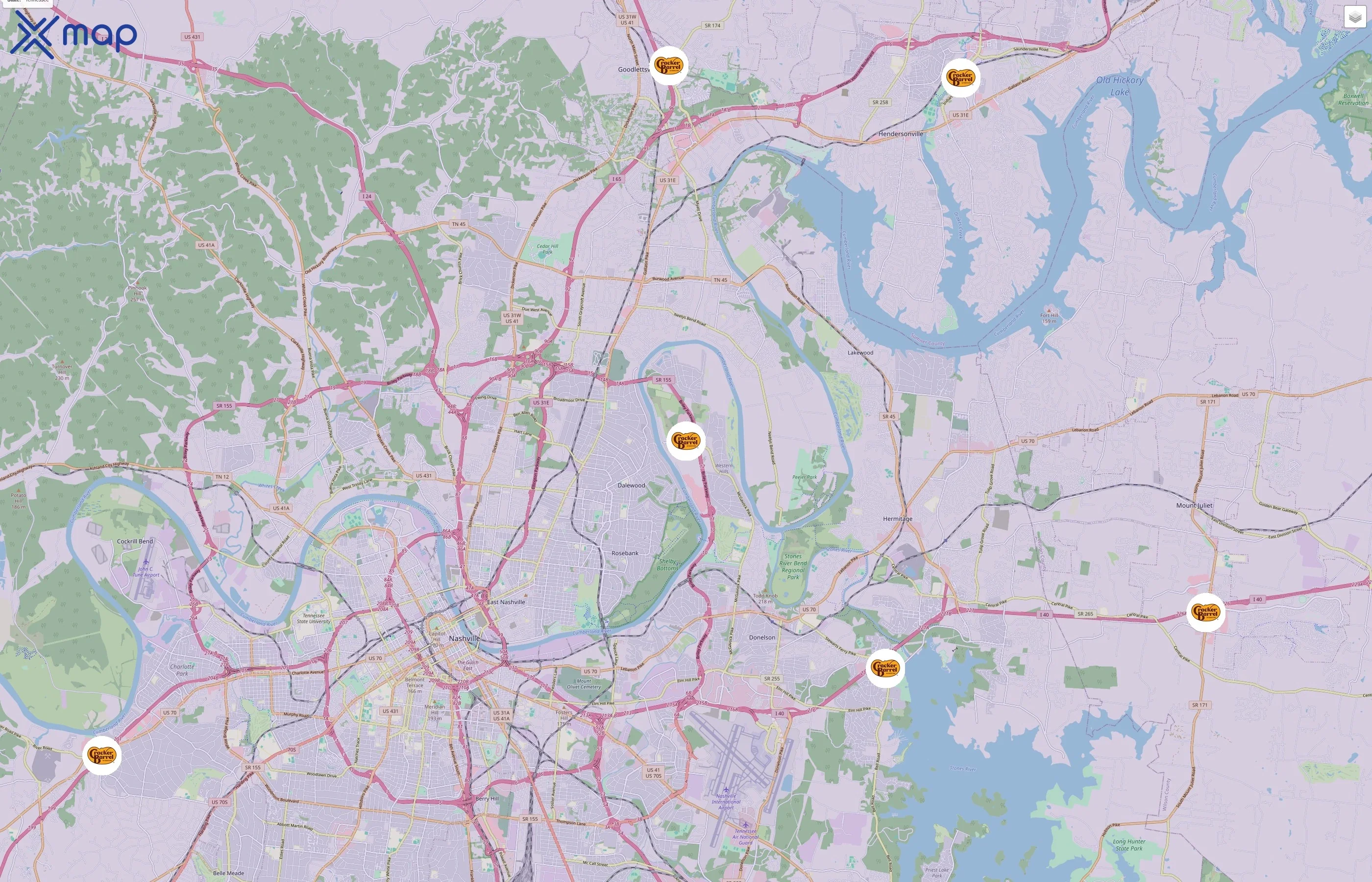
The distribution of these 657 stores is heavily concentrated in the Southeast and Midwest, reflecting the brand's historical roots and initial expansion path. The placement strategy remains tethered to high-traffic interstate corridors, particularly along major arteries like I-75, I-40, and I-95.
Key Factors Influencing Location Selection
- Interstate Accessibility: Proximity to major highway interchanges is the primary driver for site selection to facilitate "grab-and-go" access for road trippers.
- Retail Integration: Every location is designed to accommodate a sprawling retail shop, which requires a specific square footage and layout that standard restaurant sites often cannot provide.
- Regional Demand: The brand’s "comfort food" positioning performs most effectively in regions where the demographic aligns with traditional Southern-style culinary preferences.
- Supply Chain Efficiency: Locations are clustered to leverage distribution centers, minimizing the logistics costs associated with maintaining both perishable food supplies and the non-perishable inventory required for the retail gift shops.
Comparative Data: Historical Growth and Current Standing
Understanding the scale of Cracker Barrel requires viewing it through the lens of its long-term operational history. Since becoming a publicly traded company, it has sustained a slow but steady growth trajectory.
| Metric Category | Operational Status / Figures (2026) |
|---|---|
| Total Units | 657 Locations |
| Primary Market | United States (44 States) |
| Operating Model | 98% Company-Owned |
| Absent States | AK, HI, VT, WA, WY, DC |
| Primary Traffic Driver | Interstate Highway Proximity |
| Revenue Streams | Restaurant Sales & Retail Gift Shop |
Operational Challenges and Market Realities in 2026
Operating over 650 full-service units presents significant logistical hurdles. In 2026, the restaurant industry faces ongoing labor pressures and supply chain fluctuations that force the company to be selective about expansion. The current count of 657 is a result of a balanced approach to growth, prioritizing the health of existing units over aggressive territorial expansion into markets where the brand may not have high penetration or brand awareness.
Economic Considerations for Investors and Observers
Maintaining a footprint of this magnitude requires rigorous asset management. Because Cracker Barrel owns many of its properties, the firm acts as both an operator and a real estate holding entity. In 2026, the focus has shifted toward site modernization, improving digital ordering capabilities, and optimizing the retail-to-restaurant revenue ratio within each store to combat rising real estate taxes and utility costs.
Frequently Asked Questions
Why is Cracker Barrel not present in every state?
The absence of the brand in states like Alaska, Hawaii, and several in the Pacific Northwest is largely due to supply chain logistics and geographic distance from their central distribution hubs. Maintaining the consistency of the retail shop and food quality requires efficient delivery routes that are cost-prohibitive in remote or geographically isolated markets.
Are there any plans to expand to 700+ locations by the end of 2026?
Current company guidance suggests a focus on operational excellence and "refreshing" the existing portfolio rather than aggressive physical expansion. While minor fluctuations occur, significant growth to 700+ units is not currently a stated priority for the 2026 fiscal cycle.
Does Cracker Barrel franchise its stores?
No, the company maintains almost entirely company-owned operations. This is a deliberate strategic choice that allows the corporate office to exert total control over the brand's atmosphere, retail pricing, and food quality, which is vital for the brand's specific "Old Country Store" identity.
How does the company determine when to close a location?
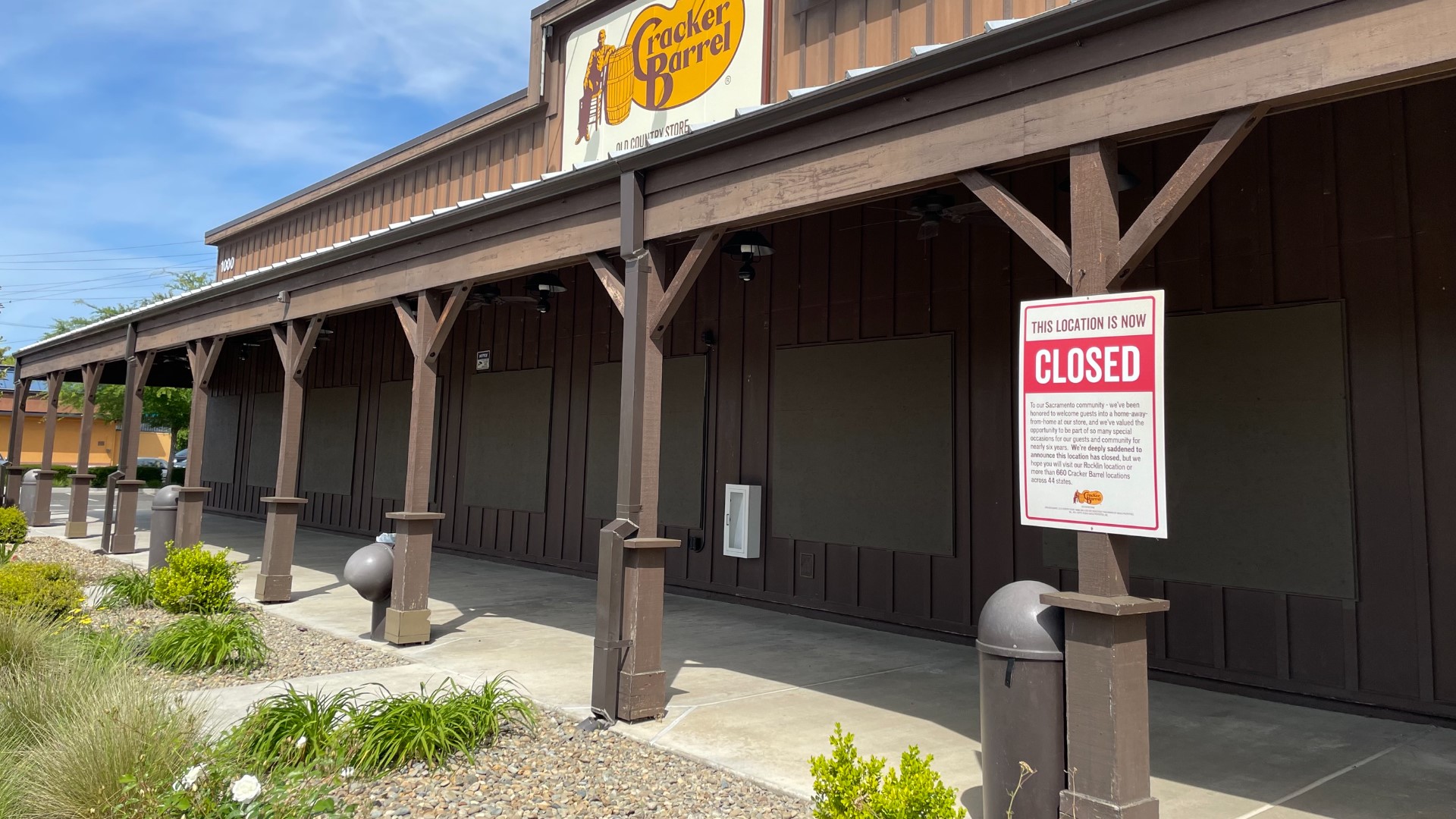
Closures are generally triggered by a combination of lease expiration, declining traffic counts at specific interstate exits, and the inability to modernize a facility to meet current operational standards. Management reviews these metrics annually to ensure capital is directed toward the most profitable sites.
Where can I find a list of all current locations?
The most accurate resource for locating a store in 2026 is the official Cracker Barrel location finder tool on their corporate website. This tool provides real-time data regarding specific store hours, store-specific retail availability, and current contact information for every one of the 657 active units.
Strategic Recommendations for Stakeholders
For those analyzing the performance and presence of Cracker Barrel, it is essential to look beyond the total count. The value of the network lies in its placement. Investors should monitor the company’s ability to drive traffic to the retail side of the business, as this often carries higher margins than the food service segment. Furthermore, as highway travel evolves with the adoption of autonomous and electric vehicles, the "stop-and-stay" model of Cracker Barrel remains a key area to watch, as the need for charging and convenience at highway stops may necessitate future facility redesigns to incorporate EV infrastructure or rapid-service configurations.
To get the most accurate and up-to-date status on a specific location or to verify regional availability, always consult the primary store locator via the official Cracker Barrel corporate digital platform to ensure the most current 2026 operational data.
Image Gallery