Understanding the Properties of Wind for Science Education
Wind is the movement of air masses caused by atmospheric pressure differentials, primarily driven by the uneven heating of the Earth's surface by the sun. In science education, understanding wind requires a multi-dimensional analysis o...
Wind is the movement of air masses caused by atmospheric pressure differentials, primarily driven by the uneven heating of the Earth's surface by the sun. In science education, understanding wind requires a multi-dimensional analysis of its primary properties: speed, direction, and pressure, as well as the physical forces like the Coriolis effect and friction that influence its behavior.
Contents
The Physical Foundations of Wind Generation
To teach wind properties effectively, educators must first establish the thermodynamic principles that set air in motion. Wind is not a random occurrence but a direct result of energy transfer. As the sun heats the Earth, surfaces such as dark soil or asphalt absorb more heat than water or forested areas. This uneven heating causes the air above warmer surfaces to expand, become less dense, and rise—a process known as convection.
As the warm air rises, it creates an area of lower atmospheric pressure near the surface. To equalize this imbalance, cooler, denser air from surrounding high-pressure areas rushes in to fill the void. This horizontal movement of air is what we perceive as wind. In a 2026 science curriculum, this concept is often categorized under "Earth Systems" or "Energy Transfer," emphasizing that wind is a vector quantity, meaning it possesses both magnitude (speed) and direction.
The Pressure Gradient Force (PGF)
The primary driver of wind speed is the Pressure Gradient Force (PGF). A pressure gradient is the measure of the change in air pressure over a specific distance. When the difference in pressure between two points is significant and the distance is short, the gradient is steep, resulting in high-velocity winds. Conversely, a shallow gradient produces light breezes.
For students, visualizing the PGF is often best achieved through the analogy of a topographic map or a sliding board. Just as a ball rolls faster down a steep hill than a gentle slope, air moves faster when the "slope" of pressure is more pronounced. In laboratory settings, this can be demonstrated using thermal chambers or digital barometers that track localized pressure drops during weather transitions.
Primary Property: Wind Speed and Velocity
Wind speed is the rate at which air particles move past a fixed point. It is a critical variable in meteorology, aviation, and renewable energy sectors. In educational contexts, teaching wind speed involves transitioning from qualitative observations to quantitative measurements using standardized units.
Measuring Speed with Anemometers
The most common tool for measuring wind speed is the anemometer. While the traditional cup anemometer remains a staple in school weather stations, 2026 educational standards increasingly incorporate ultrasonic anemometers. These devices use sound waves to measure wind speed and direction simultaneously without moving parts, providing students with higher precision and data that can be logged directly into digital platforms.
Wind speed is typically measured in:
- Meters per second (m/s): The standard SI unit used in scientific research.
- Kilometers per hour (km/h) or Miles per hour (mph): Common units for public weather reporting.
- Knots: One nautical mile per hour, used primarily in aviation and maritime navigation.
The Beaufort Scale: Qualitative Assessment
For younger students or field-based science education, the Beaufort Scale serves as an essential bridge between observation and data. Developed in 1805 by Sir Francis Beaufort, the scale allows observers to estimate wind speed based on its effects on the environment, such as the swaying of trees or the behavior of smoke. In a modern classroom, the Beaufort Scale is used to teach "pattern recognition," a key competency in scientific inquiry.
Primary Property: Wind Direction and Orientation
Wind direction is defined by the point of the compass from which the wind blows. For example, a "North Wind" travels from the north toward the south. This convention can be counterintuitive for students who may assume the name refers to the wind's destination.
The Role of the Wind Vane
The wind vane (or weather vane) is the foundational tool for determining direction. It consists of an asymmetrical blade mounted on a vertical axis. The tail of the vane has a larger surface area than the pointer; when wind hits the tail, it pushes it away, causing the pointer to turn into the wind.
Advanced science education modules often introduce the wind rose, a graphic tool used by meteorologists to show the distribution of wind speeds and directions at a specific location over a period. By analyzing a wind rose, students can identify "prevailing winds"—the dominant wind directions that influence local climates and ecosystems.
Factors That Modify Wind Behavior
Understanding wind properties is incomplete without addressing the forces that alter its path and intensity. Once the Pressure Gradient Force sets air in motion, three other factors dictate its final trajectory.
The Coriolis Effect
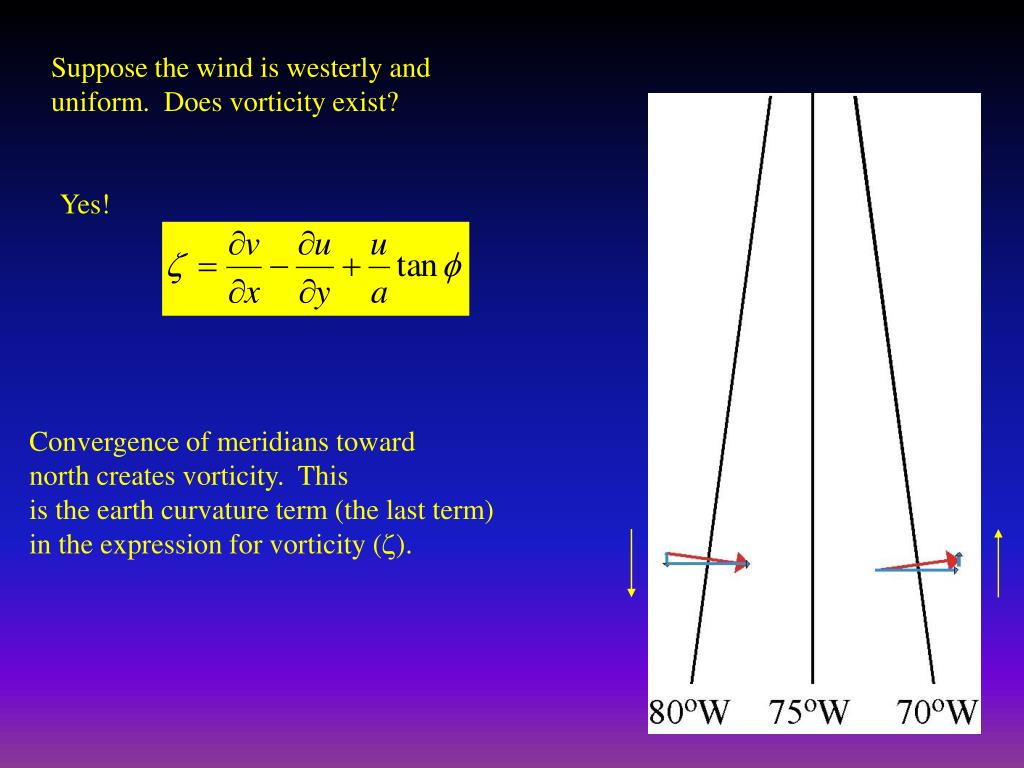
On a non-rotating Earth, wind would move in a straight line from high to low pressure. However, because the Earth rotates, the path of the wind is deflected. This phenomenon is known as the Coriolis Effect.
- In the Northern Hemisphere, wind is deflected to the right.
- In the Southern Hemisphere, wind is deflected to the left.
For secondary science education, the Coriolis Effect is a crucial concept for explaining the rotation of hurricanes and the behavior of global wind belts like the Trade Winds and the Westerlies. It demonstrates how planetary-scale physics influences local weather patterns.
Friction and the Boundary Layer
Friction occurs when wind moves across the Earth's surface. Rugged terrain, forests, and urban skyscrapers create resistance, slowing the wind and changing its direction. This "frictional drag" is most significant in the Planetary Boundary Layer, the lowest part of the atmosphere (usually the first 1-2 kilometers).
Above this layer, in the "free atmosphere," friction is negligible, allowing for the formation of high-speed currents like the Jet Stream. Teaching students about friction helps them understand why wind speeds are generally higher over the open ocean or at the top of mountains compared to sheltered valleys.
Comparison of Wind Measurement Tools and Concepts
| Feature | Tool / Scale | Primary Measurement | Educational Application |
|---|---|---|---|
| Speed | Cup Anemometer | Rotational Velocity | Calculating mechanical energy and kinetic force. |
| Direction | Wind Vane | Cardinal Points (N, S, E, W) | Mapping weather fronts and air mass movement. |
| Force | Beaufort Scale | Visual Indicators | Field observations and historical data analysis. |
| Pressure | Barometer | Millibars (mb) or hPa | Identifying the source and cause of wind flow. |
| Intensity | Sonic Anemometer | Time-of-flight (Sound) | High-precision digital data logging and modeling. |
Educational Strategies for Teaching Wind Properties
Effective science education regarding wind requires a shift from passive reading to active experimentation. As of 2026, the integration of low-cost sensors and open-source data has transformed how students interact with atmospheric science.
Data-Driven Inquiry
Students can use real-time data from organizations like the National Oceanic and Atmospheric Administration (NOAA) or the National Center for Atmospheric Research (NCAR) to compare local wind conditions with national trends. By plotting wind speed against pressure changes over a 24-hour period, learners can empirically "see" the Pressure Gradient Force in action.
Engineering Challenges
A common STEM (Science, Technology, Engineering, and Mathematics) application is the design of wind turbine blades. By manipulating the surface area and pitch of a blade, students apply their knowledge of wind properties to maximize energy output. This ties the abstract properties of wind to the tangible goal of sustainable energy production.
Microclimate Investigations
Science educators often lead students in "microclimate mapping" around school grounds. By measuring wind speed and direction at various locations—such as against a brick wall, under a tree canopy, or in an open parking lot—students learn firsthand how friction and surface temperature create localized variations in wind properties.
Common Misconceptions in Wind Science
- "Wind is caused by the Earth's rotation alone": While rotation influences direction (Coriolis), it does not create the wind. Temperature-driven pressure differences are the primary cause.
- "A North wind blows toward the North": As previously noted, wind is named for its origin. This is a critical distinction in navigation and meteorology.
- "Wind speed is constant at all altitudes": Due to friction and the Jet Stream's influence, wind speed usually increases with altitude.
Frequently Asked Questions
What is the difference between a gust and a sustained wind?
A sustained wind is the average wind speed measured over a specific interval, usually two minutes. A gust is a brief increase in wind speed (usually lasting less than 20 seconds) that significantly exceeds the average. In science education, this distinction is vital for understanding turbulence and structural integrity in engineering.
Why does wind feel colder than the actual air temperature?
This is known as the wind chill factor. Wind increases the rate of heat loss from a surface (including human skin) by removing the thin layer of warm air that our bodies naturally radiate. While the actual air temperature remains the same, the wind accelerates evaporation and convection, making it feel colder.
How do mountains affect wind properties?
Mountains act as physical barriers that force air upward, a process called orographic lift. As air rises, it cools and may release moisture. On the other side of the mountain (the leeward side), the air descends, warms, and often creates dry, high-speed "downslope winds" like the Chinook or Santa Ana winds.
Can wind happen in space?
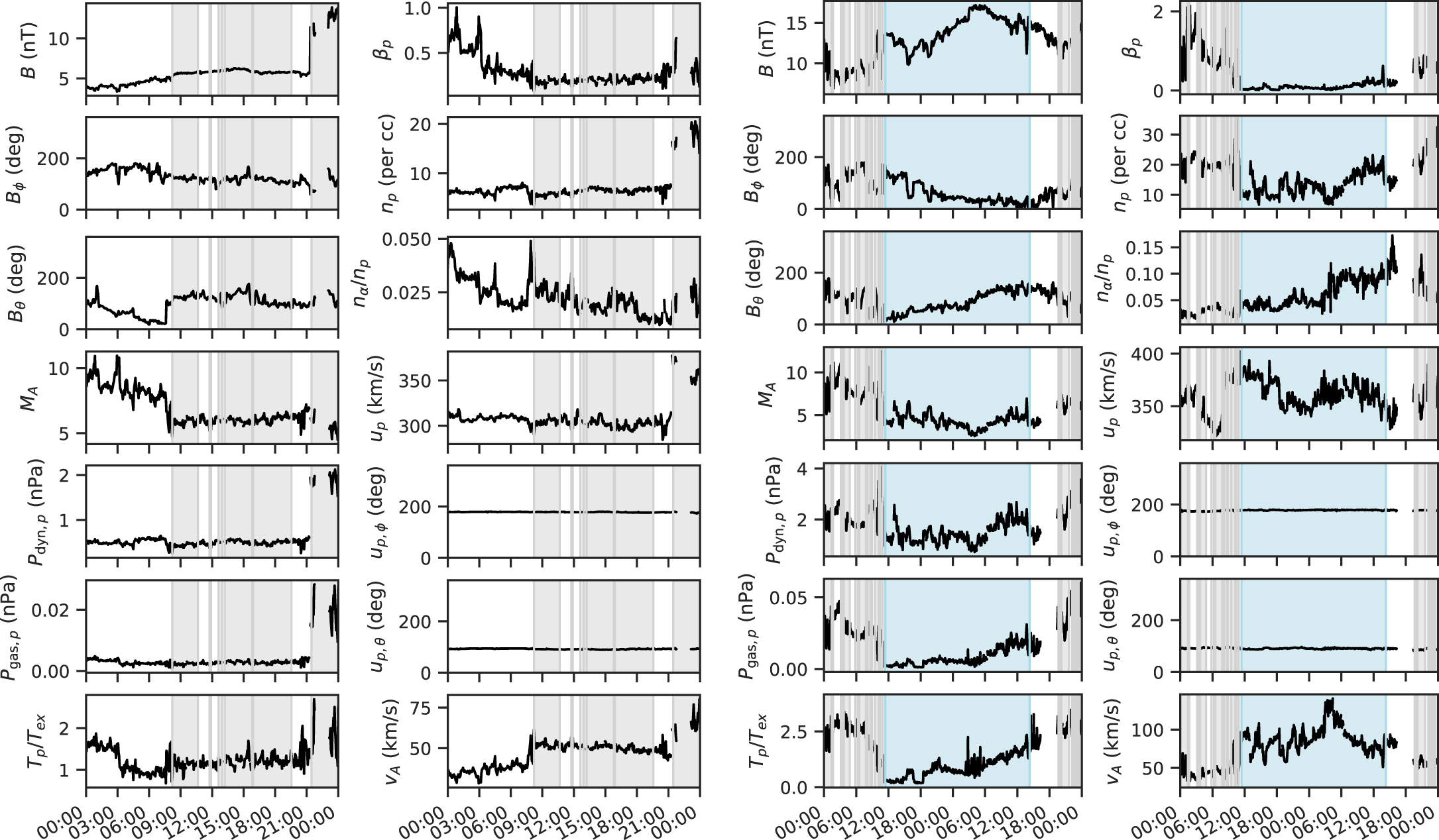
No, wind as defined by the movement of air cannot happen in the vacuum of space because there is no atmosphere. However, scientists do study "solar wind," which is a stream of charged particles (plasma) released from the upper atmosphere of the Sun. While it shares the name, the physical properties and mechanisms are entirely different from atmospheric wind.
How is wind speed used to predict storms?
Meteorologists look for rapid changes in wind speed and direction (wind shear) as indicators of severe weather. Increasing wind speeds often signal a strengthening pressure system, while shifting directions can indicate the passage of a cold or warm front.
Practical Next Steps for Educators
To deepen a student's understanding of wind properties, the next logical step is the introduction of synoptic weather maps. These maps use isobars (lines of constant pressure) to visualize the pressure field. Educators should encourage students to identify where isobars are closest together, as these areas will invariably correlate with the highest wind speeds. By transitioning from measuring a single point with an anemometer to interpreting a regional map, students move from basic observation to complex system analysis, a hallmark of advanced science education.
Image Gallery