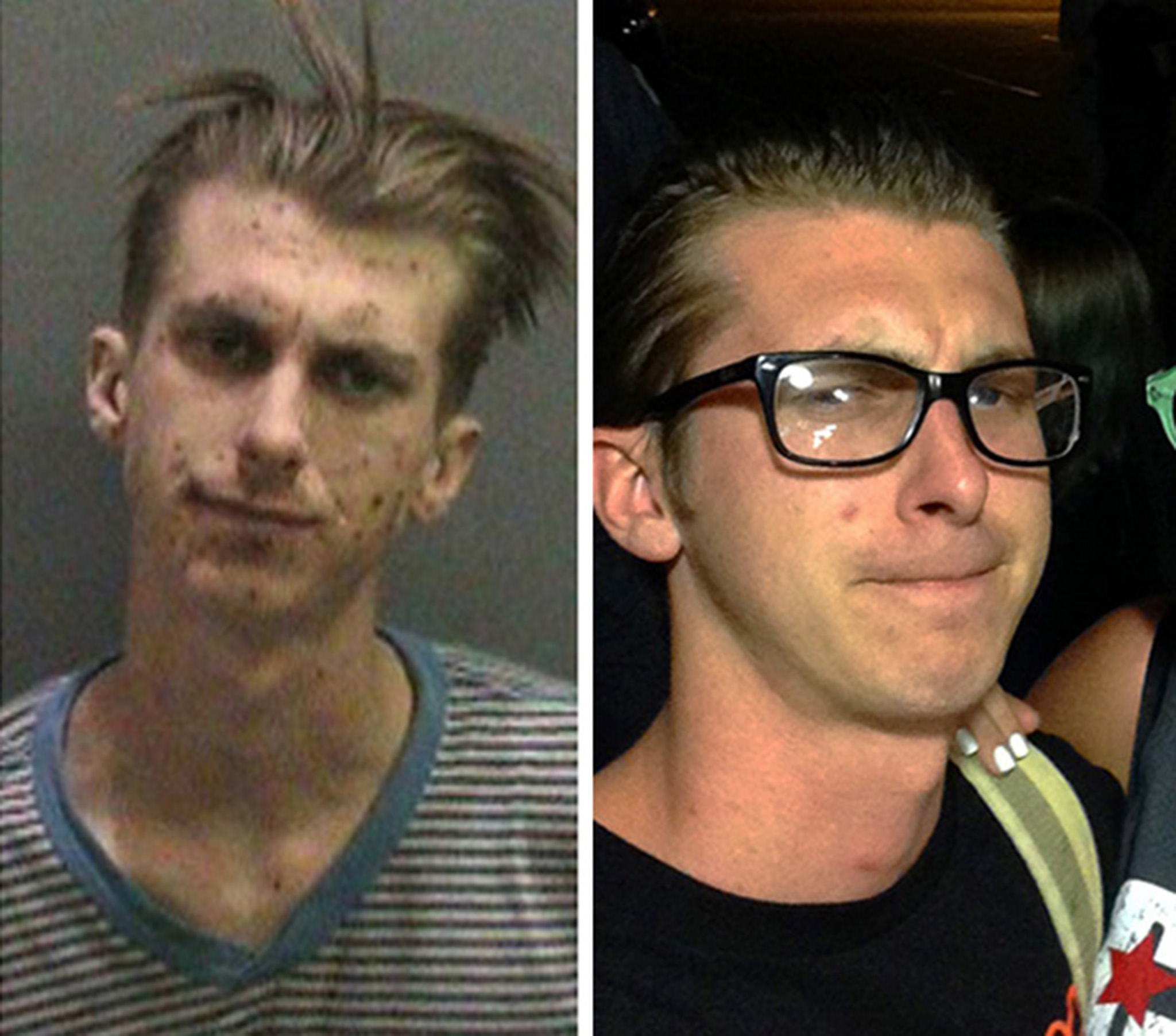
Drugs Before and After Pictures: Clinical Analysis of Physical Deterioration and Recovery
Drug before and after pictures document the pronounced physical transformations caused by chronic substance use and subsequent recovery. These images capture systemic physiological damage—including severe dermatological lesions, rapid...
Drug before and after pictures document the pronounced physical transformations caused by chronic substance use and subsequent recovery. These images capture systemic physiological damage—including severe dermatological lesions, rapid collagen loss, advanced dental decay, and extreme weight changes—alongside the remarkable tissue healing, cellular regeneration, and aesthetic restoration achieved through sustained sobriety and medical intervention.
Contents
The visual contrast seen in public health campaigns and clinical case studies represents more than surface-level damage. Each visible symptom in these photographs corresponds to an underlying pharmacological process, ranging from chronic vasoconstriction and microvascular ischemia to severe immune dysfunction and nutritional depletion. Understanding the biological mechanisms behind these images provides vital insight into both the dangers of active addiction and the clinical reversibility of substance-induced trauma.
The Pathophysiology of Facial and Physical Deterioration
The striking facial transformations associated with chronic illicit substance misuse do not occur randomly. They stem from chronic cellular disruption, immune suppression, and hormonal dysregulation. While different drug classes produce distinct physical markers, several underlying mechanisms drive the characteristic accelerated aging visible in comparative photographs.
Microvascular Collapse and Collagen Breakdown
Chronic exposure to potent stimulants like methamphetamine and cocaine induces severe, repetitive peripheral vasoconstriction. By constantly stimulating alpha-adrenergic receptors, these compounds restrict blood flow to peripheral tissues, including the epidermis and dermis.
- Ischemic Epidermal Thinning: Restricted cutaneous capillary perfusion deprives skin cells of oxygen and essential micronutrients. This process slows epidermal turnover, leading to a dull, translucent, or grayish complexion.
- Elastin and Collagen Degradation: Persistent sympathetic activation elevates systemic cortisol and inflammatory cytokines, accelerating the enzymatic breakdown of collagen and elastin fibers. The face loses subcutaneous adipose tissue and structural support, producing sunken cheeks, deep perioral hollows, and premature wrinkling.
- Impaired Wound Healing: Because microvascular flow is compromised, minor abrasions, acne vulgaris, or insect bites fail to heal normally, often developing into chronic ulcers, secondary bacterial infections, or hyperpigmented scars.
Neurochemical-Induced Excoriation
A defining feature in many stimulant comparative photographs is the presence of open, crusted sores across the face, neck, and forearms. This condition, medically classified as drug-induced dermatillomania or neurotic excoriation, often originates from formication—a tactile hallucination where individuals perceive insects crawling on or under their skin ("meth bugs" or "crank bugs").
Compulsive picking driven by central dopamine elevation causes extensive mechanical trauma. Because the person's immune response and wound healing pathways are severely suppressed, these self-inflicted excoriations routinely contract secondary infections from Staphylococcus aureus or Streptococcus pyogenes, leaving distinct pitted or keloidal scars.
Systemic Cachexia and Nutritional Depletion
Pronounced hollows around the temporal bones and orbital sockets reflect severe systemic wasting, known clinically as cachexia. Central nervous system stimulants drastically suppress hypothalamic appetite signaling while simultaneously elevating basal metabolic rates.
Simultaneously, chronic substance use patterns disrupt gastrointestinal nutrient absorption. Severe deficiencies in fat-soluble vitamins (A, D, and E), vitamin C, zinc, and dietary proteins rob the body of the building blocks required for tissue maintenance. The body catabolizes skeletal muscle and deep facial fat pads (the buccal and malar fat pads) to maintain basal metabolic functions, resulting in the skeletal appearance typical of late-stage addiction photographs.
Substance-Specific Physical Markers
Different classes of psychoactive drugs leave specific physiological signatures. Recognizing these unique diagnostic markers helps explain the stark variations seen between substances.
Table excluded; markdown tables used instead as required.
| Substance Class | Primary Visual Markers | Biological & Pathological Mechanism | Reversibility Potential |
|---|---|---|---|
| Methamphetamine | Open facial ulcers, severe tooth decay ("meth mouth"), sunken cheeks, temporal wasting. | Severe peripheral vasoconstriction, dopamine-driven excoriation (formication), salivary hypofunction, corrosive chemical exposure. | High for dermatological and weight restoration; moderate to low for dentition without reconstructive surgery. |
| Opioids & Illicit Fentanyl | Marked pallor, extreme emaciation, cellulitis/abscesses, track lines, eyelid ptosis, pinpoint pupils. | Histamine-mediated pruritus, respiratory suppression causing tissue hypoxia, venous thrombosis from non-sterile intravenous injection. | High for skin vitality and muscle mass; scar tissue and venous sclerosis remain permanent without vascular intervention. |
| Cocaine / Crack Cocaine | Collapsed nasal bridge (saddle nose), facial asymmetry, thermal burns on lips/fingers, purpura. | Ischemic necrosis of the cartilaginous nasal septum, levamisole-induced vasculitis, direct thermal trauma from smoking implements. | Moderate; requires reconstructive rhinoplasty for septal perforations; vasculitic lesions resolve upon drug cessation. |
| Alcohol (Severe Dependence) | Facial telangiectasia, rhinophyma, scleral icterus (yellow eyes), abdominal ascites, parotid enlargement. | Chronic vasodilation of cutaneous capillaries, impaired hepatic bilirubin conjugation, hyperestrogenism, portal hypertension. | Moderate to high; jaundice and capillary flushing decrease quickly, but advanced fibrosis or rhinophyma requires procedural care. |
The Pathology of "Meth Mouth"
Few photographic markers are as well-known as the devastating dental destruction colloquially termed "meth mouth." This condition involves rampant, dark, circumferential caries along the cervical margin of the teeth, frequently leading to coronal amputation where the teeth rot down to the gingival line.
This rapid destruction results from a combination of three factors:
- Severe Xerostomia: Methamphetamine directly stimulates alpha-2 adrenergic receptors in salivary glands, shutting down salivary secretion. Without saliva’s buffering capacity, antimicrobial proteins, and remineralizing calcium ions, the oral microbiome shifts rapidly toward highly acidogenic bacteria.
- Pathological Bruxism and Clenching: Prolonged central dopamine and norepinephrine surges trigger severe jaw clenching and dynamic grinding (bruxism), cracking the weakened enamel and exposing the underlying dentin.
- Behavioral and Nutritional Factors: Severe dehydration combined with extreme cravings for high-sugar, carbonated beverages creates an acidic environment that rapidly strips remaining minerals from exposed enamel.
Opioid and Fentanyl Manifestations
Unlike stimulants, which cause hyperactive physical trauma, central nervous system depressants like heroin and illicit synthetic opioids manifest visually through lethargy, tissue hypoxia, and injection-related vascular damage:
- Sallow Complexion and Hypoxia: Chronic depression of the brainstem's respiratory drive lowers peripheral blood oxygen saturation. This persistent hypoxemia causes a dull, pale, or sallow complexion, often accompanied by dark, prominent periorbital circles.
- Injection Trauma and Venous Sclerosis: Intravenous substance use causes venous scarring ("track marks"), post-inflammatory hyperpigmentation, and thrombophlebitis. Repeated trauma forces users to inject into smaller peripheral veins or subcutaneous tissue ("skin popping"), frequently causing deep tissue abscesses, necrotic ulcerations, and permanent scarred depressions.
- Opioid-Induced Pruritus: Systemic mu-opioid receptor activation triggers mast cell degranulation, releasing large amounts of histamine. The resulting intense itching leads to linear excoriations along the limbs and torso, creating crusted dermal abrasions.
Cocaine and Levamisole-Induced Vasculitis
Chronic intranasal cocaine use causes severe localized vasoconstriction, starving the nasal mucosa and underlying cartilage of blood. Over months or years, this persistent ischemia leads to avascular necrosis of the cartilaginous septum, resulting in complete septal perforation and the visible collapse of the mid-nasal bridge (saddle nose deformity).
Additionally, illicit cocaine is frequently adulterated with levamisole, an anthelmintic medication known to trigger autoimmune reactions. Levamisole-induced vasculitis presents clinically as purpuric, retiform (net-like) skin patches that rapidly progress to black, necrotic tissue sloughing, particularly across the earlobes, cheeks, and lower extremities. These severe necrotic wounds leave prominent scarring in before-and-after photographic comparisons.
Public Health Impact: Shock Campaigns Versus Clinical Realities
The widespread circulation of drug before and after photographs originated largely through public health initiatives like the "Faces of Meth" campaign, launched in Multnomah County, Oregon, during the early 2000s. These campaigns relied on consecutive arrest booking photographs (mugshots) to visually communicate the consequences of sustained drug misuse.
While these visual campaigns succeeded in capturing public attention, addiction medicine specialists and public health researchers have raised critical considerations regarding their broad application:
Clinical Observation on Visual Stigma:
Relying exclusively on shock-based photographic comparisons can reinforce destructive stigmas that reduce substance use disorder to a moral or physical failing. This focus can overshadow the complex neurobiological realities of the condition and deter individuals from seeking early medical treatment out of shame or fear of social marginalization.
When utilized thoughtfully within medical contexts, before-and-after photographs serve clear constructive purposes:
- Diagnostic Baselines: Dermatologists, plastic surgeons, and addiction specialists use standardized clinical photography to track wound healing, reconstructive dental progress, and systemic tissue recovery over time.
- Patient Motivation in Early Recovery: Seeing tangible evidence of the body's natural capacity to heal provides powerful therapeutic reassurance to patients undergoing medical detox and long-term stabilization.
- Educational Reality Checks: Factual, medically contextualized documentation dispels misconceptions about drug risks, illustrating that physical damage stems directly from chemical interactions rather than personal neglect alone.
The Recovery Timeline: How the Body Heals After Cessation
One of the most inspiring yet underreported elements of drug before-and-after comparisons is the profound aesthetic and physiological renewal that occurs during sustained sobriety. The human body possesses an exceptional capacity for cellular regeneration when toxic insults cease and proper medical, nutritional, and psychological support is provided.
Recovery Progression Stages: Day 1 to 30: Hydration restored, systemic inflammation drops, cellular renewal begins. Month 1 to 6: Collagen production restarts, skin lesions clear, baseline weight stabilizes. Month 6 to 12+: Neurological recovery peaks, dental reconstruction completed, facial structure stabilizes.
Stage 1: Days 1 to 30 (Acute Detoxification and Rehydration)
The immediate visual shift observed in early recovery stems from the elimination of exogenous chemicals and the restoration of fluid-electrolyte balance:
- Inflammation Reduction: As circulating levels of toxic metabolites fall, peripheral capillary dilation stabilizes. Facial puffiness, alcohol-induced erythema (redness), and periorbital edema begin to noticeably subside.
- Restored Dermal Hydration: Rehydration softens brittle skin, smoothing fine dehydration lines and improving overall skin turgor.
- Ocular Clearing: Scleral injection (bloodshot eyes) and mild jaundice from transient hepatic stress begin to resolve, restoring the natural white appearance of the eyes.
Stage 2: Months 1 to 6 (Cellular Repair and Weight Normalization)
During this medium-term phase, physiological repair shifts to deeper structural layers:
- Epidermal Turnover and Healing: The standard human epidermal turnover cycle takes approximately 28 days. Within two to three complete cycles, non-infected excoriations heal, post-inflammatory erythema fades, and superficial skin textures become noticeably smoother.
- Adipose and Muscle Restoration: With appetite dysregulation resolved and gut nutrient absorption restored, healthy subcutaneous adipose tissue rebuilds across the temporal and buccal zones, softening previously gaunt facial contours.
- Immune Normalization: Restored white blood cell function enables the body to clear lingering secondary skin infections, dry out weeping lesions, and begin remodeling minor scar tissue.
Stage 3: Months 6 to 24 (Long-Term Structural and Tissue Remodeling)
Long-term sobriety triggers deep tissue stabilization and systemic remodeling:
- Dermal Collagen Synthesis: Stable hormone levels and proper nutrition stimulate dermal fibroblasts, allowing the body to synthesize new structural collagen and restore facial volume and elasticity.
- Vascular Stabilization: Persistent broken capillaries (telangiectasias) often stabilize, preventing further progression, while non-damaged microvascular beds regain normal autonomic control.
- Neurocognitive and Muscular Tone: Improved sleep architecture, stable dopaminergic signaling, and proper hydration restore normal facial muscular tone, eliminating the blank, strained, or hyper-vigilant expressions typical of active addiction.
Clinical Interventions for Reversing Substance-Induced Physical Damage
Spontaneous biological healing provides the foundation for physical recovery, but advanced medical interventions frequently accelerate and finalize the restorative process shown in dramatic "after" transformations.
Specialized Dermatological Rehabilitation
Modern clinical dermatology offers several evidence-based treatments to repair extensive cutaneous damage:
- Fractional Laser Resurfacing (Ablative and Non-Ablative): Stimulates neocollagenesis to soften deep pitted scarring left by chronic excoriation and severe abscesses.
- Pulsed Dye Laser (PDL) and IPL: Selectively targets and collapses broken facial capillaries and persistent erythema caused by chronic alcohol use or levamisole-induced purpura.
- Medical-Grade Topical Retinoids: Accelerates cellular turnover, clears stubborn secondary comedonal acne, and remodels superficial scar tissue.
Comprehensive Dental Reconstruction
Because advanced "meth mouth" cannot heal spontaneously, full aesthetic restoration relies on multi-stage restorative dentistry:
- Surgical Periodontal Intervention: Extraction of non-restorable, chronically infected root tips to prevent systemic bacteremia and resolve deep gingival infections.
- Endodontic and Prosthetic Rehabilitation: Root canal therapy on structurally salvageable teeth, followed by porcelain crowns to restore vertical bite dimensions.
- Implantology and Fixed Prosthetics: Full-arch dental implants (such as All-on-4 configurations) or precision partial dentures rebuild oral architecture, restoring proper speech, mastication, and facial height.
Nutritional Rehabilitation Protocols
Restoring physical appearance requires targeted nutritional replenishment to reverse prolonged cellular starvation:
- Macronutrient Rebalancing: High-protein nutritional regimens (1.2 to 1.5 grams of protein per kilogram of body weight daily) supply the amino acids essential for rebuilding skeletal muscle and dermal matrix networks.
- Targeted Micronutrient Supplementation: High-dose ascorbic acid (Vitamin C) and zinc directly support collagen synthesis and wound healing; therapeutic B-complex vitamins (especially thiamine and niacin) restore cellular energy metabolism and reverse dull cutaneous tones.
Frequently Asked Questions
Can "meth mouth" naturally reverse itself after someone stops using drugs?
No, dental decay caused by methamphetamine cannot self-correct or heal without direct professional dental treatment. Once enamel and dentin have decayed or broken away, the structural tooth loss is permanent; recovery requires restorative interventions such as composite restorations, crowns, extractions, or dental implants.
How quickly does skin begin to clear after stopping substance use?
Noticeable improvements in skin hydration and reduction in facial redness usually appear within 7 to 14 days after cessation. Deep excoriations, sores, and superficial infections generally resolve over 4 to 8 weeks as normal epidermal turnover cycles resume, though deep fibrous scarring may take up to a year or more to remodel.
Why do people who use drugs often develop sunken or hollow faces?
Hollow facial features stem from a combination of suppressed appetite, elevated metabolic rate, and severe breakdown of underlying fat pads. Chronic stimulant use causes the body to burn through stored reserves, catabolizing the deep buccal and malar fat pads of the cheeks and wasting the temporal muscles around the forehead.
Are the red, broken facial veins caused by alcohol permanent?
Some telangiectasias (broken blood vessels) may remain visible even after extended sobriety, although overall facial swelling and inflammation resolve significantly. While these vascular markings will not spontaneously vanish entirely once the capillary walls have permanently dilated, they can be cleared using dermatological therapies like pulsed dye lasers (PDL) or intense pulsed light (IPL).
What causes the open facial sores commonly visible in before-and-after photographs?
These sores are typically self-inflicted wounds caused by compulsive skin picking, a medical condition known as neurotic excoriation. Stimulants often trigger formication—a tactile sensation of bugs crawling under the skin—which leads individuals to pick obsessively at real or perceived blemishes, causing open wounds that struggle to heal due to poor blood flow.
Moving Beyond the Image to Comprehensive Healing
Before and after photographs offer a compelling visual narrative of the physical destruction caused by substance use disorders—and the profound restoration that follows recovery. Yet, the physical changes visible on the surface represent only the initial layer of a much deeper, systemic transformation. Lasting physical renewal is anchored in comprehensive medical care that treats the root neurological and psychological drivers of addiction.
If you or a loved one is experiencing the physical, emotional, and psychological tolls of substance use, evidence-based medical treatment provides a clear, medically supervised path forward. Professional medical detoxification, behavioral therapy, nutritional rehabilitation, and dedicated health teams work together to halt physical decline and initiate meaningful, lasting physiological and psychological recovery.
Image Gallery