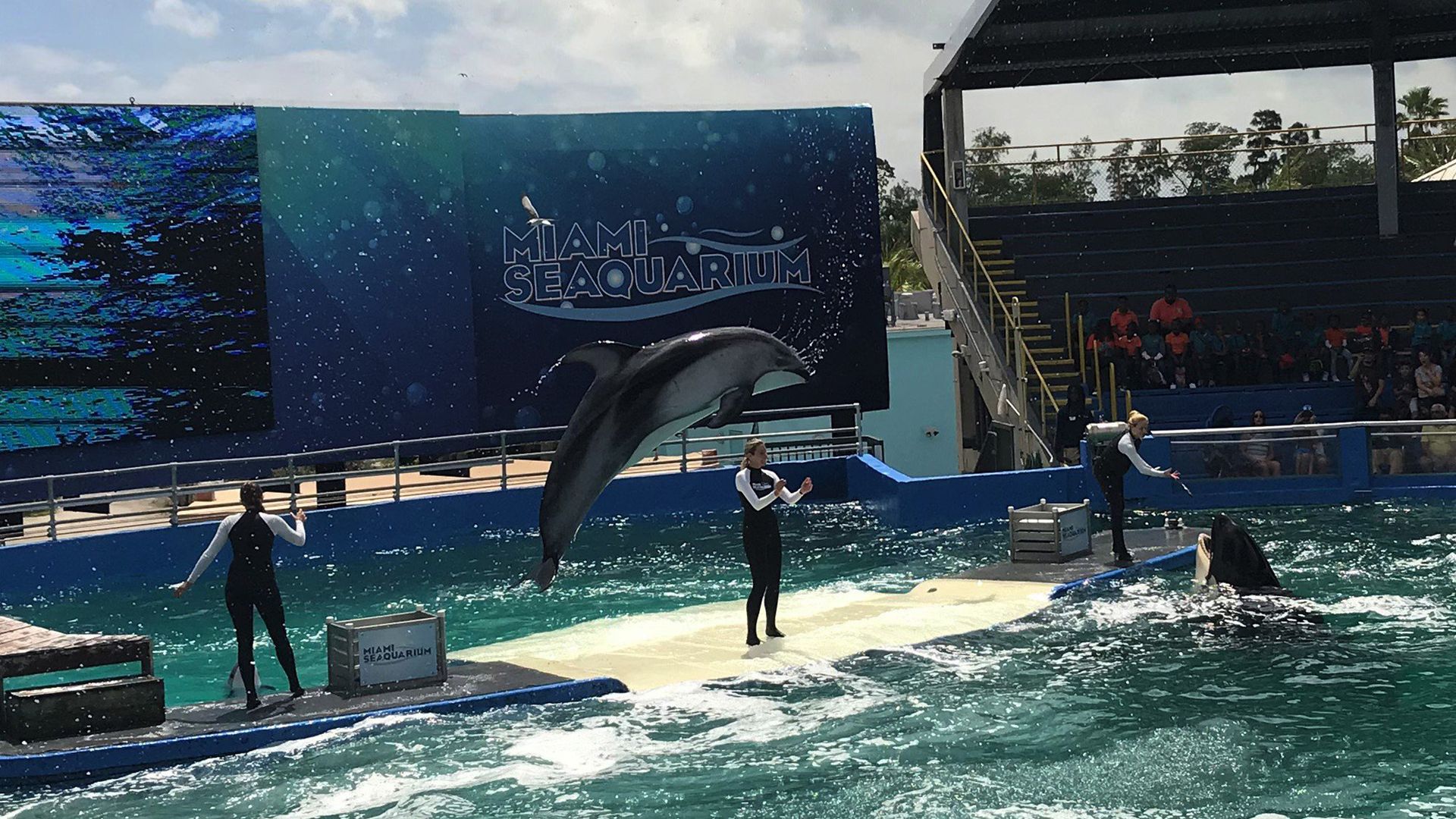
Miami Seaquarium Dolphins: Welfare Investigations, Lease Termination, and Animal Relocations
The dolphins at the Miami Seaquarium have reached a historic turning point following years of regulatory scrutiny, severe animal welfare citations, and decisive local government intervention. After repeated inspections by federal autho...
The dolphins at the Miami Seaquarium have reached a historic turning point following years of regulatory scrutiny, severe animal welfare citations, and decisive local government intervention. After repeated inspections by federal authorities documented structural deficiencies, inadequate veterinary staffing, and compromised marine life habitats, Miami-Dade County formally moved to terminate the park's lease on Virginia Key. Consequently, the resident marine mammals—including Atlantic bottlenose dolphins and Pacific white-sided dolphins—have been subject to federal oversight, facility transfers, and ongoing legal disputes over their care and permanent relocation.
Contents
Current Status of Dolphins and Marine Mammals at Miami Seaquarium
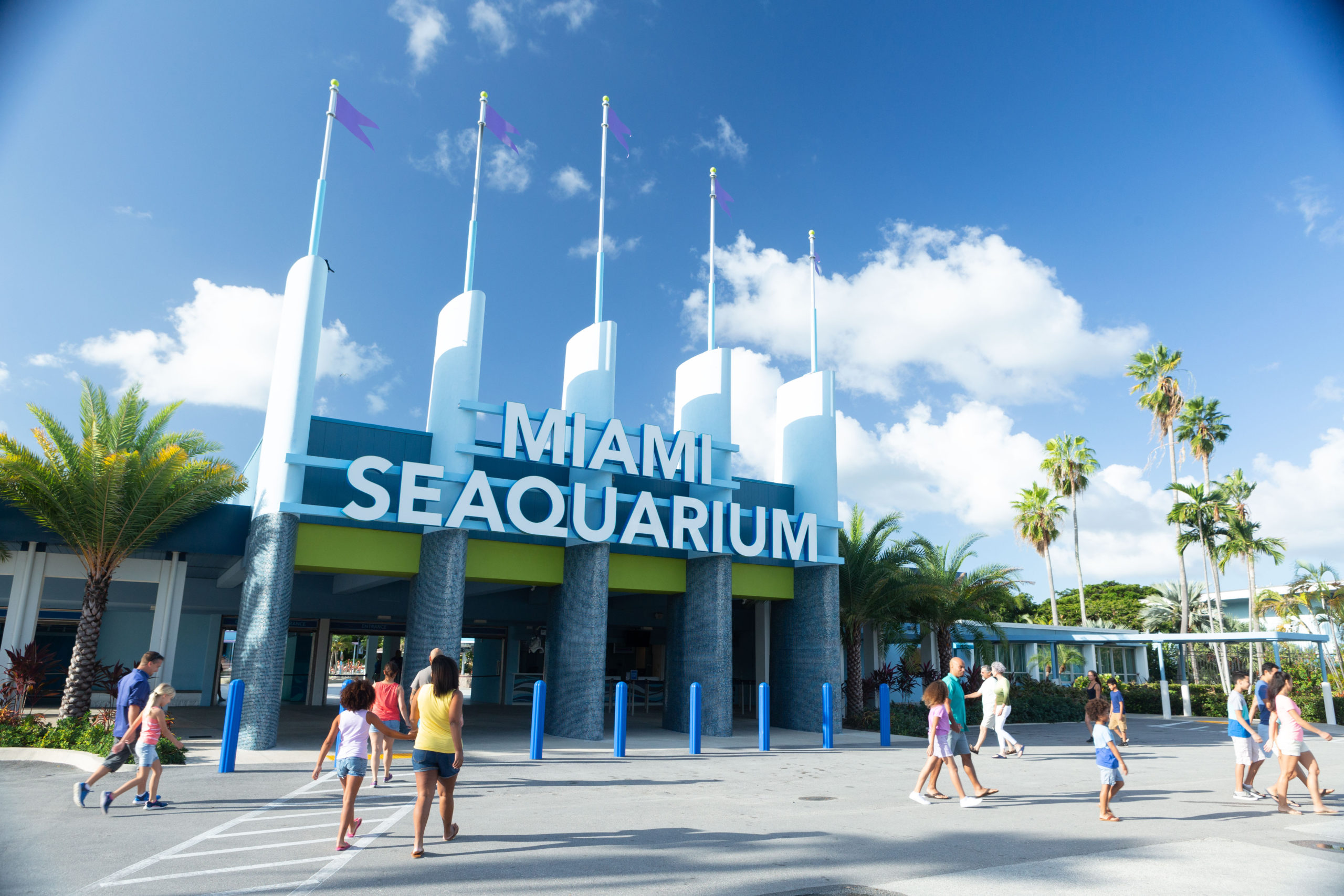
The operational status of marine mammal exhibits at the Miami Seaquarium has undergone drastic changes. Managed for decades as a commercial marine park, the facility operated under a lease agreement with Miami-Dade County on public land along Biscayne Bay. However, systematic inspections by the United States Department of Agriculture’s Animal and Plant Health Inspection Service (USDA-APHIS) uncovered persistent non-compliance with the federal Animal Welfare Act (AWA), fundamentally shifting the park's legal and operational standing.
Miami-Dade County issued a formal Notice of Lease Termination to the park’s operator, MS Leisure Corp (a subsidiary of The Dolphin Company), ordering the park to vacate the land. The county’s decision was grounded in default provisions of the lease contract, citing the operator's failure to maintain the property in a safe condition and ensure proper animal care.
- Miami-Dade County Land Lease
- Lease Termination Notice
- Eviction / Legal Proceedings
- Animal Relocation Protocols
- Eviction / Legal Proceedings
- Lease Termination Notice
- USDA APHIS Compliance Reports
- Federal Regulatory Orders
- Animal Relocation Protocols
- Federal Regulatory Orders
As a result of these enforcement actions and court proceedings:
- Dolphin Interaction Programs: Interactive swim programs and public performances involving cetaceans have been largely suspended or restricted based on regulatory mandates and habitat closures.
- Animal Transfers: Federal agencies, including USDA-APHIS and the National Oceanic and Atmospheric Administration (NOAA), have monitored the physical condition of resident cetaceans. Multiple individual animals have been approved for transport to alternative accredited marine habitats across the United States.
- Ongoing Litigation: The operator challenged the eviction in federal court, creating a legal transition period during which third-party marine mammal experts and federal inspectors maintain heightened oversight of the remaining animals on site.
Key Dolphin Species and Historical Residents
The Miami Seaquarium has historically housed multiple species of cetaceans within its outdoor tank complexes. Understanding the specific needs of these animals highlights why federal inspectors raised red flags regarding habitat dimensions, water quality, and social grouping.
Atlantic Bottlenose Dolphins (Tursiops truncatus)
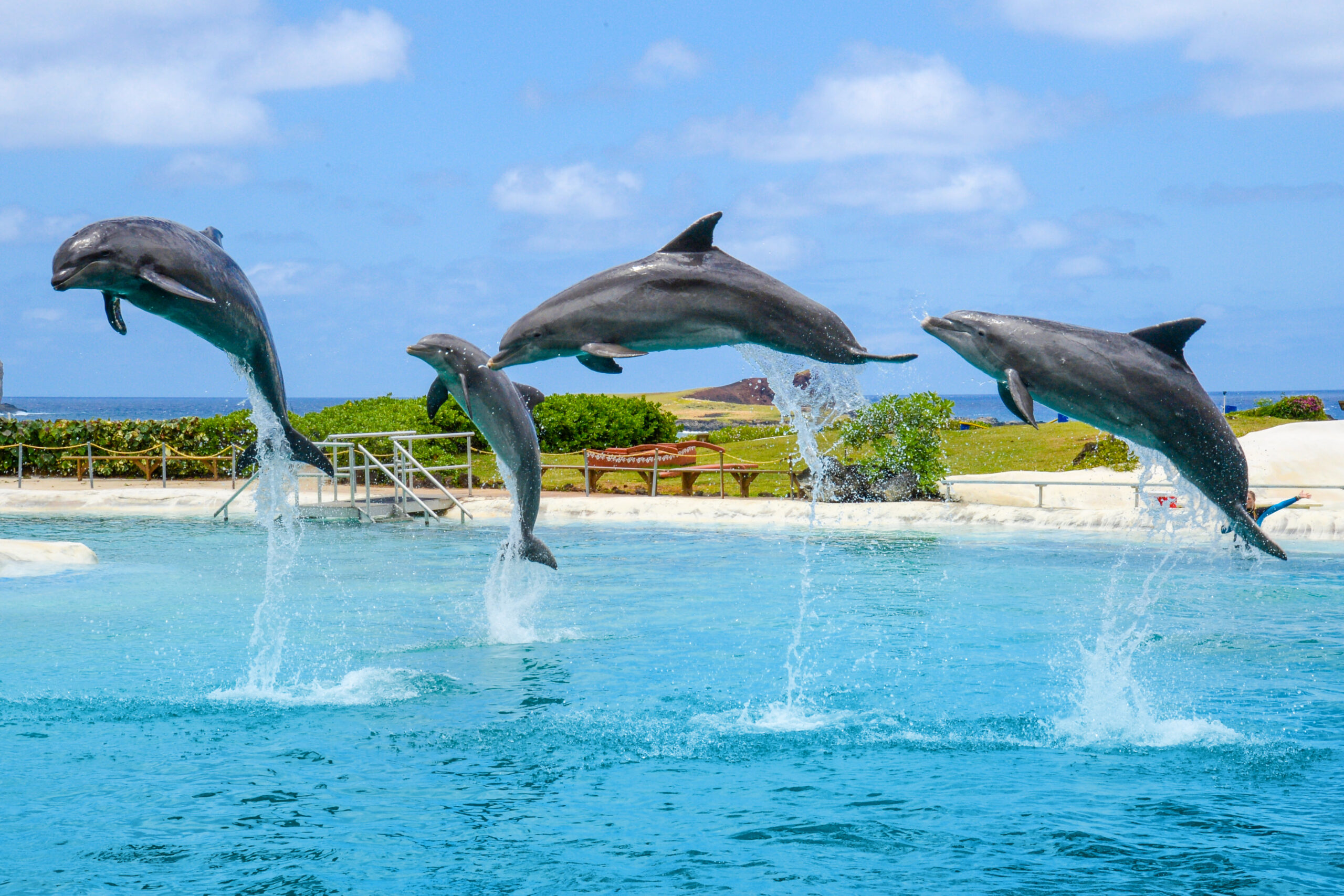
The majority of the dolphins kept at the facility are Atlantic bottlenose dolphins. In the wild, bottlenose dolphins inhabit coastal and offshore waters, travelling miles daily in complex social pods. In captivity, these animals require precise enclosure maintenance, consistent social structures, and specialized environmental enrichment. USDA reports repeatedly noted issues within the Seaquarium’s dolphin enclosures, including:
- High bacteria levels in water filtration systems.
- Inadequate shade structures exposed dolphins to intense South Florida solar radiation.
- Incompatible social groupings, which led to aggressive intra-species interactions and documented injuries among resident dolphins.
Pacific White-Sided Dolphins (Lagenorhynchus obliquidens)
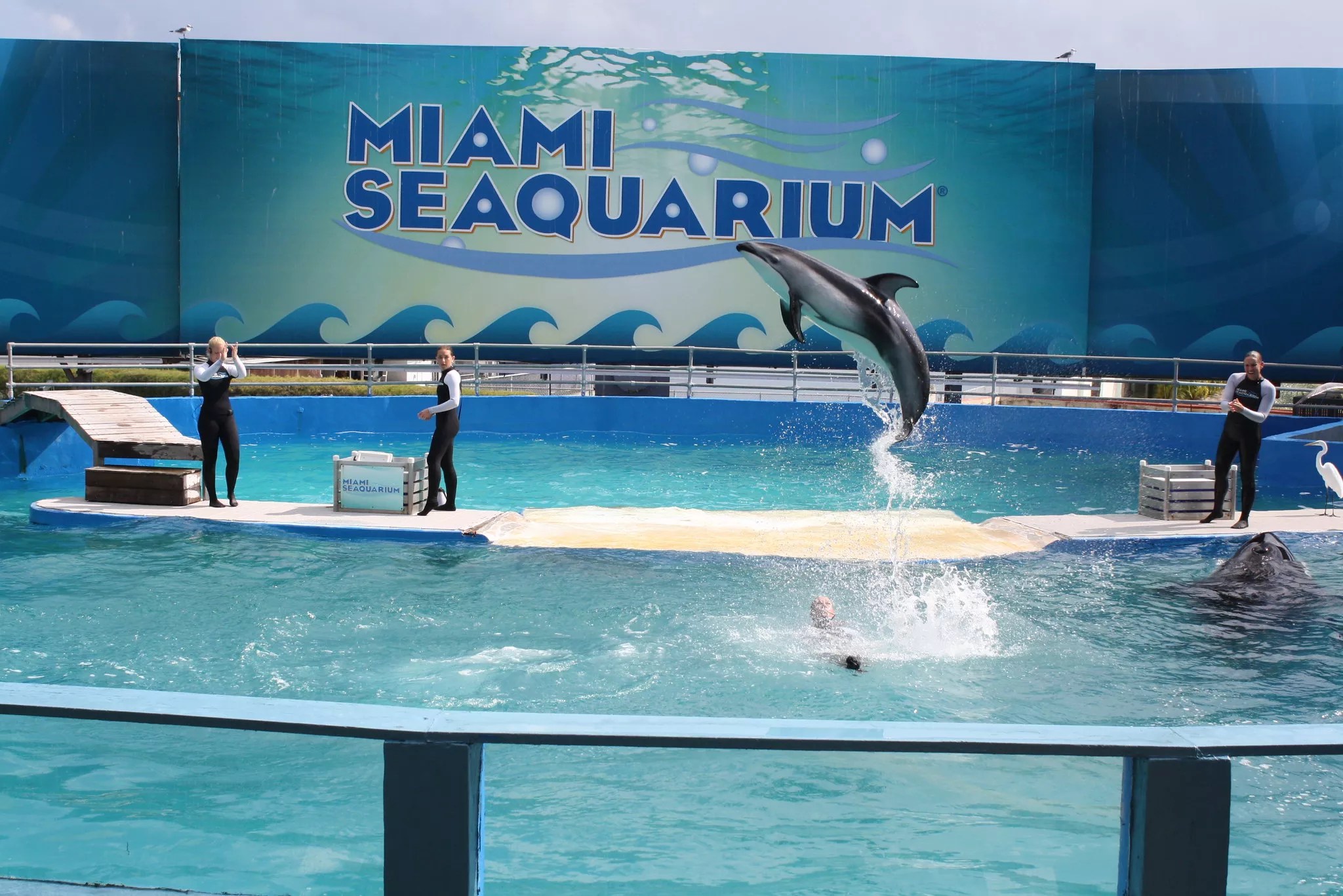
Pacific white-sided dolphins are cold-water pelagic cetaceans known for high athletic ability and fluid social dynamics. For years, the Miami Seaquarium housed Pacific white-sided dolphins alongside Tokitae (also known as Lolita), the Southern Resident killer whale who died in August 2023. Following Tokitae's death, federal regulators prioritized the relocation of surviving Pacific white-sided dolphins. Notably, Li'i, an elderly Pacific white-sided dolphin who spent decades at the Seaquarium, was successfully transported in late 2023 to SeaWorld San Antonio, where the animal joined a pod of the same species in a larger habitat.
Regulatory Findings and Animal Welfare Act Violations
The regulatory momentum against the Miami Seaquarium built steadily over several inspection cycles. USDA-APHIS conducts routine and unannounced inspections of facilities licensed under the Animal Welfare Act. Reports published between 2021 and 2024 detailed repeated failures by park management to meet basic statutory standards for marine mammal care.
Key USDA Inspection Categories:
- Veterinary Infrastructure: Unfilled attending veterinarian positions & delayed treatments
- Habitat Integrity: Crumbling concrete, exposed rebar, and stagnant filtration
- Water Sanitation: Elevated coliform bacteria & improper chlorine monitoring
Critical Inspection Citations
- Inadequate Veterinary Staffing and Delayed Care: Federal reports revealed periods during which the park lacked a full-time, qualified attending veterinarian specialized in marine mammals. Inspections documented instances where veterinary medical instructions were disregarded by management, leading to delayed diagnoses and untreated lesions, stomach ulcers, and ocular distress in dolphins.
- Water Sanitation and Environmental Control: Water quality is critical to cetacean health. Inspectors found multiple instances of faulty water filtration units, excessive water turbidity, and fluctuating salinity levels. High bacteria counts in the dolphin pools were correlated with skin lesions and eye infections in the resident population.
- Structural Hazards: Decades of exposure to saltwater and coastal weather degraded the physical infrastructure of the tanks. Inspectors documented crumbling concrete, peeling paint, and exposed rebar inside animal enclosures, creating physical hazards that resulted in ingestion of foreign objects and physical abrasions.
- Dietary Restrictions and Animal Stress: USDA reports noted unapproved reductions in food intake imposed by trainers to force animal compliance during public performances, a direct violation of animal husbandry regulations.
Timeline of Regulatory Actions and Facility Status
The structural decline and legal consequences for the Miami Seaquarium followed a clear sequence of regulatory interventions.
| Date / Period | Regulatory Agency or Entity | Event / Legal Action | Impact on Dolphin Care & Operations |
|---|---|---|---|
| March 2022 | USDA-APHIS | Transfer of operational license to MS Leisure Corp (The Dolphin Company). | New management assumed legal responsibility under conditional oversight. |
| August 2023 | Independent Veterinarians & NOAA | Death of Tokitae (Lolita), the facility's resident killer whale. | Heightened scrutiny on companion cetaceans and remaining facility habitats. |
| September 2023 | SeaWorld San Antonio / USDA | Relocation of Pacific white-sided dolphin Li'i. | Successfully moved elderly dolphin to an accredited facility with a social pod. |
| November 2023 | USDA-APHIS | Inspection issues Official Warning for AWA non-compliance. | Cited poor water quality, lack of veterinary care, and unsafe facilities. |
| January 2024 | USDA-APHIS | Notice of intent to confiscate animals or revoke license eligibility. | Escalated federal enforcement due to uncorrected structural hazards. |
| March 2024 | Miami-Dade County | Issuance of Lease Termination and Eviction Notice. | Ordered management to vacate Virginia Key property by April 2024. |
| Mid-2024–2026 | U.S. District Court & USDA | Ongoing eviction litigation and systematic animal relocations. | Federal oversight coordinates transfer of remaining bottlenose dolphins to accredited parks and sanctuaries. |
Transition and Sanctuary Alternatives for Relocated Cetaceans
Relocating cetaceans from a marine park requires complex logistical planning, federal permitting, and veterinary risk assessments. Dolphins that have spent years in human care cannot simply be released into the open ocean; long-term captivity compromises their hunting skills, immune responses, and wild pod integration capabilities.
Relocation Protocol Options:
- Option A: Accredited Facilities (AZA/AMMPA)
- Pre-established water filtration systems
- Dedicated veterinary surgical facilities
- Existing social pods for species integration
- Option B: Open Water Coastal Sanctuaries
- Protected natural bays with net enclosures
- Semi-wild environment with full human medical support
- Requires extensive environmental permitting & capital funding
Option A: Accredited Zoos and Aquariums
The immediate path for displaced dolphins involves transfer to facilities accredited by the Association of Zoos and Aquariums (AZA) or the Alliance of Marine Mammal Parks and Aquariums (AMMPA). These institutions operate under strict welfare guidelines, offering:
- Advanced water-purification infrastructure.
- Full-time veterinary teams specializing in cetacean medicine.
- Integrated social groups to prevent isolation stress.
Option B: Coastal Sea Sanctuaries
Animal welfare organizations advocate for the placement of retired dolphins in coastal sea sanctuaries. A sea sanctuary consists of a netted-off natural bay or cove where dolphins reside in ocean water while continuing to receive human food, medical treatment, and physical protection. While cost and environmental permitting remain significant hurdles, coastal sanctuaries represent an emerging model for long-term cetacean care outside of traditional concrete exhibits.
Guidance for Visitors and Ethical Marine Wildlife Tourism
For South Florida residents and tourists evaluating marine wildlife experiences, navigating ethical alternatives requires understanding industry standards and welfare accreditations.
Evaluating Marine Mammal Facilities
When researching wildlife parks or aquariums, verify their operational credentials:
- Look for AZA or AMMPA Accreditation: Facilities holding these credentials undergo rigorous peer reviews covering habitat size, veterinary care, enrichment programs, and conservation contributions.
- Review USDA Public Records: Inspection reports under the Animal Welfare Act are public records accessible through the USDA APHIS Search Tool. Travelers can check compliance histories before purchasing tickets.
- Avoid Non-Compliant Venues: Refrain from supporting facilities with active federal warnings, suspended permits, or unaddressed structural citations.
Responsible Wild Dolphin Observation
An alternative to captive dolphin exhibits is observing wild populations in their natural habitat. South Florida and the Florida Keys offer numerous wild dolphin observation tours. To ensure wildlife protection:
- Choose Operators Certified by Smart Dolphin Watch: Select tour captains trained in ethical distance guidelines.
- Maintain Statutory Distance: Under the Marine Mammal Protection Act (MMPA), it is illegal to feed, harass, chase, or swim with wild dolphins. Boats must maintain a neutral vector and remain at least 50 yards away.
- Never Offer Food: Feeding wild dolphins alters their natural foraging habits, makes them dependent on boat handouts, and exposes them to propeller injuries and fishing gear entanglement.
Frequently Asked Questions
Are dolphin shows still active at the Miami Seaquarium?
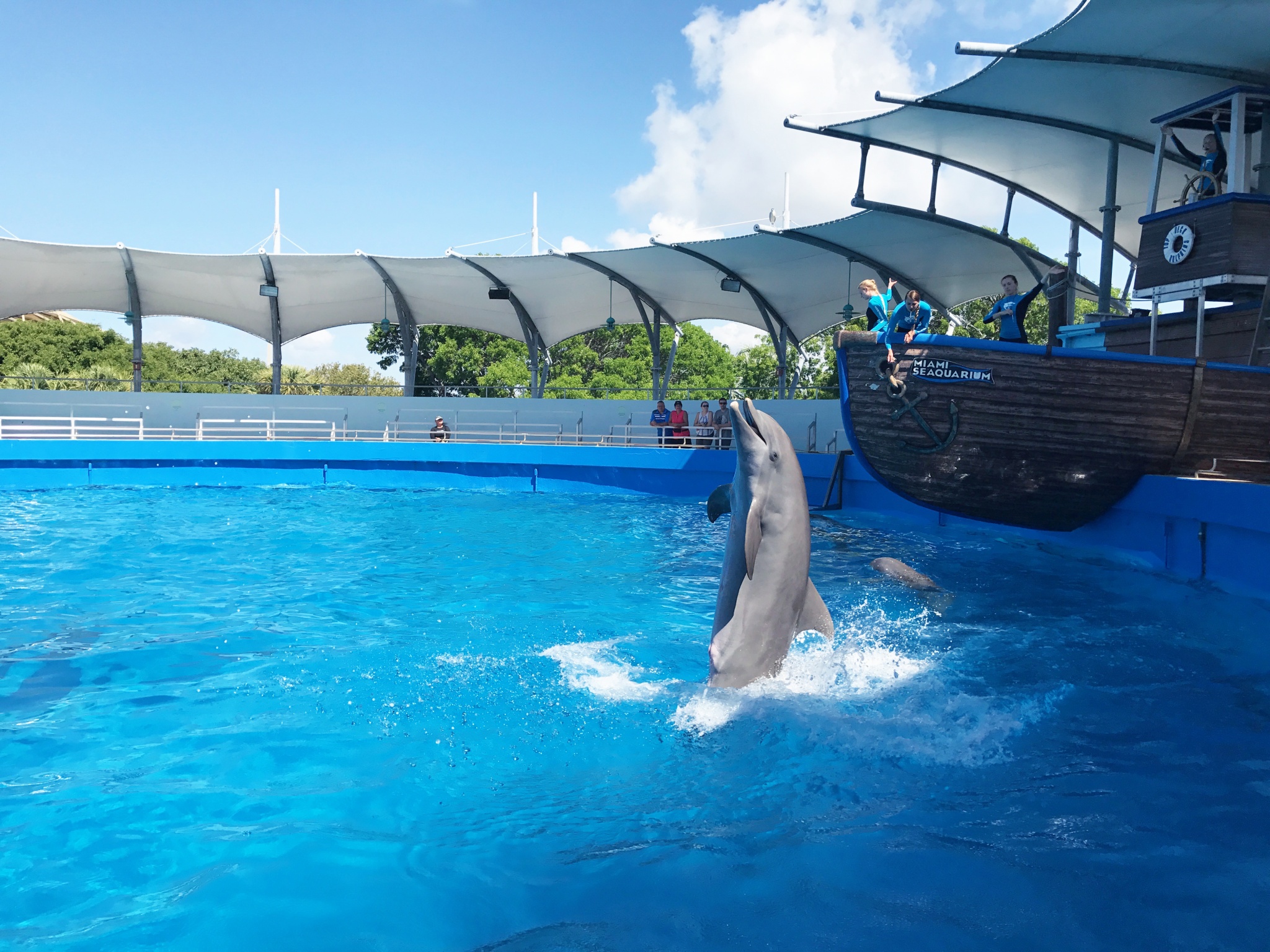
Public dolphin performances and direct interaction programs have been severely restricted or shut down. Following USDA non-compliance findings and Miami-Dade County's lease termination proceedings, regular commercial show schedules were disrupted, and focus shifted to animal welfare monitoring and transport preparations.
Why did Miami-Dade County terminate the Miami Seaquarium lease?
Miami-Dade County terminated the lease because the facility operator, MS Leisure Corp, breached contractual terms requiring them to maintain the property in good repair and comply with all federal animal welfare laws. Repeated USDA citations regarding structural decay, water contamination, and veterinary negligence constituted a default on the lease agreement.
Where are the dolphins from the Miami Seaquarium being taken?
Relocated dolphins are transferred to accredited marine facilities equipped to handle specialized medical and social needs. For example, Pacific white-sided dolphin Li'i was moved to SeaWorld San Antonio. Transfers are coordinated under strict USDA and NOAA permits to minimize travel stress and ensure suitable social pods at the receiving facilities.
Can captive dolphins from the Miami Seaquarium be released into the wild?
No, direct release into the open ocean is generally fatal for long-term captive cetaceans. Dolphins born in captivity or held for decades lack wild hunting skills, natural pod structures, and immunity to wild pathogens. Instead, conservationists advocate for relocation to accredited aquariums or protected coastal sea sanctuaries.
How does the Animal Welfare Act protect captive dolphins?
The Animal Welfare Act (AWA), enforced by USDA-APHIS, establishes minimum legal standards for enclosure dimensions, water quality, veterinary oversight, shelter, food quality, and environmental enrichment. Inspections identify non-compliant facilities, issuing orders for corrective action, fines, animal confiscation, or license revocation when standards are violated.
Practical Recommendations and Next Actions
Stakeholders, local residents, and travelers seeking to take informed action regarding marine mammal welfare should consider the following steps:
- Verify Facility Credentials: Prior to visiting any marine park, consult the USDA APHIS Public Search Tool to review past inspection reports and confirm compliance under the Animal Welfare Act.
- Support Accredited Institutions: Direct tourism expenditures toward marine institutes accredited by the Association of Zoos and Aquariums (AZA) that actively invest in wild rescue, rehabilitation, and scientific research.
- Report Wildlife Harassment: If observing wild dolphins in South Florida, report illegal feeding, swimming, or boat chasing to the NOAA Fisheries Enforcement Hotline at (800) 853-1964 or the Florida Fish and Wildlife Conservation Commission (FWC).
- Engage in Public Policy: Follow official announcements from the Miami-Dade County Board of County Commissioners regarding the long-term environmental remediation and public repurposing of the Virginia Key site.
Image Gallery