Famous People with Conversion Disorder: Historical Cases, Modern Insights, and FND
Conversion disorder—officially classified in modern diagnostic manuals as Functional Neurological Disorder (FND)—is a neurological condition where the brain's signaling system fails, causing real physical symptoms such as paralysis, se...
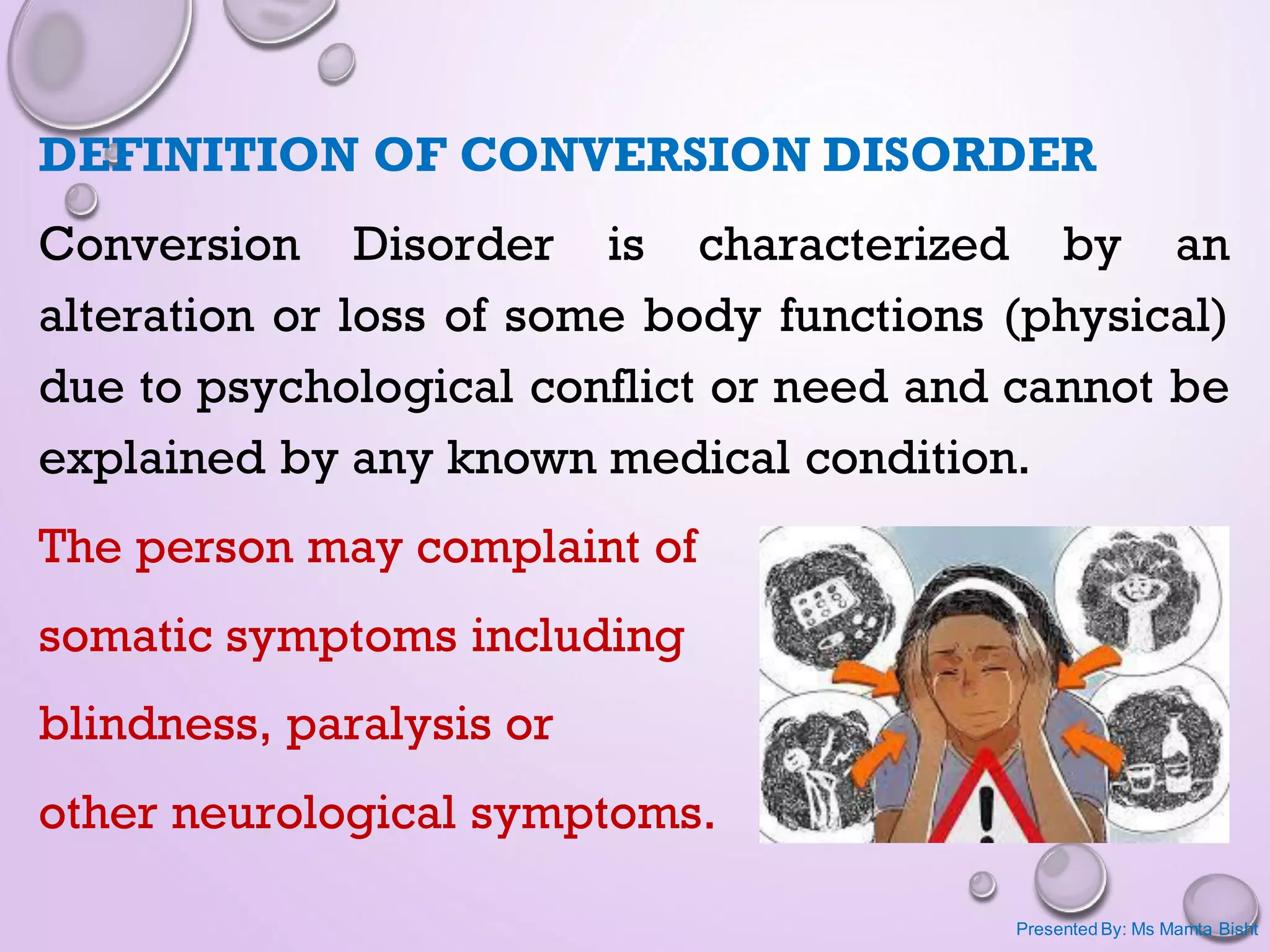
Conversion disorder—officially classified in modern diagnostic manuals as Functional Neurological Disorder (FND)—is a neurological condition where the brain's signaling system fails, causing real physical symptoms such as paralysis, seizures, blindness, or tremors without an underlying structural disease or organic brain lesion. Throughout medical history, numerous public figures, historical icons, and famous clinical case studies have brought this complex condition into the public eye.
Contents
Understanding how famous individuals experienced and managed these symptoms helps demystify a condition that was once misunderstood as "hysteria," shedding light on the evolving neuroscience behind brain network dysfunctions and stress-related physical illness.
Understanding Conversion Disorder: From "Hysteria" to FND
To understand historical and modern accounts of conversion disorder, one must first recognize how medical terminology has transformed. In the 19th and early 20th centuries, physicians like Jean-Martin Charcot, Josef Breuer, and Sigmund Freud categorized unexplained neurological symptoms under the umbrella term "hysteria." Freud posited that unexpressed psychological trauma was "converted" into physical manifestations, coining the term conversion disorder.
Today, medical consensus led by the American Psychiatric Association (APA) and the World Health Organization (WHO) has shifted away from purely psychological explanations. The Diagnostic and Statistical Manual of Mental Disorders, Fifth Edition, Text Revision (DSM-5-TR) and the International Classification of Diseases (ICD-11) utilize the term Functional Neurological Disorder (FND).
Modern neuroimaging shows that FND involves functional connectivity errors within the brain's software rather than physical damage to its hardware. While psychological stress can trigger or exacerbate episodes, FND is recognized as a genuine, involuntary, and biological neurological condition.
Canonical Historical Figures and Case Studies
Much of what early psychiatry learned about conversion disorder stems from high-profile clinical cases in the late 1800s and early 1900s. Although these individuals were initially known through clinical pseudonyms, their true identities later revealed notable historical women whose experiences fundamentally shaped modern psychology and neurology.
Bertha Pappenheim ("Anna O.")
Bertha Pappenheim is arguably the most famous clinical case study in the history of psychotherapy. Treated by Dr. Josef Breuer between 1880 and 1882, Pappenheim experienced severe neurological symptoms following the illness and death of her beloved father. Her symptoms included:
- Partial paralysis of the limbs (limb rigidity)
- Severe involuntary eye movements (strabismus)
- Loss of speech (aphasia) and inability to speak her native German
- Psychogenic cough and hallucinations
Breuer and Freud documented her treatment in Studies on Hysteria (1895), describing how discussing her traumatic memories alleviated her physical symptoms—a process Pappenheim famously nicknamed the "talking cure."
Pappenheim later recovered and became a pioneering German feminist, social worker, and founder of the League of Jewish Women. Her case remains the quintessential historical example of conversion disorder.
Ida Bauer ("Dora")
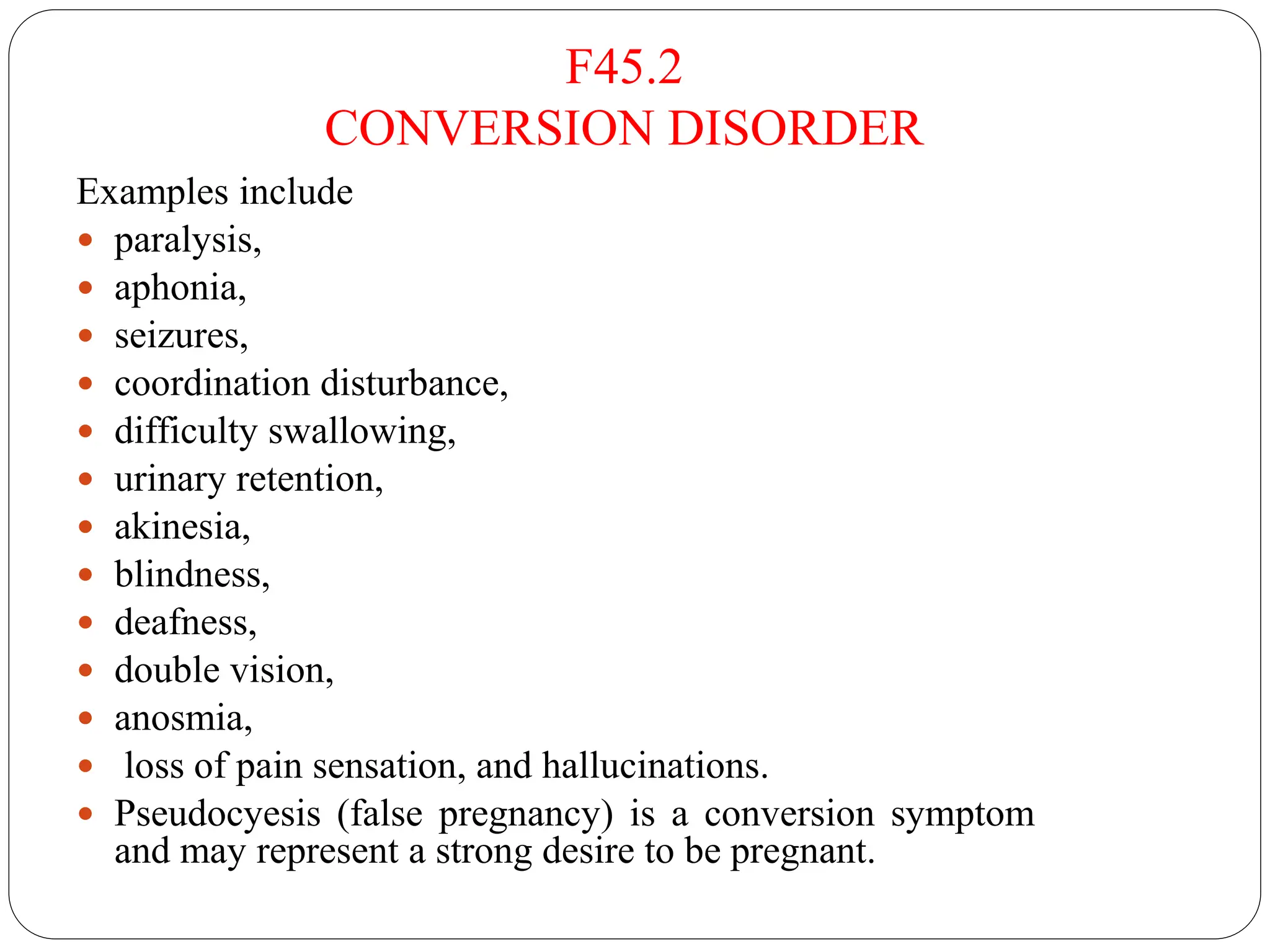
Ida Bauer was an Austrian woman immortalized by Sigmund Freud in his 1905 publication Fragment of an Analysis of a Case of Hysteria. Bauer suffered from sudden loss of voice (aphonia), chronic coughing fits, and difficulty walking.
Freud diagnosed her with conversion hysteria, arguing her physical symptoms were physical manifestations of family trauma and unwanted interpersonal pressures. Although modern clinicians critique Freud's psychoanalytic interpretation of her case, Bauer's documented symptoms represent classic presentations of functional voice disorders and motor dysfunction.
Ilona Weiss ("Elisabeth von R.")
Ilona Weiss sought treatment from Freud in the early 1890s for severe, intractable leg pain and an inability to walk, a condition termed astasia-abasia. Detailed neurological examinations failed to uncover any muscular or spinal lesions.
Freud identified her condition as conversion disorder stemming from unresolved grief and family obligations. Through physical therapy combined with early psychoanalytic techniques, Weiss regained her mobility, illustrating the classic presentation of functional gait disorder.
Notable Public Figures and Retrospective Analyses
Beyond clinical literature, several prominent historical figures suffered from documented physical illnesses that modern medical historians and neuropsychiatrists analyze as functional neurological phenomena or severe somatization.
DISCLAIMER: Retrospective diagnoses of historical figures are based on modern medical scholarship and historical records. They serve an educational purpose and should not replace formal clinical evaluations of living individuals.
Mary Todd Lincoln
First Lady Mary Todd Lincoln experienced profound personal tragedy, including the deaths of three of her four sons and the assassination of her husband, President Abraham Lincoln. Historical records document that she suffered from severe, episodic physical impairments, including:
- Temporary blindness and severe migraine-like headaches
- Sudden fainting spells and motor weakness
- Intense emotional instability and chronic pain
While physical ailments like pernicious anemia were present, neuropsychiatric evaluations of her historical records suggest she also experienced severe somatic symptom responses and conversion phenomena linked to severe trauma.
Florence Nightingale
The founder of modern nursing, Florence Nightingale, spent much of her life after the Crimean War bedridden due to debilitating fatigue, spinal pain, and muscular weakness.
While historical consensus acknowledges she suffered from chronic brucellosis (contracted during the war), several medical historians note that her physical immobility was compounded by severe stress and trauma-induced functional symptoms. Despite her physical restrictions, she authored over 200 books and reports from her bed, demonstrating the complex interplay between physical limitation and intellectual function.
Mass Psychogenic Illness and Public Outbreaks
Conversion disorder can also manifest collectively in groups, a phenomenon known as Mass Psychogenic Illness (MPI) or collective functional neurological symptoms. Famous historical instances highlight how social contagion and stress can induce functional physical symptoms across populations:
- The Salem Witch Trials (1692): Modern medical scholars hypothesize that the physical seizures, contortions, and temporary loss of speech reported by young girls in Salem were manifestations of mass conversion illness triggered by extreme religious stress, social conflict, and fear.
- The Tanganyika Laughter Epidemic (1962): In modern-day Tanzania, an outbreak of uncontrollable laughter, crying, and pain affected hundreds of students across multiple schools, lasting several months. Neurological studies confirmed no toxicological or infectious cause, identifying it as a mass functional symptom outbreak.
- Havana Syndrome Cases: Investigations by the National Academies of Sciences, Engineering, and Medicine into unexplained neurological symptoms (dizziness, nausea, brain fog) reported by international diplomats highlighted that while environmental factors are studied, functional neurological responses play a major role in how stress manifests physically in high-risk environments.
Comparing Conversion Disorder (FND) to Related Conditions
Understanding conversion disorder requires distinguishing it from other medical and psychiatric conditions. A common misconception is that patients with conversion disorder are "faking" their symptoms. Clinical evidence conclusively demonstrates that functional symptoms are involuntary and real.
| Metric / Feature | Conversion Disorder / FND | Malingering | Factitious Disorder (e.g., Munchausen) | Organic Neurological Disease (e.g., MS, ALS) |
|---|---|---|---|---|
| Symptom Volition | Involuntary (Real) | Voluntary (Feigned) | Voluntary (Feigned) | Involuntary (Real) |
| Primary Motivation | None (Unconscious brain signaling error) | External gain (Financial, legal, work avoidance) | Internal gain (Adopting the sick role) | None (Pathological tissue damage) |
| Diagnostic Findings | Inconsistent physical signs (e.g., positive Hoover's sign) | Intentional deception detected | Deliberate falsification or self-induction | Structural/pathological abnormalities on MRI/EMG |
| Primary Treatment | Specialized Physical Therapy & CBT | N/A (Legal/behavioral issue) | Psychotherapy & Behavioral Management | Disease-specific medical/surgical intervention |
Symptoms and Clinical Presentation of Functional Neurological Disorder
FND can manifest in various ways, affecting voluntary motor or sensory functions. Symptoms frequently fluctuate in severity and can be triggered by physical injuries, panic attacks, or emotional stress, though they often arise without any identifiable trigger.
Common Motor Symptoms
- Functional Movement Disorders: Tremors, dystonia (involuntary muscle contractions), gait abnormalities, or myoclonus (sudden muscle jerks).
- Weakness and Paralysis: Sudden inability to move limbs, often affecting one side of the body (mimicking a stroke).
- Swallowing and Speech Difficulties: Dysphagia (difficulty swallowing), dysphonia (hoarseness), or complete aphonia (loss of voice).
Common Sensory and Paroxysmal Symptoms
- Non-Epileptic Seizures (PNES / NEAD): Dissociative attacks that resemble epileptic seizures but lack the abnormal electrical discharge in the brain measured by an electroencephalogram (EEG).
- Sensory Loss: Sudden numbness, loss of touch sensation, blindness, or double vision.
Modern Clinical Diagnostic Standards and Treatments
Diagnosing conversion disorder no longer relies solely on ruling out other diseases (exclusion diagnosis). Instead, neurologists use positive clinical signs during examination to confirm FND.
Diagnostic Tools
- Hoover's Sign: Tests for voluntary versus involuntary leg strength. Weakness in hip extension that restores to normal strength when pushing down the opposite leg indicates functional weakness.
- Tremor Entrainment Test: Demonstrates whether a functional tremor changes frequency or stops when the patient taps a rhythm with their unaffected hand.
- Video-EEG Monitoring: Differentiates psychogenic non-epileptic seizures (PNES) from epileptic activity.
Evidence-Based Treatment Pathways
Modern treatment for conversion disorder requires an interdisciplinary approach that combines neurology, physical therapy, and mental health care.
FND / Conversion Diagnosis
- Specialized Physical Therapy: Retrains normal movement patterns and restores brain signaling.
- Cognitive Behavioral Therapy: Addresses stress, trauma, and brain-body communication.
Long-Term Neurological Rehabilitation & Self-Care
Clear Diagnosis Delivery: Understanding that the symptoms are real, non-structural, and potentially reversible is the single most important step in recovery, as outlined by guidelines from the National Institute of Neurological Disorders and Stroke (NINDS).
Specialized Neurological Physical Therapy: Physical therapists use distraction techniques and movement retraining to help the brain bypass faulty signaling pathways.
Cognitive Behavioral Therapy (CBT): CBT helps patients identify emotional stress triggers, manage panic responses, and process underlying trauma that may contribute to symptom flare-ups.
Occupational Therapy: Helps individuals adapt daily routines, restore confidence, and maintain independence in home and work environments.
Actionable Steps for Individuals Experiencing Functional Symptoms
If you or a loved one are experiencing unexplained neurological symptoms:
- Consult a Neurologist: Seek an evaluation from a board-certified neurologist to undergo formal testing (MRI, EEG, electromyography) to rule out structural disease and confirm positive signs of FND.
- Access Specialized FND Clinics: Request a referral to multidisciplinary centers that specialize in functional neurological disorders and physical rehabilitation.
- Educate Yourself and Your Support Network: Resources such as FND Hope International provide patient education, community support networks, and clinical research updates.
- Prioritize Mind-Body Therapies: Incorporate stress-reduction techniques, biofeedback, and specialized psychotherapy alongside physical rehabilitation.
Frequently Asked Questions
Are people with conversion disorder faking their symptoms?
No. Symptoms of conversion disorder (FND) are entirely real and involuntary. Neuroimaging studies confirm that patients with FND experience genuine disruption in brain network processing, meaning they have no conscious control over their physical symptoms.
What is the difference between conversion disorder and FND?
Conversion disorder is the historical and psychiatric term (DSM-5), whereas Functional Neurological Disorder (FND) is the modern medical and neurological term. FND is preferred by clinicians because it describes the underlying issue—a functional problem with how the nervous system sends signals—without assuming a purely psychological cause.
Can severe psychological trauma cause paralysis or seizures?
Yes. Extreme emotional stress, unresolved psychological trauma, or physical injury can alter brain network connectivity in vulnerable individuals, leading to functional symptoms such as psychogenic non-epileptic seizures (PNES) or functional paralysis.
Is conversion disorder curable?
Many patients experience significant recovery or complete resolution of symptoms with early diagnosis, specialized physical therapy, and cognitive behavioral therapy. Long-standing symptoms may require ongoing management, but improvement is achievable at any stage.
How do doctors test for conversion disorder?
Neuromuscular specialists look for specific "positive signs" of functional disease, such as Hoover's sign for leg weakness or tremor entrainment. They also use neurodiagnostic tests like MRIs and EEGs to ensure there is no structural damage or electrical seizure activity.
EDITORIAL CATEGORY METADATA:
Image Gallery