Understanding Hammerhead Shark and Stingray Interactions in Australian Waters
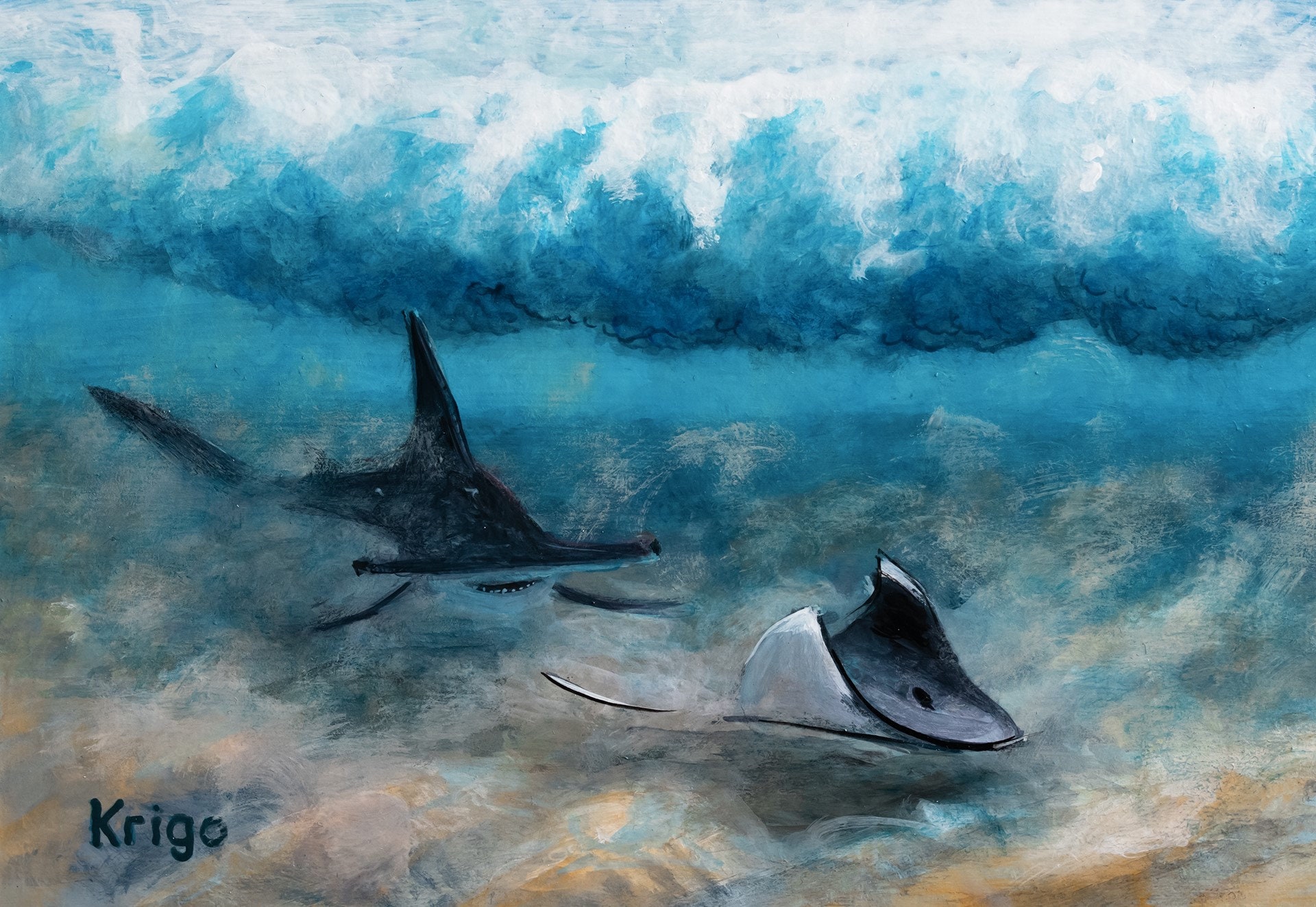
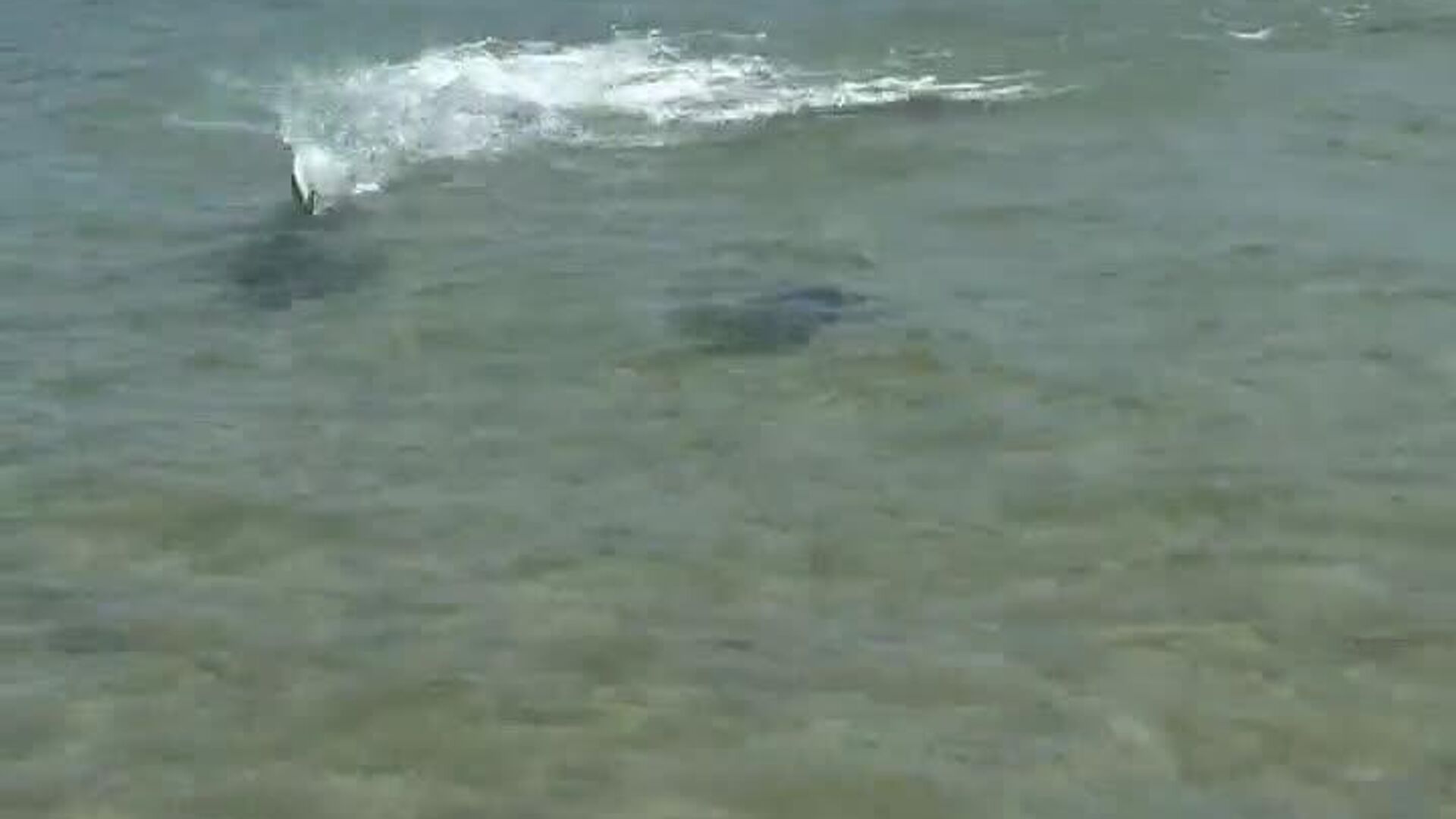
In Australian coastal waters, the sight of a hammerhead shark chasing a stingray is a dramatic display of specialized apex predation. This behavior is a natural ecological process where the hammerhead uses its unique head shape, known...
In Australian coastal waters, the sight of a hammerhead shark chasing a stingray is a dramatic display of specialized apex predation. This behavior is a natural ecological process where the hammerhead uses its unique head shape, known as a cephalofoil, to pin rays to the seabed. While visually startling, these encounters are common in regions like Western Australia and Queensland, reflecting a healthy marine food web.
Contents
The Evolutionary Design of the Hunter: Why Hammerheads Target Rays
Hammerhead sharks are among the most recognizable marine predators, and their distinct morphology is perfectly adapted for hunting benthic (bottom-dwelling) prey, particularly stingrays. While many sharks are opportunistic feeders, several species of hammerheads have evolved as specialists in ray predation.
The Role of the Cephalofoil
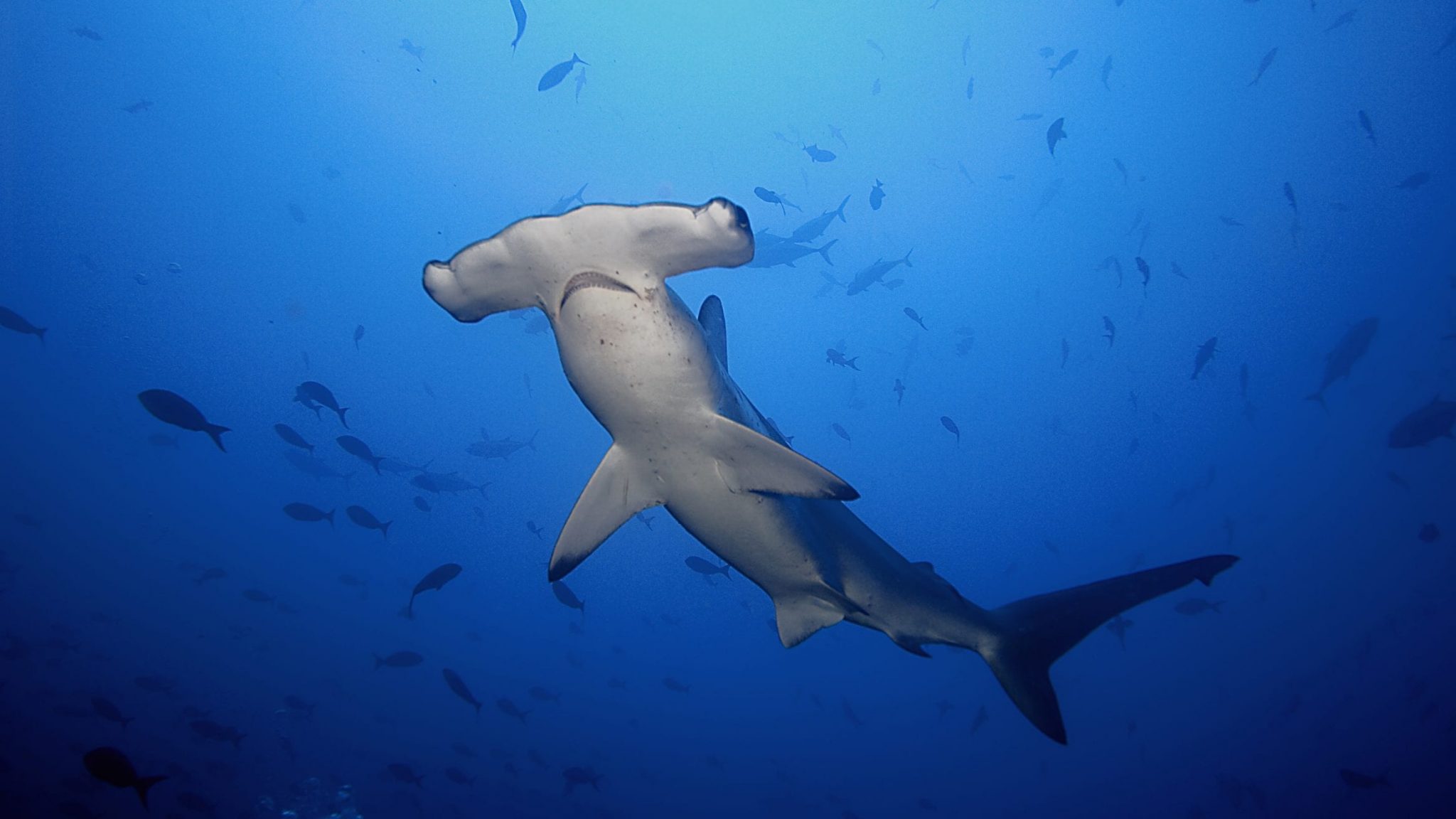
The "hammer" or cephalofoil serves multiple purposes during a chase. Firstly, it provides significant hydrodynamic lift, allowing the shark to make sharp, agile turns that follow the erratic escape patterns of a stingray. Because stingrays are highly maneuverable in shallow water, the hammerhead requires this enhanced stability to maintain the pursuit.
Secondly, the widened head allows for a greater distribution of sensory organs. By spreading their eyes and nostrils further apart, hammerheads gain a wider field of vision and a more nuanced chemical trail (olfaction). This is critical when a stingray attempts to hide by kicking up sand or darting behind reef structures.
Electroreception: The Ampullae of Lorenzini
Perhaps the most critical tool in the hammerhead's arsenal is its enhanced electroreception. All sharks possess Ampullae of Lorenzini—small pores that detect the weak electrical fields emitted by living organisms. In hammerheads, these pores are spread across the expansive surface area of the cephalofoil.
This creates a high-definition "metal detector" effect. When a stingray buries itself under the sand to escape, the hammerhead can sweep its head over the substrate and pinpoint the ray’s exact location based on its heartbeat and muscle contractions. In the murky or sandy waters often found along the Australian coastline, this sensory advantage makes the stingray’s primary defense—camouflage—virtually useless.
Common Species Involved in Australian Encounters
Australia is home to several species of hammerheads, but only a few are large enough and specialized enough to engage in high-speed chases with large stingrays in shallow coastal zones.
Great Hammerhead (Sphyrna mokarran)
The Great Hammerhead is the largest of the genus, reaching lengths of up to 6 meters. In Australia, they are frequently sighted in the tropical north and as far south as New South Wales during warmer months. These sharks are the primary predators of large rays. They are known for their high, sickle-shaped first dorsal fin, which is often visible above the waterline during shallow-water hunts.
Scalloped Hammerhead (Sphyrna lewini)
Smaller than the Great Hammerhead, the Scalloped Hammerhead is more social and often found in large schools. While they do eat rays, they tend to target smaller individuals or cephalopods. You are likely to see these in the deeper waters of the Great Barrier Reef or the Ningaloo Reef slope, though juveniles often frequent estuaries and bays where stingrays are abundant.
The Prey: Australian Stingray Varieties
Australia’s diverse ray population provides a consistent food source for hammerheads. The species most commonly chased include:
- Southern Stingray: Common in sandy shallows.
- Bluespotted Maskray: Often found around coral rubble.
- Eagle Rays: Though more pelagic, they are frequently targeted by Great Hammerheads in open water.
Mechanics of the Hunt: Pinning and Precision
The "chase" is only the first phase of the interaction. Observers and drone pilots in Australia often capture the moment the shark finally reaches the ray. Unlike other sharks that rely on a single devastating bite, the hammerhead uses a specific technique called "pinning."
Once the shark is within range, it uses the flat underside of its cephalofoil to press the stingray firmly against the ocean floor. This prevents the ray from using its powerful pectoral fins to swim away and, crucially, keeps the ray's venomous tail barb pinned down. By neutralizing the ray’s primary defense, the hammerhead can then pivot its mouth—which is relatively small and located underneath the head—to deliver a bite to the ray's "wings" (pectoral fins).
A hammerhead will often disable the ray by biting both wings before consuming the body. This methodical approach reduces the risk of the shark being pierced by the ray’s barb, though many adult hammerheads are found with multiple stingray barbs embedded in their jaws and heads, seemingly unaffected by the venom.
Prime Locations for Sightings in Australia
As of 2026, drone technology and increased coastal tourism have made these encounters more "visible" to the public, though they have been occurring for millennia. Several Australian hotspots are renowned for these sightings.
Ningaloo Reef, Western Australia
Ningaloo is a premier location for witnessing hammerhead predation. The reef’s clear, shallow lagoons provide a perfect backdrop for observing Great Hammerheads patrolling the "shallows" in search of rays. During the summer months, the movement of migratory species increases the frequency of these interactions.
Moreton Bay and Gold Coast, Queensland
The sandy canals and shallow flats of Southeast Queensland are high-traffic areas for stingrays. Consequently, hammerheads are frequently spotted in very shallow water—sometimes only a few meters from the shore. The Gold Coast Seaway is a known corridor where these predators wait for the tide to move prey through narrow passages.
The Great Barrier Reef (GBR)
While the GBR is vast, the inner reefs and sandy cays are the most common spots for these chases. The high biodiversity of the GBR ensures that hammerheads have a steady supply of various ray species, from small bluespotted rays to larger ribbontail rays.
Comparison of Hammerhead Species in Australia
| Feature | Great Hammerhead (S. mokarran) | Scalloped Hammerhead (S. lewini) | Smooth Hammerhead (S. zygaena) |
|---|---|---|---|
| Max Length | 6.1 Meters | 4.3 Meters | 5.0 Meters |
| Head Shape | Nearly straight front edge | Indented "scalloped" center | Smooth, curved front edge |
| Primary Habitat | Coastal & Oceanic (Tropical) | Coastal/Continental Shelf | Temperate Waters (Southern AU) |
| IUCN Status | Critically Endangered | Critically Endangered | Vulnerable |
| Predation Style | Solo Specialist Ray Hunter | Generalist/Schooling | Opportunistic |
Seasonal Patterns and Migration in 2026
The frequency of hammerhead and stingray encounters in Australia is heavily dictated by water temperature and migratory patterns. In 2026, marine biologists continue to track the "Hammerhead Highway," a migratory route that sees these sharks moving south along the Western and Eastern coasts as the Leeuwin and East Australian Currents bring warm water further down the continent.
During the Australian summer (December to March), Great Hammerheads are more likely to be seen in the cooler waters of New South Wales and Southern Western Australia. As the water cools in winter, they retreat toward the tropical waters of the Northern Territory and Northern Queensland. Stingray populations are generally more resident, but they may move into deeper water or bury themselves deeper in the silt during cold snaps, making them harder for sharks to locate.
Risk Assessment: Is it Safe for Human Swimmers?
Seeing a large shark chasing prey near a popular beach often causes alarm, but it is important to contextualize the risk. Hammerheads, despite their size and fearsome appearance, are not typically aggressive toward humans.
- Focused Predation: When a hammerhead is in "hunting mode" for a stingray, its sensory systems are locked onto the electrical signature and movement of its prey. It is highly unlikely to mistake a human for a flat, bottom-dwelling ray.
- Shallow Water Safety: While the chase may occur in knee-deep water, the shark is usually more interested in escaping the shallow area once the meal is secured.
- Mouth Anatomy: The hammerhead’s mouth is relatively small and underslung, designed for grasping and crushing shells or ray wings rather than the "sawing" bite associated with Great White or Tiger sharks.
However, swimmers should always exit the water if they witness a hunt. The presence of blood and the thrashing of a distressed ray can attract other, more opportunistic predators like Bull Sharks. Following local SharkSmart guidelines is essential for coastal safety in Australia.
Ecological Significance of Apex Predation
The interaction between hammerheads and stingrays is a vital component of the Australian marine ecosystem. By preying on rays, hammerheads prevent the overgrazing of seagrass beds and mollusk populations. Stingrays are major consumers of bivalves and crustaceans; without natural predators to keep their numbers in check, they could easily deplete local shellfish stocks, leading to a collapse in biodiversity.
Furthermore, the status of hammerhead populations serves as an indicator of reef health. As an endangered species, the presence of Great Hammerheads in Australian waters suggests that the food web is still capable of supporting high-level predators. Conservation efforts by organizations like the Australian Institute of Marine Science (AIMS) focus on protecting these sharks from illegal fishing and habitat loss to ensure these natural behaviors continue.
FAQs
Why do hammerhead sharks hunt in such shallow water?
Stingrays often frequent the shallows to avoid larger deep-water predators and to find food in the sand. Hammerheads follow them into these areas because their unique head shape provides the lift and maneuverability needed to navigate thin water that would be difficult for other large sharks.
Can a stingray kill a hammerhead shark?
While a stingray's barb can cause significant injury or infection, it is rarely fatal to a hammerhead. Hammerheads have evolved thick skin and muscle tissue in their head and jaw area, and many are found with dozens of barbs embedded in them with no apparent ill effects.
How common are Great Hammerheads in Australia?
Great Hammerheads are widely distributed across Northern Australia and move south seasonally. While they are "Critically Endangered" globally, Australia remains one of the few places where they can still be seen relatively frequently in their natural habitat.
Is the hammerhead shark's head actually hard like a hammer?
The cephalofoil is made of cartilage, just like the rest of the shark's skeleton. It is firm but flexible. It is not "hard" like bone, but it is structurally strong enough to be used as a tool to pin down struggling prey.
What should I do if I see a shark chasing a ray at the beach?
Stay calm and exit the water quietly. Do not attempt to get closer for photos or videos from inside the water. Most of the footage of these events is captured via drones or from elevated positions on the shore or jetties, which is the safest way to observe.
Practical Recommendation
For those interested in witnessing these natural behaviors, the best approach is to visit the Ningaloo Coast between May and August or the Gold Coast during the summer months. Utilize polarized sunglasses to reduce surface glare, which makes it much easier to spot the silhouette of a hammerhead in the shallows. If you are a drone operator, ensure you follow all CASA (Civil Aviation Safety Authority) regulations and maintain a respectful distance from the wildlife to avoid interfering with the natural hunt.
Image Gallery