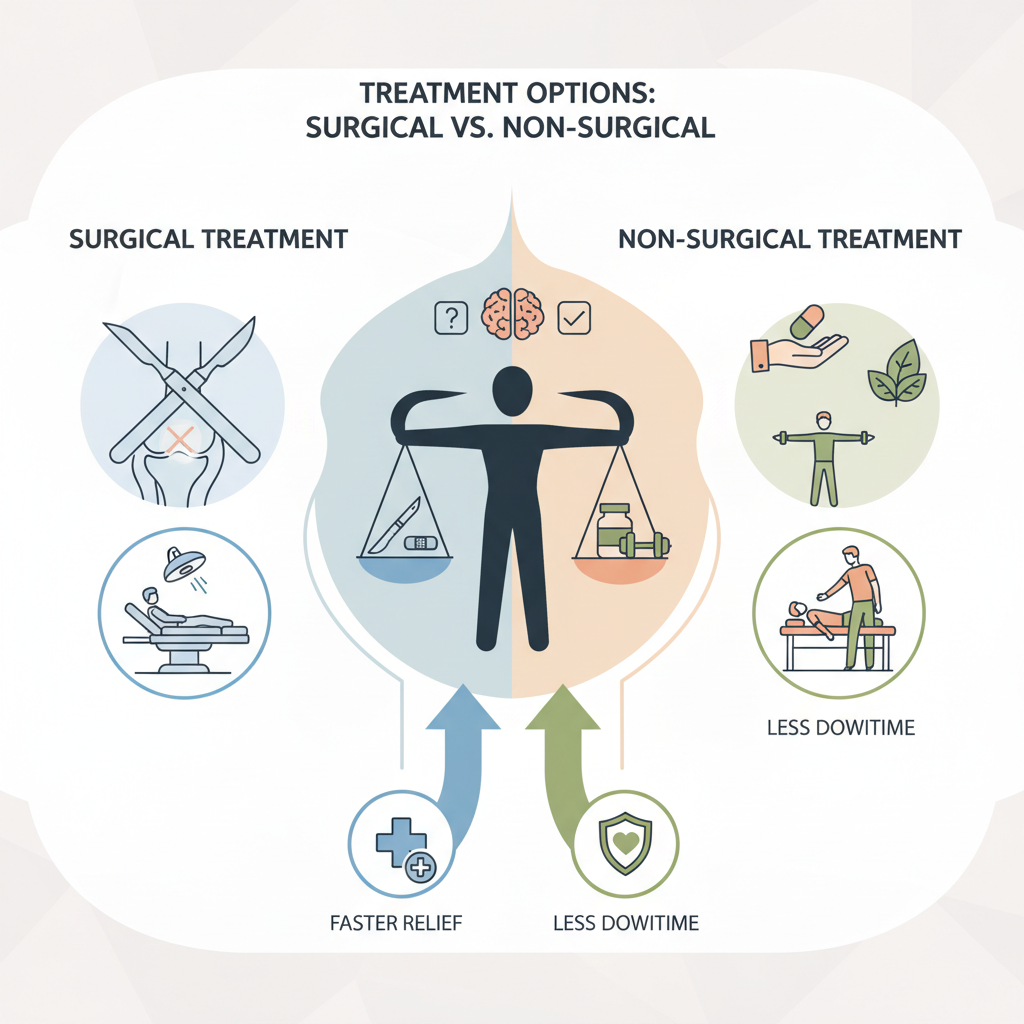
What to Know About Slim Surgery Options
When exploring what to know about slim surgery options, patients typically look into minimally invasive bariatric or body-contouring procedures designed to reduce body mass, reshape specific anatomical regions, or assist with significa...
When exploring what to know about slim surgery options, patients typically look into minimally invasive bariatric or body-contouring procedures designed to reduce body mass, reshape specific anatomical regions, or assist with significant weight loss. These interventions range from endoscopic bariatric therapies to specialized plastic surgery techniques, each carrying distinct physiological requirements, recovery trajectories, and clinical indications.
Contents
Navigating the landscape of surgical interventions for weight management and body contouring requires a careful balance of medical evaluation, realistic expectations, and an understanding of procedural variations. Whether considering operations designed to restrict stomach capacity or procedures focused on removing excess loose tissue after weight reduction, patients must understand the physiological impacts, preparation protocols, and long-term maintenance requirements associated with each path. This guide examines the primary categories of slim surgery options, evaluating their technical mechanisms, clinical criteria, potential risks, and recovery phases.
Understanding the Spectrum of Slim Surgery Interventions
Surgical options broadly divide into two primary categories: weight-loss (bariatric) surgeries that alter digestive anatomy to promote sustained reduction, and body-contouring (aesthetic or reconstructive) surgeries that remove redundant skin and adipose tissue. Conflating these two distinct medical pathways is a common error; bariatric procedures target metabolic health and mass reduction, while body-contouring operations address structural changes following substantial weight loss.
Weight-loss interventions involve significant anatomical modifications to the gastrointestinal tract. Conversely, body-contouring procedures operate entirely outside the digestive system, focusing on the integumentary and subcutaneous layers. Understanding this fundamental distinction ensures that individuals pursue the correct medical avenue aligned with their health objectives and physical condition.
Bariatric and Metabolic Procedures
Metabolic and bariatric surgery alters how the body processes food, absorbs nutrients, and regulates hunger hormones. The most common procedures include sleeve gastrectomy, Roux-en-Y gastric bypass, and newer endoscopic alternatives such as endoscopic sleeve gastroplasty.
- Sleeve Gastrectomy: Surgeons remove approximately 75 to 80 percent of the stomach, leaving a narrow, tube-like structure. This restricts the volume of food intake and reduces the production of ghrelin, the primary hormone responsible for stimulating hunger.
- Gastric Bypass (Roux-en-Y): This procedure involves creating a small stomach pouch and reconnecting it to the middle of the small intestine, bypassing the lower stomach and upper section of the small intestine. It restricts food intake and decreases caloric and nutrient absorption.
- Endoscopic Procedures: Less invasive options, such as endoscopic sleeve gastroplasty, utilize suturing devices deployed through an endoscope inserted via the mouth, avoiding external abdominal incisions and generally reducing recovery duration.
Body-Contouring and Skin-Reduction Procedures
Substantial weight loss—whether achieved via surgery, pharmacotherapy, or lifestyle modification—frequently leaves behind large folds of redundant, inelastic skin. Body-contouring procedures address this structural issue by surgically excising excess tissue and tightening underlying muscle frameworks.
- Panniculectomy and Abdominoplasty: A panniculectomy removes the apron of skin hanging below the pubis, focusing strictly on functional relief. A full abdominoplasty (tummy tuck) goes further by tightening the abdominal wall muscles and repositioning the navel.
- Brachioplasty (Arm Lift): This procedure removes sagging skin and fat from the under-upper arm, extending from the elbow to the armpit.
- Lower Body Lift and Thighplasty: These surgeries reshape the hips, buttocks, and thighs by excising circumferential skin rolls and lifting sagging tissue.
Clinical Eligibility and Preoperative Requirements
Qualifying for weight-loss surgery or extensive body contouring requires meeting strict medical, psychological, and physiological criteria established by professional bodies such as the American Society for Metabolic and Bariatric Surgery (ASMBS) and the American Society of Plastic Surgeons (ASPS). These standards ensure patient safety and optimize the likelihood of successful, long-term outcomes.
For bariatric interventions, clinical guidelines typically look at Body Mass Index (BMI) alongside obesity-related comorbidities. For body-contouring procedures, surgeons evaluate weight stability, overall health, and tissue elasticity.
| Surgery Category | Standard BMI Threshold / Criteria | Primary Medical Prerequisites | Psychological & Behavioral Requirements |
|---|---|---|---|
| Bariatric Surgery | BMI $\ge$ 40, or $\ge$ 35 with severe comorbidities (e.g., type 2 diabetes, hypertension) | Comprehensive metabolic panel, cardiac clearance, sleep apnea screening | Psychological evaluation, documented prior weight-loss attempts, dietary counseling |
| Body Contouring | Weight stability for at least 6 months; significant loss of skin elasticity | Non-smoker (or cessation 6+ weeks prior), controlled chronic conditions, normal hemoglobin | Realistic expectations, understanding of permanent scarring, commitment to scar care |
The Multidisciplinary Evaluation Process
Before any surgical intervention is scheduled, patients must undergo a thorough multi-specialty screening. This evaluation protects the patient from unanticipated intraoperative and postoperative complications.
- Nutritional Assessment: Registered dietitians evaluate baseline eating habits, identify nutritional deficiencies, and outline the strict dietary progressions required before and after surgery.
- Medical Clearance: Cardiologists, pulmonologists, and endocrinologists assess organ function to ensure the patient can tolerate general anesthesia and the physiological stress of an operation.
- Psychological Screening: Licensed mental health professionals screen for active eating disorders, unmanaged depression, or substance abuse issues that could interfere with postoperative compliance.
Risks, Complications, and Safety Considerations
All surgical procedures carry inherent risks, ranging from minor wound healing delays to life-threatening systemic complications. Patients investigating slim surgery options must weigh these potential adverse events against the projected health benefits.
Bariatric procedures carry risks associated with gastrointestinal reconfiguration and internal healing. Body-contouring operations, while bypassing the digestive tract, involve extensive incisions, significant dead space under the skin, and extended wound closure lengths.
Common Surgical and Long-Term Risks
- Anastomotic Leak: A serious complication in bariatric bypass or sleeve surgeries where fluid leaks from the staple or suture line into the abdominal cavity, requiring emergency intervention.
- Venous Thromboembolism (VTE): Deep vein thrombosis (DVT) and pulmonary embolism (PE) represent significant risks during recovery from prolonged surgeries. Prophylactic measures include early ambulation, compression devices, and anticoagulant medications.
- Nutritional Deficiencies: Restrictive and malabsorptive bariatric surgeries permanently alter nutrient assimilation. Patients face lifelong risks of iron, calcium, vitamin B12, and fat-soluble vitamin deficiencies, necessitating daily supplementation and regular blood monitoring.
- Wound Healing Complications: Seromas (fluid accumulations), hematomas, and skin necrosis frequently occur in major body-contouring procedures, particularly in patients with a history of smoking or poorly controlled diabetes.
Preparation, Recovery, and Lifestyle Integration
Surgical success depends heavily on adherence to preoperative regimens and postoperative lifestyle changes. The operating room represents only a fraction of the total treatment timeline; long-term weight management and body maintenance require permanent behavioral shifts.
Preparation begins weeks or months before the operation. For bariatric patients, a preoperative very-low-calorie diet (VLCD) shrinks an enlarged liver, making it easier for the surgeon to safely access the stomach. For body-contouring candidates, achieving stable weight and quitting nicotine products are mandatory prerequisites.
Postoperative Recovery Timelines
- Hospital Stay: Minimally invasive bariatric procedures typically require a 1-to-2-night hospital admission. Major body-contouring operations are often performed on an outpatient basis or require a single overnight stay, depending on the extent of tissue removal.
- Initial Healing Phase: The first two to six weeks involve strict activity restrictions, including lifting limitations (usually nothing over 10 pounds), wound care protocols, and graduated dietary advancements (from clear liquids to pureed foods, and eventually solid proteins).
- Return to Normal Activities: Desk work or sedentary employment can usually resume within two to four weeks. Strenuous exercise, heavy lifting, and core-intensive movements must be avoided for six to eight weeks, or until cleared by the surgical team.
Frequently Asked Questions
Will insurance cover bariatric or body-contouring surgery?
Insurance coverage varies significantly depending on the specific procedure, the patient’s health plan, and governing regional regulations. Bariatric surgery is frequently covered by commercial insurers and Medicare when the patient meets established medical necessity criteria (such as a BMI threshold and documented comorbidities). Conversely, body-contouring procedures like abdominoplasty or arm lifts are frequently classified as elective cosmetic procedures and denied coverage, unless specific functional criteria—such as chronic, treatment-resistant rashes within skin folds—are met and pre-authorized.
How much weight can I expect to lose after bariatric surgery?
Weight loss varies based on the specific procedure performed, adherence to dietary guidelines, metabolic factors, and baseline weight. On average, patients undergoing a sleeve gastrectomy or gastric bypass lose between 50% and 70% of their excess body weight within the first 12 to 18 months following the operation. Long-term maintenance requires continuous management of caloric intake and physical activity levels.
Are scars permanent following body-contouring surgery?
Yes. Body-contouring procedures require large incisions to excise redundant skin, resulting in permanent scars. While skilled plastic surgeons place incisions strategically within natural skin creases or areas hidden by standard undergarments or swimwear, scar maturation takes 12 to 18 months. Proper scar management, including silicone sheeting, sun protection, and massage, helps minimize their appearance over time.
Can weight-loss surgery be reversed?
Some bariatric procedures, such as the Roux-en-Y gastric bypass or adjustable gastric banding (which is rarely performed today), can technically be reversed or revised by a specialized bariatric surgeon, though revision surgery carries significantly higher complication rates than initial procedures. A sleeve gastrectomy is irreversible because a large portion of the stomach is permanently removed from the body. Revisions for sleeve gastrectomy are typically performed to convert the anatomy to a bypass due to severe acid reflux or insufficient weight loss.
What are the long-term dietary restrictions after bariatric surgery?
Patients must permanently adapt their eating habits following bariatric surgery. Because stomach capacity is drastically reduced, meals must be small and nutrient-dense, prioritizing protein over carbohydrates. Patients must separate liquids from solid foods by at least 30 minutes to prevent premature stretching of the stomach pouch or dumping syndrome. Additionally, lifelong vitamin and mineral supplementation is mandatory to prevent severe neurological and metabolic deficiencies.
Next Actions and Professional Consultation
Individuals considering slim surgery options should begin by consulting a qualified, board-certified specialist—such as a bariatric surgeon certified by the American Board of Surgery or a plastic surgeon certified by the American Board of Plastic Surgery. Request a comprehensive medical evaluation to discuss specific health history, eligibility criteria, realistic physiological outcomes, and facility accreditations. Gathering accurate information and building a trusted clinical support team remains the most effective way to navigate these complex health decisions.
Image Gallery